
Improving drawing skills Math Worksheets for Ages 3-9
3 filtered results
Difficulty Level
Grade
Age
-
From - To
Subject
Activity
Standards
Enhance your child's creativity and precision with our "Improving Drawing Skills Math Worksheets" tailored for ages 3-9. These engaging worksheets merge artistic expression with foundational math concepts, helping children strengthen their drawing abilities while honing their understanding of shapes, patterns, and spatial awareness. From tracing shapes to creating their own designs, each activity is designed to be both fun and educational. Ideal for at-home learning or classroom use, our worksheets encourage fine motor skills development and boost confidence in young learners. Explore our resource today and watch your child's imagination flourish as they draw their way through math!
Favorites
With answer key
Interactive
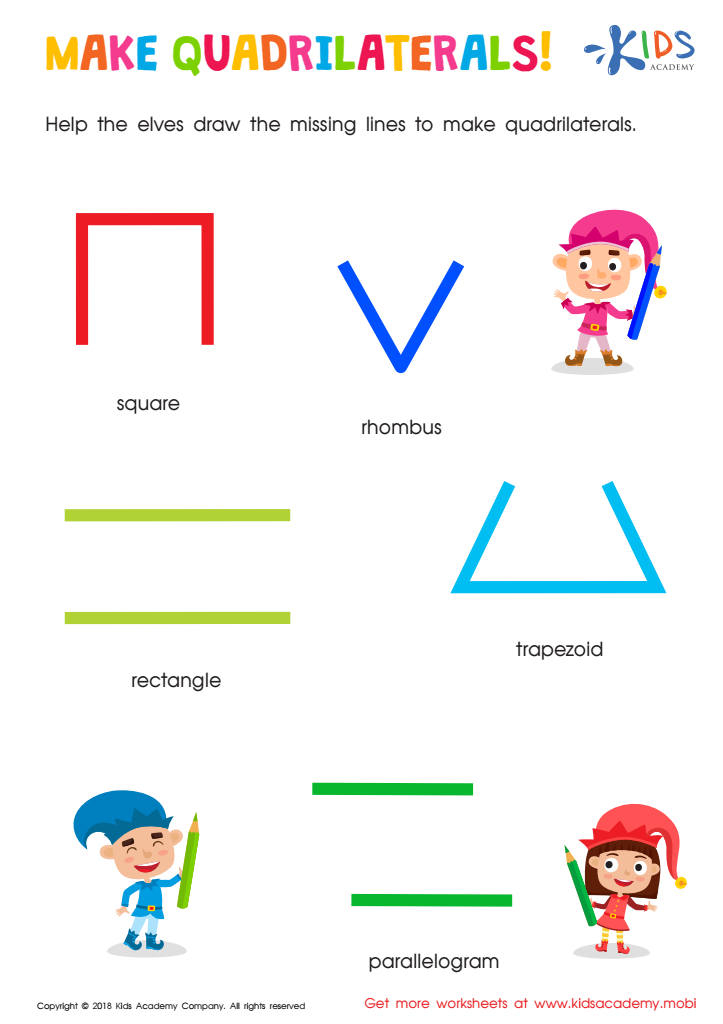
Make Quadrilaterals Worksheet
This fun and colorful worksheet will help your child understand and identify quadrilaterals. It's simple and encourages them to draw lines to create a square, rectangle, rhombus, trapezoid, and parallelogram. Stimulate their minds and watch them learn while they have fun!
 Assign to My Students
Make Quadrilaterals Worksheet
Worksheet
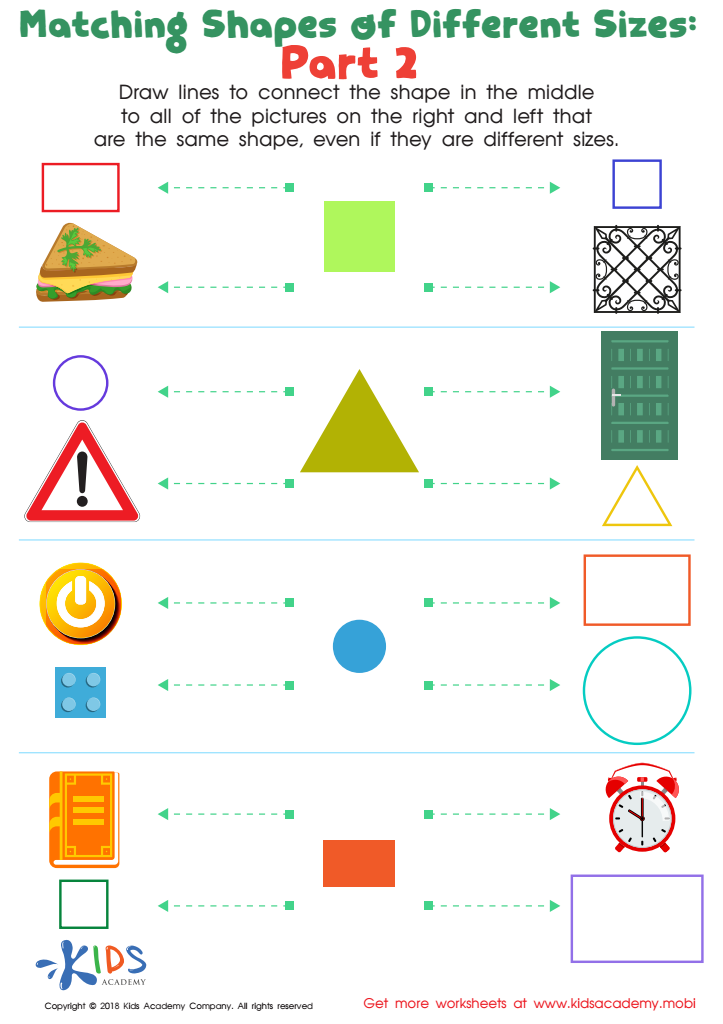
Geometry: Part 2 Worksheet
Third grade geometry gets a challenge with this free worksheet. Kids match shapes to everyday objects like sandwiches, alarm clocks and books for a better understanding of geometry in their lives. Printable pdf is included.
Geometry: Part 2 Worksheet
Worksheet
Join Kids Academy for Free
Who is primarily going to use this learning content?





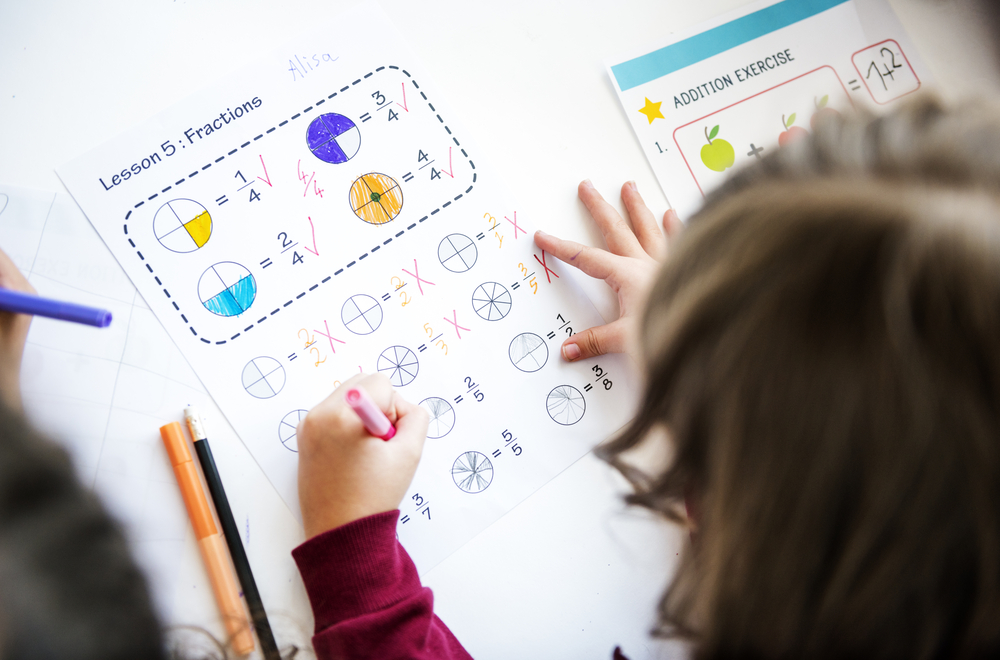


Improving drawing skills in children aged 3-9 has significant benefits, particularly as it intersects importantly with mathematical learning. Drawing enhances spatial awareness, a foundational skill in mathematics. As children draw shapes, they begin to understand concepts such as size, proportion, and symmetry, which are integral to advanced math topics later on.
Moreover, drawing encourages creativity and critical thinking. When children represent mathematical concepts visually, they engage with the material more deeply, allowing for a better grasp of problem-solving techniques. It also heightens their ability to communicate mathematical ideas, fostering verbal and non-verbal expression.
Additionally, drawing serves fine motor development, crucial for developing skills like grip and control which will aid in future writing and calculation tasks. Engaging with drawing can relieve math anxiety, providing a fun and engaging outlet for children to explore mathematical concepts without pressure.
Finally, drawing allows for collaborative learning experiences between parents, teachers, and children, building a supportive environment in which children can thrive. By integrating drawing with mathematical understanding, caregivers can lay a supportive foundation, empowering children to approach math with confidence and creativity. Prioritizing this developmental aspect not only prepares children for academic success but also enriches their overall cognitive growth.








