Practicing division Math Worksheets for Ages 3-9
3 filtered results
-
From - To
Discover our engaging division math worksheets designed specifically for children aged 3-9. These worksheets are perfect for fostering a love of math and helping young learners develop essential division skills in a fun, interactive way. Our resources cater to various learning levels, ensuring that every child can practice at their own pace. With colorful illustrations and age-appropriate problems, these worksheets will make learning division enjoyable and accessible. Perfect for preschool, kindergarten, and early grade levels, our printable worksheets provide a fantastic way for kids to build confidence in their math abilities. Start your child’s journey to division mastery today!
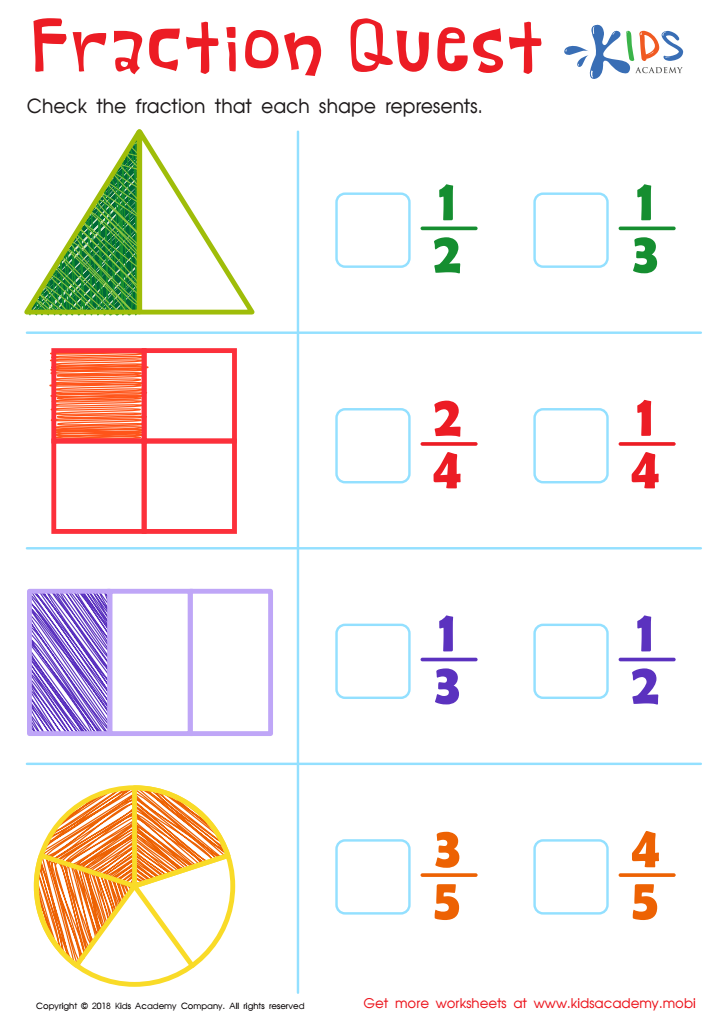
Fraction Quest Worksheet
 Assign to My Students
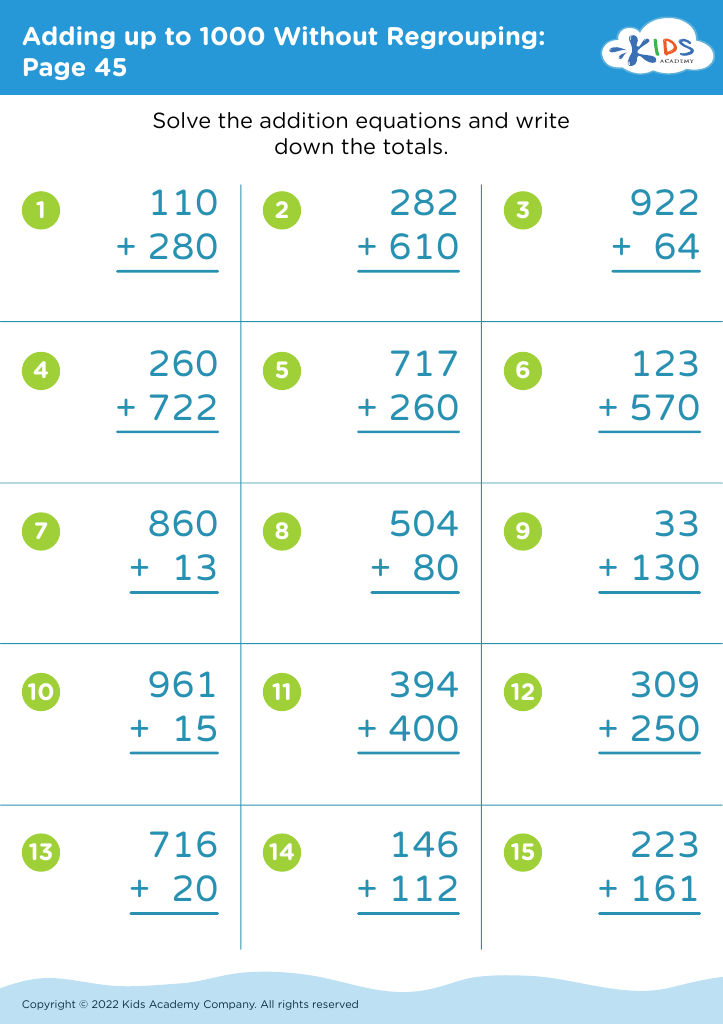
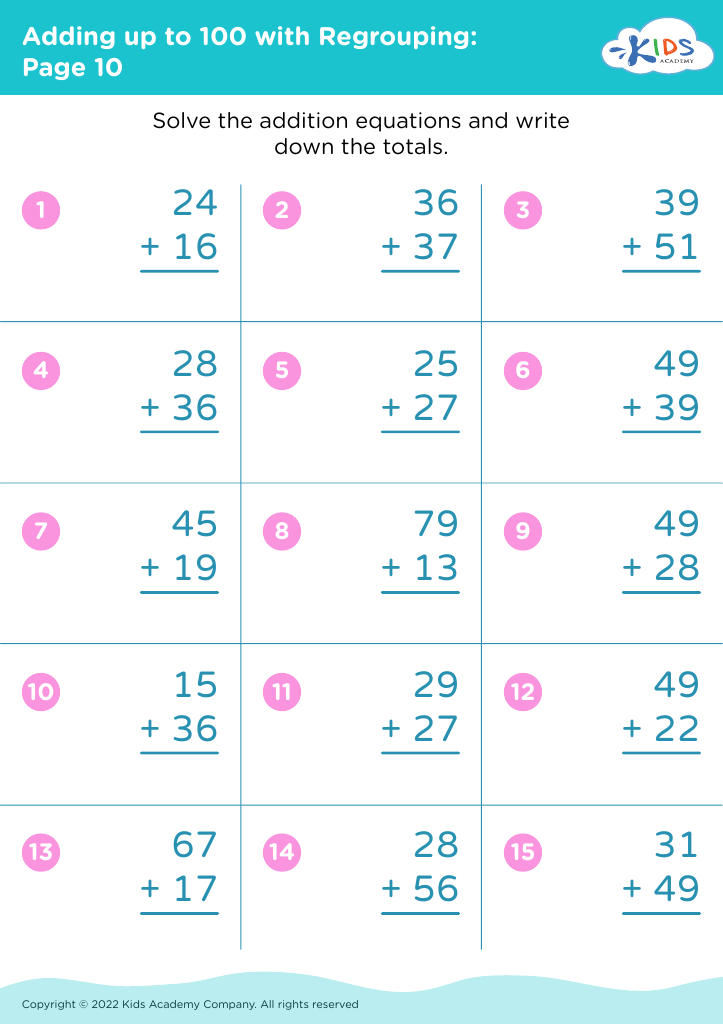







Practicing division math for children aged 3-9 is essential for several reasons. First, it lays a foundational understanding of mathematical concepts that are crucial for future learning. At a young age, children begin to grasp division as they engage with basic sharing or grouping activities. This early introduction not only makes math less intimidating but also fosters confidence in their mathematical abilities.
Additionally, division helps develop critical thinking and problem-solving skills. When children engage in activities that require them to divide items into groups, they learn to analyze situations, think logically, and make informed decisions—skills they will use throughout their lives.
Moreover, practicing division at a young age promotes social skills, as children often work in groups to solve problems or share resources. This collaborative approach encourages communication and teamwork, enriching their learning experience.
Lastly, having a solid grasp of division helps students excel as they progress through school, as math concepts are interlinked. Parents and teachers should prioritize practicing division to ensure children not only understand the concept but also develop anxiety-free connections to math, setting the stage for lifelong success in their academic pursuits. Engaging activities, games, and real-life applications can make learning division both effective and enjoyable.








