
Understand patterns Math Worksheets for Ages 3-9
6 filtered results
Difficulty Level
Grade
Age
-
From - To
Subject
Activity
Standards
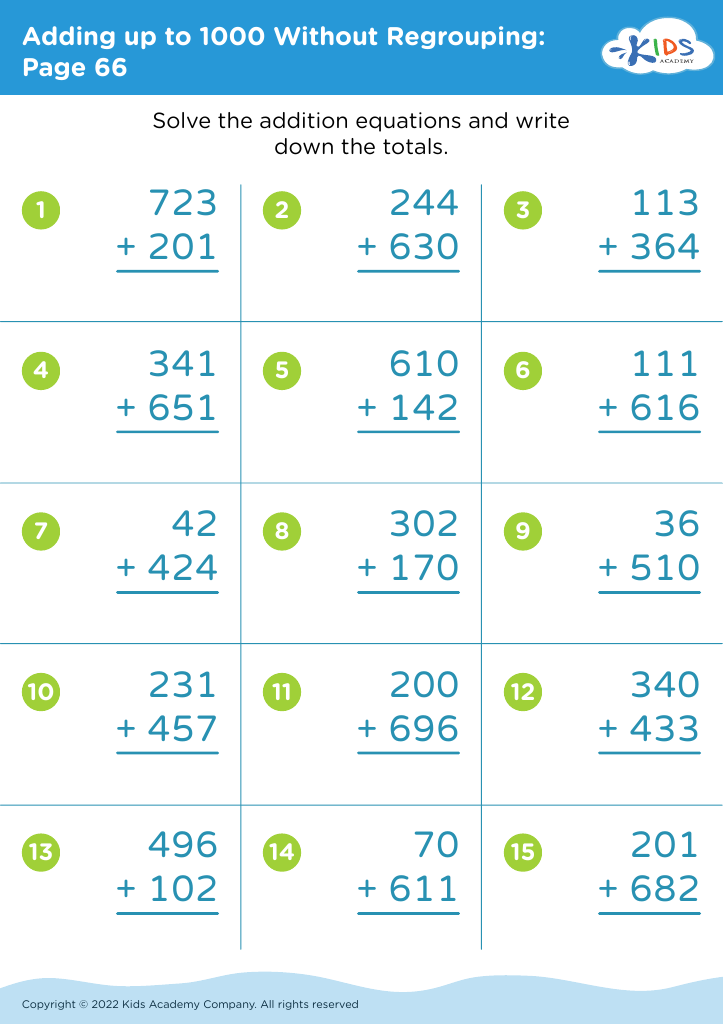
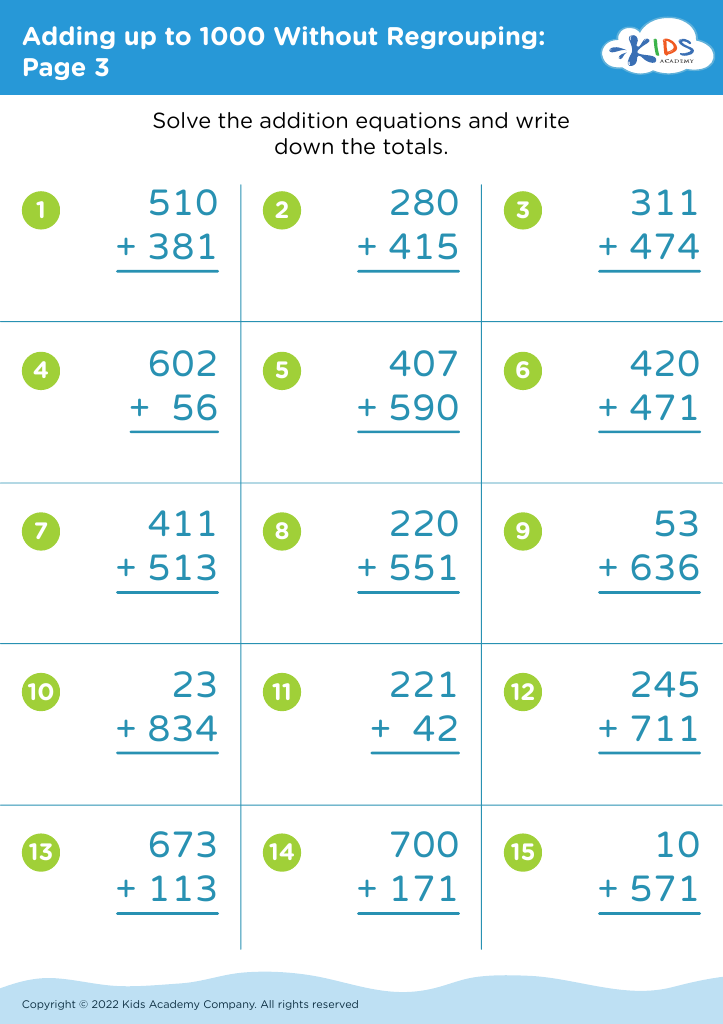
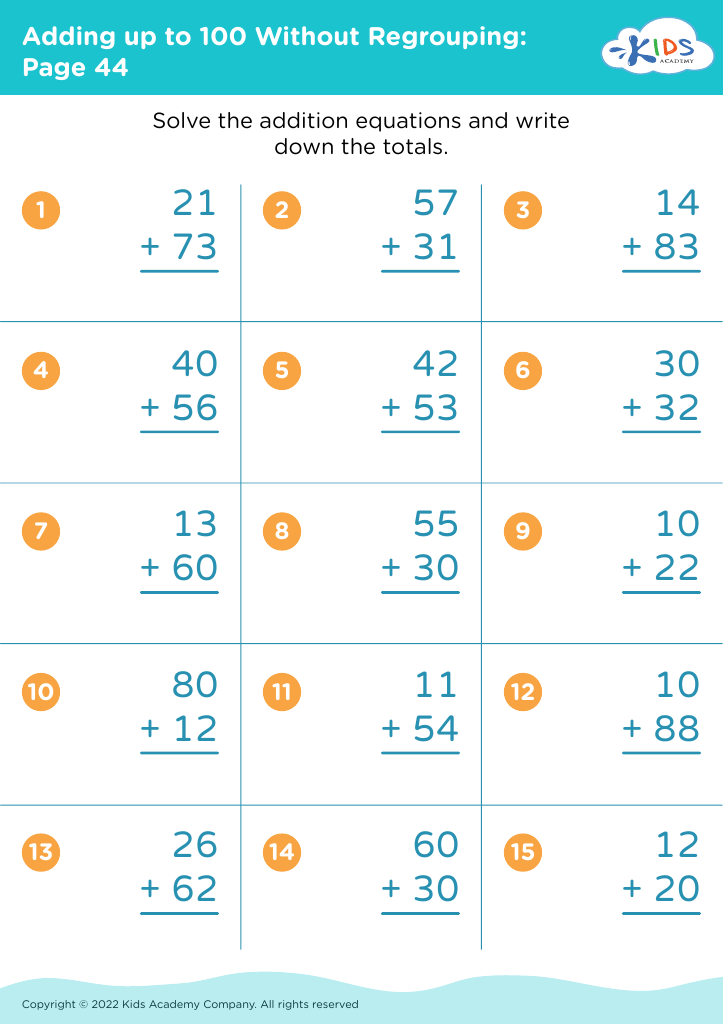
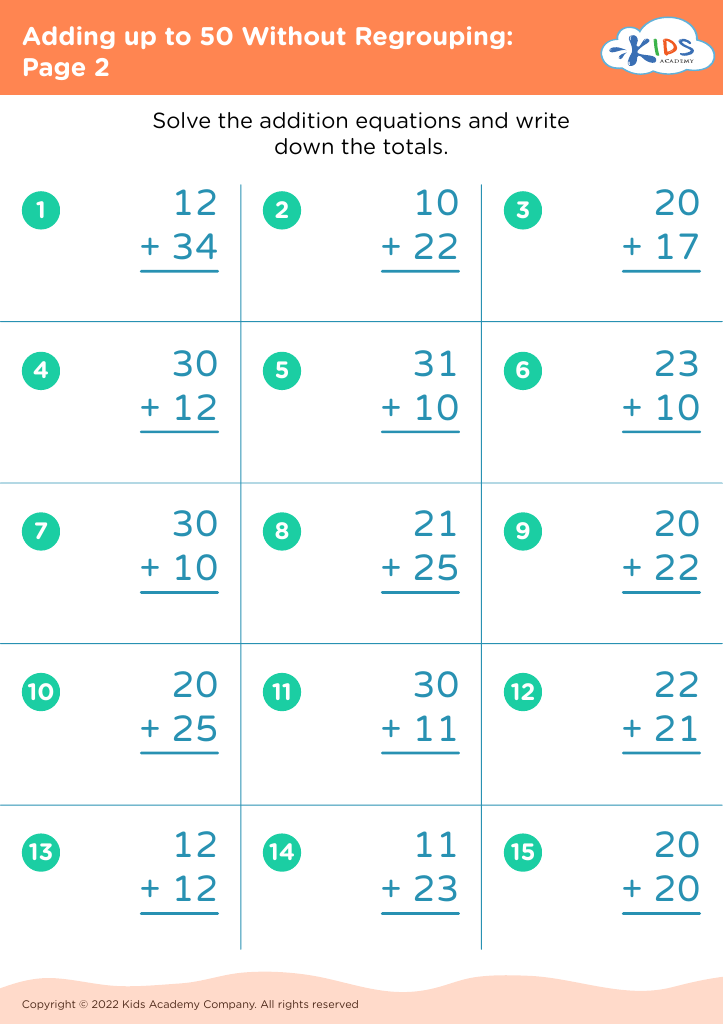
Unlock your child's potential with our "Understand Patterns Math Worksheets for Ages 3-9." These engaging and educational worksheets are designed to develop critical thinking and problem-solving skills in young learners. Featuring a variety of fun and interactive pattern recognition activities, children can enjoy testing their ability to identify, predict, and extend patterns. Perfect for preschool to early elementary students, our worksheets provide a strong foundation for future math success. Foster a love for learning and mathematical confidence with colorful, easy-to-follow exercises that make mastering patterns both enjoyable and rewarding. Give your child the gift of early math skills today!
Favorites
With answer key
Interactive
Join Kids Academy for Free
Who is primarily going to use this learning content?



.jpg)



Understanding patterns is foundational in the early math education of children aged 3-9, serving as a crucial stepping stone for later mathematical concepts and problem-solving skills. Patterns are everywhere, from the simple sequences of colors and shapes to more complex numerical and spatial arrangements. Recognizing and understanding these patterns helps children develop critical thinking and analytical skills.
When children learn to identify patterns, they begin to understand how to predict what comes next, which is a form of logical thinking and reasoning. This skill is directly applicable to more advanced math topics such as algebra and geometry.
Additionally, learning patterns helps to build a child's confidence and ability to tackle problems methodically. Engaging with patterns enhances cognitive development by improving memory, attention, and the ability to categorize information.
Parents and teachers should prioritize teaching patterns because they enhance foundational skills that will benefit children across various disciplines, not just in math but also in reading, science, and even in understanding day-to-day scenarios. Early exposure to pattern recognition supports creativity and innovation, making it a vital component of a child's learning process and overall intellectual growth.








