
Understanding Quantities Math Worksheets for Ages 3-9
50 filtered results
Difficulty Level
Grade
Age
-
From - To
Subject
Activity
Standards
Unlock the magic of numbers with our "Understanding Quantities Math Worksheets" specially designed for children aged 3-9. These printable worksheets offer engaging activities to help young learners grasp the concept of quantities. Through colorful visuals and intuitive exercises, kids gain essential math skills like counting, comparing, and recognizing numerical values. Perfect for both classroom and home practice, our worksheets support early math education and foster a love for learning. Encourage your child's mathematical curiosity and confidence with our expertly crafted worksheets from Kids Academy – where educational fun meets foundational growth!
Favorites
With answer key
Interactive
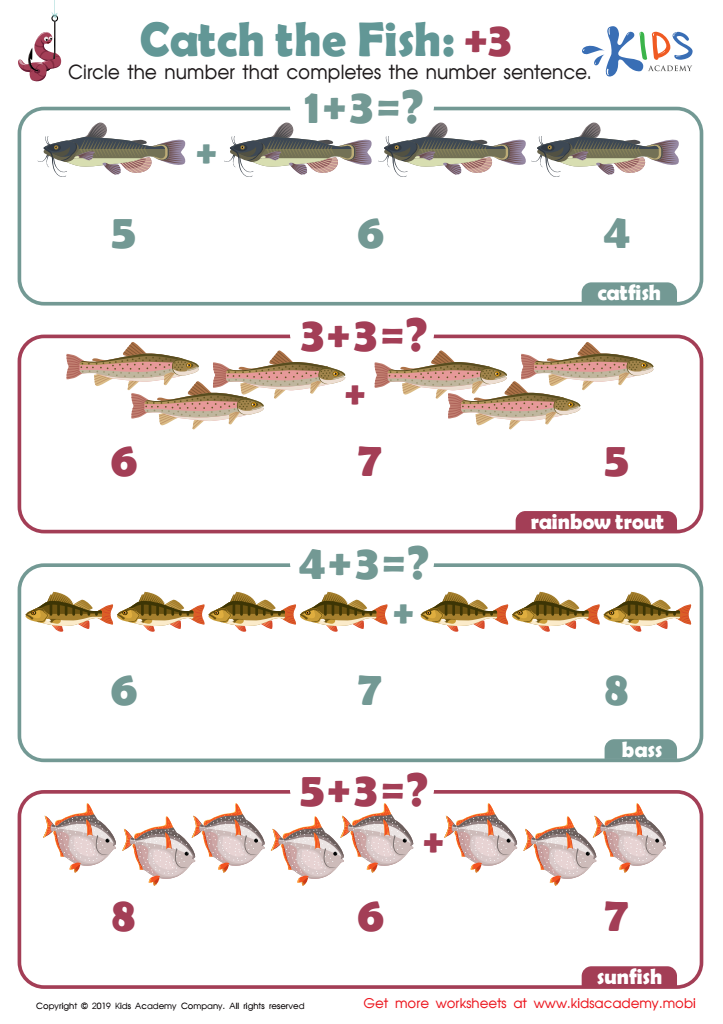
Catch the Fish: +3 Worksheet
Math may be tricky for your child, with all the numbers and calculations. This worksheet can help them brush up. Ask them to identify the objects in the picture, then count them and help them circle the right number to complete the sentence. It's a simple and effective way to improve math skills.
 Assign to My Students
Catch the Fish: +3 Worksheet
Worksheet
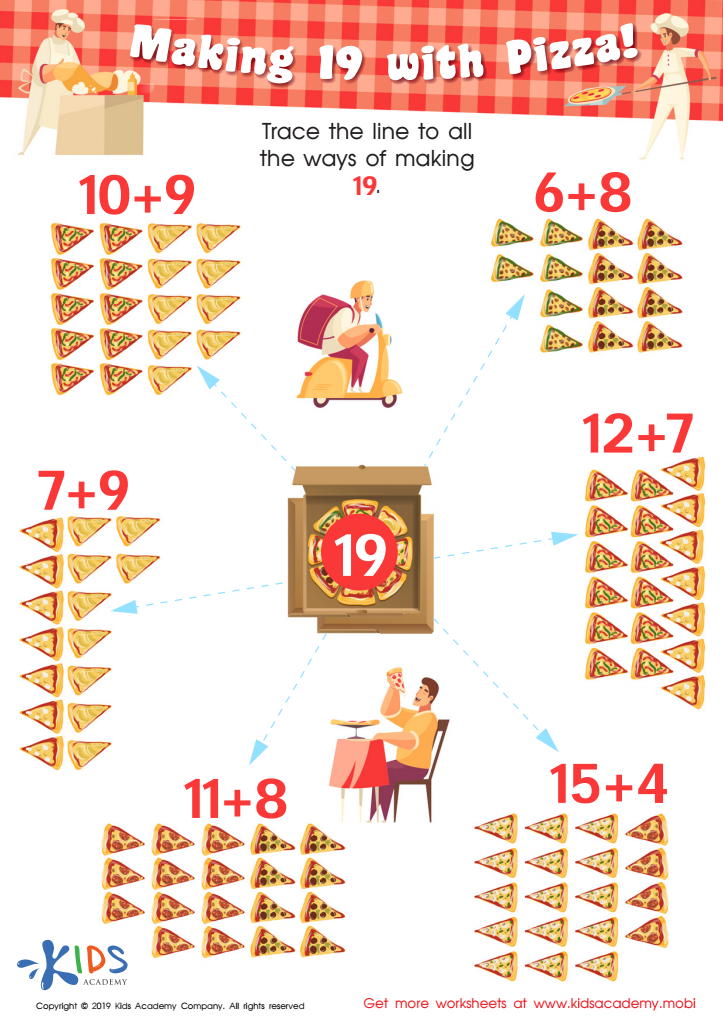
Making 19 with Pizza! Worksheet
Who loves pizza? Your kids do! Next time you need to teach them math, make it fun by combining it with something they enjoy. This worksheet uses a pizza-themed problem to help them practice solving equations. Have them trace the line to figure out how to make 19. It's a great way to make learning math fun!
Making 19 with Pizza! Worksheet
Worksheet
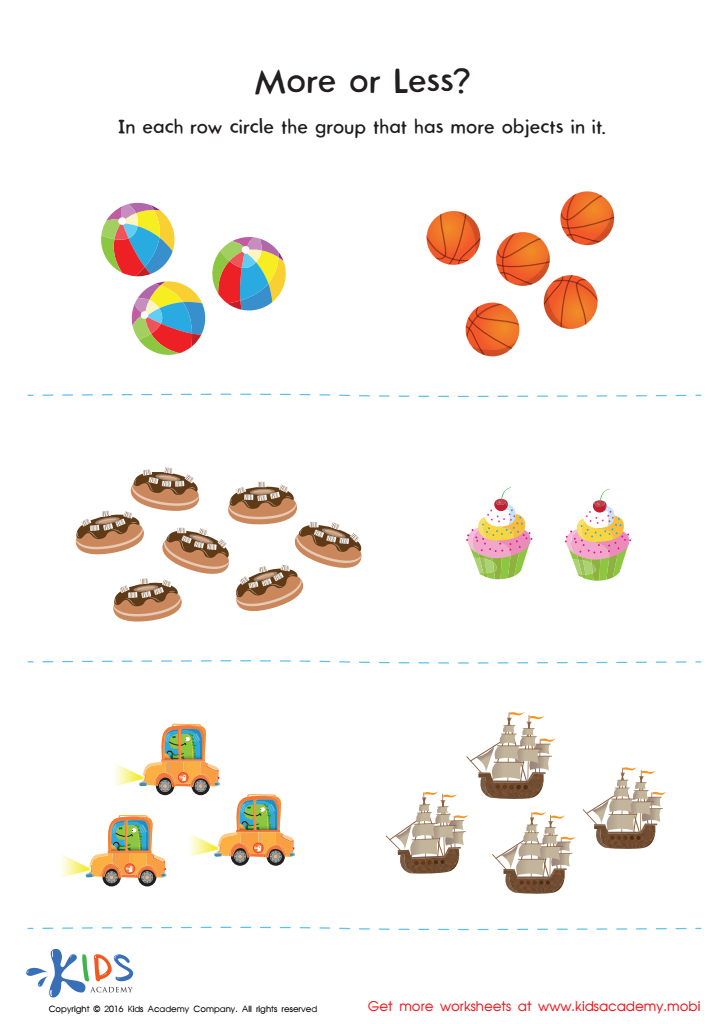
More or Less Size Worksheet
Worksheet
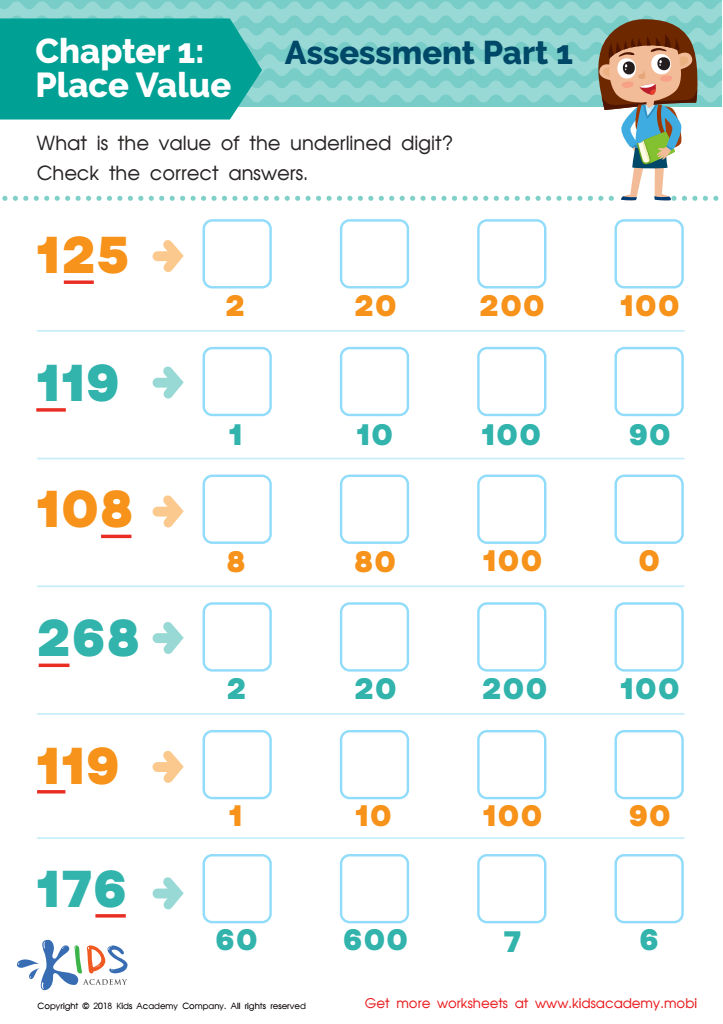
Place Value: Chapter 1 Worksheet
Check your kid's place value understanding with this assessment worksheet. It features 6 questions with one digit underlined for your child to determine the correct value of. Get the download and see if they can correctly choose the answer from the options given. It's a great way to test progress and keep their minds sharp!
Place Value: Chapter 1 Worksheet
Worksheet
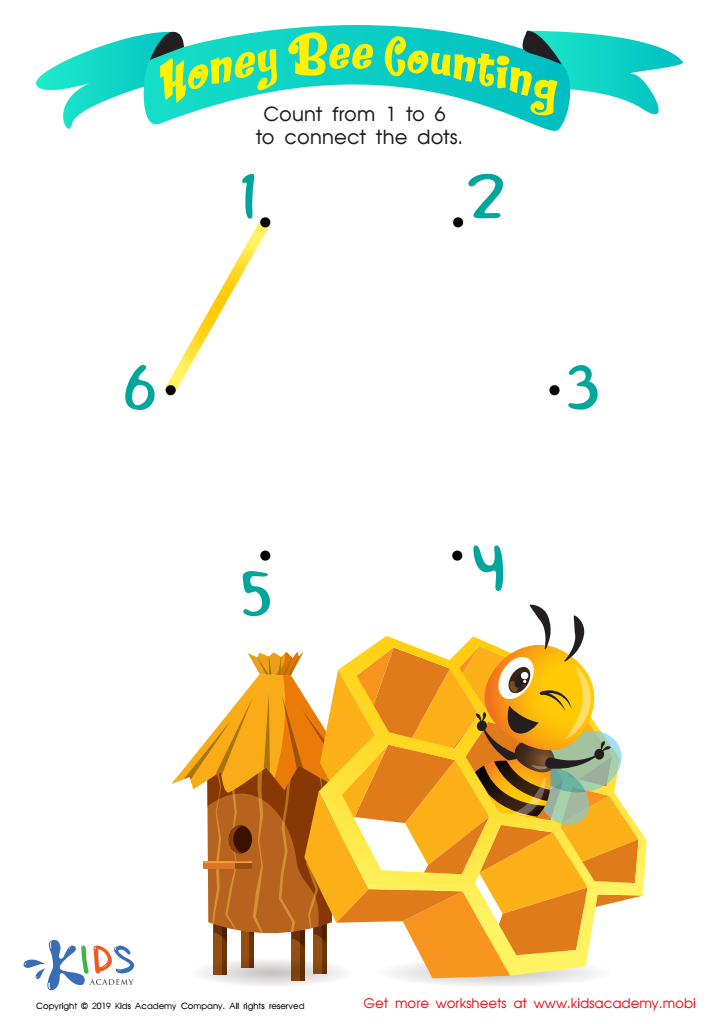
Honey Bee Counting Worksheet
Help your kids learn about honey bees while practising their counting skills! Show them the picture and ask them to point out the bee. Then, give them this worksheet and have them count up to 6, connecting the dots as they go. Numbers are provided for guidance - it's a great way to have fun and learn!
Honey Bee Counting Worksheet
Worksheet
Join Kids Academy for Free
Who is primarily going to use this learning content?





Understanding quantities is a fundamental cornerstone in early childhood math education for children ages 3-9. It encompasses grasping the size, amount, and value of numbers, which lays the groundwork for more complex mathematical concepts such as addition, subtraction, multiplication, and division. When parents and teachers pay attention to this aspect, they ensure that children develop strong numerical literacy early on.
Quantitative understanding helps children comprehend the world numerically. For example, recognizing that four apples are more than two can aid in everyday decision-making and foster practical life skills. Furthermore, children who grasp quantities can better understand spatial relationships and measurements, which are essential in subjects beyond math, like science and geography.
Moreover, fostering a solid understanding of quantities supports cognitive development. It cultivates logical reasoning, problem-solving skills, and analytical thinking. Engaging with numerical quantities promotes curiosity and confidence, making children more likely to succeed academically across various domains.
Active involvement from parents and teachers by integrating fun, interactive activities that highlight quantities—such as counting games, measuring ingredients while cooking, or comparing blocks—can create a robust and enjoyable learning environment. Therefore, prioritizing this foundational aspect of math educates a child's mind and equips them for future academic challenges while instilling a love for learning.








