
Vocabulary development Matching Worksheets for Ages 3-9
3 filtered results
Difficulty Level
Grade
Age
-
From - To
Subject
Activity
Standards
Boost your child’s language skills with our engaging Vocabulary Development Matching Worksheets for ages 3-9. Designed by educational experts, these worksheets make learning fun through interactive matching activities. Children connect words to pictures, enhancing their understanding and retention of new vocabulary. Perfect for early learners, these worksheets support preschool, kindergarten, and elementary school students in expanding their language abilities, improving reading comprehension, and developing essential cognitive skills. Easy to use both at home and in the classroom, our printable worksheets are a valuable resource for parents, teachers, and tutors aiming to foster a love for words and language.
Favorites
With answer key
Interactive
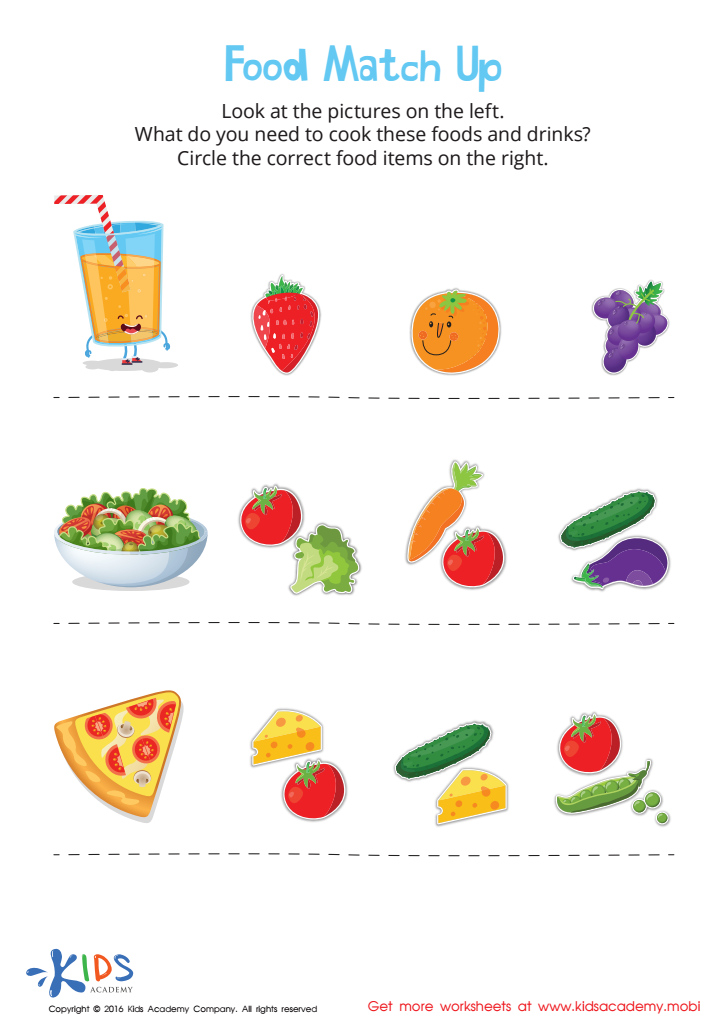
Food Match Up Worksheet
This worksheet will help your preschooler develop early math and cognitive skills. It challenges them to pay attention to details, understand how smaller parts make a whole, and increase important matching skills. Use it to give them a hands-on learning experience in the kitchen, and watch them understand how ingredients come together to make something delicious!
 Assign to My Students
Food Match Up Worksheet
Worksheet
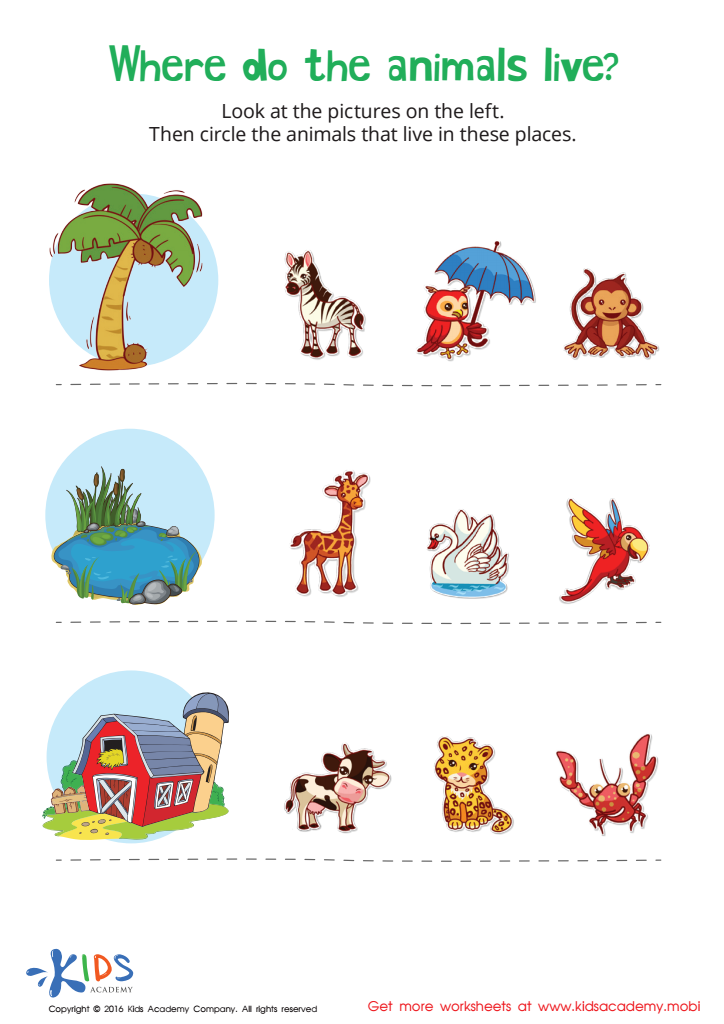
Where Animals Live Worksheet
Teaching early reading and math skills is important, but don't forget about science. With the Where Animals Live PDF worksheet, kids can identify their favorite animals and the environments they live in. Ask them what type of environment the animals like and introduce them to geography. It's great for logical reasoning and classification skills. Your kid will practice with their favorite animals and love the trip to the zoo afterwards!
Where Animals Live Worksheet
Worksheet
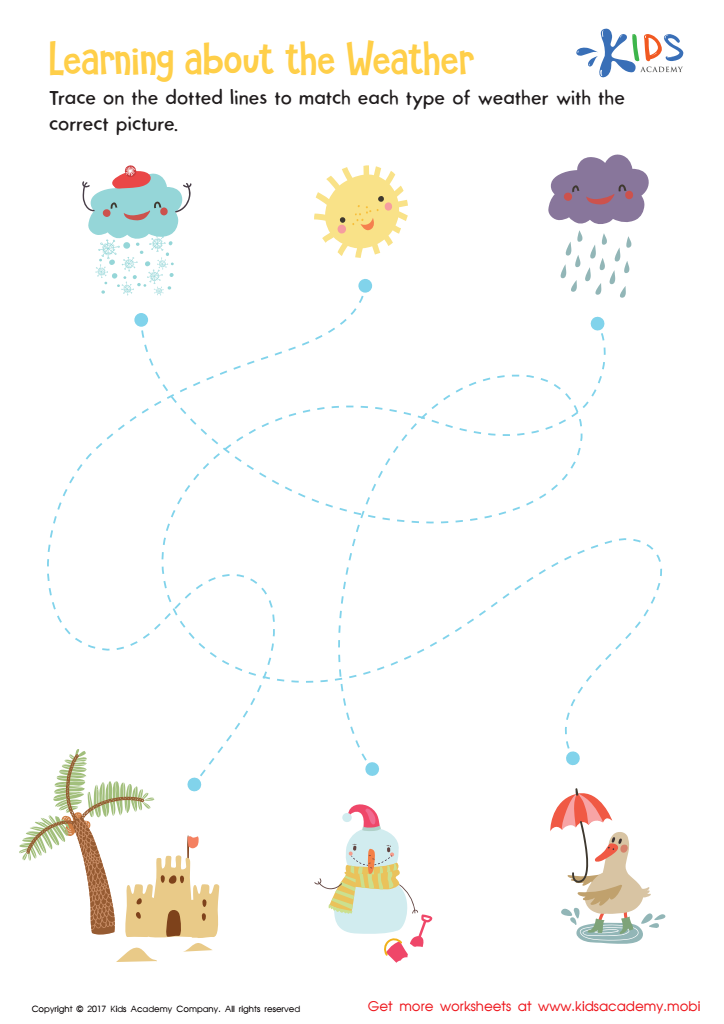
Join Kids Academy for Free
Who is primarily going to use this learning content?







Vocabulary development is a cornerstone of early childhood education, crucially impacting a child's academic trajectory and overall cognitive growth. For children aged 3-9, a robust vocabulary is essential for effective communication, both in expressing their own thoughts and understanding others. Parents and teachers play vital roles in nurturing this development by introducing vocabulary through matching activities where children associate words with corresponding images, objects, or definitions.
When children at these formative ages enhance their vocabulary, they improve reading and comprehension skills, forming the basis for all future learning. By recognizing and matching words with their meanings, children develop critical thinking and problem-solving abilities. This foundational skill aids them in making sense of new information, directly correlating with better academic performance in subjects such as reading, writing, science, and math.
Moreover, a strong vocabulary empowers children socially, allowing them to engage more confidently and effectively in discussions with peers and adults. This confidence in communication fosters self-esteem and resilience.
Parents and teachers who focus on vocabulary development through interactive and engaging methods, like matching games, play a pivotal role in setting children up for lifelong success. By converting abstract words into tangible concepts children can relate to, caregivers ensure the child's learning journey is both enjoyable and impactful.








