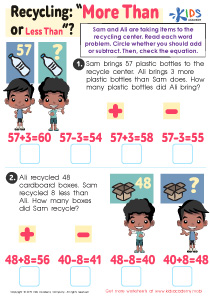
Number identification Numbers 0–10 Worksheets for Ages 3-9
3 filtered results
-
From - To
Explore our engaging “Number Identification Numbers 0–10 Worksheets” designed specifically for children aged 3-9! These interactive worksheets enhance early math skills, fostering number recognition and counting from 0 to 10. With fun activities tailored for varying skill levels, kids can practice identifying numbers through colorful visuals and captivating exercises. Each worksheet promotes self-paced learning, ensuring a solid foundation in numeracy. Ideal for parents and educators, these resources can easily be printed and integrated into home or classroom settings. Encourage your little ones to build essential math skills while enjoying the process of learning with our comprehensive worksheets!
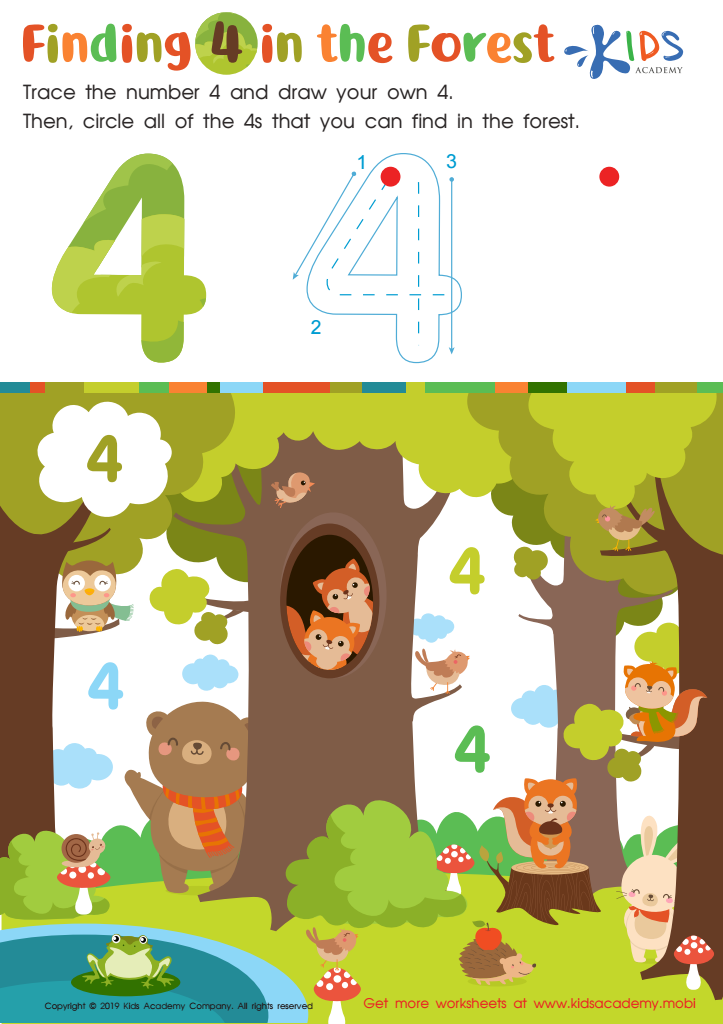
Finding 4 in the Forest Worksheet
 Assign to My Students
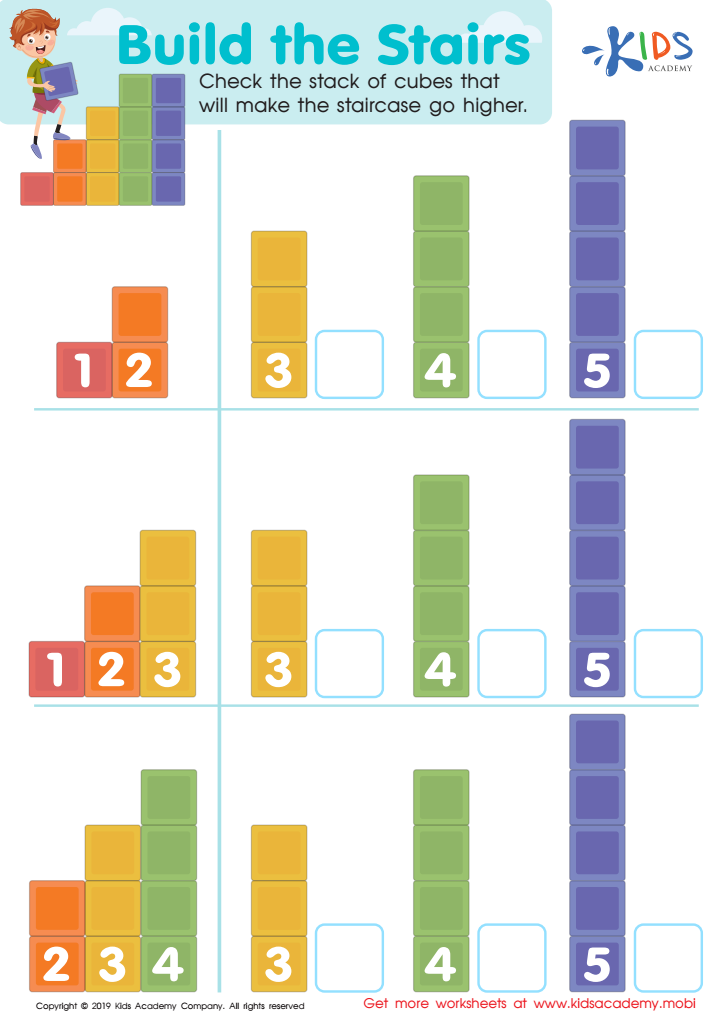
Build the Stairs Worksheet
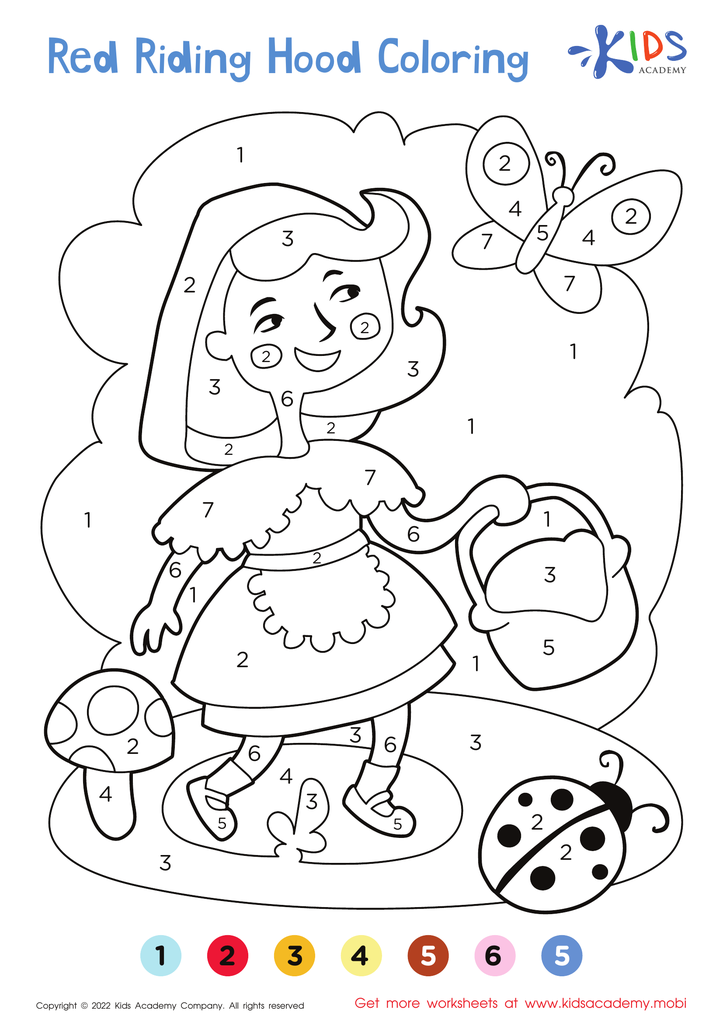
Little Red Riding Hood – Coloring by Numbers








Number identification for the digits 0–10 is a foundational skill for children ages 3-9, serving as a critical building block for their mathematical and cognitive development. Understanding these numbers helps children grasp basic concepts of quantity, order, and value. For parents and teachers, paying attention to this skill is crucial because it directly impacts children’s ability to engage with mathematical problems and everyday scenarios, such as counting objects or telling time.
Number identification also promotes confidence and literacy in math, laying the groundwork for more complex operations like addition and subtraction in later years. When children can recognize and differentiate these numbers, they develop better problem-solving skills and enhance their logical reasoning abilities. Moreover, early mastery of numbers fosters a love and curiosity for mathematics, encouraging a growth mindset.
Collaborative activities like games, songs, and hands-on projects that focus on number identification can strengthen the parent-child or teacher-student bond, making learning enjoyable and effective. Ultimately, teachers and parents play a pivotal role in nurturing children's comprehension of numbers, ensuring that they are equipped for future academic success and practical life skills. This engagement encourages not just mathematical proficiency but overall lifelong learning.