Sorting skills Numbers 0–10 Worksheets for Ages 3-9
3 filtered results
-
From - To
Enhance your child's learning with our engaging Sorting Skills Worksheets for Numbers 0–10, designed specifically for ages 3-9. These worksheets provide fun and interactive activities that help young learners develop sorting, grouping, and number recognition skills. By categorizing various objects and numbers, children will not only improve their math capabilities but also strengthen critical thinking and problem-solving abilities. Our worksheets are tailored to keep kids entertained while fostering cognitive development. Printable and easy to use, these resources are perfect for at-home learning or classroom settings. Equip your child with essential sorting skills today!
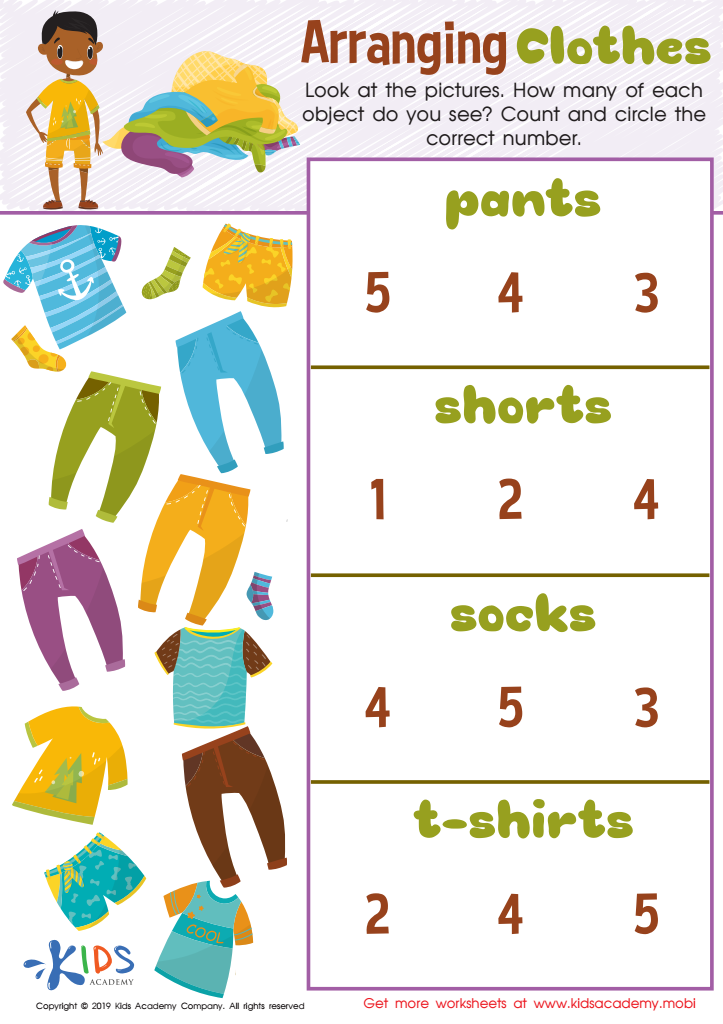
Arranging Clothes Worksheet
 Assign to My Students
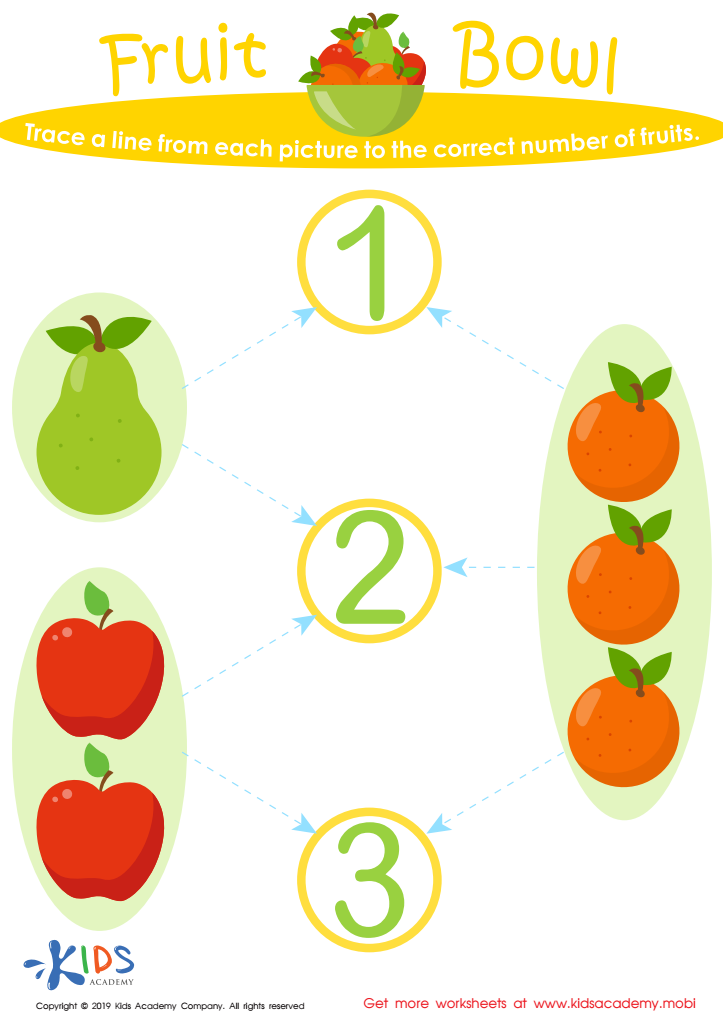
Fruit Bowl Worksheet
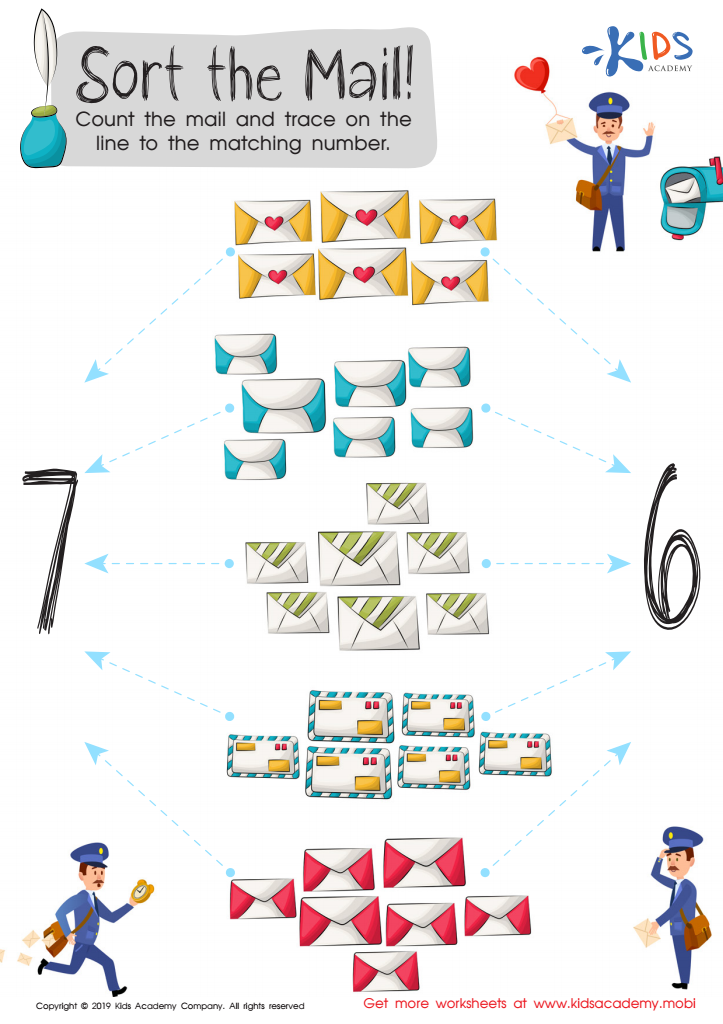
Sort the Mail Worksheet








Sorting skills are fundamental for children ages 3-9, particularly when dealing with numbers 0-10. These skills help in developing critical thinking and categorization abilities. When children learn to sort numbers, they enhance their understanding of numerical order, grouping, and relationships between quantities. This foundational math skill is crucial as it provides a basis for more advanced math concepts they will encounter in later grades.
Furthermore, sorting activities promote cognitive development by encouraging children to think logically, make decisions, and engage in problem-solving. These skills transfer outside of mathematics into everyday life, where sorting and categorization can help children make sense of their environment and interactions.
In addition, sorting helps with language development; as educators guide children in naming the categories, they expand their vocabulary and comprehension skills. Parents and teachers who focus on early sorting activities foster a joyful learning environment that nurtures general curiosity and resilience in learning challenges.
Overall, investing time in sorting skills for numbers 0-10 creates a solid foundation in mathematics and boosts overall cognitive and language skills, setting children up for future academic success and improved social skills.