Enhance comprehension Building Vocabulary Worksheets for Ages 3-9
6 filtered results
-
From - To
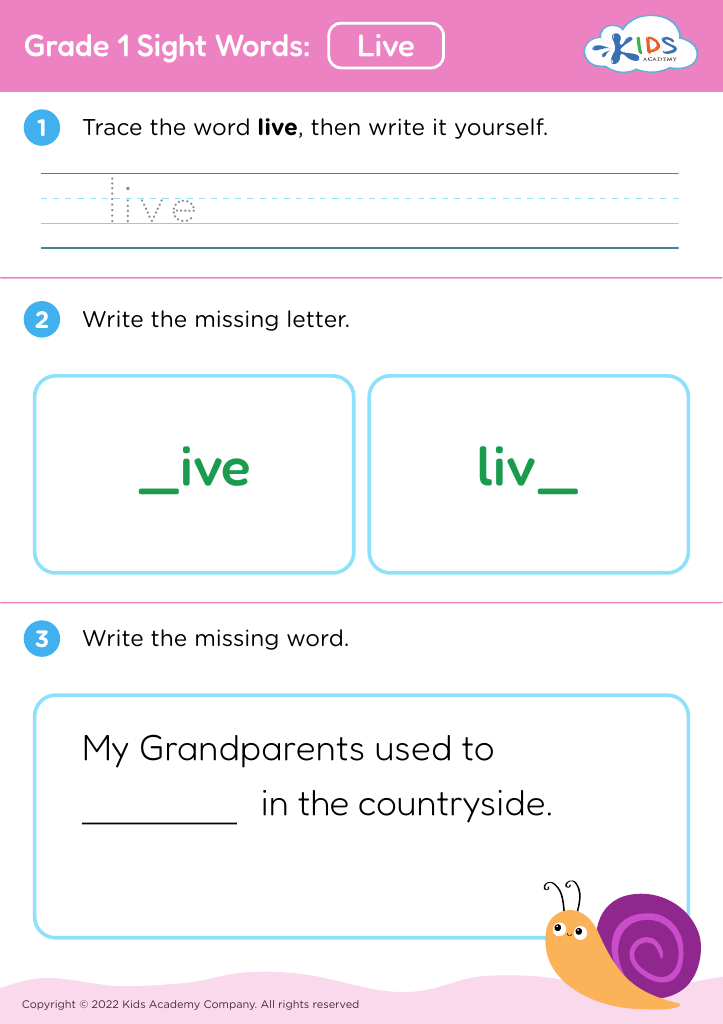
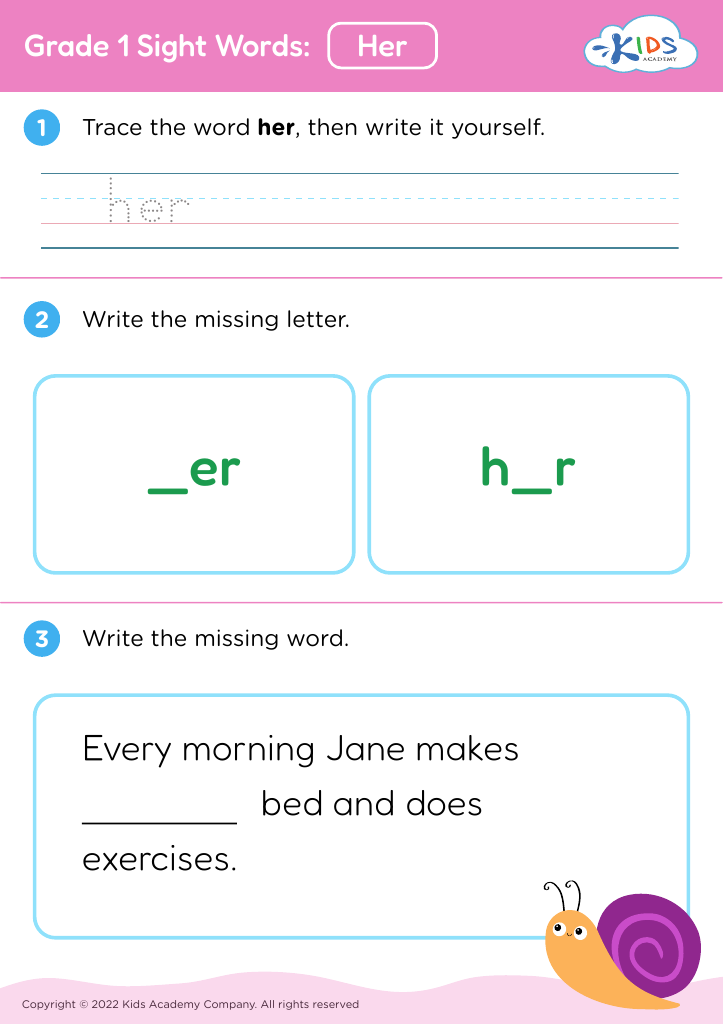
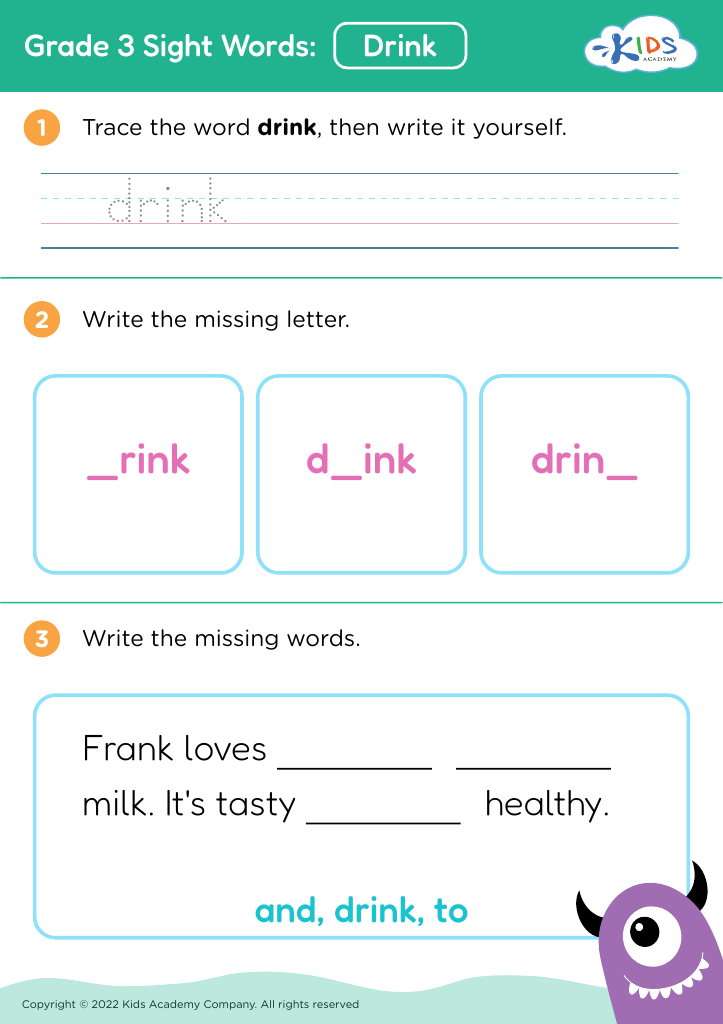
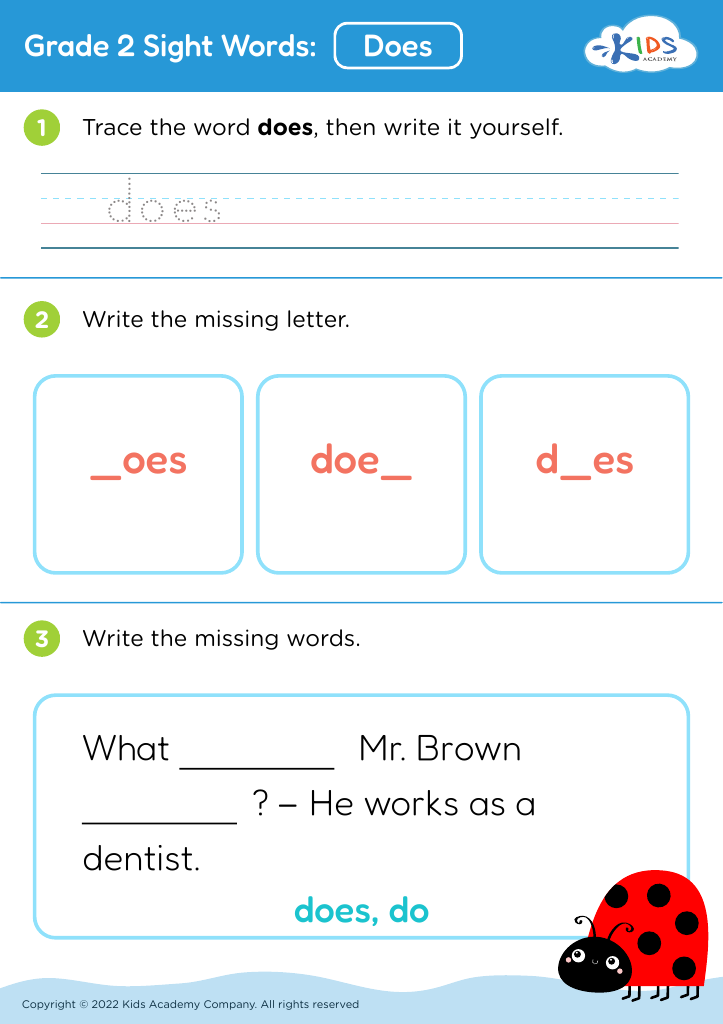
Unlock your child's potential with our "Enhance Comprehension Building Vocabulary Worksheets" designed for ages 3-9. These engaging worksheets are crafted to help young learners expand their vocabulary while boosting reading comprehension skills. Each activity encourages critical thinking through fun and interactive exercises, making learning enjoyable and effective. Our resources cater to various learning styles, fostering a deep understanding of words and their meanings. Whether at home or in the classroom, these worksheets provide essential practice for developing language skills foundational for lifelong learning. Start your child’s journey to becoming a confident reader today with our expertly designed vocabulary-building tools!


















.jpg)
Enhancing comprehension and building vocabulary for children aged 3-9 is critically important for their overall educational development and future success. At this formative stage, children are rapidly developing language skills, which serve as the foundation for effective communication and academic achievement. A strong vocabulary enables children to understand and describe their world, allowing them to articulate thoughts, ask questions, and engage with complex concepts.
By focusing on comprehension, parents and teachers can improve children's ability to process and interpret information, fostering critical thinking and problem-solving skills. Engaging activities such as reading together, exploring new words, and discussing stories help children build connections between words and meanings. This not only enriches their vocabulary but also instills a love for learning.
Moreover, a robust vocabulary is positively correlated with reading proficiency, impacting children’s performance across all subjects. Those with a limited vocabulary may struggle academically and socially, leading to challenges in both peer relationships and self-esteem.
Ultimately, by prioritizing vocabulary and comprehension, parents and educators equip children with essential tools for academic success and lifelong learning, setting the stage for a bright future where they can confidently navigate language-rich environments.








