Multiplication practice Building Vocabulary Worksheets for Ages 3-9
5 filtered results
-
From - To
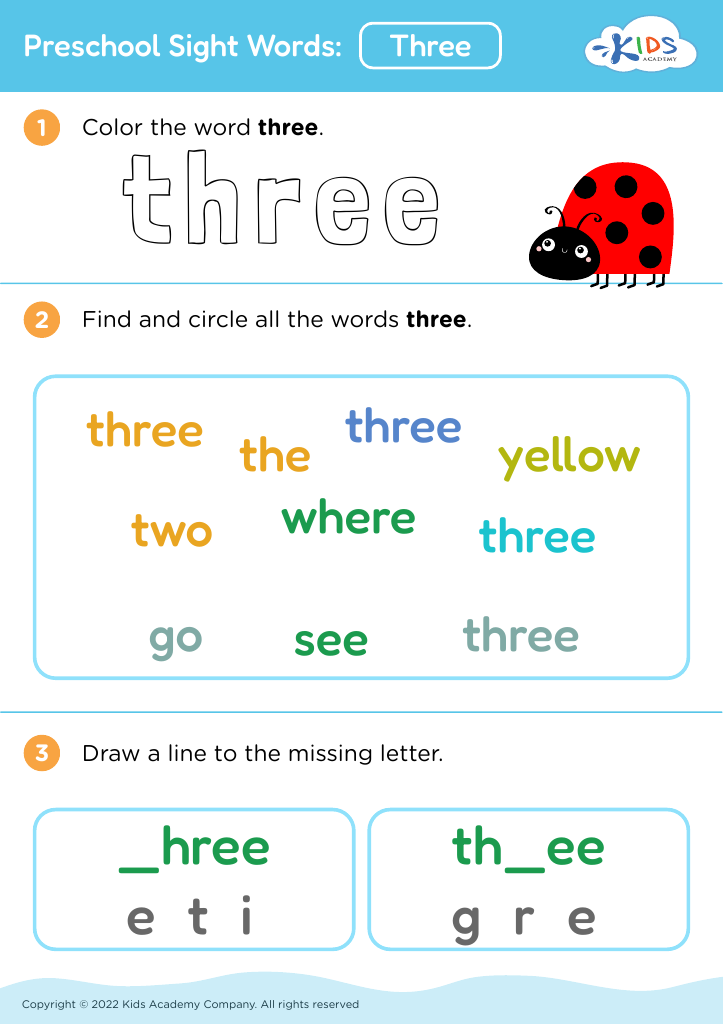
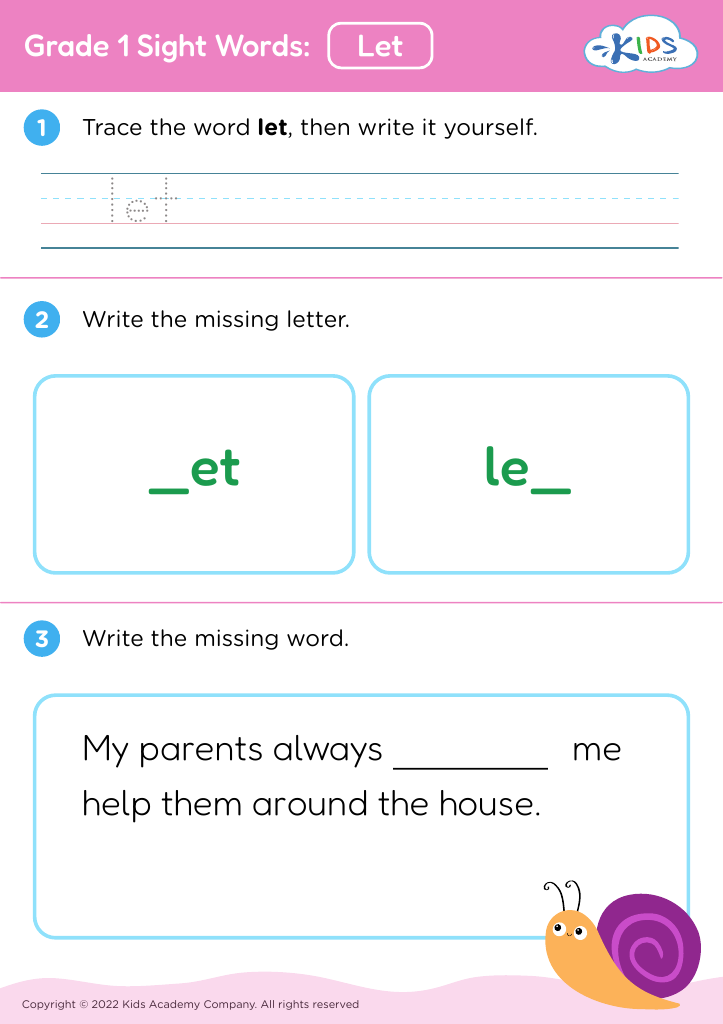
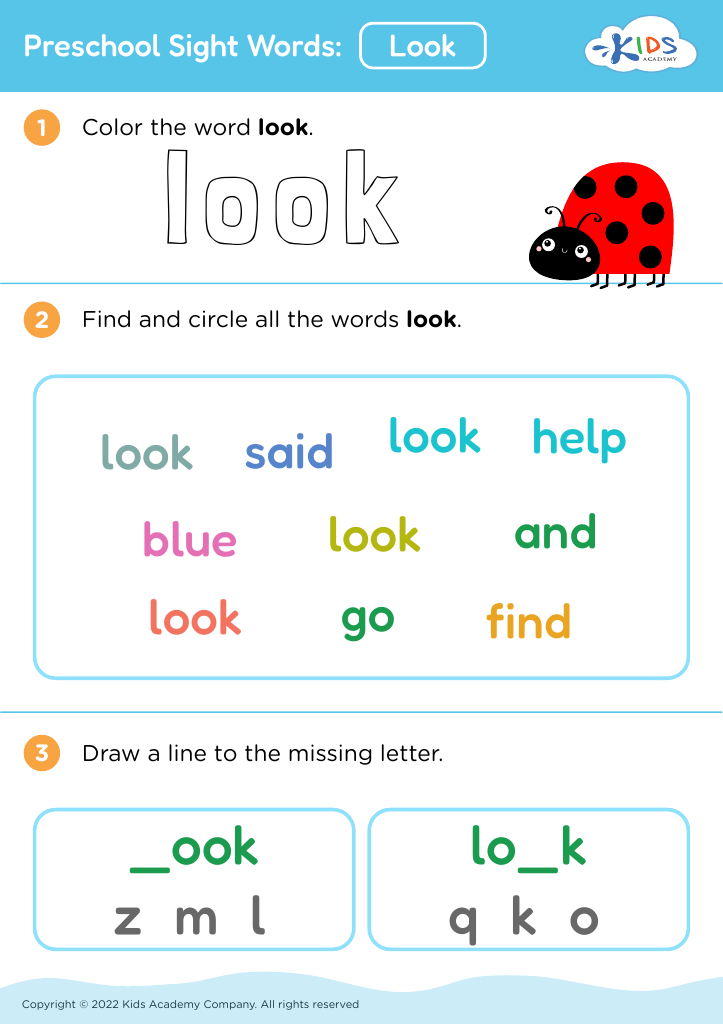
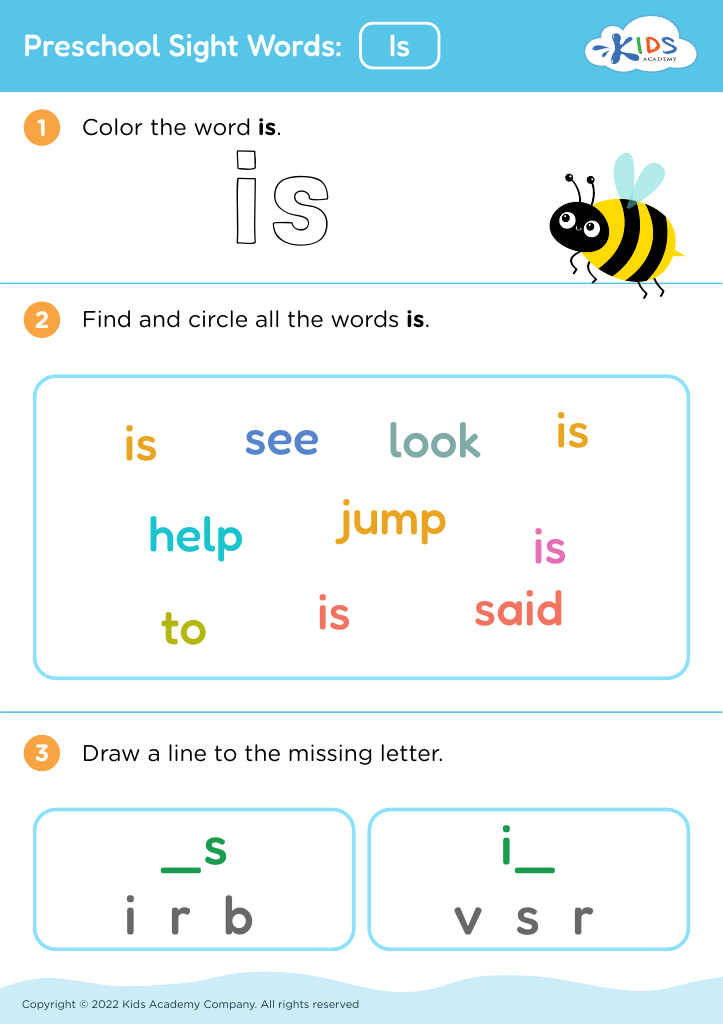
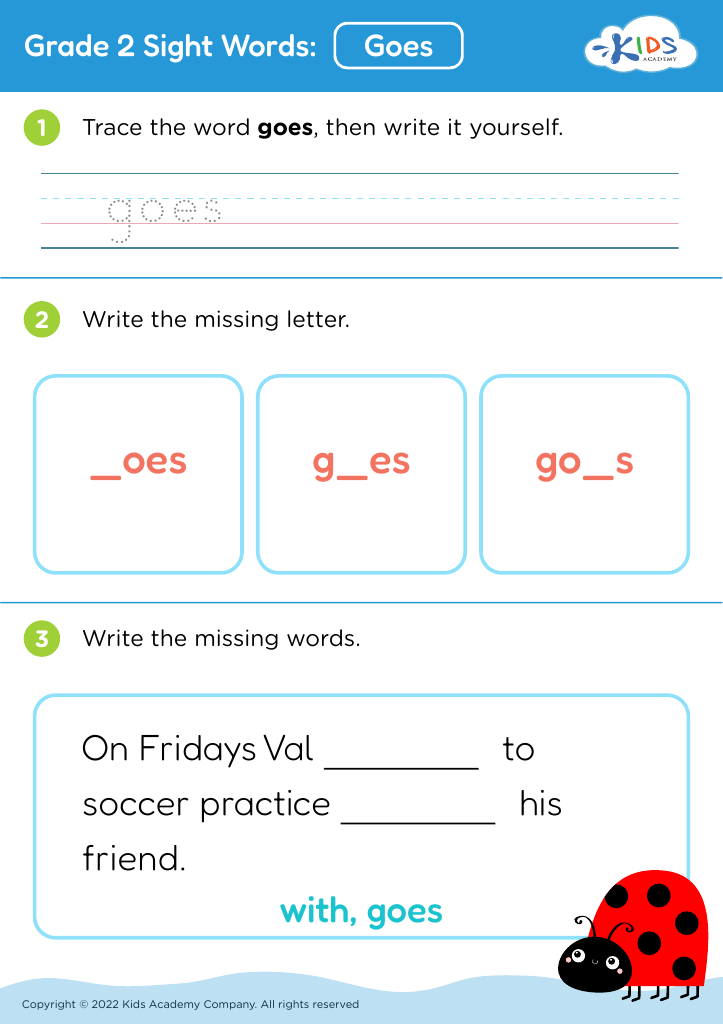
Discover Multiplication Practice Building Vocabulary Worksheets, perfect for ages 3-9! Our expertly designed worksheets combine essential math skills with engaging vocabulary building activities. Young learners will master multiplication while expanding their language abilities, thanks to creative exercises that make learning fun and effective. Ideal for early grade teachers and parents, these worksheets are crafted to fit seamlessly into any curriculum, encouraging a strong mathematical foundation and enriched vocabulary. Elevate your child's learning journey with our interactive and educational printables that inspire confidence and academic growth. Visit Kids Academy to explore and download your free resources today!
















.jpg)


Supporting multiplication practice and building vocabulary in children aged 3 to 9 is crucial for their cognitive and academic development. For multiplication practice, early exposure to mathematical concepts helps children grasp fundamental skills essential for future math learning. Mastery of multiplication lays a strong foundation for more advanced topics, including division, fractions, and algebra. It also enhances problem-solving and logical thinking abilities, enabling children to approach various challenges more systematically and confidently.
Building vocabulary is equally important, as it enriches language development, comprehension, and communication skills. A robust vocabulary enables children to express their thoughts and emotions more clearly and understand instructions and academic materials effectively. This improves reading proficiency, academic performance, and fosters a love for learning.
Combined, these practices boost overall cognitive function, promoting quicker connections between concepts and more agile thinking. Additionally, a strong foundation in both math and language skills can reduce future educational disparities, providing equal opportunities for academic success. For parents and teachers, actively engaging in these practices means fostering an enriching environment where children can thrive academically, socially, and emotionally. This holistic development is pivotal in ensuring children are well-prepared for the increasingly complex and interconnected world.








