
Understanding patterns Building Vocabulary Worksheets for Ages 3-9
8 filtered results
Difficulty Level
Grade
Age
-
From - To
Subject
Activity
Standards
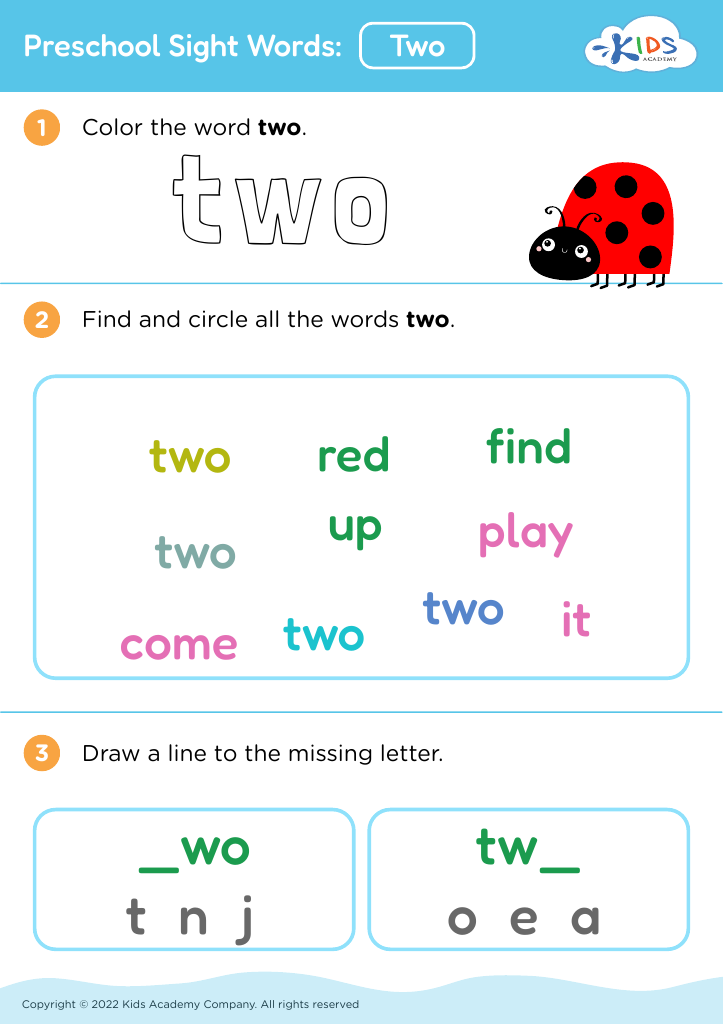
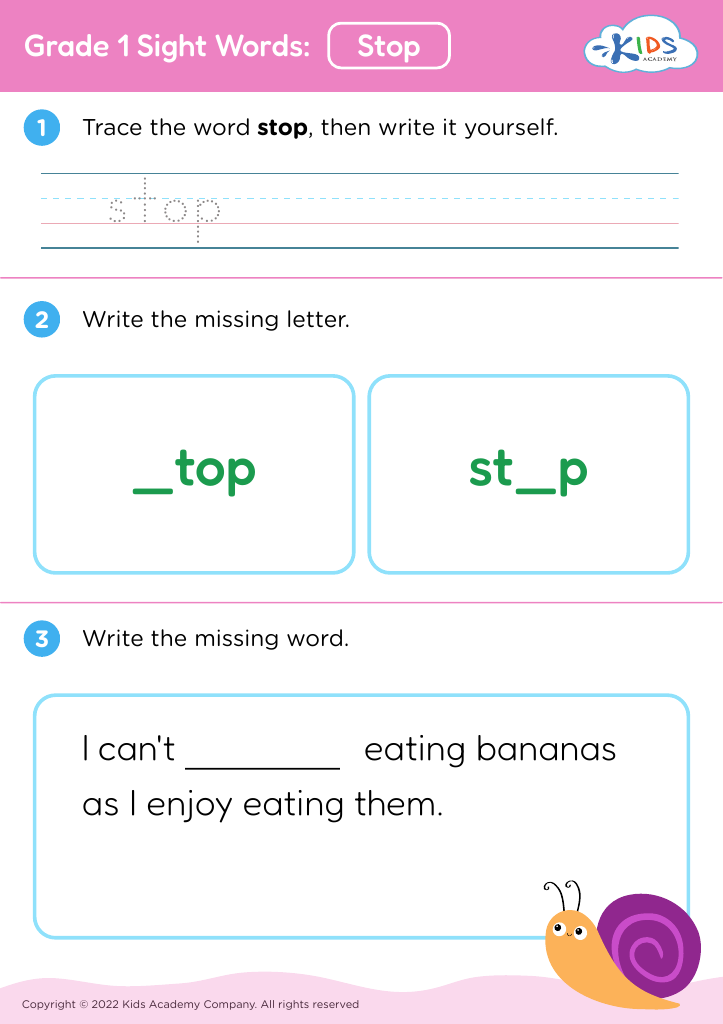
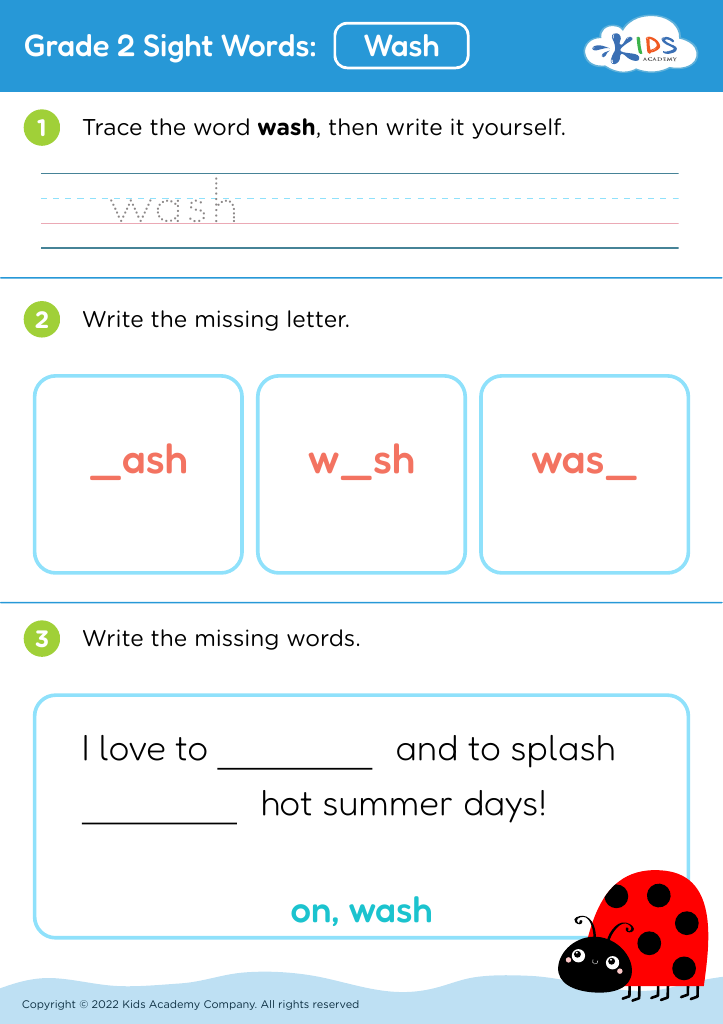
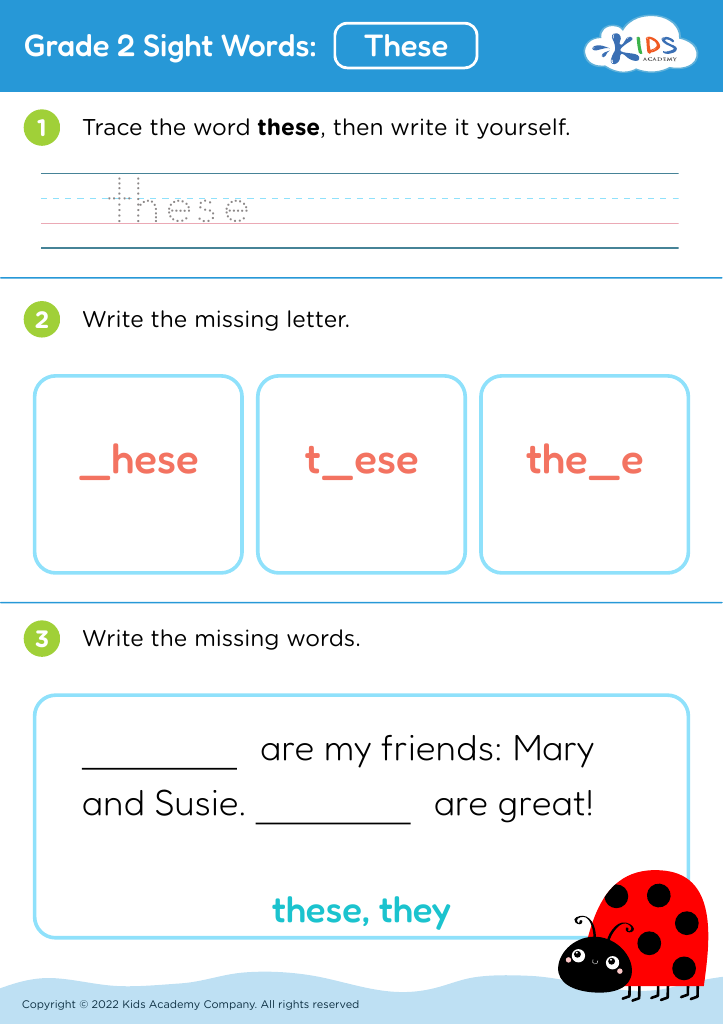
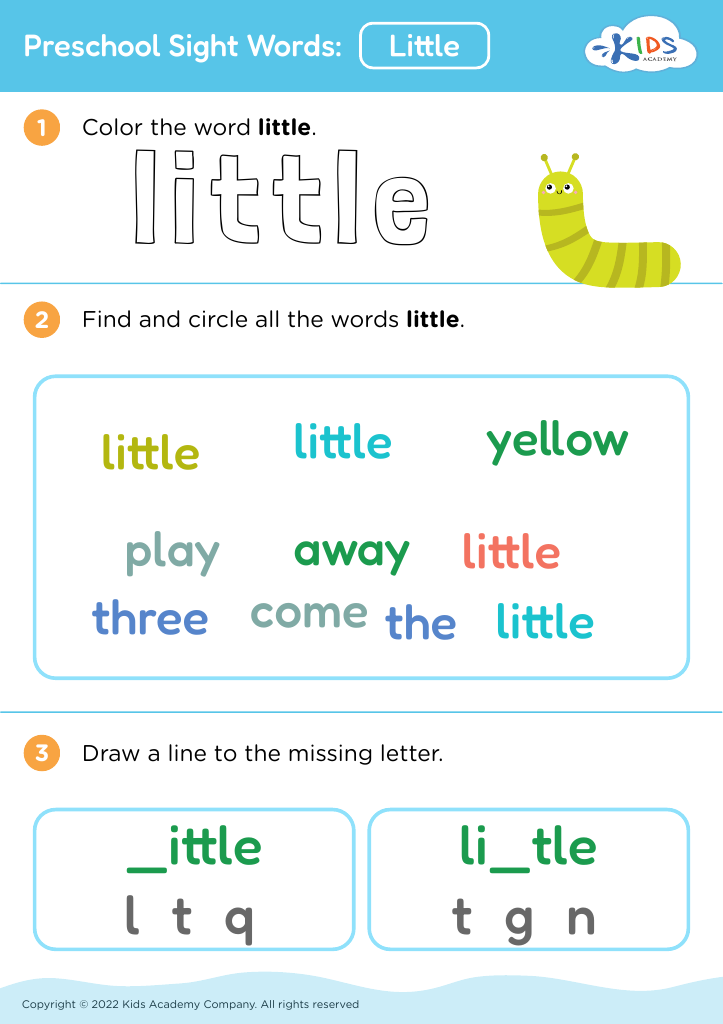
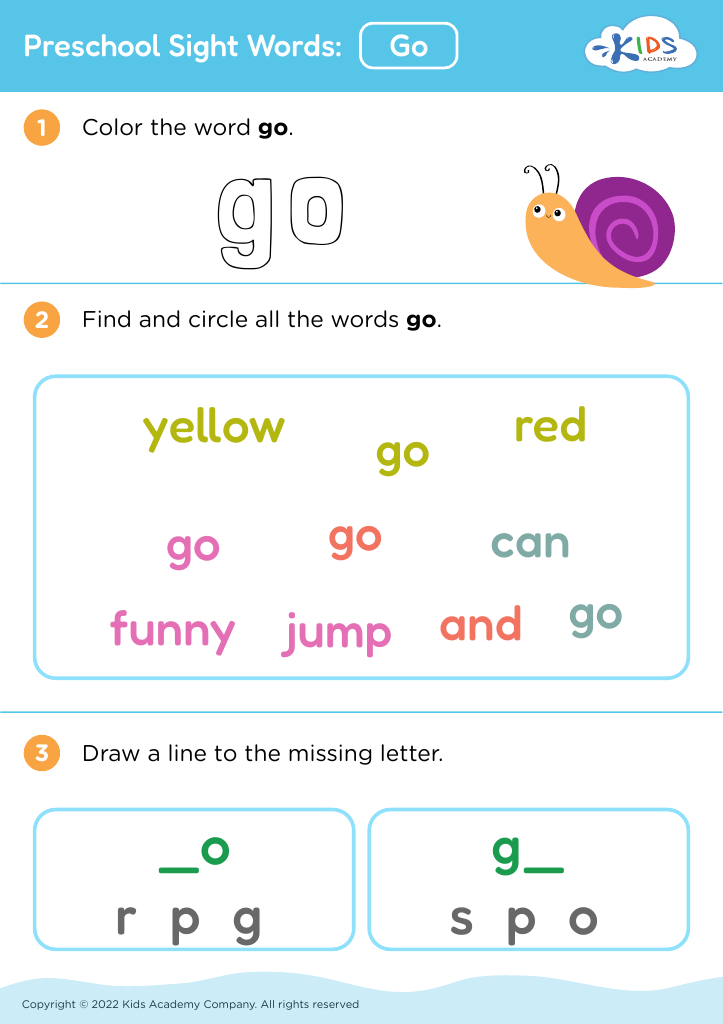
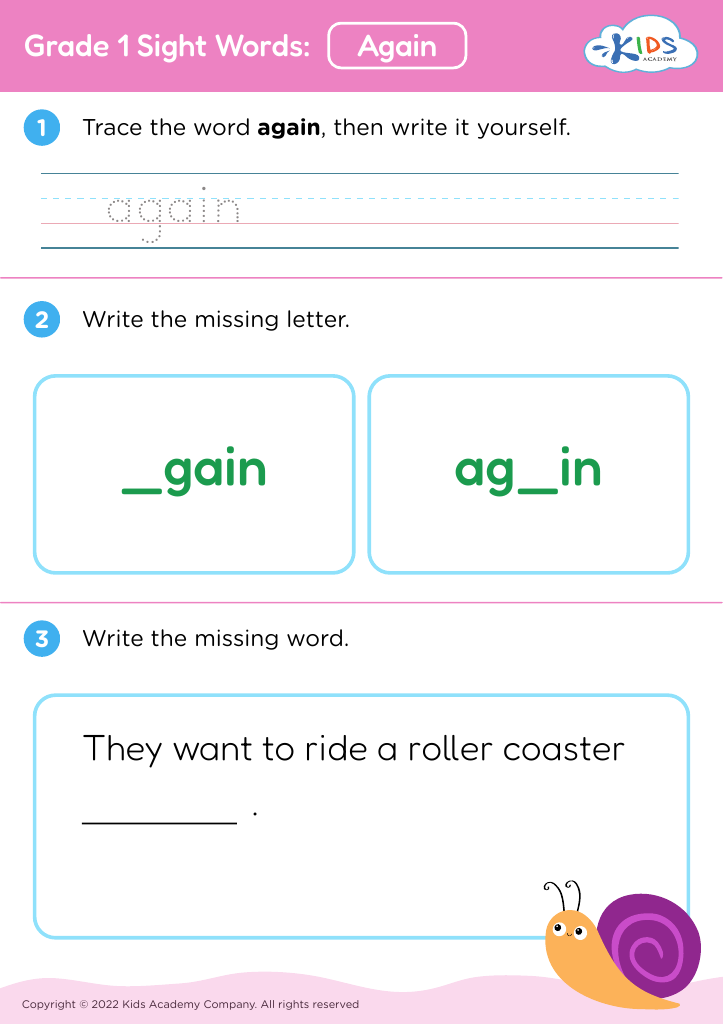
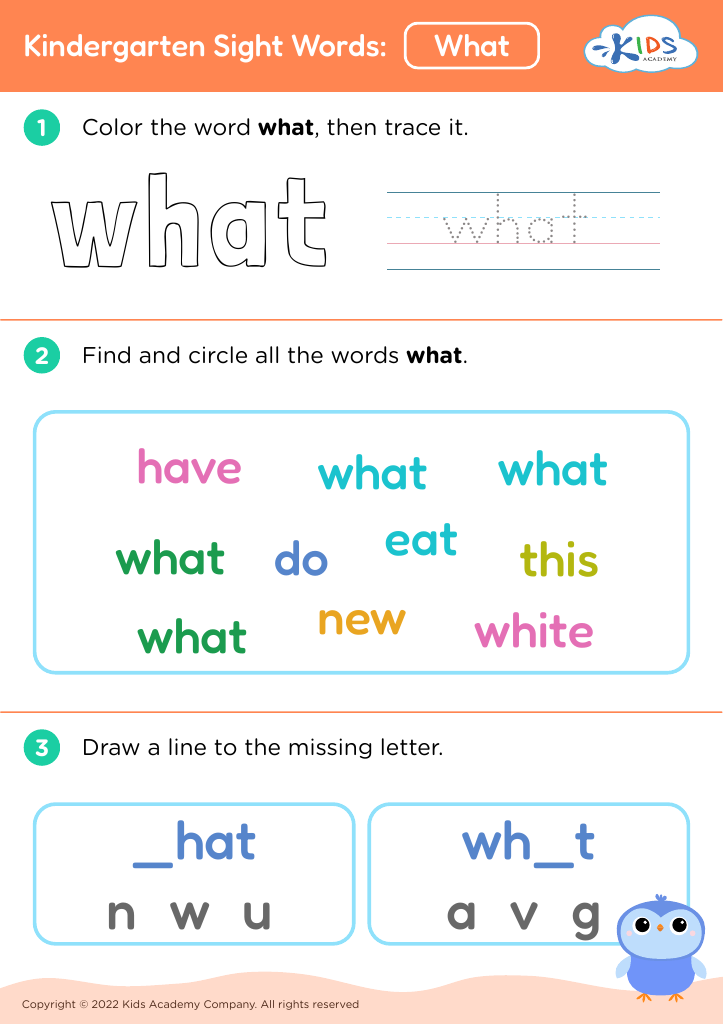
Enhance your child's vocabulary and critical thinking skills with our "Understanding Patterns" worksheets, designed for ages 3-9. These interactive resources engage young learners in recognizing and creating patterns while simultaneously expanding their word knowledge. Each worksheet is thoughtfully crafted to foster a love for learning, encouraging children to explore concepts through fun exercises. By connecting visual patterns with language, children will develop essential skills that will aid their reading and comprehension. Ideal for use in the classroom or at home, these worksheets provide a delightful way for kids to learn, creating a solid foundation for their future academic success.
Favorites
With answer key
Interactive











Join Kids Academy for Free
Who is primarily going to use this learning content?








Understanding patterns and building vocabulary are crucial developmental milestones for children aged 3-9. For parents and teachers, recognizing the importance of these areas is essential in fostering a strong foundation for future learning.
Firstly, understanding patterns helps children develop critical thinking and problem-solving skills. Children learn to recognize sequences, which enhances their ability to make connections in math and science. Identifying patterns also plays a significant role in literacy; for example, children can predict what comes next in a story or find rhythm in poetry, which boosts their comprehension.
Building vocabulary is equally important, as it directly influences a child's reading abilities and overall communication skills. A rich vocabulary enables children to express their thoughts clearly and understand instructions better. Moreover, a well-developed vocabulary lays the groundwork for higher academic achievement, as it correlates with better reading comprehension and writing skills.
Integrating activities that focus on both understanding patterns and vocabulary in daily routines can significantly benefit children’s learning experiences. Engaging in conversations, playing word games, or utilizing patterned materials (like blocks or art) can seamlessly weave these essential skills into everyday life. In conclusion, investing time in these areas cultivates well-rounded, confident learners equipped for academic success.








