Understanding subtraction Building Vocabulary Worksheets for Ages 3-9
3 filtered results
-
From - To
Welcome to our "Understanding Subtraction Building Vocabulary Worksheets" designed for children aged 3-9! These engaging worksheets enhance young learners' math skills while enriching their vocabulary. With colorful illustrations and interactive activities, kids will grasp subtraction concepts in a fun, approachable manner. Each worksheet aims to build confidence in mathematical reasoning and language, making it simple and enjoyable for children to connect words with numbers. Whether at home or in the classroom, these resources will encourage your child to explore the world of subtraction while expanding their vocabulary. Join us in making learning an exciting adventure for your little ones!
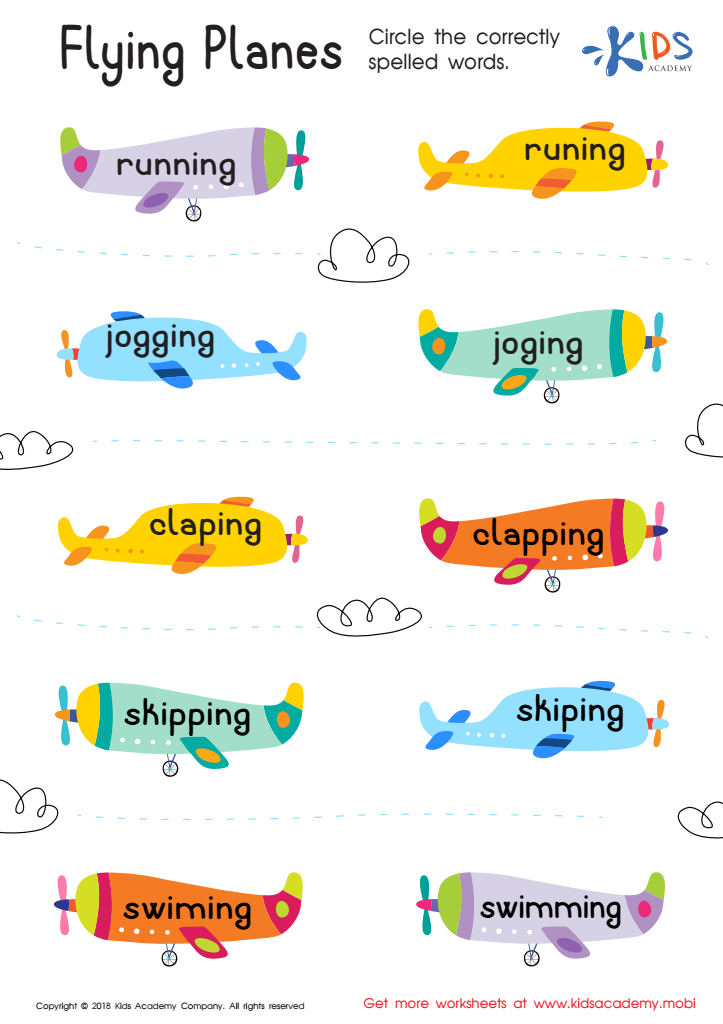
Flying Planes Worksheet
 Assign to My Students











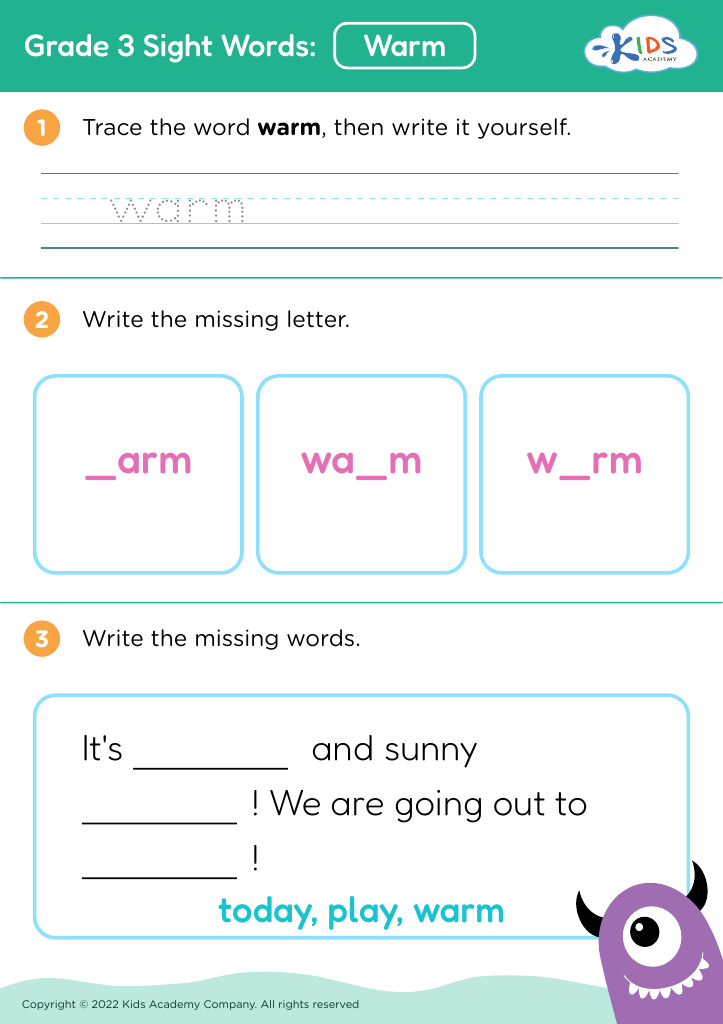
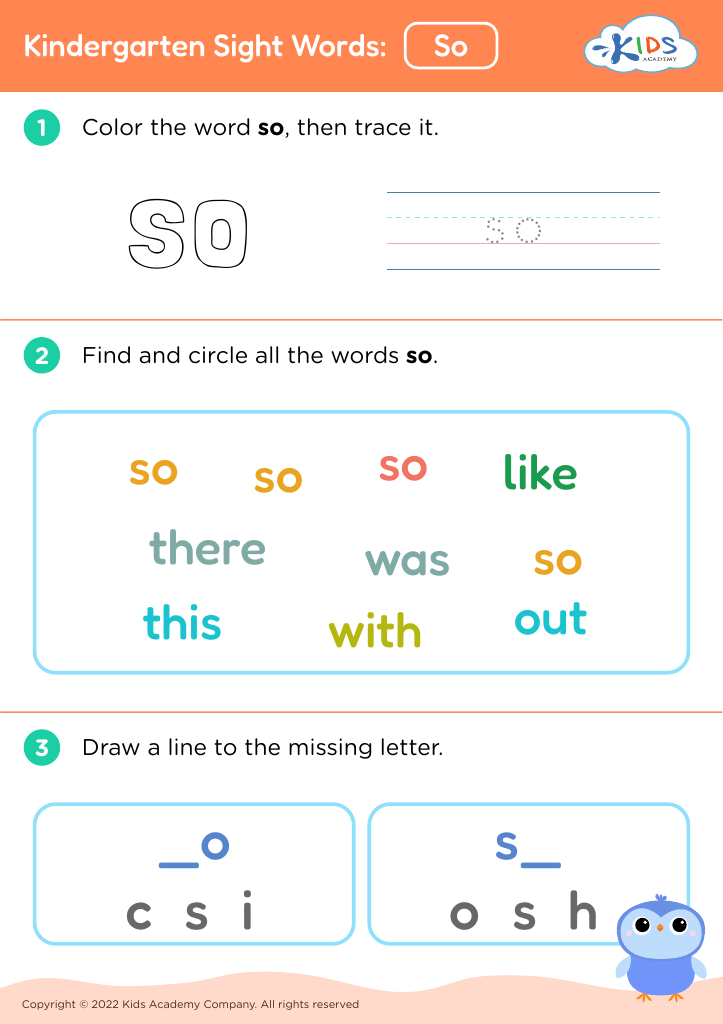



.jpg)

.jpg)


Understanding subtraction and building vocabulary are fundamental components of early education for children aged 3-9. First, subtraction is a critical mathematical concept that lays the foundation for all future math skills. Grasping subtraction helps children develop problem-solving abilities, logical thinking, and numeric literacy, essential for academic success. By engaging with subtraction through interactive activities, games, and visual aids, children build confidence and a positive attitude towards math.
However, mastering subtraction also requires a robust vocabulary. Words such as “take away,” “difference,” and “minus” play a significant role in shaping how children perceive and understand mathematical operations. When parents and teachers actively focus on vocabulary development, they provide children with the linguistic tools needed to articulate their thinking and reasoning in mathematical contexts. Improved vocabulary also enhances reading comprehension, allowing children to connect mathematical concepts with real-world situations.
By caring about these interconnected areas, parents and teachers contribute to creating a knowledge-rich environment, fostering greater engagement and enthusiasm for learning. In turn, this holistic approach supports children’s overall cognitive development, equipping them for future educational experiences and life’s challenges. Ultimately, attention to subtraction and vocabulary is vital for creating a solid and integrated learning foundation.








