
Word Recognition Building Vocabulary Worksheets for Ages 3-9
23 filtered results
Difficulty Level
Grade
Age
-
From - To
Subject
Activity
Standards
Unlock the power of reading with our engaging Word Recognition Building Vocabulary Worksheets for ages 3-9! Designed to cultivate essential literacy skills, these worksheets help young learners identify and understand new words in a fun and interactive way. Featuring colorful illustrations, phonics activities, and engaging exercises, children will enjoy honing their vocabulary while boosting their confidence in reading. Ideal for home or classroom use, our resources support early literacy development and foster a lifelong love of learning. Encourage your child's verbal growth today with our thoughtfully crafted worksheets that lay the foundation for successful reading experiences! Explore and watch their vocabulary thrive!
Favorites
With answer key
Interactive
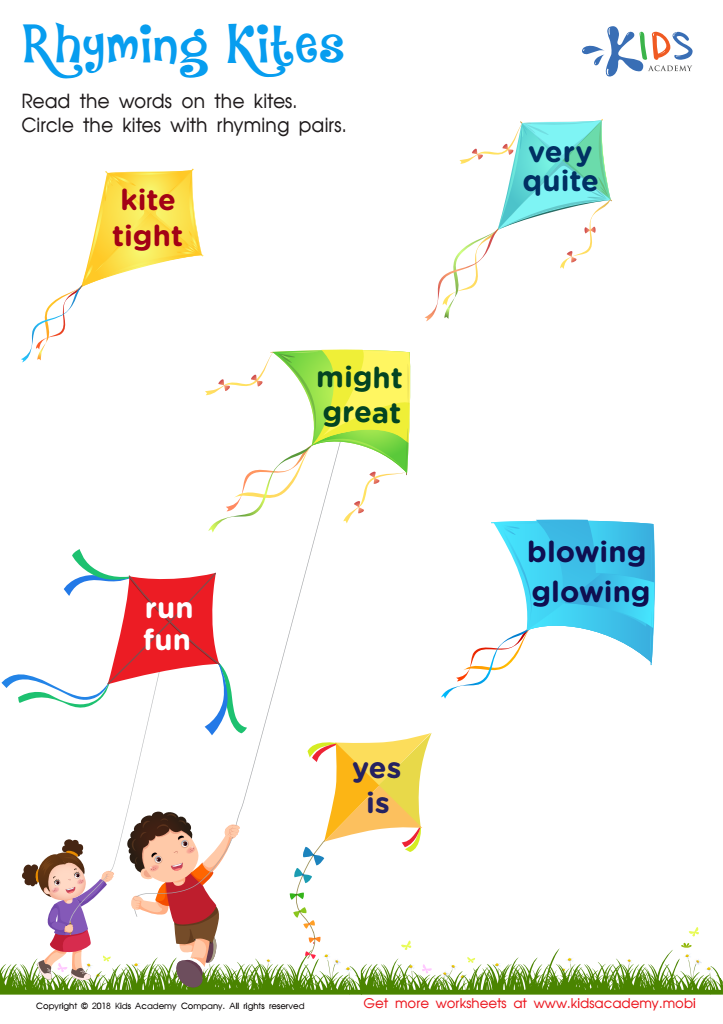
Rhyming Kites Worksheet
On a spring day, fly a kite! Kids Academy has a rhyming worksheet to boost your child's skills. Read the pairs of words aloud. Circle the kites if they rhyme, leave them blank if they don't. Listen carefully and find all the rhyming word pairs to complete this sheet!
Rhyming Kites Worksheet
Worksheet











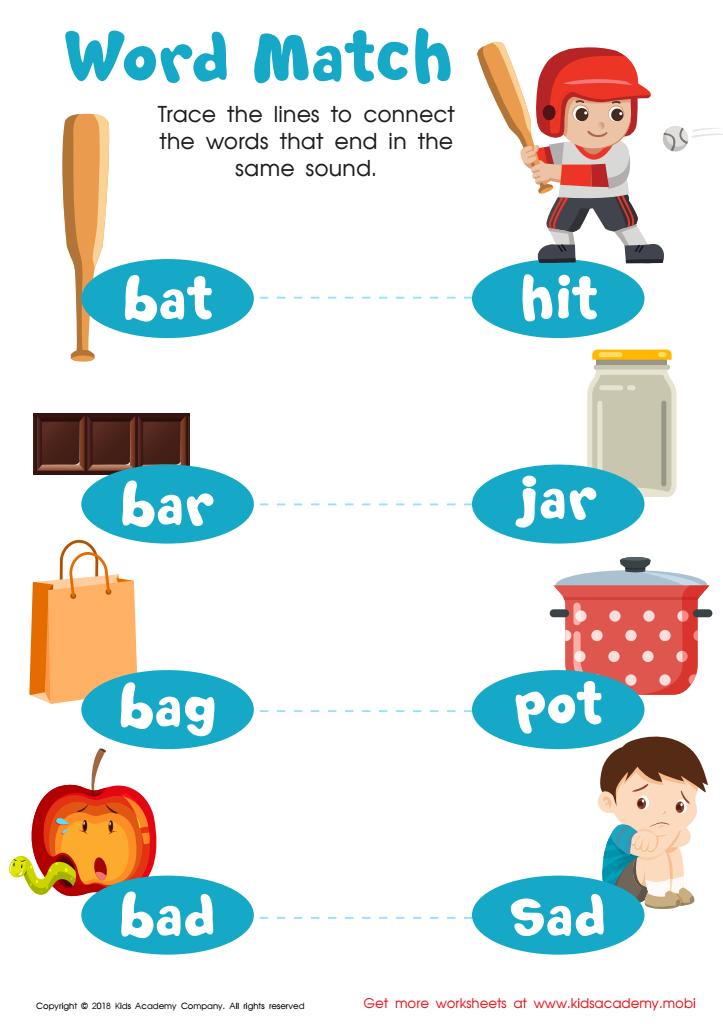
Word Match Reading Worksheet
This printout helps children learn to read fluently by connecting words with the same sound. Colorful pictures aid understanding and context for kindergarten-level students. Tracing lines, they learn to identify the sounds made by letters of the alphabet and deepen their knowledge of phonics.
Word Match Reading Worksheet
Worksheet
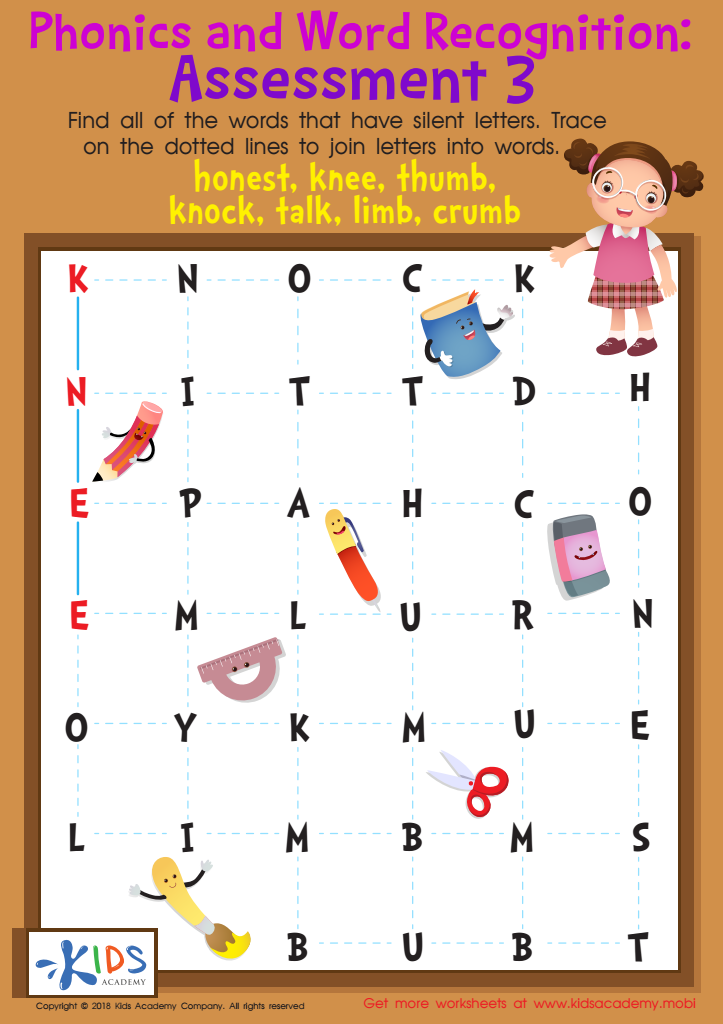
Phonics and Word Recognition: Assessment 3 Worksheet
Silent letters can be tricky for kids learning to read and write. Show them how they work with words like 'knee' and 'dumb'. Then, challenge them to come up with their own. Give them a worksheet with silent letters and trace the lines to join the letters into words.
Phonics and Word Recognition: Assessment 3 Worksheet
Worksheet
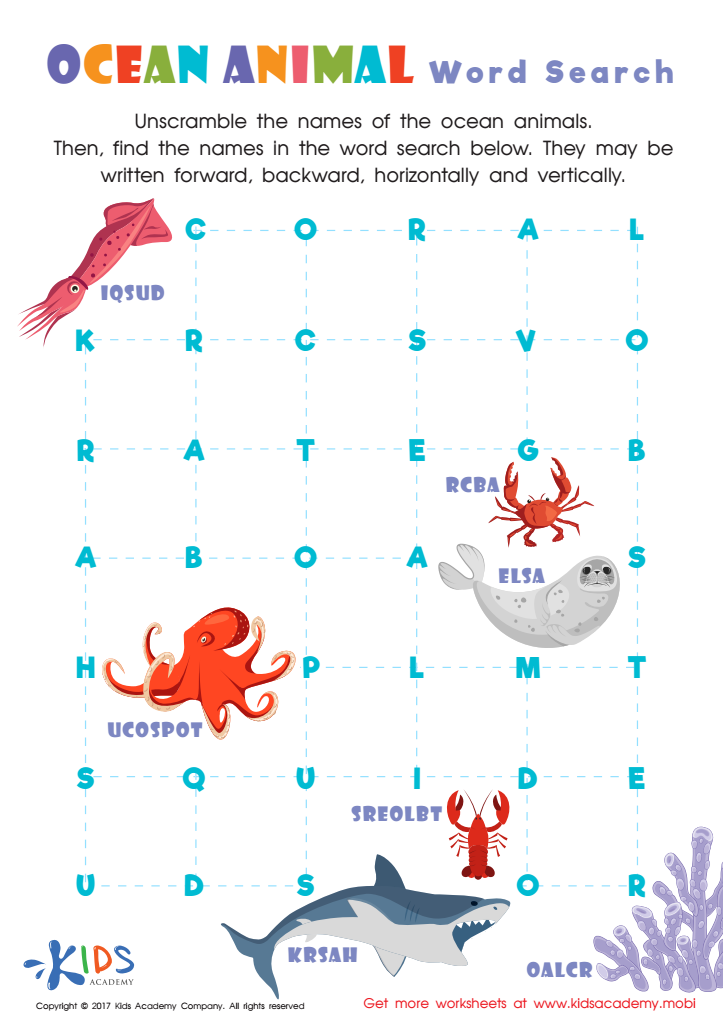
Ocean Animals Word Search Printable
Challenge your child to unscramble the names of ocean animals and find them in the word search. This ocean animals printable is a fun way to teach kids more about these fascinating creatures!
Ocean Animals Word Search Printable
Worksheet
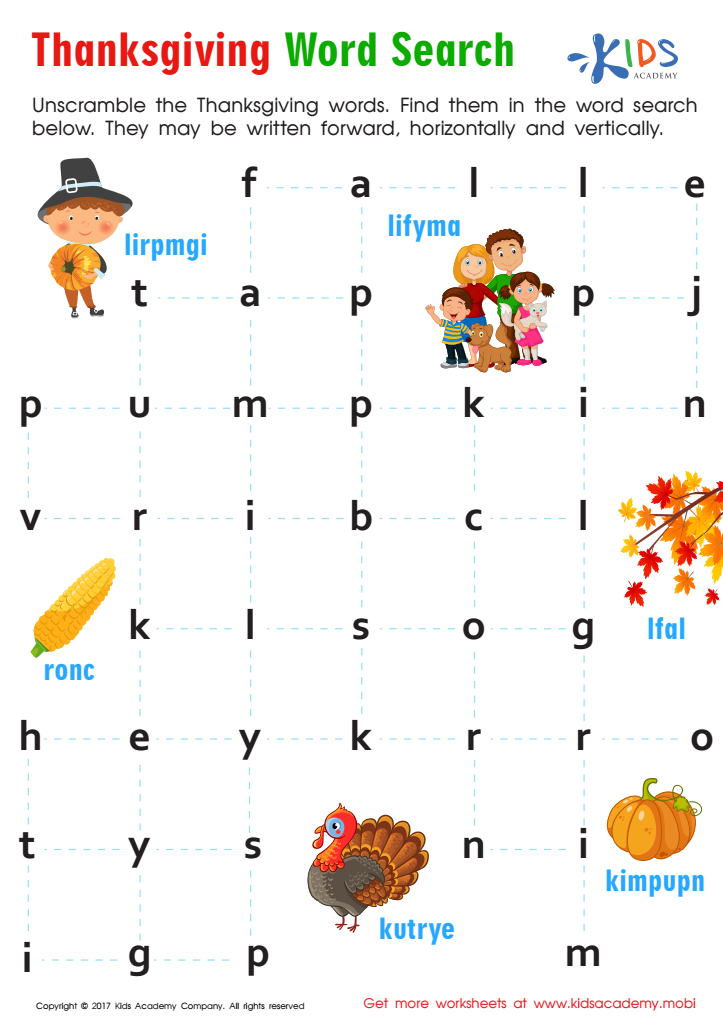
Thanksgiving Word Search Sight Words Worksheet
Unscramble letters to find Thanksgiving-themed sight words with this free worksheet! It's an exciting way to boost your child's reading skills. Download the PDF and enjoy!
Thanksgiving Word Search Sight Words Worksheet
Worksheet
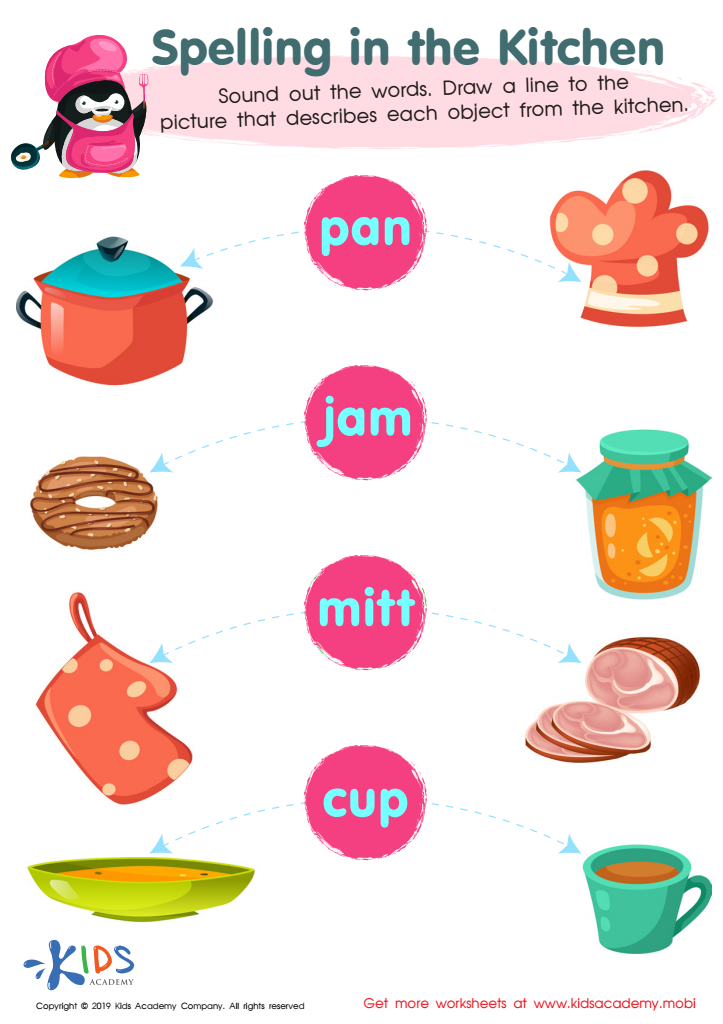
Spelling in the Kitchen Worksheet
Your little ones can learn a lot if they help in the kitchen. Get them to identify and say the name of each item in the picture in this worksheet. Sound out the words for them and help draw a line to the right picture. It's a great way for them to learn about kitchen items!
Spelling in the Kitchen Worksheet
Worksheet
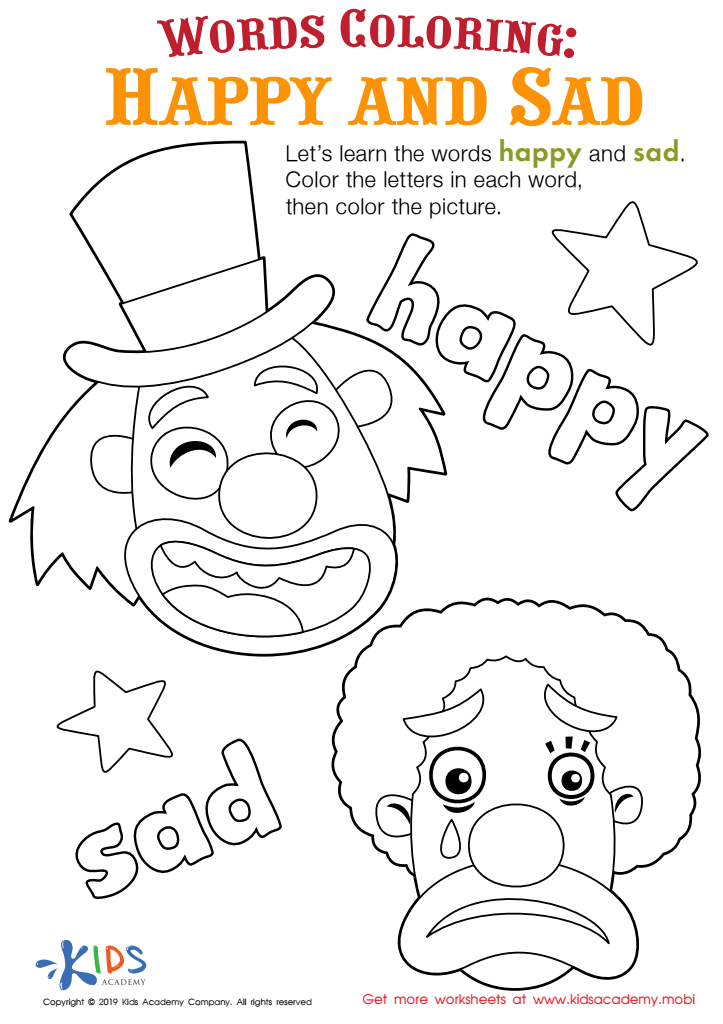
Happy and Sad Words Coloring Worksheet
Help students understand emotions by using this fun worksheet. It features smiling and sad clowns and the words 'happy' and 'sad'. Read the words with your students, then have them color the clowns and the emotion words. This PDF is an effective way to teach kids how to express how they feel.
Download (PDF)
 Assign to My Students
Assign to My Students
Happy and Sad Words Coloring Worksheet
Worksheet
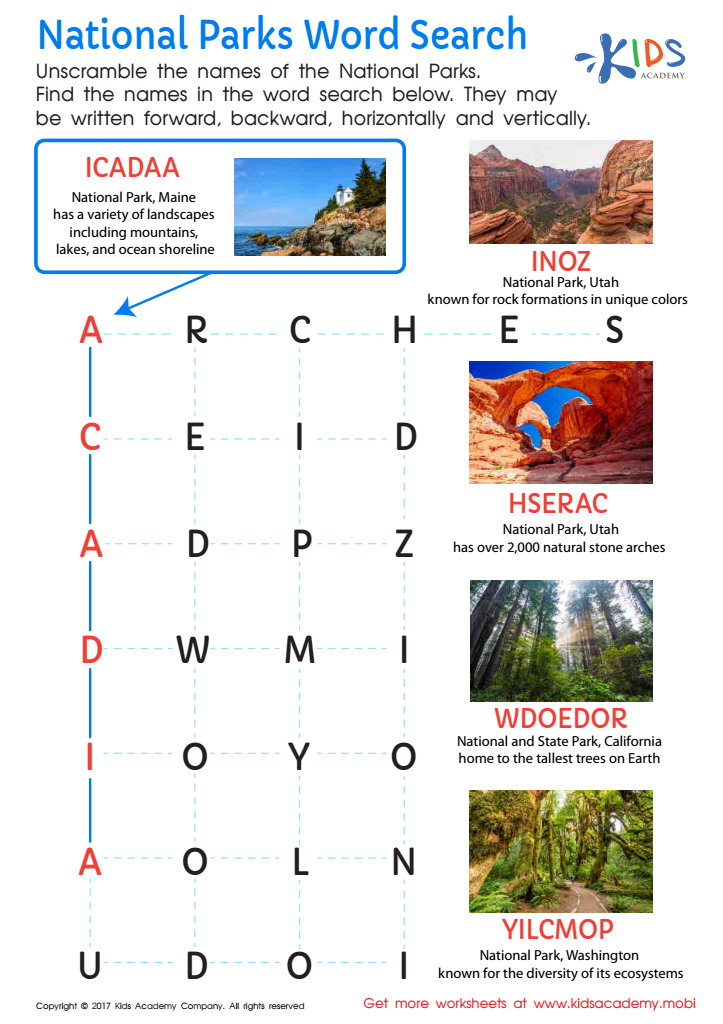
National Parks Word Search Worksheet
Explore the beauty of the USA’s national parks with this fun National Parks word search! Learn more about these majestic sites and boost your knowledge. Take a trip through the sights and sounds of our country with this motivating worksheet.
National Parks Word Search Worksheet
Worksheet
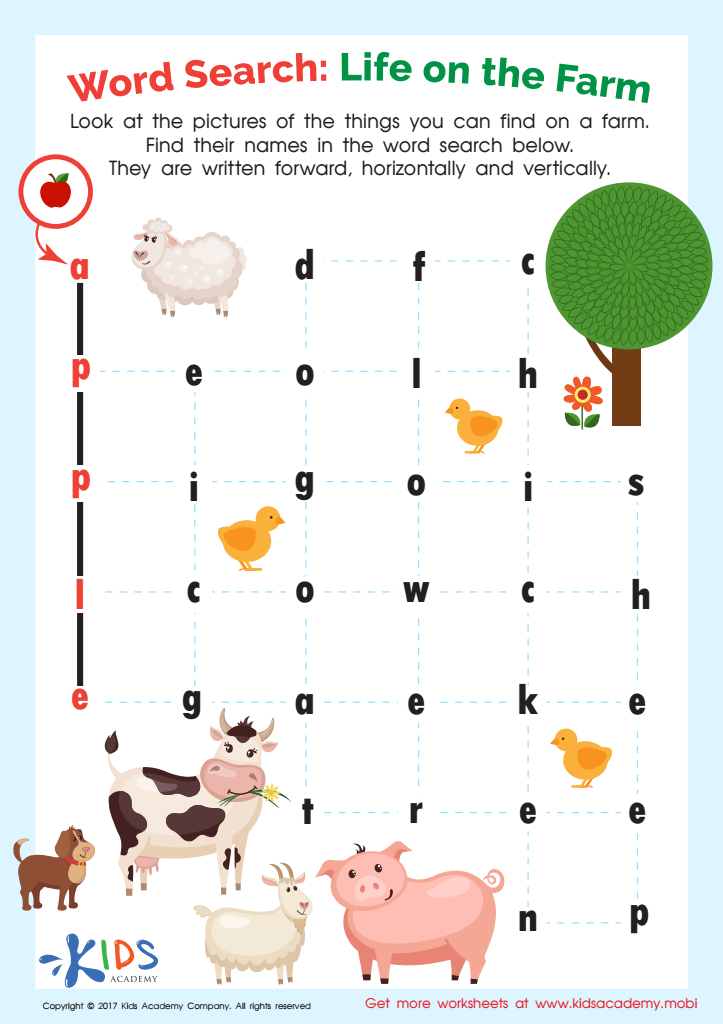
Word Search Puzzles Worksheet
2nd grade word search puzzles are great fun, helping kids flex their knowledge of words and spellings. Kids can use the pictures to find farm-themed words hidden on the page. It's a great way to learn!
Word Search Puzzles Worksheet
Worksheet
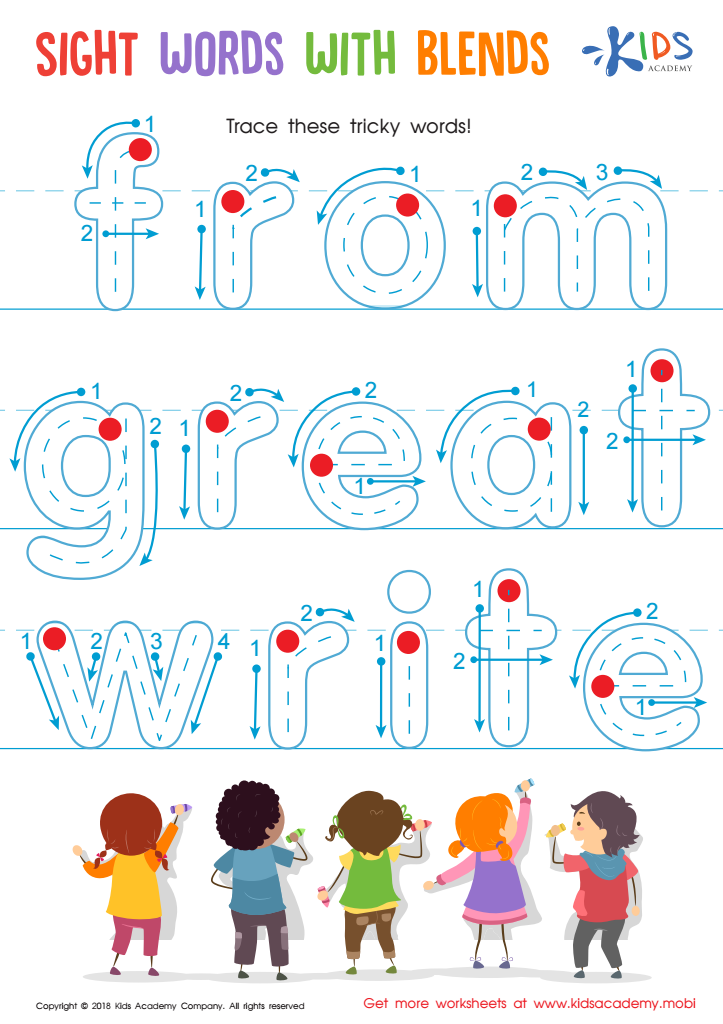
Sight Words with Blends Worksheet
This free PDF lets your children trace and write sight words with tricky blends. The guide numbers help them start from the top, building fine motor skills and enhancing sight word vocab. It's a great way to give your kids a solid foundation for reading!
Sight Words with Blends Worksheet
Worksheet
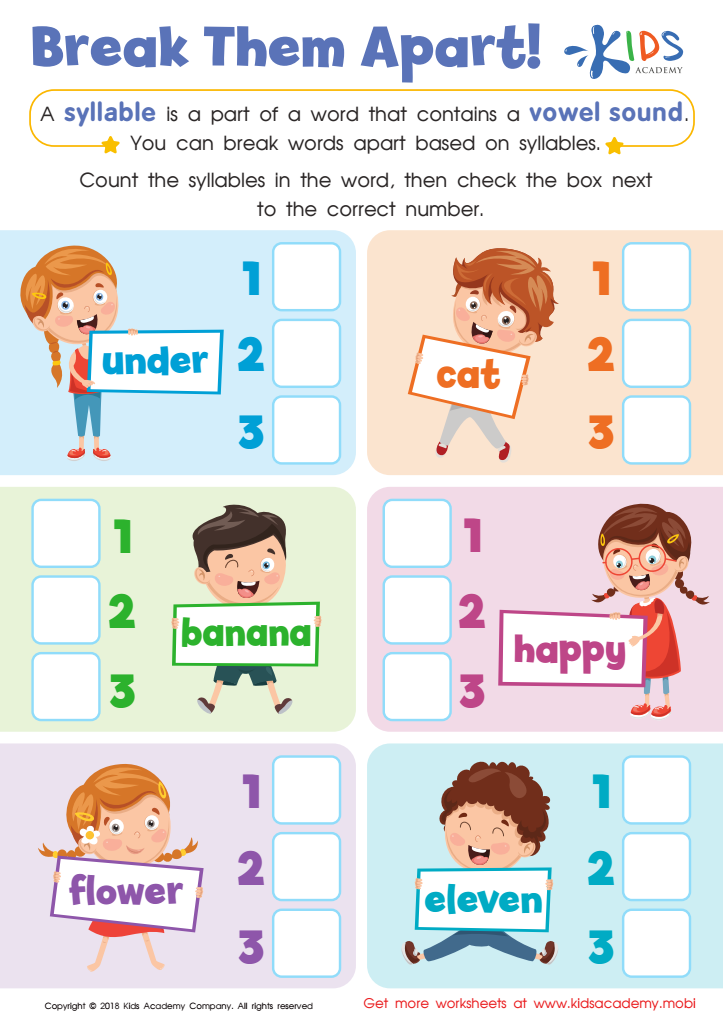
Reading: Break Them Apart Worksheet
See if students understand syllables with this fun worksheet. It teaches them that a syllable is a word part with a vowel sound. Kids read each word and choose how many parts it has. Doing this often helps them decode new words and gain confidence.
Reading: Break Them Apart Worksheet
Worksheet
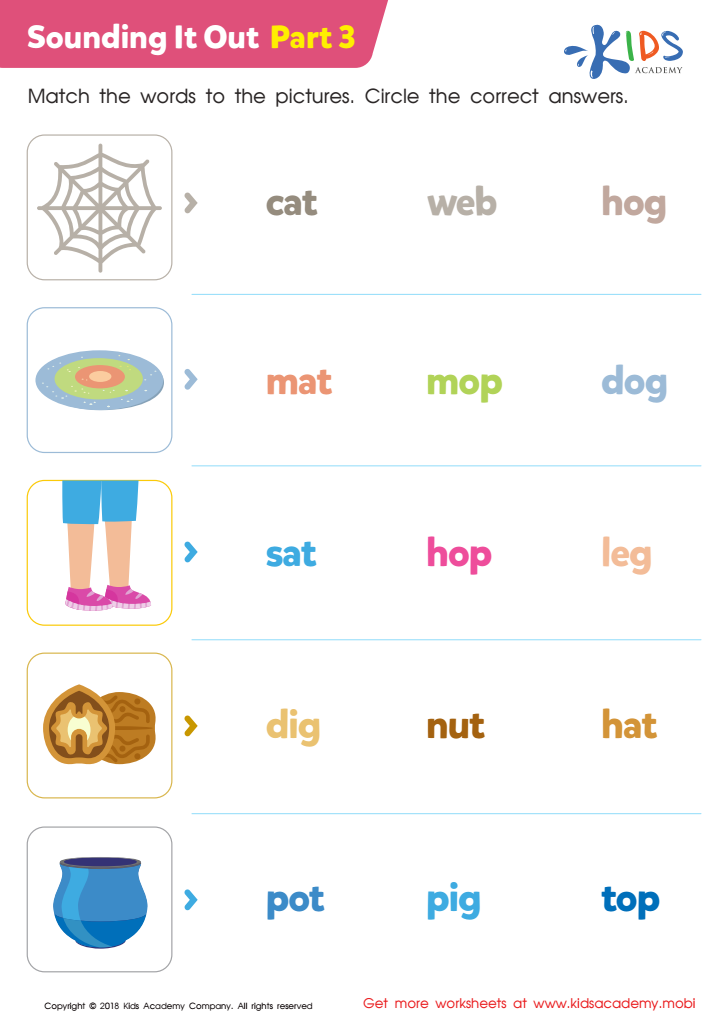
Sounding it Out: Part 3 Worksheet
Once Parts 1 and 2 are complete, this printable phonics worksheet will help kids take their reading skills to the next level! As they gain confidence, give them hints less often and direct their attention to three words in a row. Ask them to read and circle the correct word to complete!
Sounding it Out: Part 3 Worksheet
Worksheet
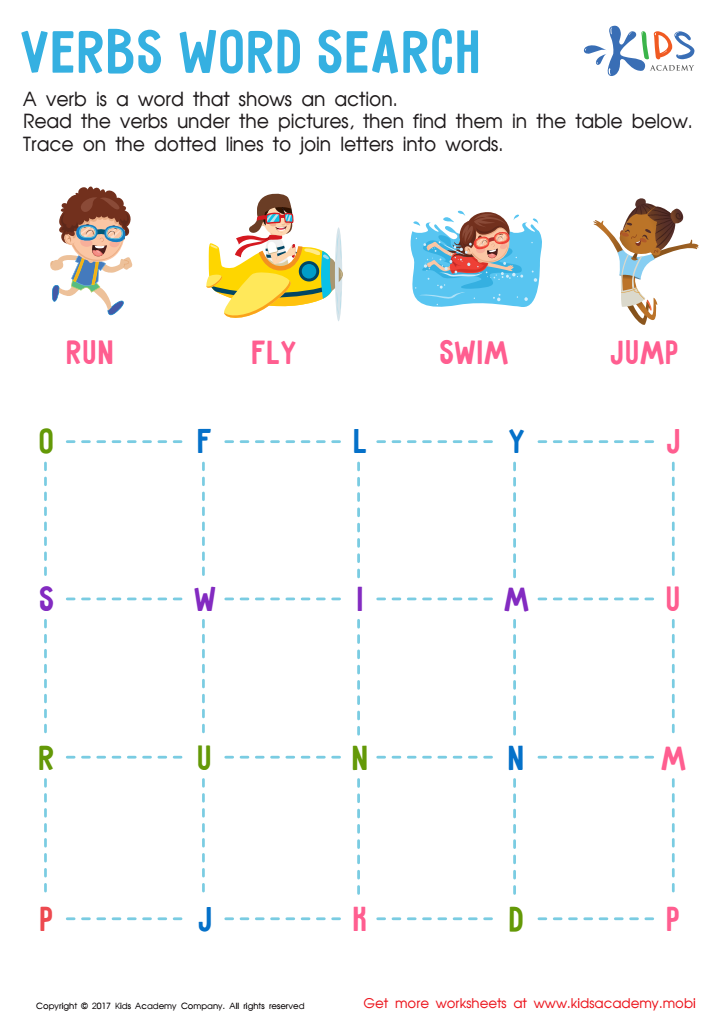
Verbs Word Search Worksheet
Ask your child if they understand the meaning of the word "verb". If not, explain that it's a word that shows an action. Give examples of familiar verbs. Then look at the pictures in the tracing sheet and read the words. Ask your child to follow the dotted lines to find the hidden words. Perfect tool to teach spot and use verbs!
Verbs Word Search Worksheet
Worksheet
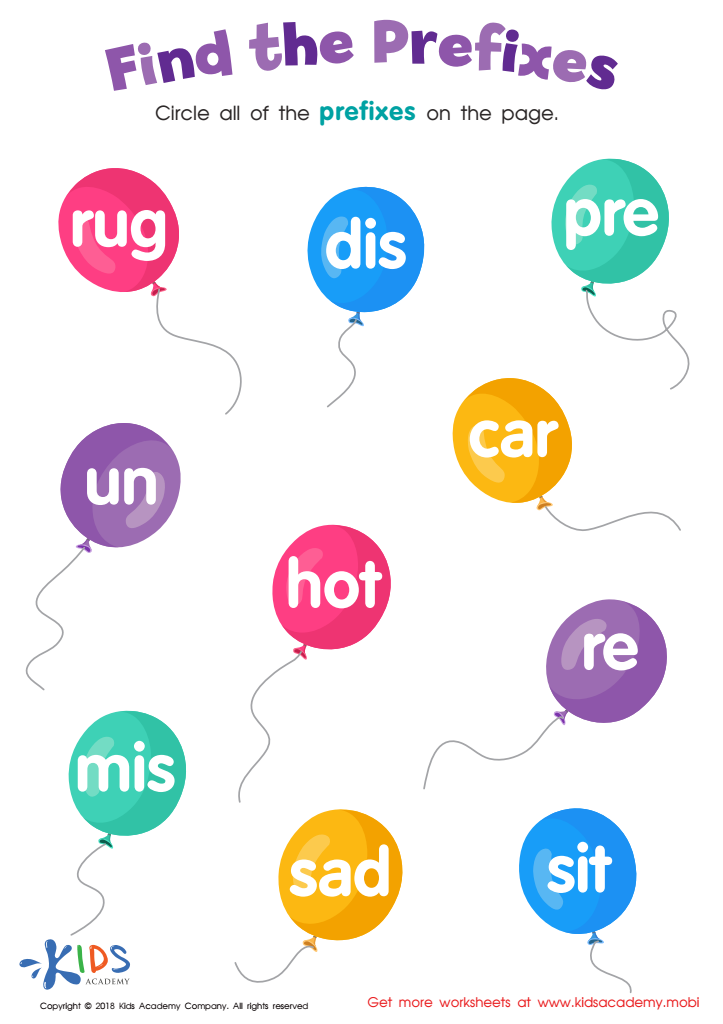
Reading: Find the Prefixes Worksheet
Students are asked to circle all prefixes on this worksheet and brainstorm a list of words that have them. It's a great tool for teaching vocabulary and helps students understand new and unfamiliar words by recognizing how prefixes change meaning.
Reading: Find the Prefixes Worksheet
Worksheet
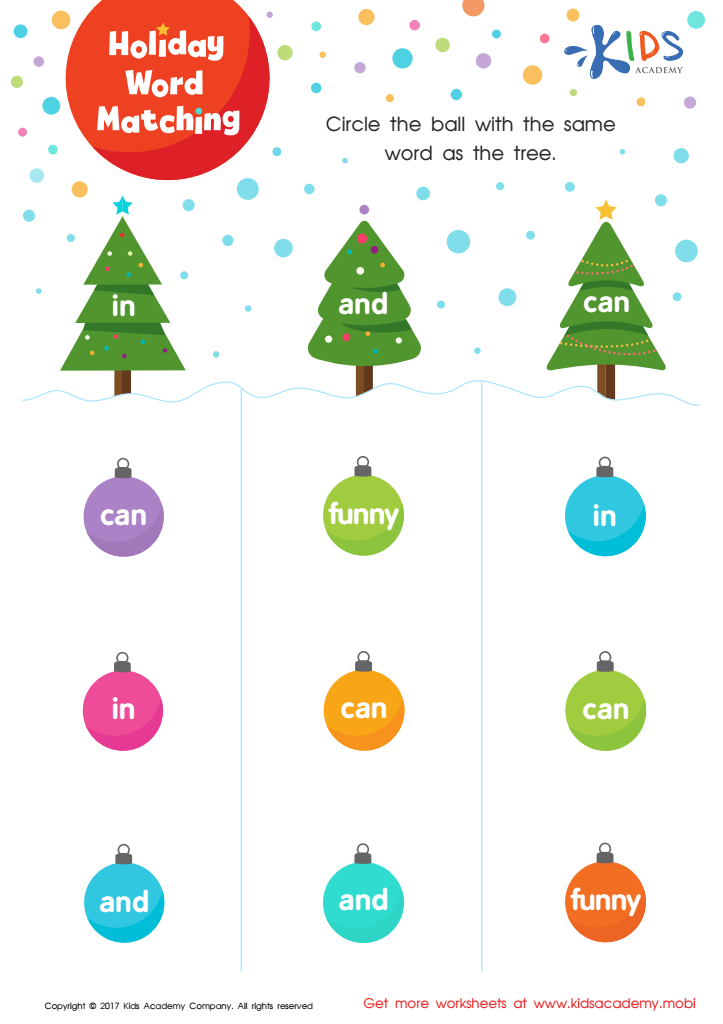
Holiday Word Matching Worksheet
Decorate with Kids Academy this year! Keep kids learning this holiday season with this festive worksheet. Let them look for sight words on Christmas trees then circle the matching ornament to decorate. It's a fun and educational way to enjoy the holidays!
Holiday Word Matching Worksheet
Worksheet
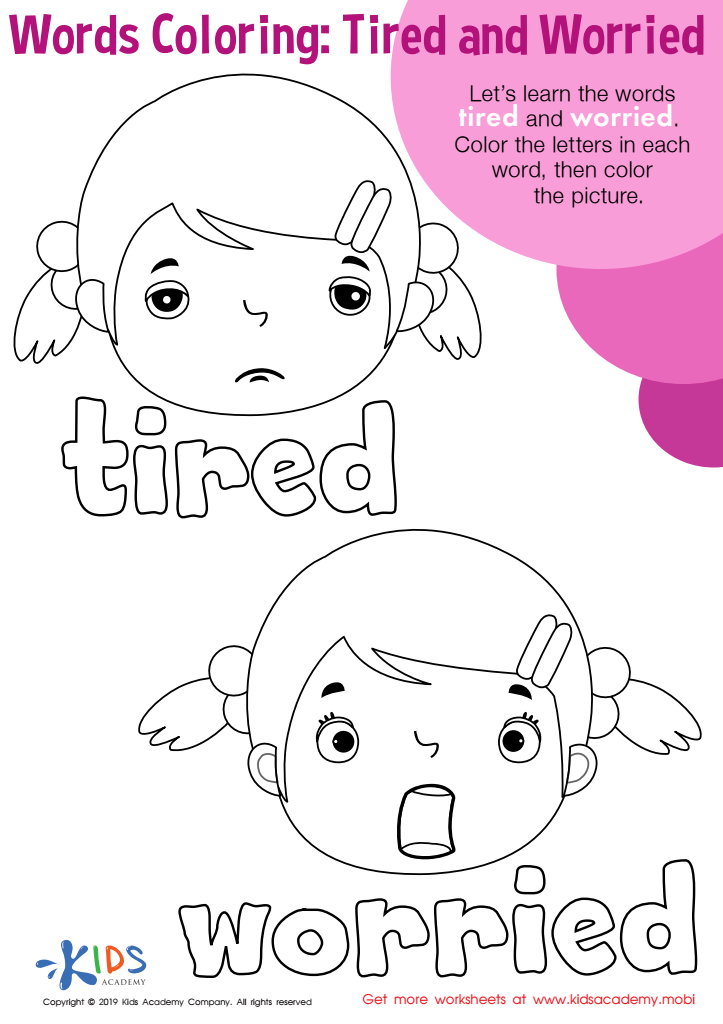
Tired and Worried Words Coloring Worksheet
Teach your students about "tired" and "worried" with this worksheet. Have them read and color the emotion words, then color the pictures of a tired girl and a worried girl. Discuss what makes them tired and worried. Expand their vocabulary with this fun coloring activity!
Download (PDF)
Assign to My Students
Assign to My Students
Tired and Worried Words Coloring Worksheet
Worksheet
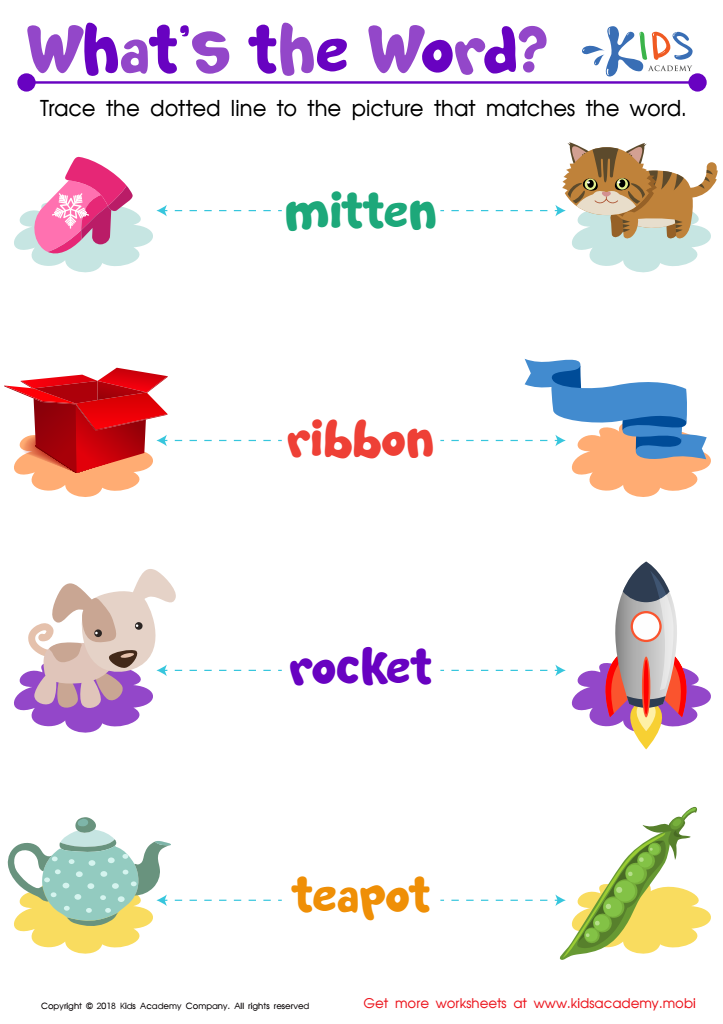
Reading: What's Word Worksheet
Teaching reading? This worksheet can help! Students read the word and draw a line to the picture for clues if needed. This will boost their vocabulary and fluency, increasing confidence and reading skills. Watch their progress as new words are added!
Reading: What's Word Worksheet
Worksheet
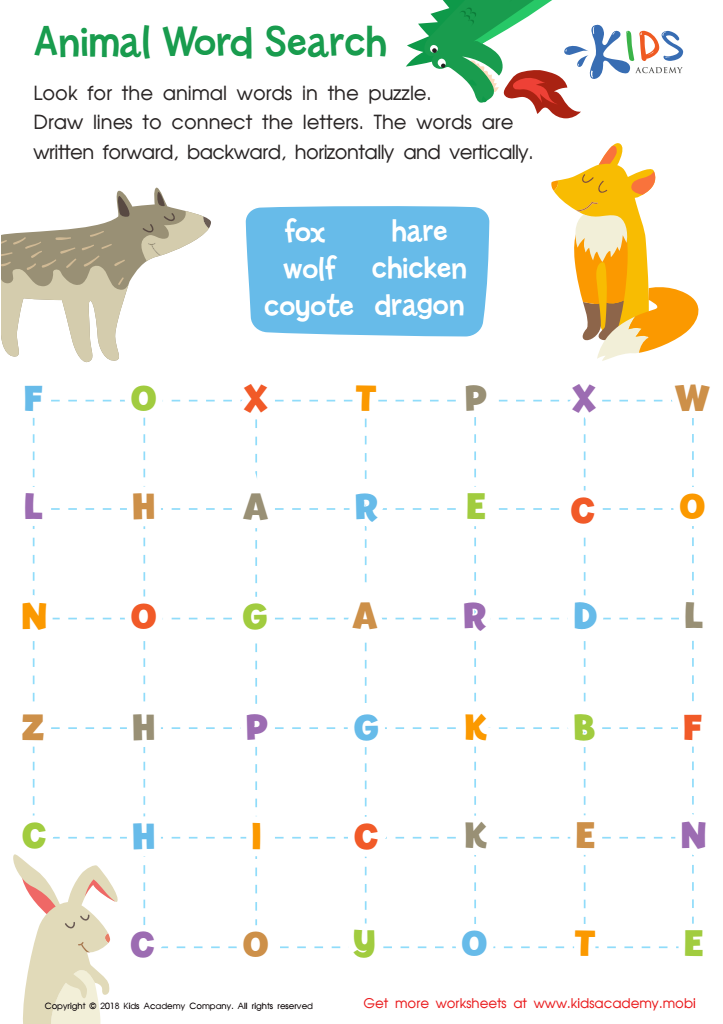
Animal Word Search Worksheet
Students can have fun and strengthen spelling and vocabulary skills with this word search worksheet. Search for animal words and circle the letters in the puzzle. Words can be found forwards, backwards, horizontally or vertically, providing a great challenge to foster critical thinking skills. An enriching activity for all ages!
Animal Word Search Worksheet
Worksheet
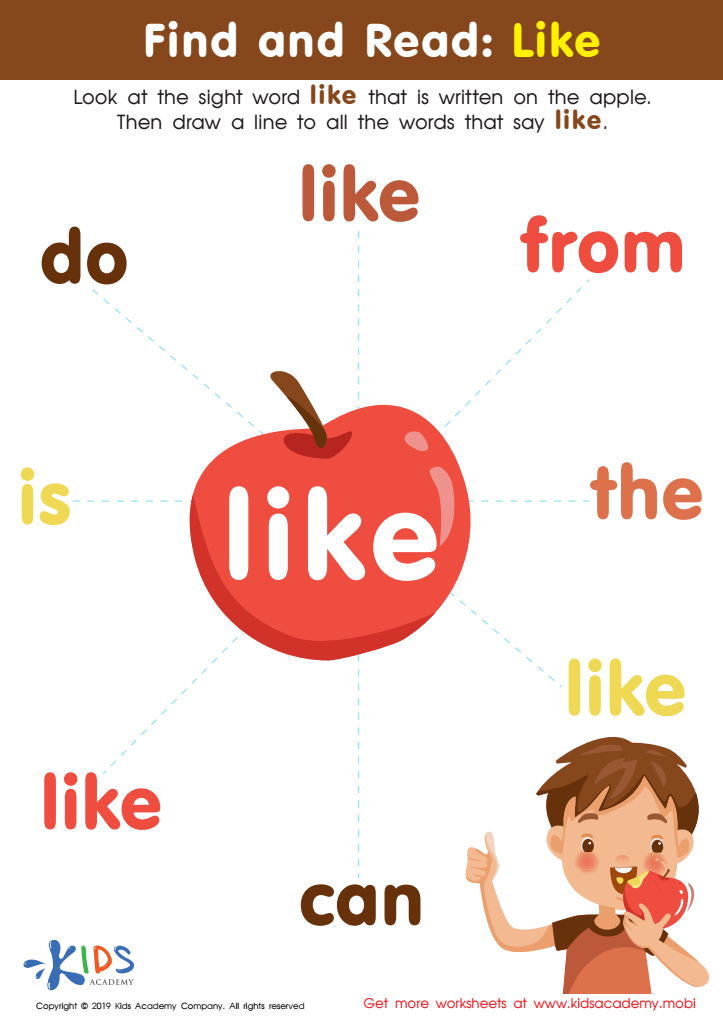
Find and Read: Like Worksheet
Reading starts with learning sight words. This free PDF worksheet helps kids learn the word "like" in various ways. It encourages their visual discrimination skills with its colorful design and traceable lines. It's a great way to help them recognize and differentiate this common sight word from other words that look similar.
Find and Read: Like Worksheet
Worksheet
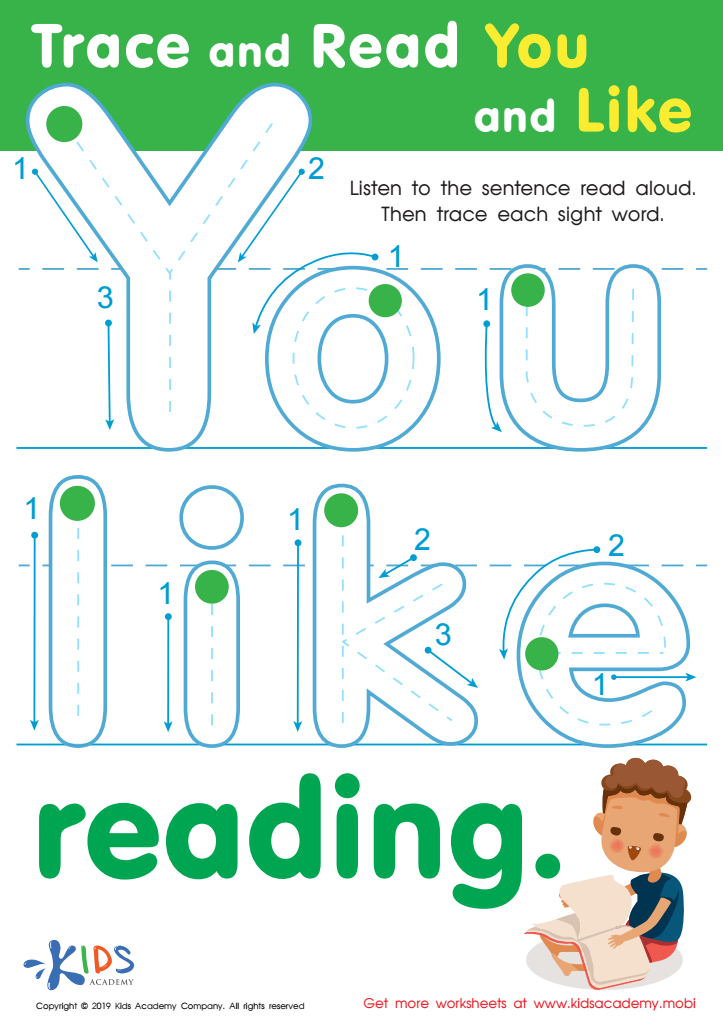
Trace Read You Like Worksheet
Sight words help children become confident and fluent readers. This free worksheet encourages success with basic 'you' and 'like' words. Writing them with traceable lines and green dots shows motion and builds sight word vocabulary. Help your child master the basics and boost their reading progress!
Trace Read You Like Worksheet
Worksheet
Join Kids Academy for Free
Who is primarily going to use this learning content?



.jpg)




Word recognition and vocabulary building are foundational skills essential for children aged 3-9 as they significantly influence overall literacy development. At this age, children are rapidly absorbing language and developing communication skills; fostering word recognition helps them identify and comprehend written words, leading to improved reading fluency. As they encounter varied vocabulary in stories and conversations, it broadens their understanding of the world around them.
Parents and teachers play a crucial role in facilitating this learning. Engaging activities, such as reading aloud, interactive discussions, and playful word games can make vocabulary building enjoyable, creating positive associations with learning. A rich vocabulary not only enhances reading comprehension but also enables children to express their thoughts and feelings more effectively, promoting social and emotional development.
Additionally, strong word recognition paired with a diverse vocabulary is linked to academic success. Children with well-developed language skills often perform better in school, as they can understand instructions, engage with content, and articulate ideas with confidence. By prioritizing word recognition and vocabulary development, parents and teachers empower children to become capable communicators, critical thinkers, and lifelong learners, setting the foundation for their future educational experiences.








