Understanding context Reading Fiction Worksheets for Ages 3-9
5 filtered results
-
From - To
Unlock the magic of storytelling with our "Understanding Context" Reading Fiction Worksheets, designed specifically for children ages 3-9! These engaging worksheets help young learners develop essential reading comprehension skills by focusing on context clues within fictional texts. Our fun and interactive activities encourage critical thinking and boost confidence in interpreting stories. Perfect for classrooms or at-home learning, these resources promote a love for reading while enhancing vocabulary and comprehension. With colorful illustrations and age-appropriate content, children will enjoy their reading journey as they explore various narratives and deepen their understanding of context. Dive into the adventure of reading today!
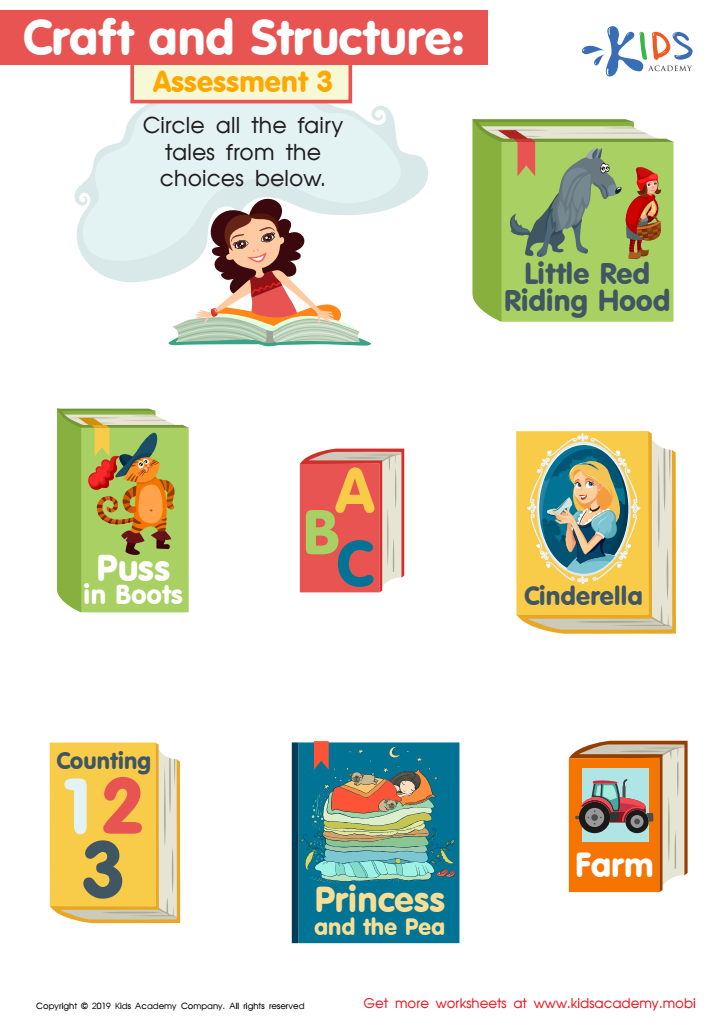
Craft and Structure: Assessment 3 Worksheet
 Assign to My Students
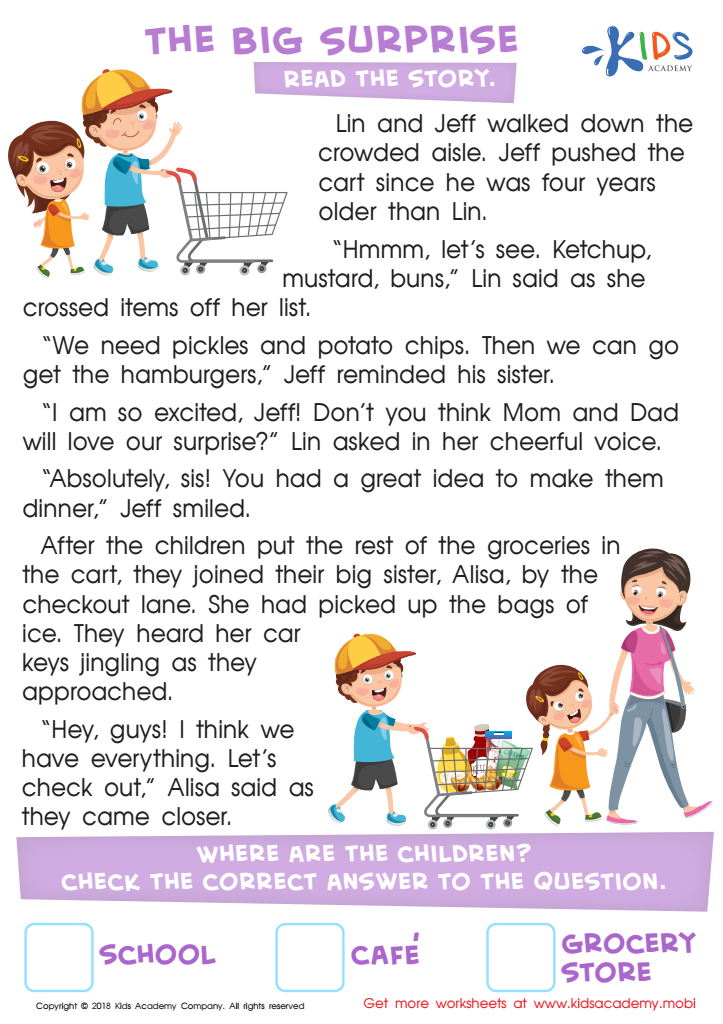
The Big Surprise Worksheet
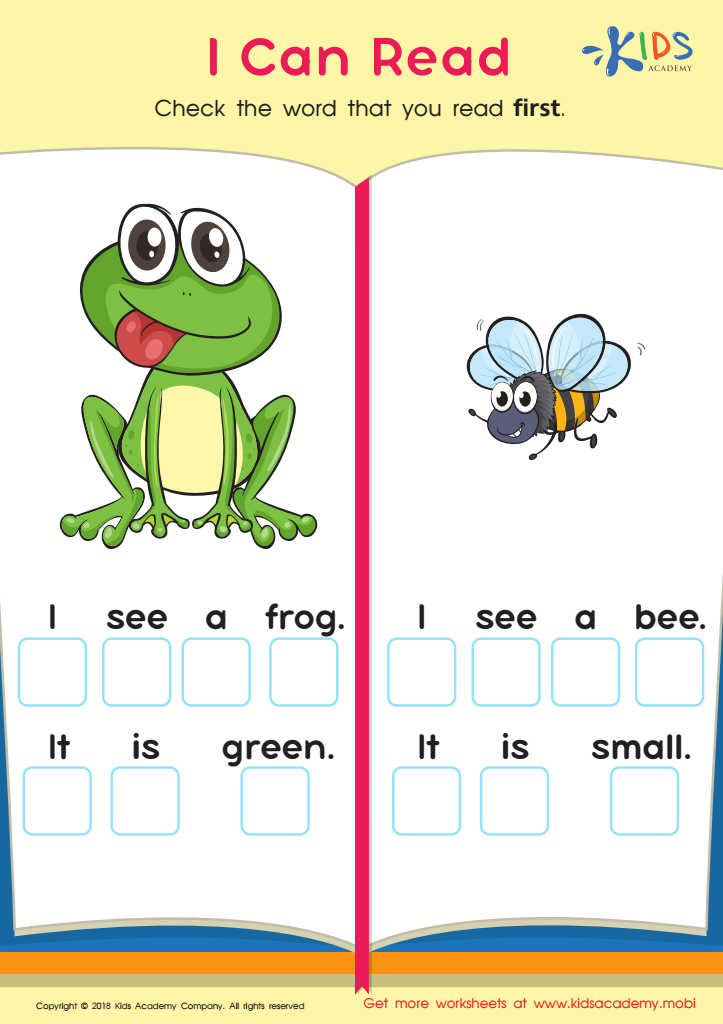
I Can Read Worksheet
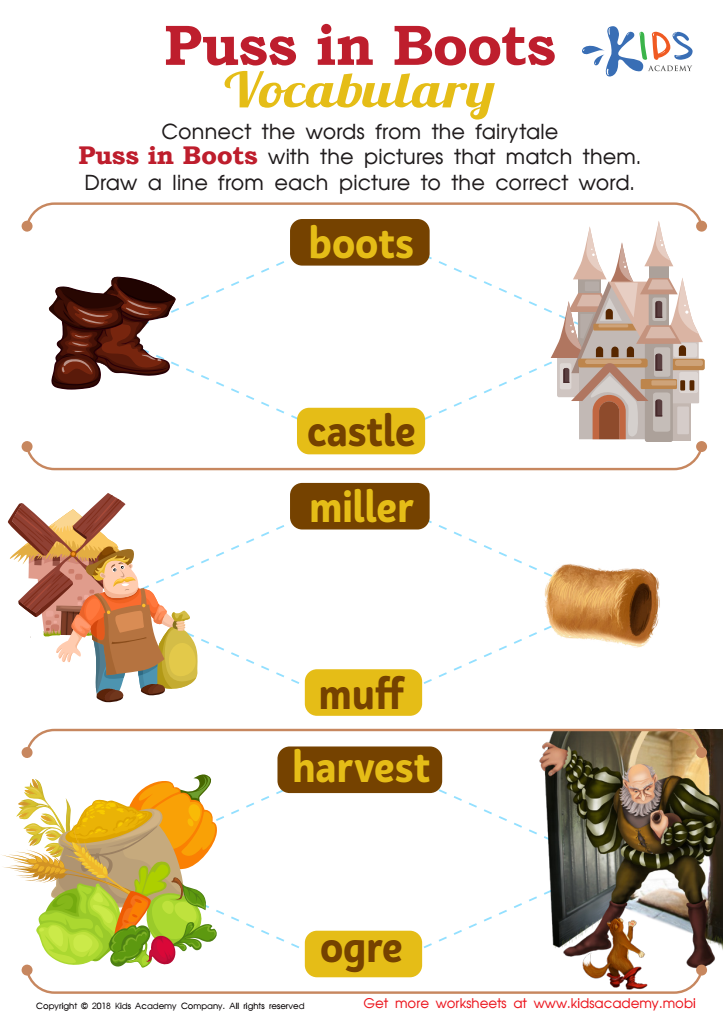
Puss in Boots Vocabulary Worksheet
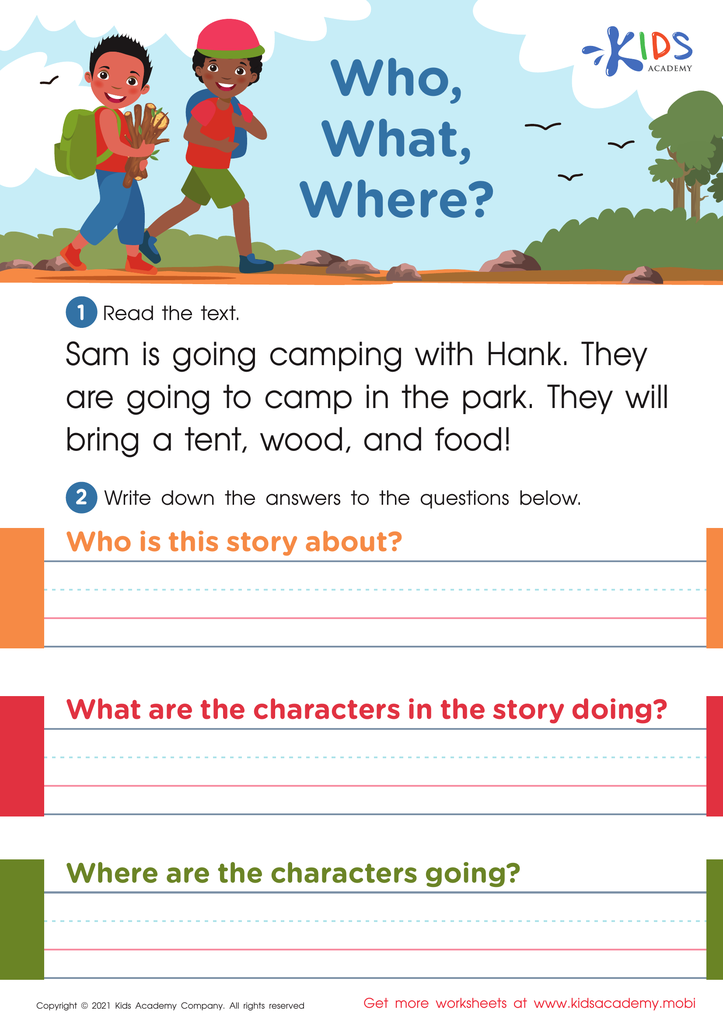
Who, What, Where? Worksheet



.jpg)

.jpg)


Understanding context in reading fiction is crucial for children aged 3-9, as it enriches literacy development and fosters cognitive skills. For parents and teachers, recognizing context enhances comprehension, allowing children to grasp storyline subtleties, character motivations, and the emotional undercurrents of narratives. When children grasp the situational and cultural contexts within stories, they develop critical thinking skills, enabling them to analyze and contextualize information in their own experiences.
Additionally, contextual understanding cultivates empathy. By exploring varied characters and scenarios, children learn to understand diverse perspectives, preparing them for social interactions and fostering emotional intelligence. This creates a fertile ground for conversations about morals, values, and societal norms, essential for holistic education.
Moreover, grasping context supports vocabulary growth, critical for their overall academic progression. As children engage with richer narratives, they encounter new language concepts that enhance their verbal skills and educational toolkit.
Finally, taking the time to explore context during reading fosters a love for literature. Encouraging discussions about characters' motives and settings makes reading engaging and encourages lifelong curiosity and enjoyment in exploring new narratives. Investing time in understanding context ultimately lays the foundation for adept, empathetic thinkers equipped for future challenges.








