Number identification Sight Words Worksheets for Ages 3-9
5 filtered results
Difficulty Level
Grade
Age
-
From - To
Subject
Activity
Standards
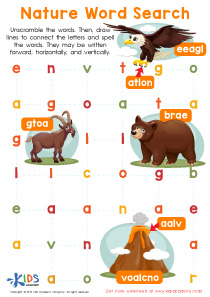
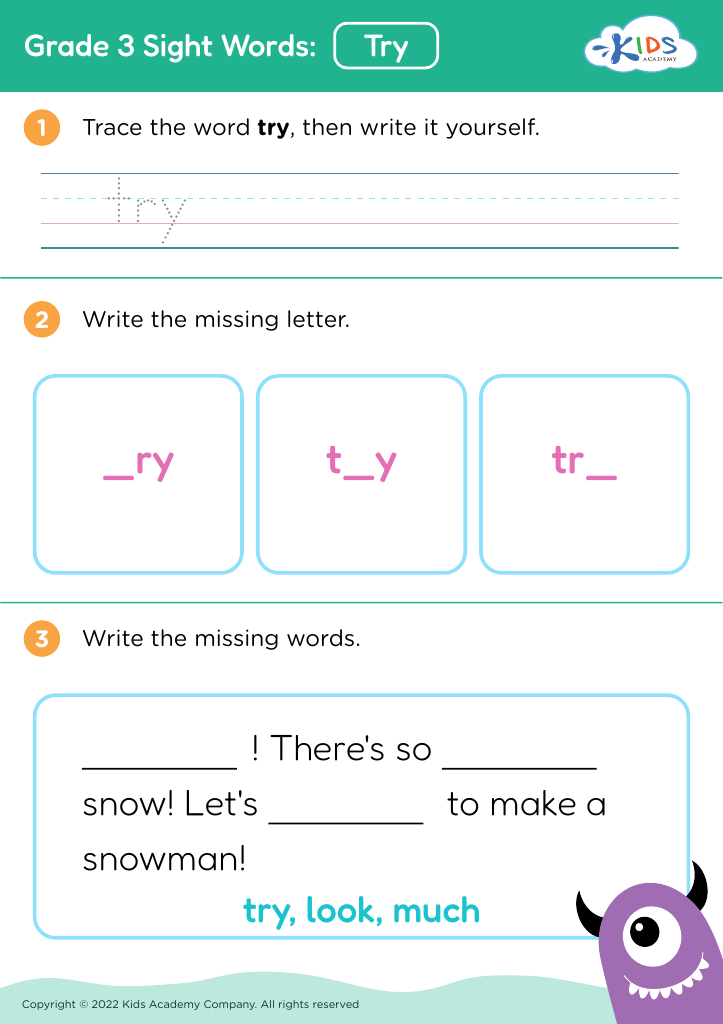
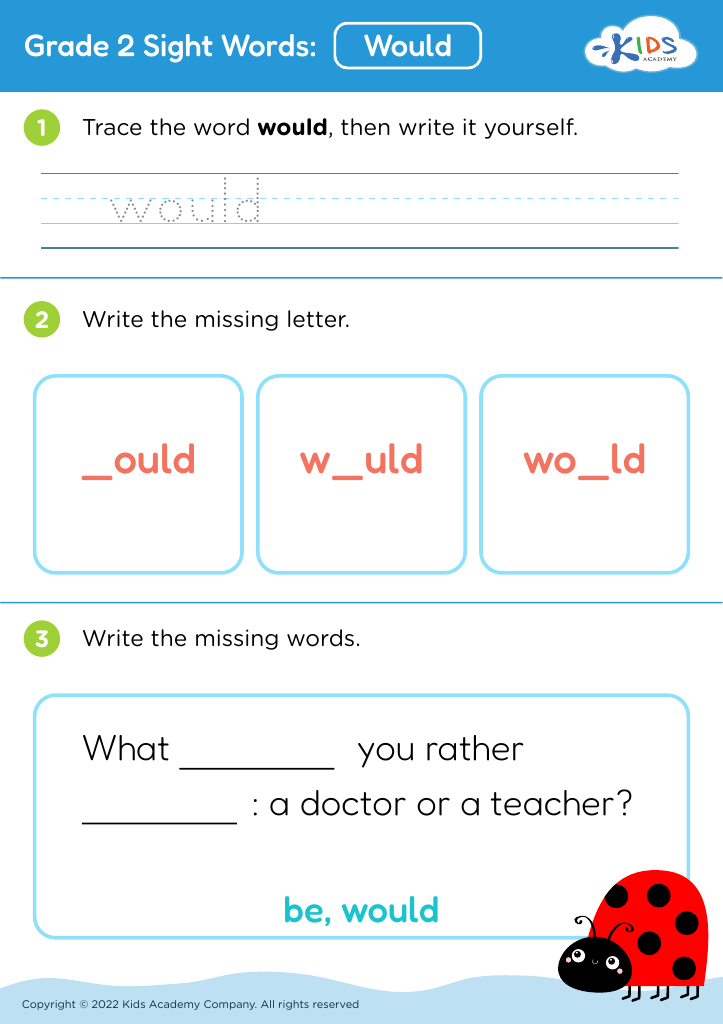
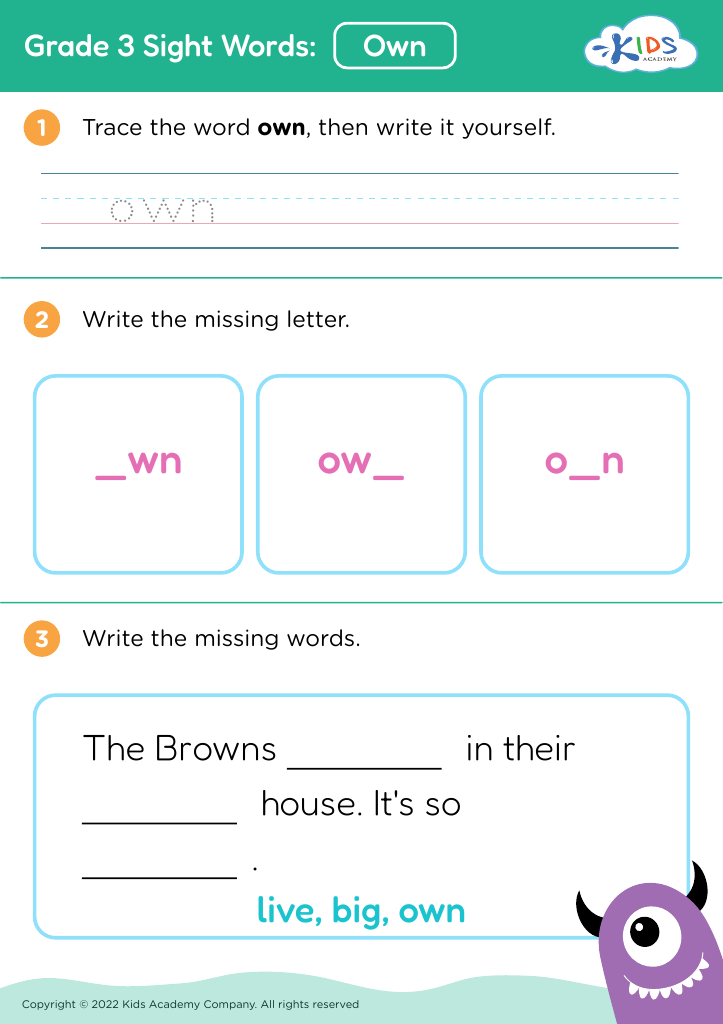
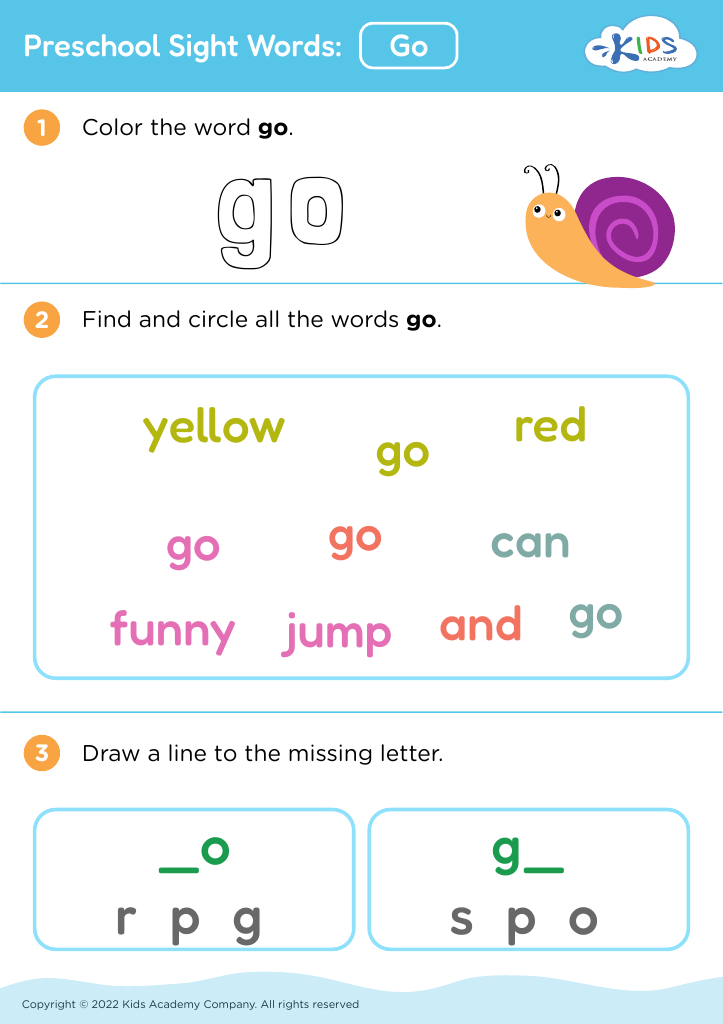
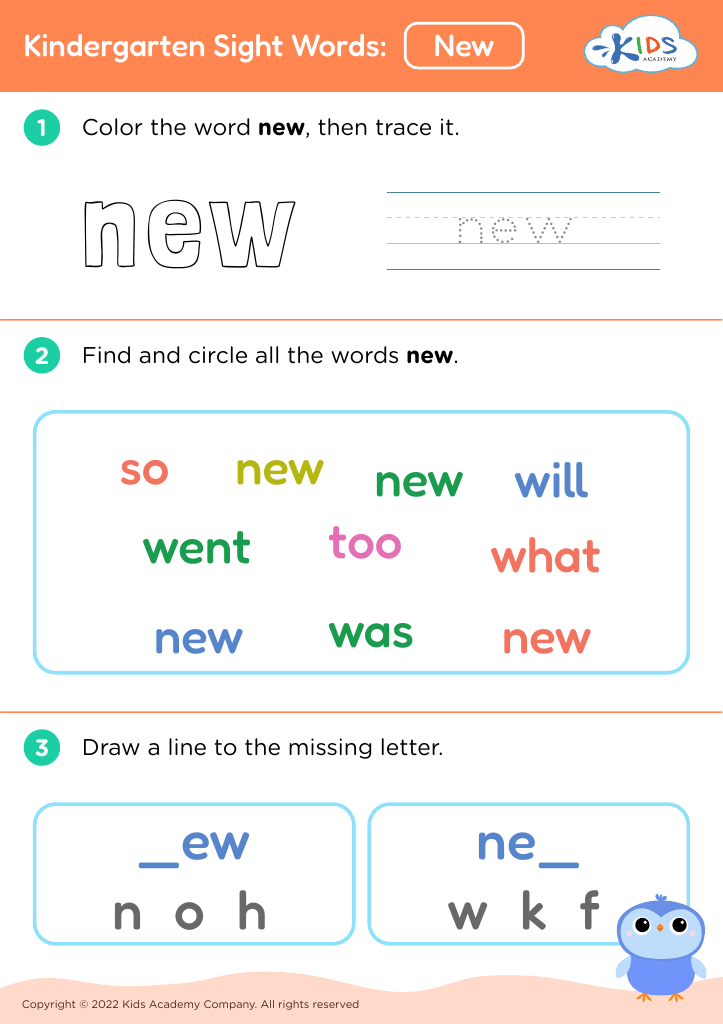
Discover engaging Number Identification Sight Words Worksheets designed for children ages 3-9! These vibrant and interactive worksheets help young learners to develop essential numerical recognition skills alongside sight word familiarity. Perfect for enhancing early literacy and math skills, our worksheets encourage children to connect numbers with their written forms while improving vocabulary development. Tailored for various learning levels, these resources are ideal for use at home or in the classroom. Foster a love for learning and boost confidence in young learners as they master number identification in a fun, playful environment. Download our worksheets today and watch your child's skills soar!
Favorites
With answer key
Interactive







Join Kids Academy for Free
Who is primarily going to use this learning content?








Number identification and sight words are crucial foundations for early literacy and numeracy development in children aged 3-9, making them essential for parents and teachers to prioritize. Mastering sight words—common words that often appear in texts—enables young learners to recognize these terms effortlessly, which enhances reading fluency, comprehension, and confidence. This skill not only encourages a love for reading but also fosters better communication and vocabulary development, paving the way for academic success in later years.
Similarly, number identification is vital for building mathematical skills. Recognizing numbers helps children understand quantity, sequence, and basic operations, setting the stage for advanced concepts as they progress in their education. Engaging with numbers early on supports cognitive development, enhances critical thinking, and ensures children are well-equipped for formal mathematics in school.
Moreover, developing these skills early can prevent struggles in later academic years. Parents and teachers who actively engage children in fun, interactive activities focused on sight words and number identification lay a strong foundation for lifelong learning. This foundational knowledge empowers children to navigate school environments more confidently, helping them become enthusiastic, proficient learners capable of reaching their full potential.