Practice subtraction Sight Words Worksheets for Ages 3-9
4 filtered results
-
From - To
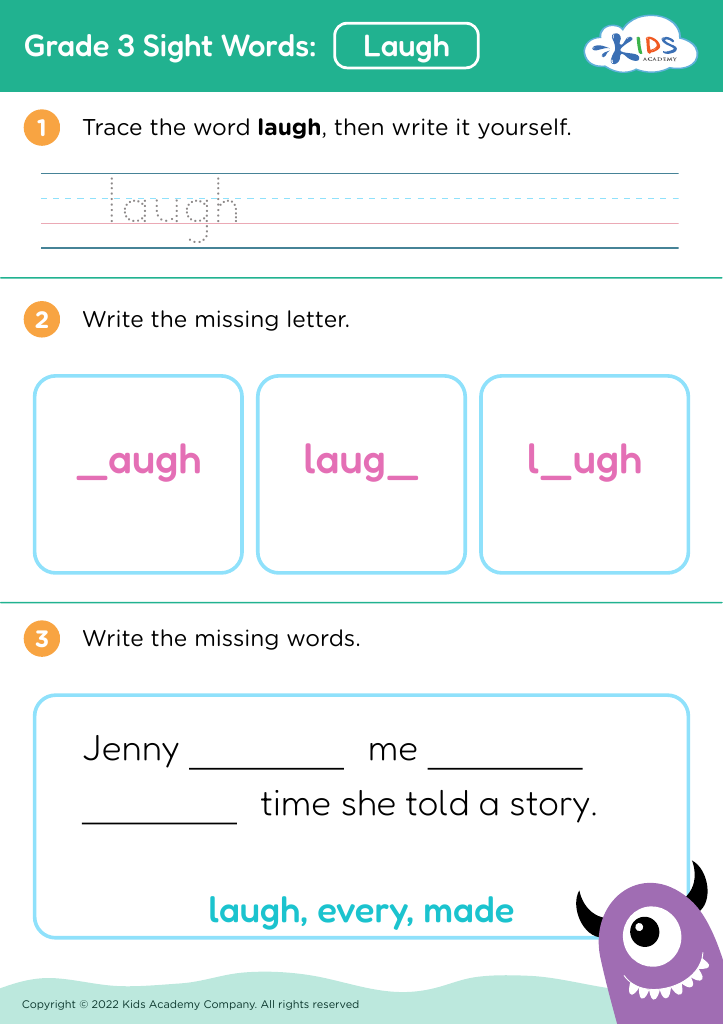
Enhance your child's math and reading skills simultaneously with our Practice Subtraction Sight Words Worksheets for Ages 3-9. These engaging activities combine essential subtraction exercises with sight word practice, fostering both numerical understanding and vocabulary development. Tailored to young learners, our colorful and interactive worksheets captivate their attention, making learning enjoyable. Perfect for early childhood education, these printables help strengthen foundational skills, preparing kids for future academic success. Whether at home or in the classroom, our practice sheets are an excellent resource to support your child's learning journey. Download, print, and watch your child’s abilities grow!




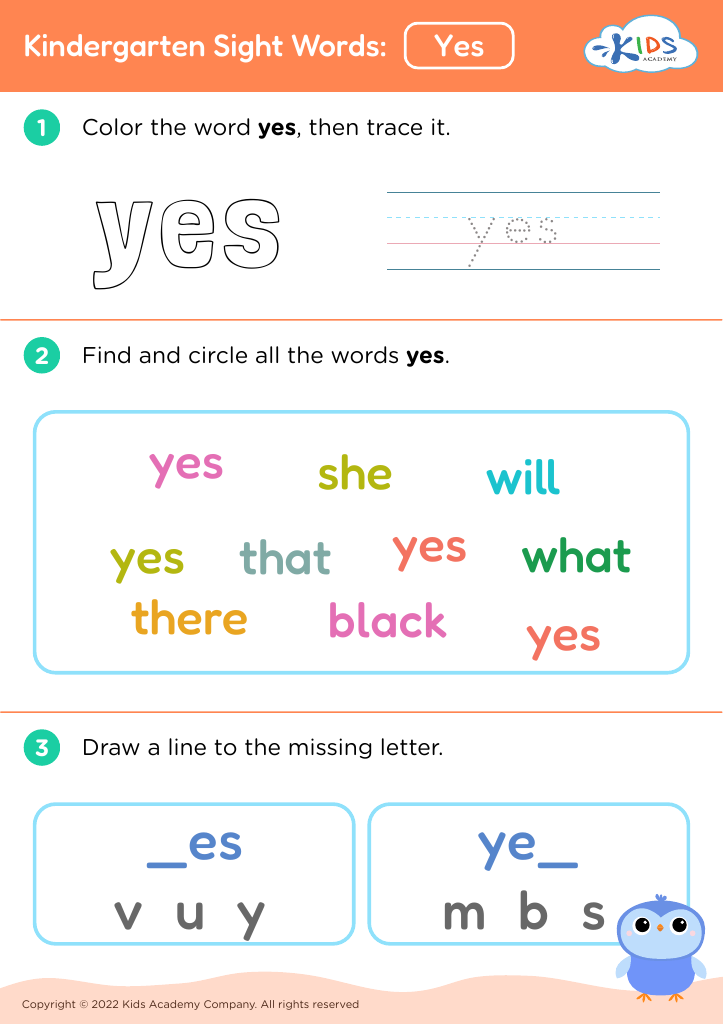
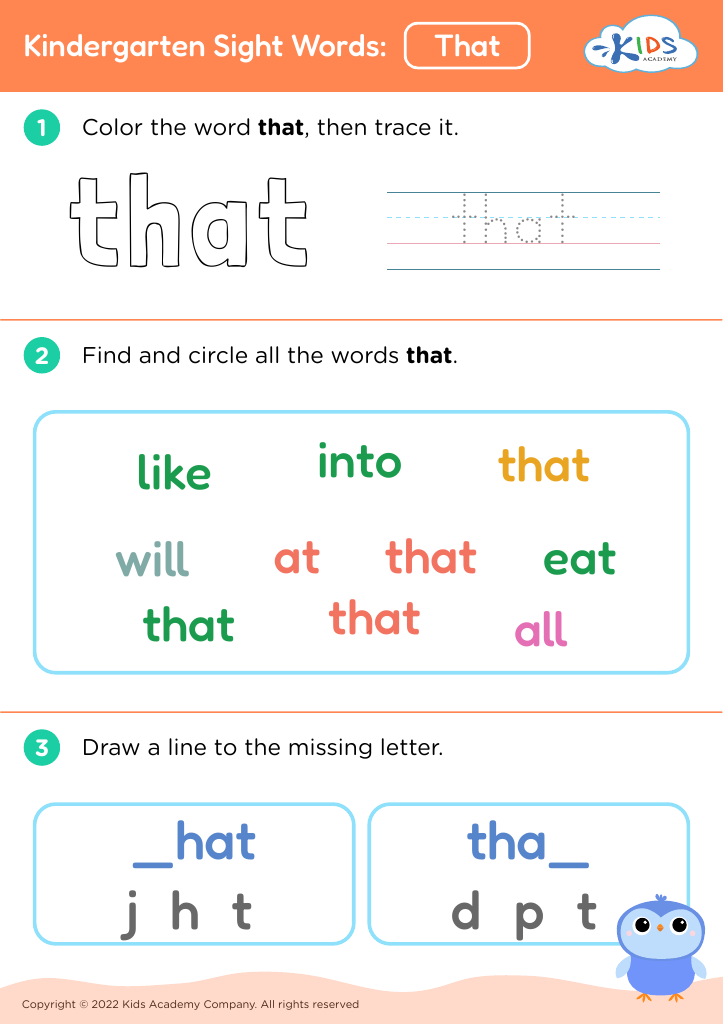








Parents and teachers play a crucial role in the developmental journey of young children, and one fundamental area they should focus on is developing foundational math and literacy skills. Practice with subtraction sight words for ages 3-9 is vital for several reasons. Firstly, early caregivers help nurture a child's understanding of basic mathematical concepts, which are essential for higher-level problem-solving and analytical skills. Subtraction sight words like "take away," "less than," and "difference" form the building blocks for more complex math terms and problems children will encounter in subsequent grades.
Secondly, combining literacy and numeracy reinforces learning, as these skills are interconnected. Reading and recognizing words help in comprehending word problems, which require a blend of reading comprehension and mathematical reasoning. When children become familiar with the vocabulary of subtraction, it softens the abstraction of math and makes it more relatable.
Furthermore, early and regular practice builds confidence. Children are less likely to develop math anxiety and more likely to approach math challenges with a positive attitude. Guidance from parents and teachers, through practice worksheets or interactive activities, makes learning engaging and fun, laying a lifelong love for math. Being vigilant about foundational skills ensures children's academic success and overall cognitive development.