Problem-Solving Skills Sight Words Worksheets for Ages 3-9 - Page 2
25 filtered results
-
From - To











.jpg)
Problem-solving skills and sight words are crucial components of early childhood education, especially for children ages 3-9. Parents and teachers should care about these skills because they form the foundation for literacy and cognitive development.
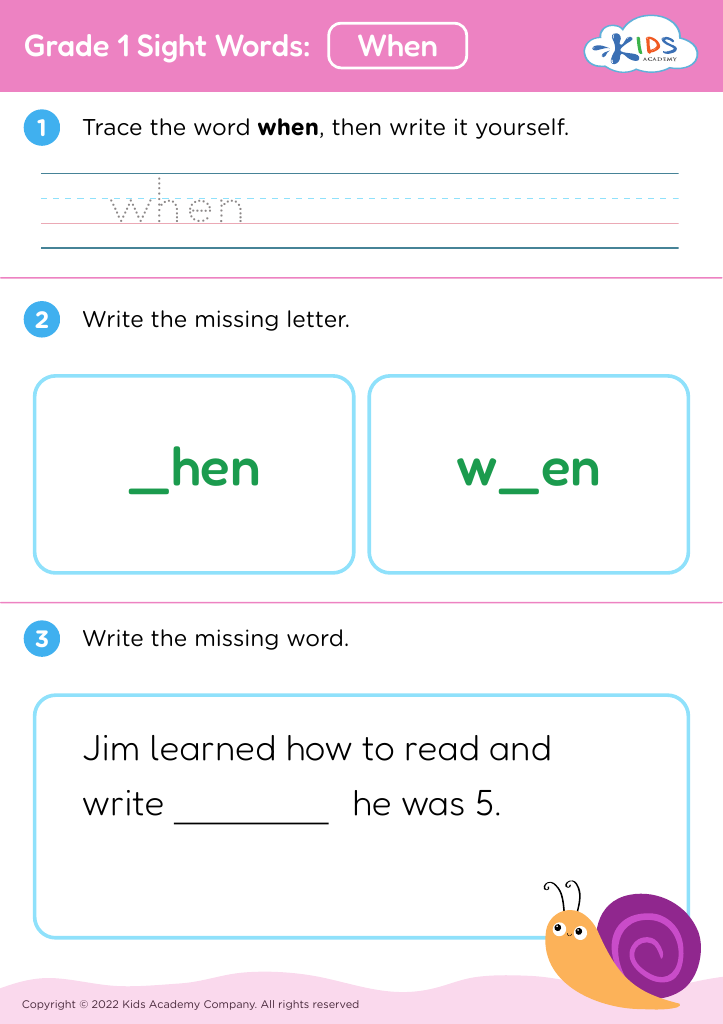
Sight words are essential for reading fluency. Familiarity with these common words allows children to recognize them quickly, leading to improved reading comprehension and enjoyment. As they navigate stories and texts with ease, they are more likely to develop a love for reading, which is vital for lifelong learning and academic success.
Simultaneously, problem-solving skills encourage critical thinking and creativity. These skills help children learn how to analyze situations, evaluate different options, and find solutions. Problem-solving techniques not only apply to academic challenges but also to everyday life scenarios, fostering independence and resilience.
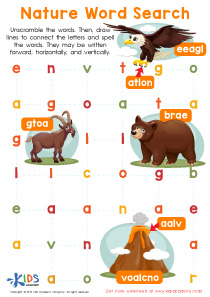
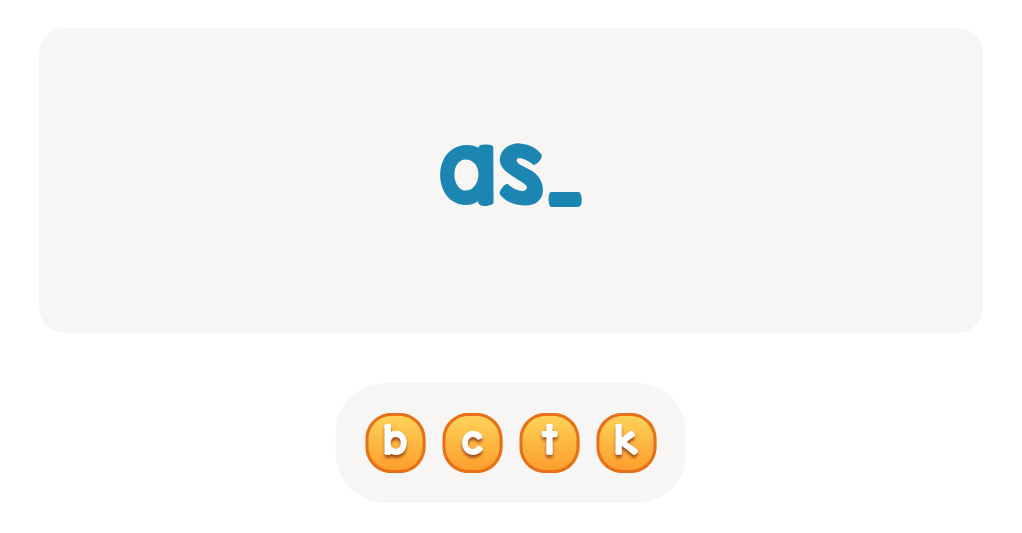
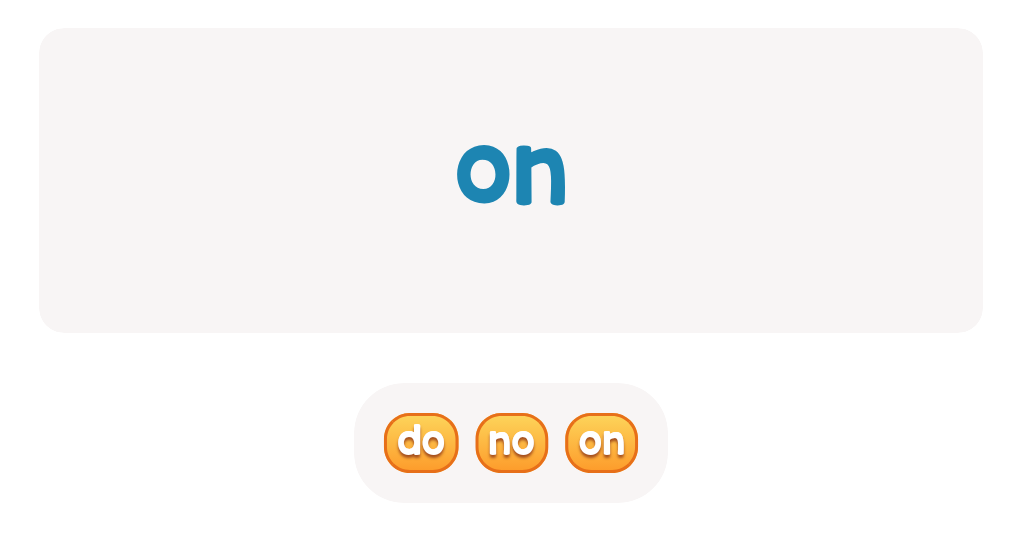
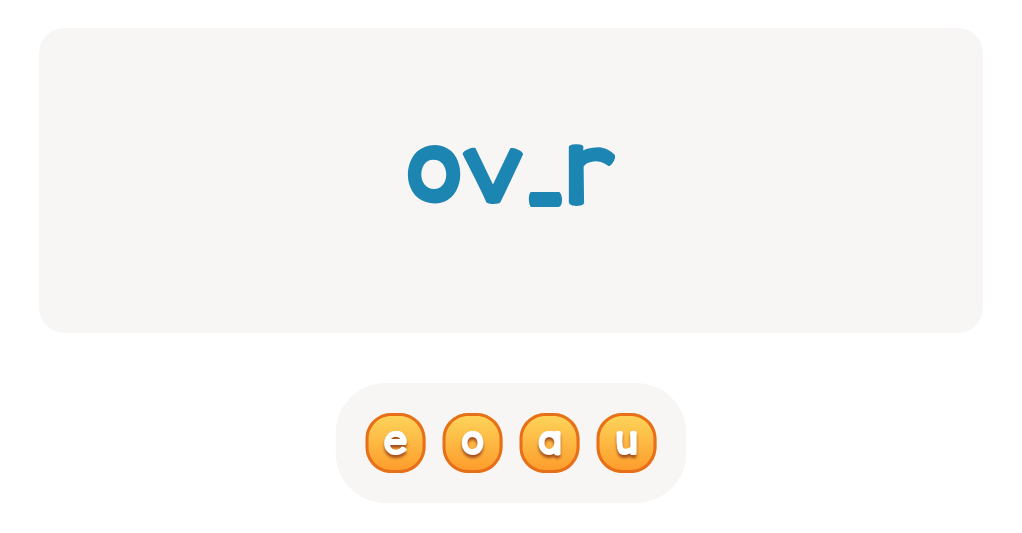
Integrating sight words with problem-solving activities can create engaging learning experiences. For instance, using sight words in puzzles or word games can enhance word recognition while encouraging children to think creatively. Together, fostering sight word recognition and problem-solving skills empowers children to become confident learners who can navigate both academic tasks and real-world challenges. This dual focus equips them with the tools necessary for success in school and beyond.