Counting practice World Around Us Worksheets for Ages 3-9
3 filtered results
-
From - To
Discover our engaging "Counting Practice World Around Us Worksheets" designed for children aged 3 to 9! These worksheets provide fun and interactive ways for young learners to develop essential counting skills through relatable themes and vibrant illustrations. Explore counting objects, animals, and everyday items found in their environment, making math enjoyable and relatable. With a variety of activities that cater to different learning styles, these worksheets encourage critical thinking and reinforce number recognition. Ideal for classrooms or home learning, these resources foster a love for math while enhancing cognitive development. Start counting with confidence and curiosity today!
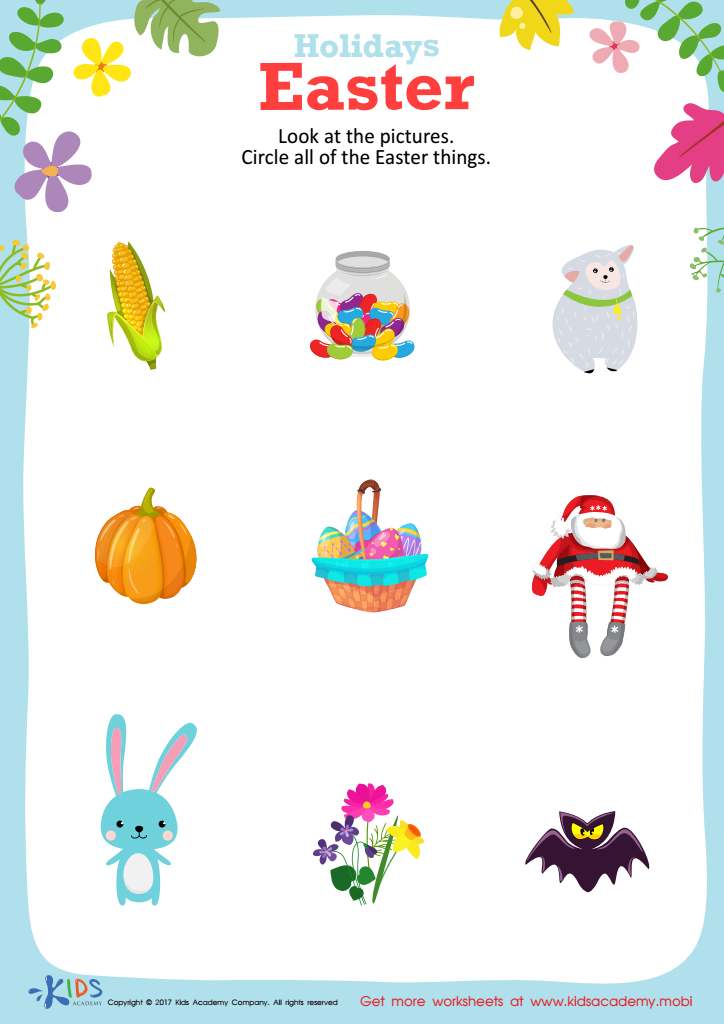
Easter Holiday Printable
 Assign to My Students
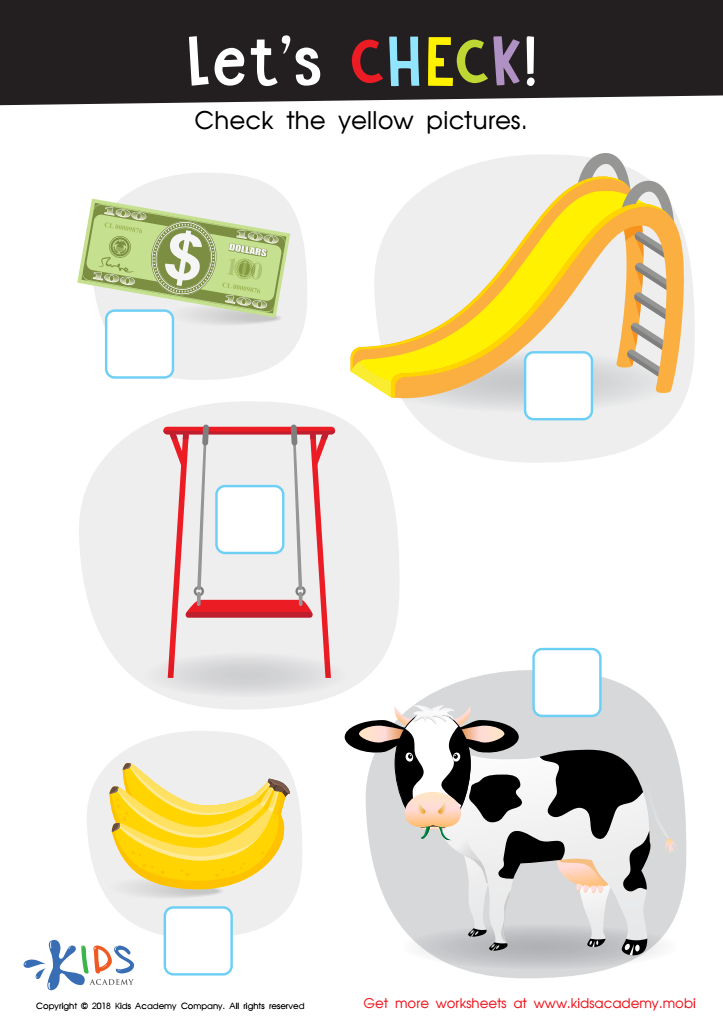
Let's Check! Worksheet





Counting practice in the context of the world around us is essential for children aged 3-9, as it lays a foundational skill for mathematical understanding and reasoning. Engaging young learners in counting practices helps them develop numeracy skills that are crucial for their academic journey. When parents and teachers focus on counting within the environment — such as counting trees during a walk, counting fruits in a bowl, or counting steps — they make learning meaningful and relatable. This contextual approach not only aids in memory retention but also helps children understand the practical applications of math in everyday life.
Moreover, counting fosters cognitive development, enhancing skills such as problem-solving and critical thinking. It encourages children to recognize patterns and develop spatial awareness, which are integral to more advanced mathematics later on. Additionally, counting promotes language development, as children learn to articulate numbers and engage in conversations about quantity, which aids in vocabulary and grammar acquisition.
Finally, involving families in counting activities can strengthen the parent-child bond and promote social interaction. By prioritizing counting practice in the world around us, parents and teachers cultivate not only mathematical proficiency but also create an enriching learning environment that supports holistic development.