Counting practice Grammar Worksheets for Ages 3-9
3 filtered results
Difficulty Level
Grade
Age
-
From - To
Subject
Activity
Standards
Discover engaging Counting Practice Grammar Worksheets designed for children ages 3-9 at Kids Academy! Our colorful and interactive printables blend foundational counting skills with essential grammar practice to make learning fun and effective. Perfect for young learners, these worksheets support the development of numeracy and literacy simultaneously. Explore our diverse collection, including simple counting exercises for the youngest kids and more advanced tasks for older children, ensuring continuous growth at every skill level. Make math and language learning an enjoyable journey for your child with our expertly crafted and teacher-approved resources today!
Favorites
With answer key
Interactive
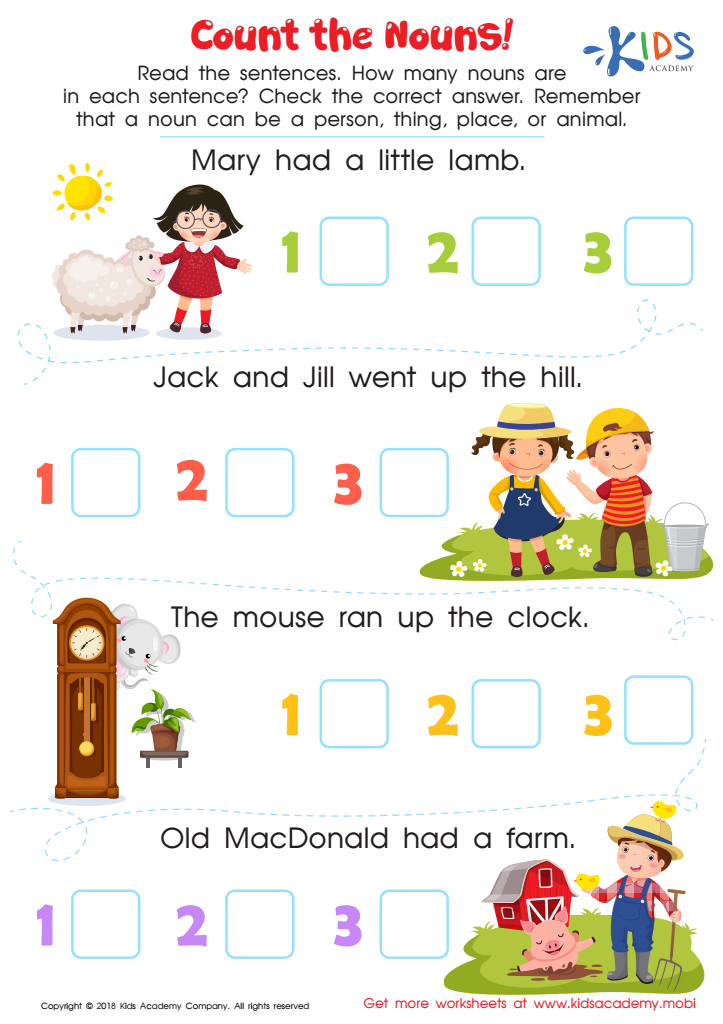
Count the Nouns Worksheet
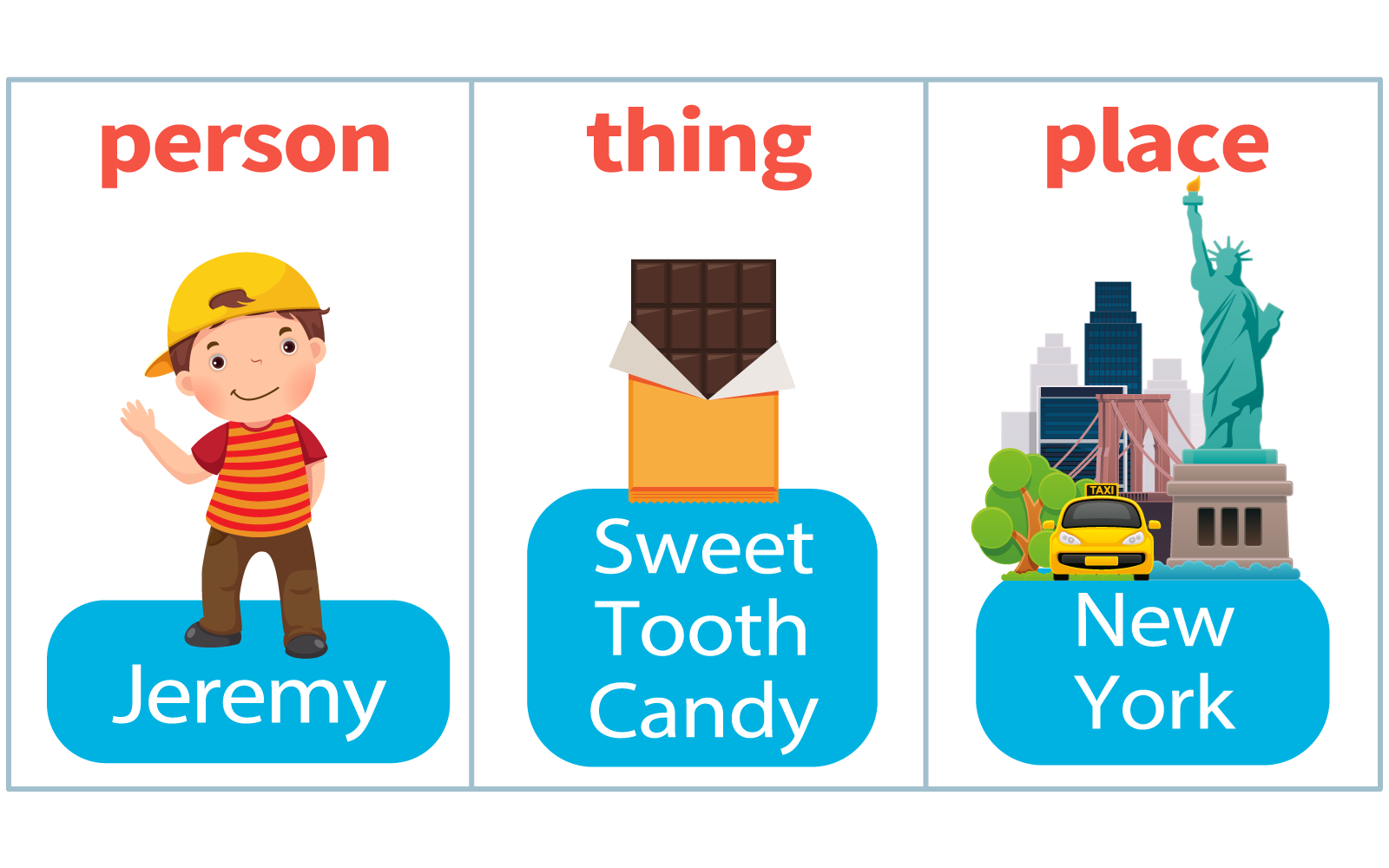
Read the sentences with your children and ask them to find the nouns. Explain that nouns are names of people, animals, places or things. Point out the boxes with the answers to check.
 Assign to My Students
Count the Nouns Worksheet
Worksheet
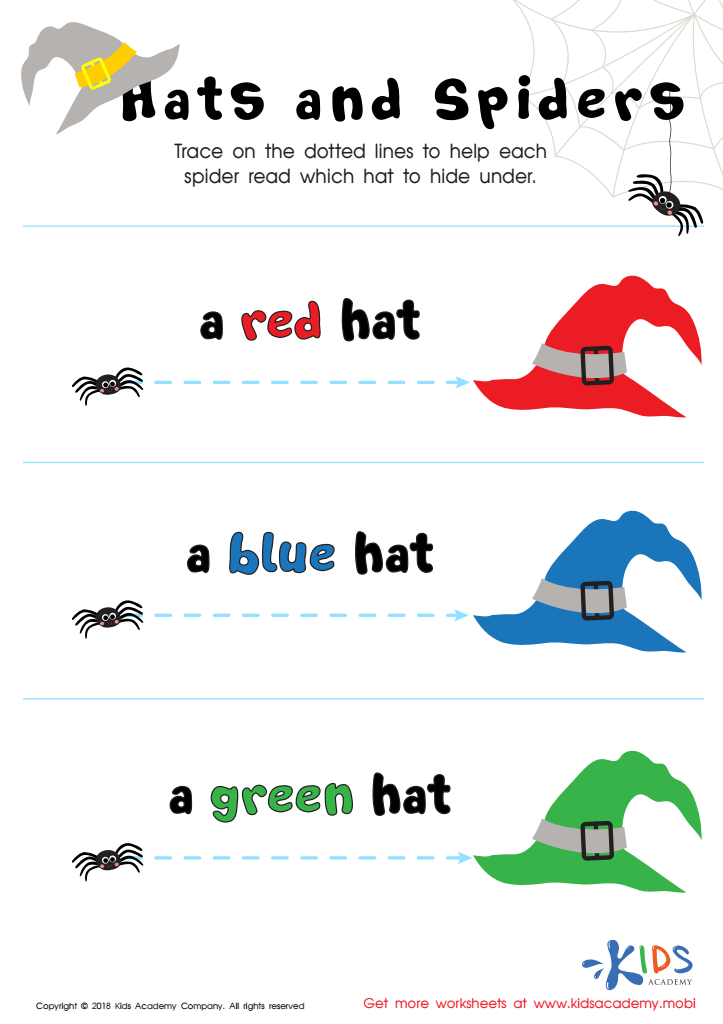
Read from Left to Right: Hats and Spiders Worksheet
Do your kids love or fear spiders? Either way, they'll enjoy helping the little critters with this traceable worksheet. Ask them to read out the words in the picture, explaining it's the description of the hats. Then help them trace on the dotted lines, so the spiders know which hat to hide under.
Read from Left to Right: Hats and Spiders Worksheet
Worksheet
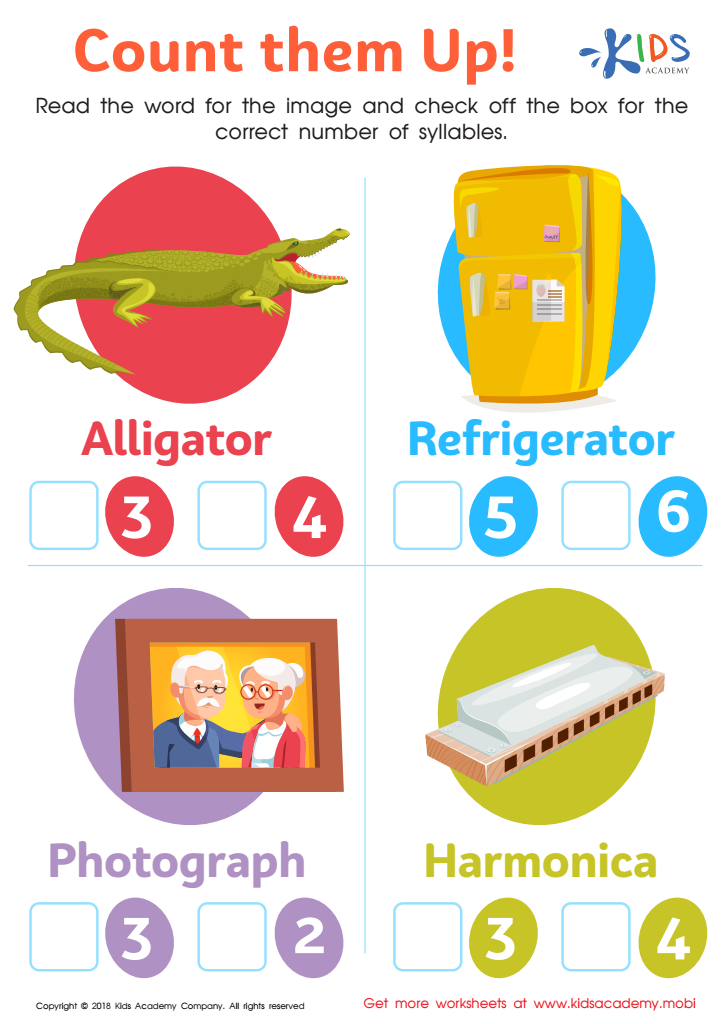
Count Them Up Worksheet
This worksheet has four colorful pictures. Ask your students to identify and name each image, then count the syllables in the word. Make them repeat the word after you, and check off the box with the correct number of syllables. Mastering the art of counting goes beyond numbers. Get your students counting syllables with this activity!
Count Them Up Worksheet
Worksheet
Join Kids Academy for Free
Who is primarily going to use this learning content?





Counting practice and grammar are foundational skills that parents and teachers should emphasize for children aged 3-9 because they significantly influence academic development and everyday functioning.
Firstly, counting practice serves as a building block for mathematical understanding. By learning to count, children grasp number sense, the ability to recognize, relate, and rely on numbers throughout life. This skill is essential for more complex arithmetic concepts and real-life applications, such as measuring, shopping, and budgeting. Engaging in counting activities enhances cognitive abilities like memory, attention, and logical reasoning, promoting overall intellectual growth.
Secondly, grammar is equally vital. At this formative age, children's brains are exceptionally receptive to language acquisition. Proper grammar knowledge aids in clear and effective communication, crucial for both social interactions and academic success. Understanding sentence structure and word usage can lead to improved reading comprehension and writing skills. Additionally, mastery of grammar helps children articulate their thoughts confidently and understand others better, fostering social skills and emotional intelligence.
Together, counting practice and grammar form the bedrock for lifelong learning. Prioritizing these areas encourages curiosity and love for learning while establishing critical thinking and communication skills. Ultimately, they contribute to a well-rounded education and better prepare children for future academic challenges.