Logical thinking Grammar Worksheets for Ages 3-9
4 filtered results
-
From - To
Enhance your child's logical thinking skills with our engaging Grammar Worksheets designed for ages 3-9! These worksheets help young learners connect ideas and develop critical thinking while mastering essential grammar concepts. Each activity is carefully crafted to promote creativity and comprehension, ensuring a fun learning experience. From simple sentence structures to identifying parts of speech, our worksheets provide a solid foundation for effective communication. Perfect for home or classroom use, these resources encourage independence and boost confidence in young learners. Start shaping your child’s analytical abilities today with our printable grammar worksheets that make learning enjoyable and rewarding!
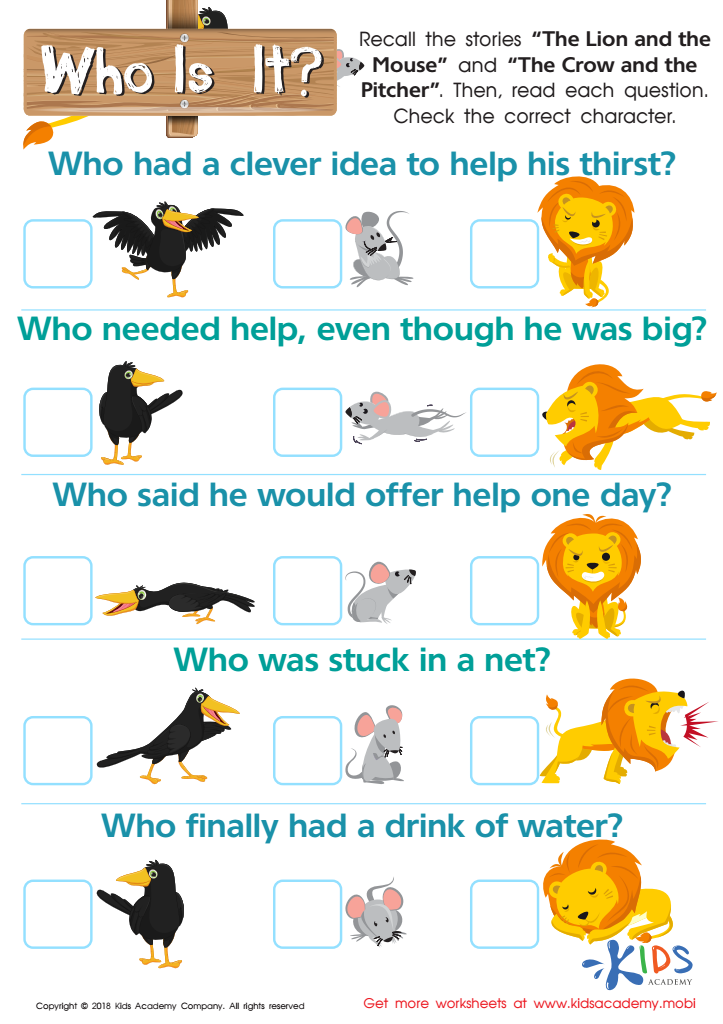
Who Is It? Worksheet
 Assign to My Students
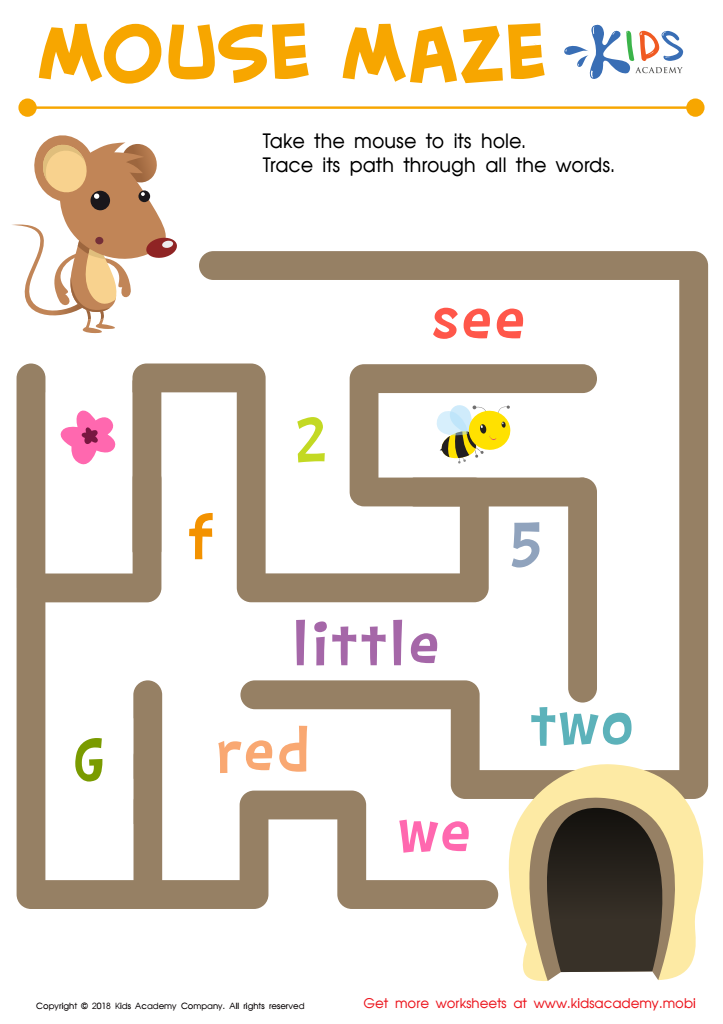
Find Words Mouse Maze Worksheet
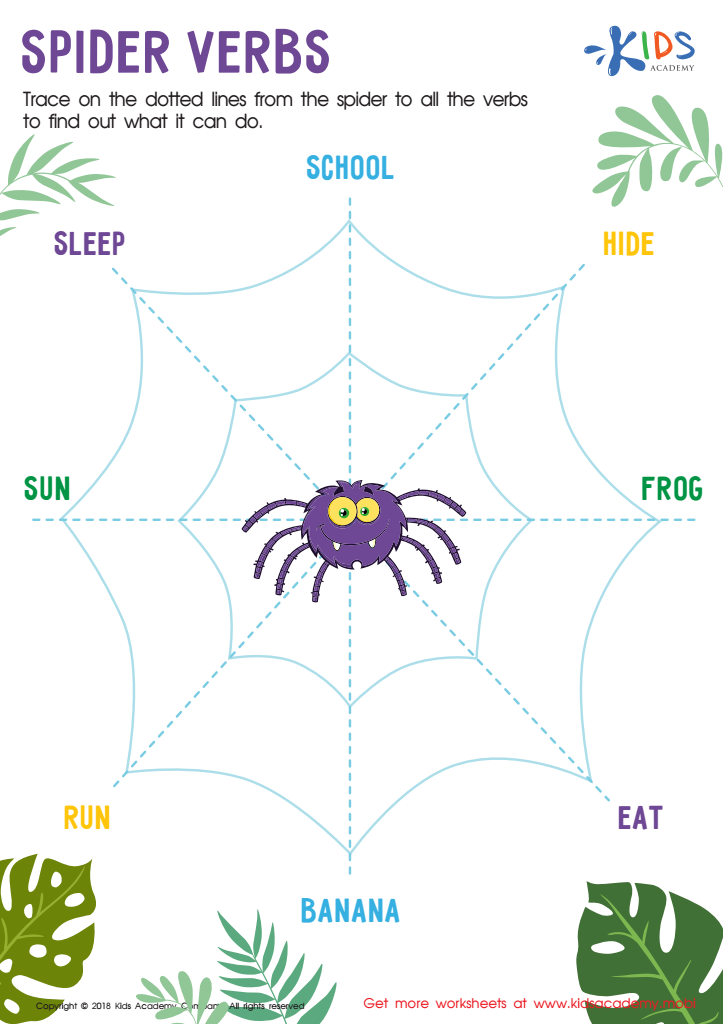
Spider Verbs Worksheet
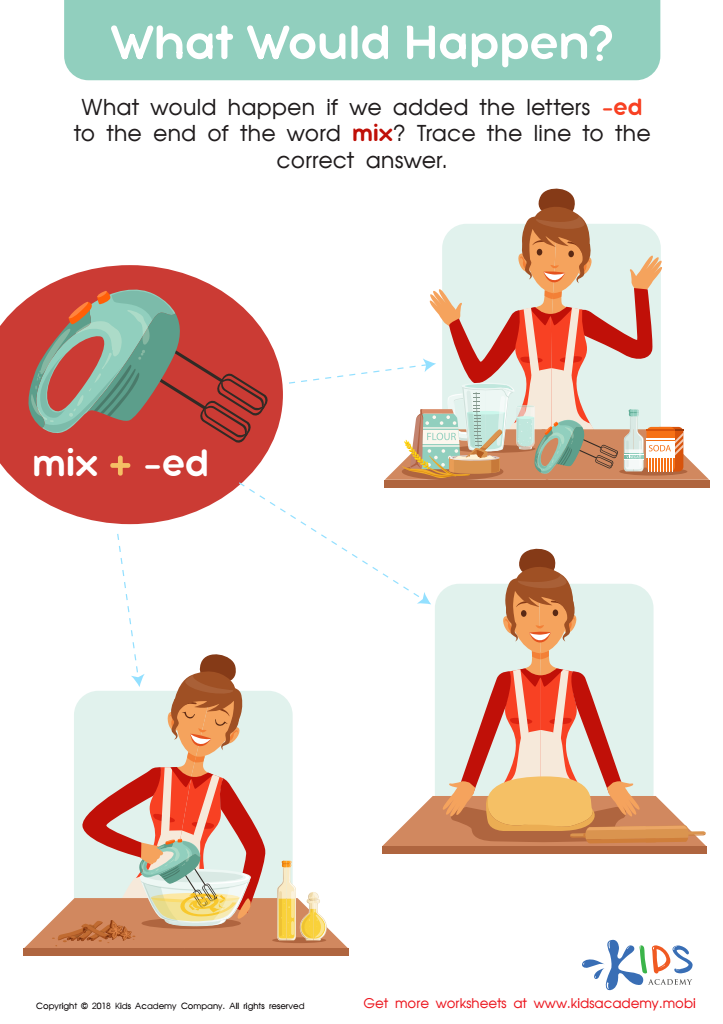
What Would Happen? Worksheet






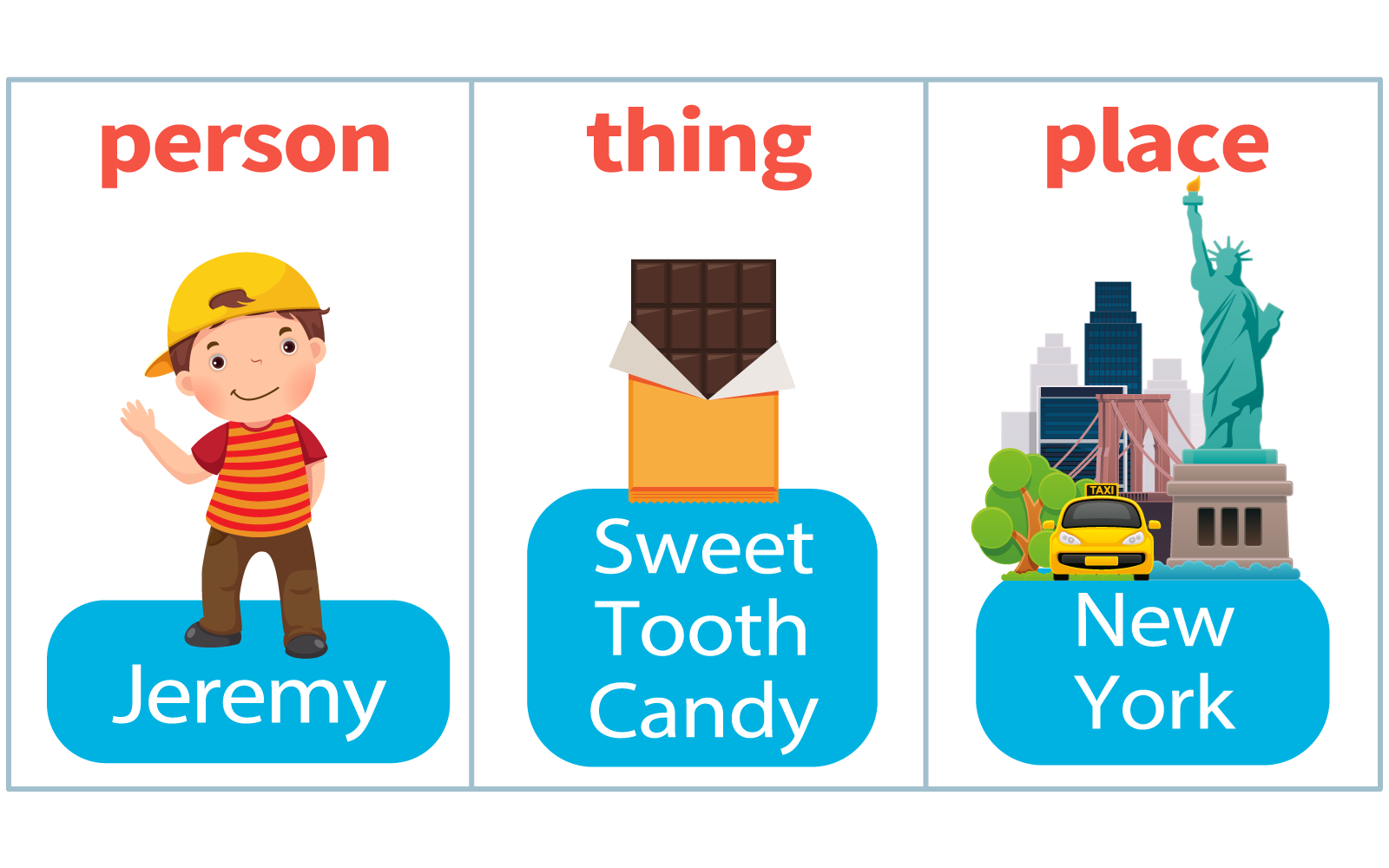

Logical thinking and grammar are foundational skills that significantly impact children's academic and personal development from ages 3 to 9. These skills are intertwined, promoting the ability to form coherent thoughts and articulate them effectively.
Parents and teachers should care about logical thinking because it fosters critical reasoning, problem-solving abilities, and the capability to make connections between concepts. By nurturing logical thinking, children learn to analyze situations, recognize patterns, and develop the ability to infer and deduce information—all crucial skills for future learning and everyday decision-making.
Grammar, on the other hand, is essential for communication. Having a logical grasp of grammar enables children to express their thoughts clearly and understand others' messages. Good grammar aids in reading comprehension and writing skills, allowing children to structure their ideas cohesively.
Together, logical thinking and grammar support children in various aspects of learning, including language arts, mathematics, and social interactions. Parents and teachers who emphasize these skills lay a strong foundation for literacy and cognitive development, preparing children for more complex subjects in their educational journeys. The earlier these skills are instilled, the better equipped children will be to navigate academic challenges and engage meaningfully with the world around them.








