Handwriting practice Letter X Worksheets for 3-Year-Olds
3 filtered results
-
From - To
Unlock your child's potential with our Handwriting Practice Letter X Worksheets for 3-Year-Olds from Kids Academy! These engaging worksheets are designed to develop early writing skills and hand-eye coordination through fun, traceable letter X activities. Perfectly crafted for preschoolers, each worksheet makes learning enjoyable, helping young learners recognize, trace, and write the letter X confidently. Incorporate these worksheets into your daily routine to strengthen your child's pre-writing skills and set a solid foundation for future academic success. Visit Kids Academy for high-quality, printable resources fostering joyful and effective learning for your little one.
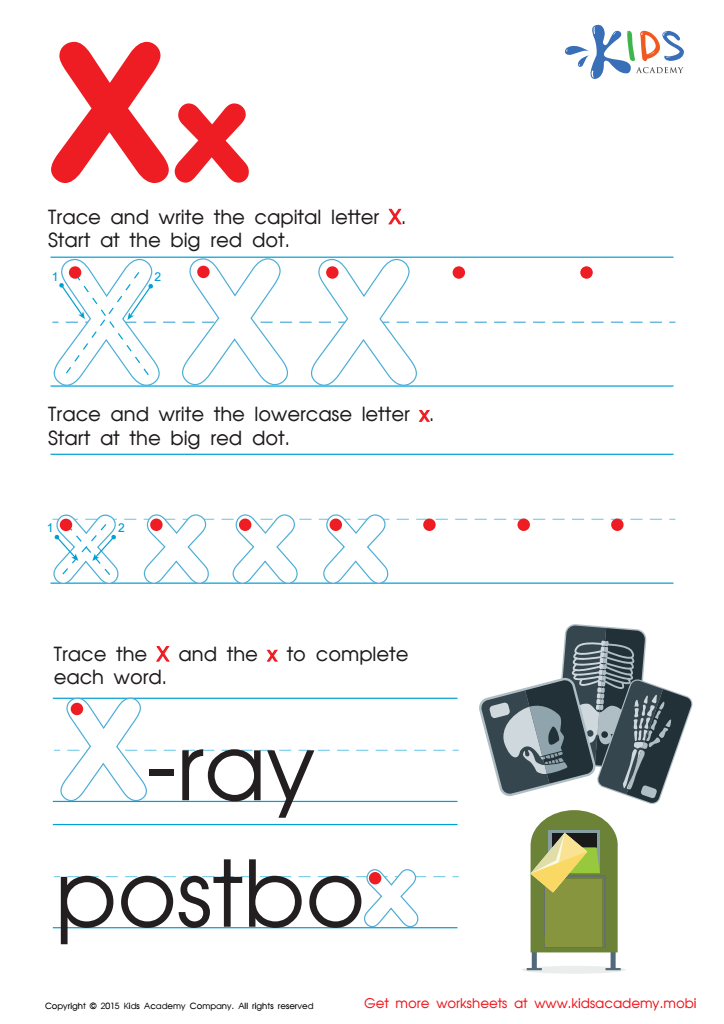
Letter X Tracing Page
 Assign to My Students
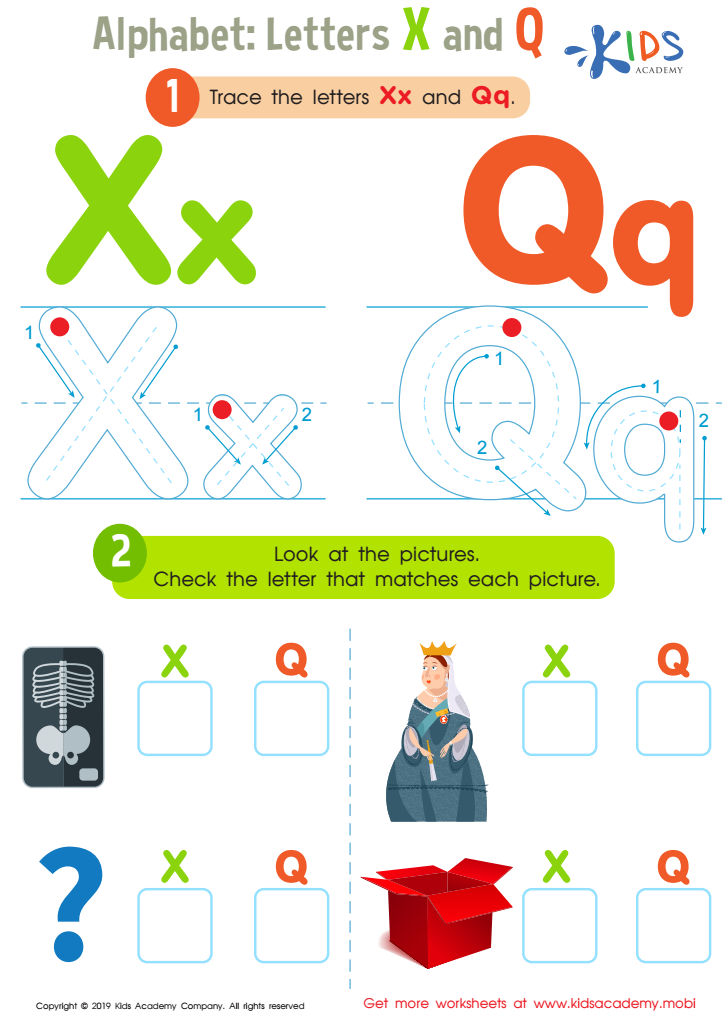
Letters X and Q Tracing Worksheet
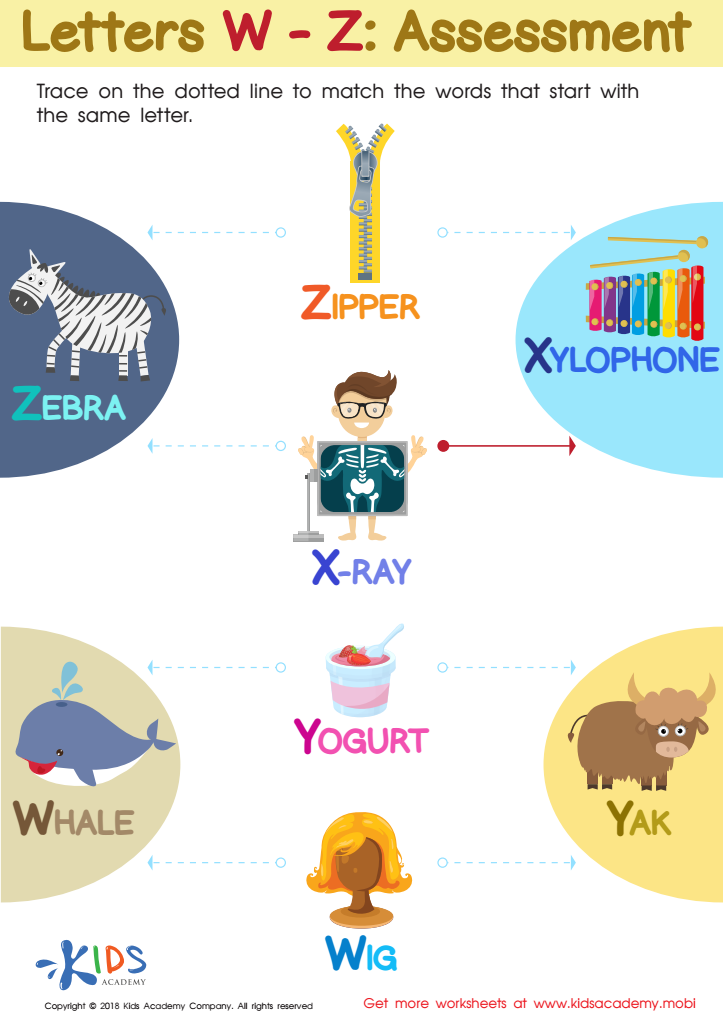
Letters W–Z Tracing Worksheet




Parents and teachers should care about handwriting practice, specifically with the letter "X," for 3-year-olds for several crucial reasons. At this developmental stage, introducing handwriting practice helps foster fine motor skills, an essential component for writing readiness. The action of tracing or drawing the letter "X" encourages the coordination of small muscles in their hands and fingers, enhancing their dexterity.
Focusing on the letter "X" serves as a foundational symbol that intersects perpendicularly, allowing children to practice form recognition and spatial understanding. These skills are critical not just in handwriting but also in reading, as children learn to differentiate and understand the structure of letters. Additionally, early handwriting practice promotes cognitive development by reinforcing their ability to concentrate, follow instructions, and recognize patterns.
Furthermore, engaging 3-year-olds in handwriting activities can spark an early interest in literacy, instilling a sense of confidence and achievement. As they successfully form the letter "X," they receive early positive reinforcement, which boosts their self-esteem and encourages further learning. For parents and teachers, integrating these practices is a proactive step towards ensuring better educational outcomes and supporting the all-rounded development of the child.
Overall, such practice is more than learning to write; it's about setting the stage for lifelong skills in coordination, cognitive function, and a love for learning.