Fine Motor Skills Tracing Lines and Curves Worksheets for 3-Year-Olds
5 filtered results
-
From - To
Our "Fine Motor Skills Tracing Lines and Curves Worksheets for 3-Year-Olds" are designed to support young learners in developing essential pre-writing skills. These engaging worksheets help children practice tracing a variety of lines and curves, laying the groundwork for more advanced writing tasks. Each activity is crafted to enhance hand-eye coordination, pencil control, and fine motor precision. Through playful and colorful exercises, kids build the foundational skills necessary for drawing shapes and letters. Perfect for preschool educators and parents, these worksheets make learning interactive and fun, setting the stage for lifelong success in writing. Download now at Kid's Academy!
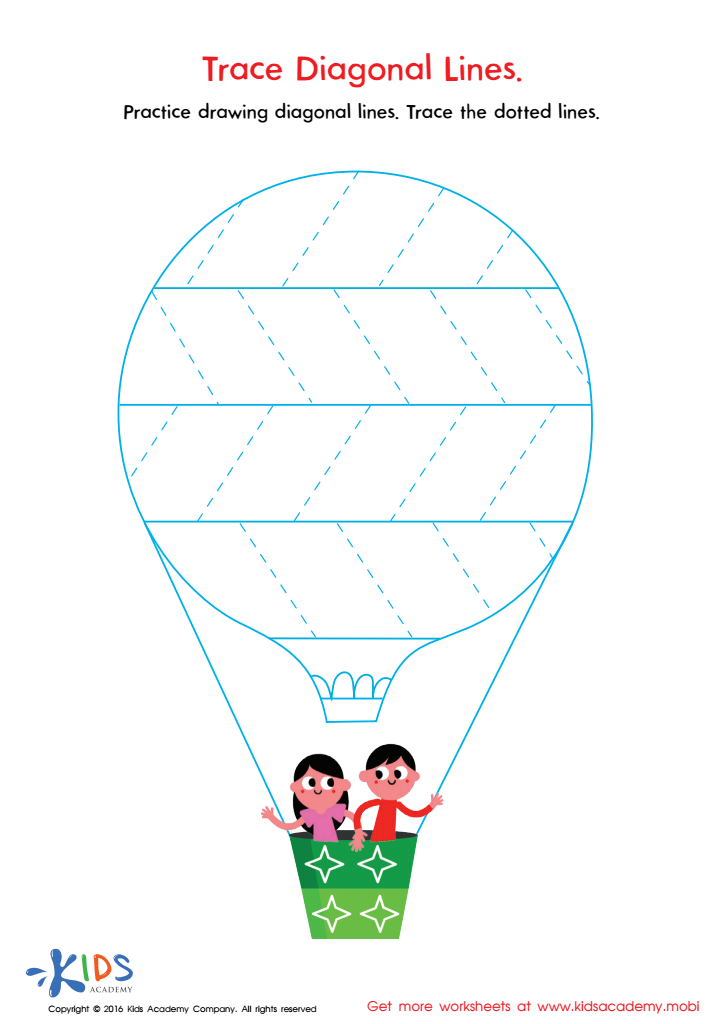
Trace Diagonal Lines Worksheet
 Assign to My Students
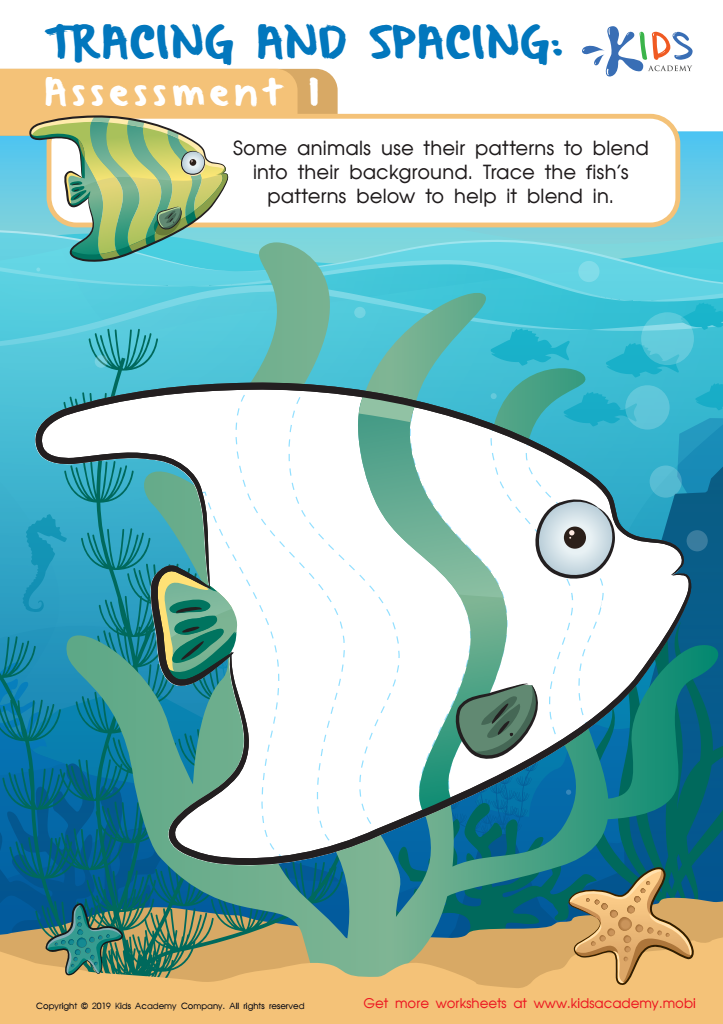
Tracing and Spacing: Assessment 1 Worksheet
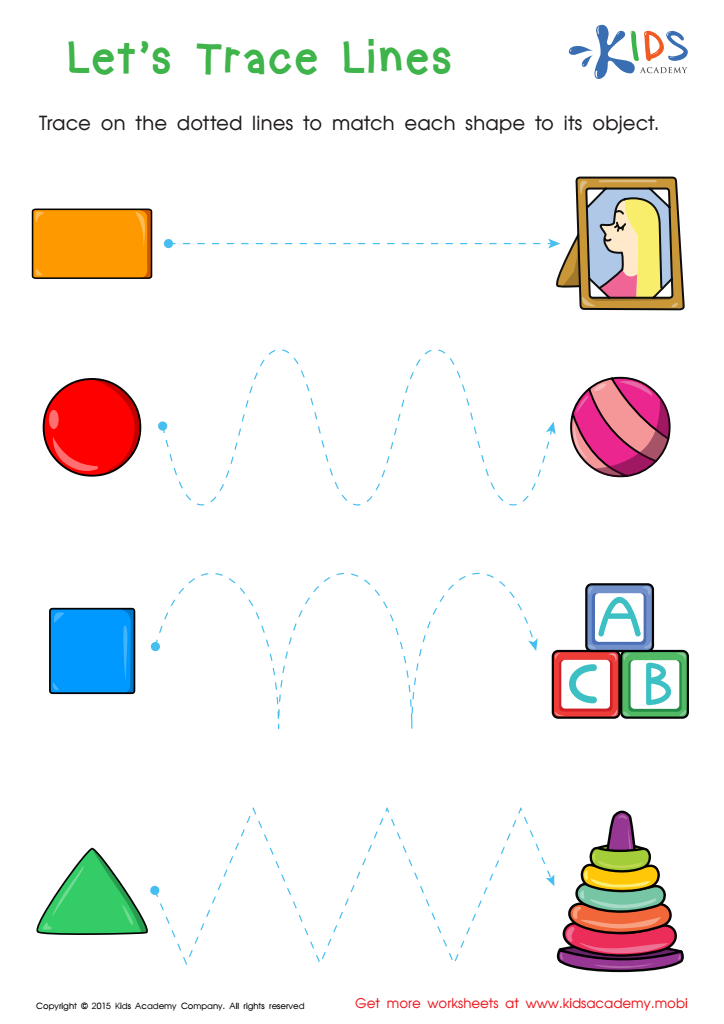
First Words: Let's Trace Lines Worksheet
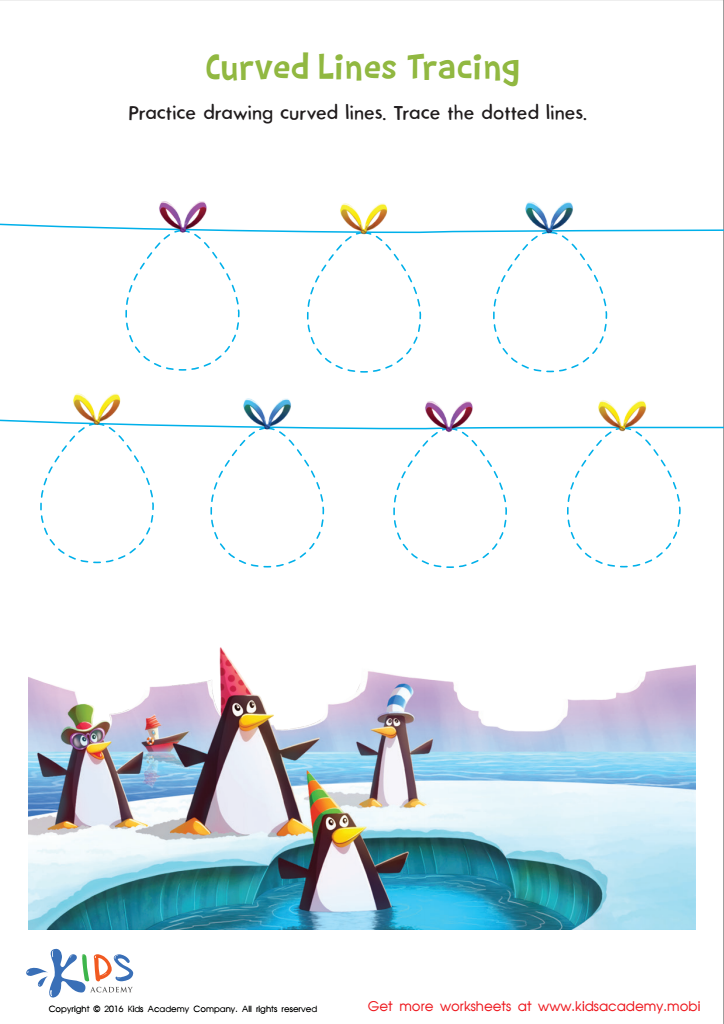
Curved Lines Tracing Worksheet

Tracing Lines Worksheet




Parents and teachers should prioritize fine motor skills like tracing lines and curves for 3-year-olds because these activities play a crucial role in early childhood development. Fine motor skills involve the coordinated movements of small muscles in the hands and fingers, and they are fundamental for tasks such as writing, buttoning clothes, and using utensils. By engaging in tracing activities, children not only improve their hand-eye coordination but also enhance their muscle control and dexterity, laying the groundwork for handwriting skills.
These tracing exercises help children grasp the concept of boundaries and spatial awareness. When children trace lines and curves, they learn to follow a path, which is essential for letter formation and ensuring legible handwriting in the future. Moreover, these activities often require concentration and focus, aiding cognitive development and promoting attention to detail.
Additionally, tracing lines and curves can boost a child’s confidence and provide a sense of accomplishment, as they see tangible progress in their ability. Early successes in these fine motor tasks can encourage a positive attitude toward more complex skills in the future, establishing a foundation of perseverance and a growth mindset. For these reasons, incorporating tracing activities into early education routines can be incredibly beneficial for young children.








