Color Identification Flora and Fauna Worksheets for 3-Year-Olds
4 filtered results
-
From - To
Introduce your 3-year-old to the vibrant world of color with our engaging "Color Identification Flora and Fauna Worksheets"! Designed to captivate young learners, these interactive worksheets feature delightful illustrations of plants and animals, helping children explore and identify colors while enhancing their fine motor skills. Each activity encourages creativity and collaboration, making learning fun and effective. Perfect for parents and educators, these worksheets are a fantastic resource for fostering color recognition and appreciation of nature. Dive into a colorful adventure today and watch your child thrive as they discover the beauty of flora and fauna through the joy of coloring!
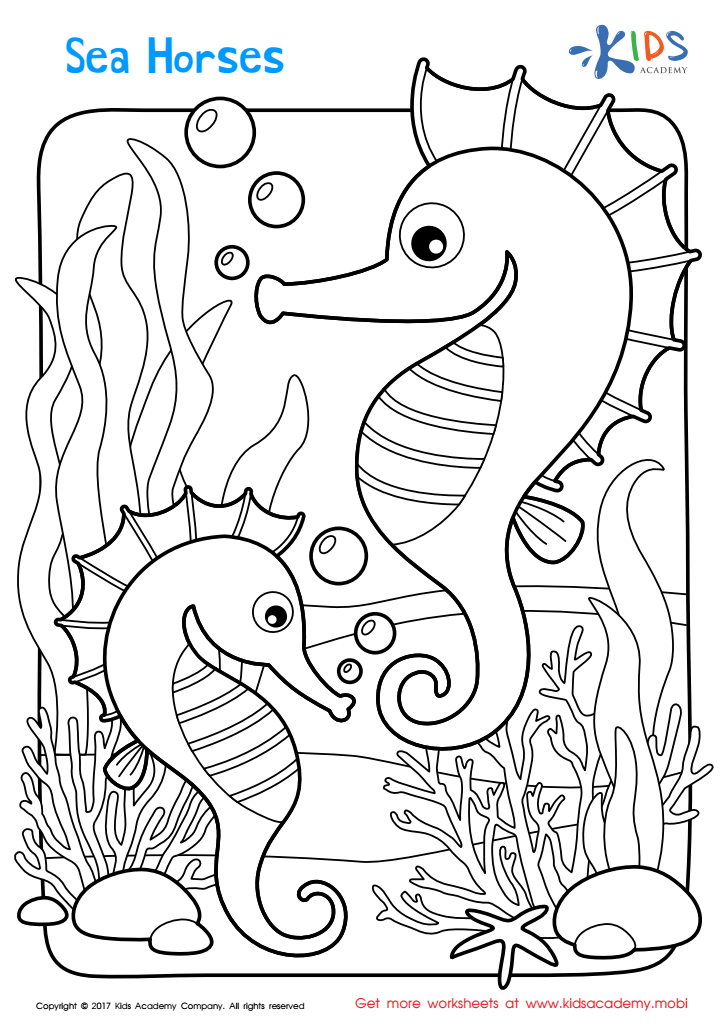
Sea Horses Printable
 Assign to My Students
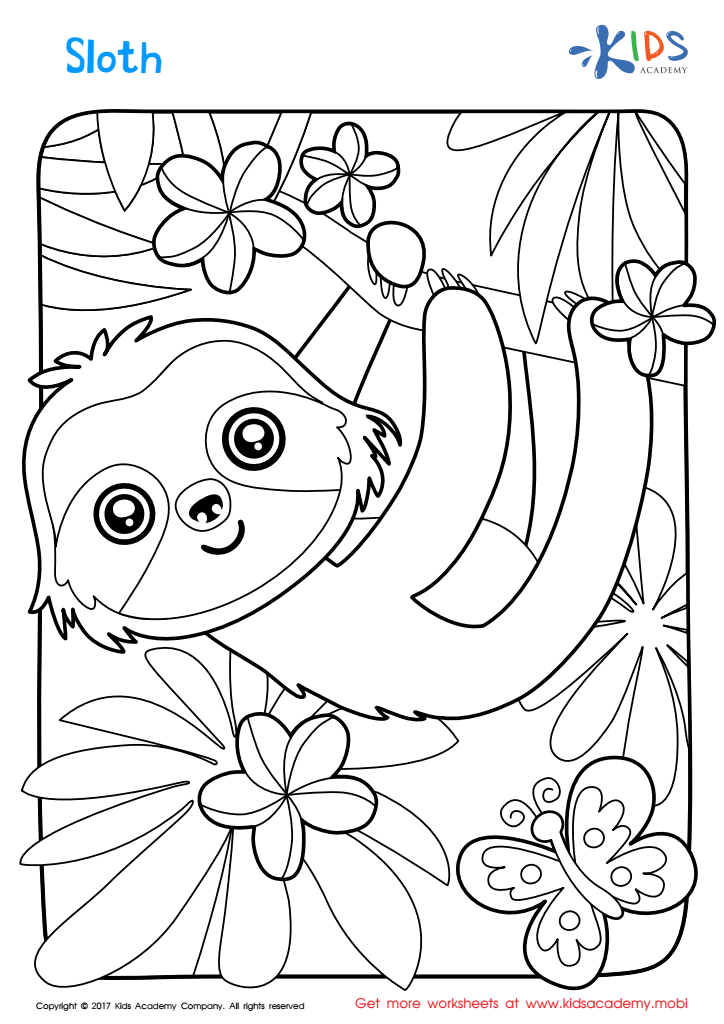
Sloth Worksheet
Assign to My Students
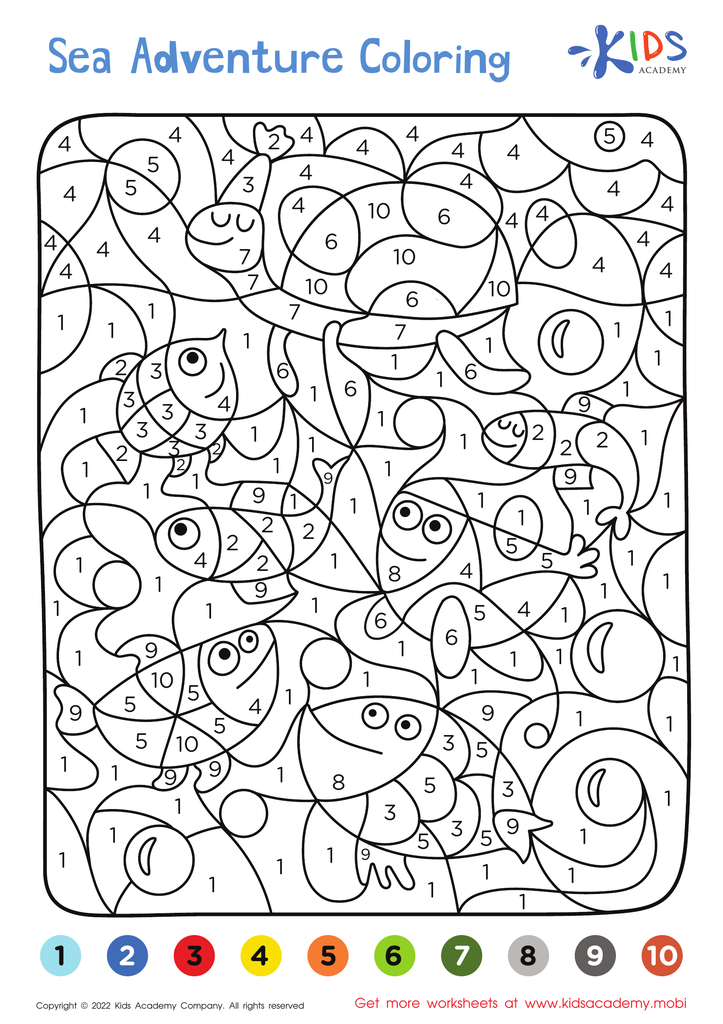
Sea Adventure – Coloring by Numbers
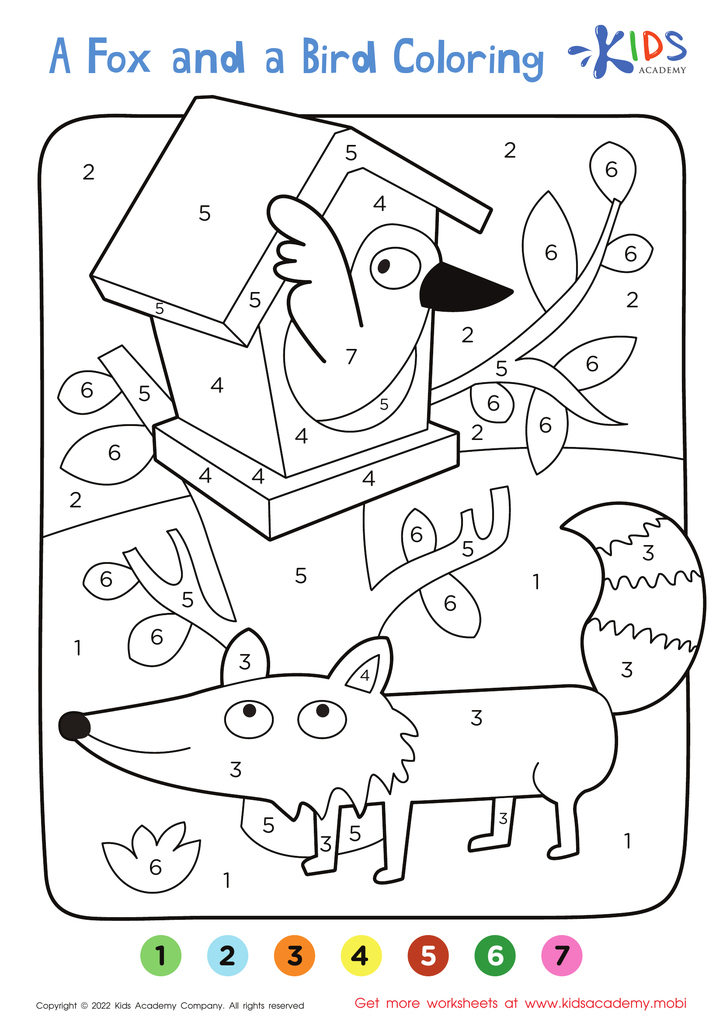
A Fox and a Bird – Coloring by Numbers


Color identification in flora and fauna is an essential cognitive skill for 3-year-olds and is rooted in various areas of development, making it important for parents and teachers to prioritize. First, understanding colors enhances a child's observational skills, helping them differentiate between various natural elements in their environment. This can spark curiosity about nature, fostering a love for exploration and learning.
Secondly, color identification supports early literacy and language development by expanding vocabulary. As children learn to categorize colors in plants and animals, they simultaneously learn new words associated with these objects, enriching their descriptions and conversations.
Furthermore, engaging with flora and fauna helps develop environmental awareness. Children learn the importance of biodiversity and the natural world, promoting empathy and respect for their surroundings. This early education encourages responsible behavior toward nature, as they recognize its various components, marked by color.
Lastly, color identification activities promote fine motor skills and hand-eye coordination. Art projects involving nature's colors, such as painting, crafting, and sorting, enhance these crucial physical abilities. In summary, caring about color identification in flora and fauna not only contributes to a child's cognitive and emotional development but also fosters curiosity and respect for the natural world.