Color recognition Worksheets for 3-Year-Olds - Page 4
85 filtered results
-
From - To
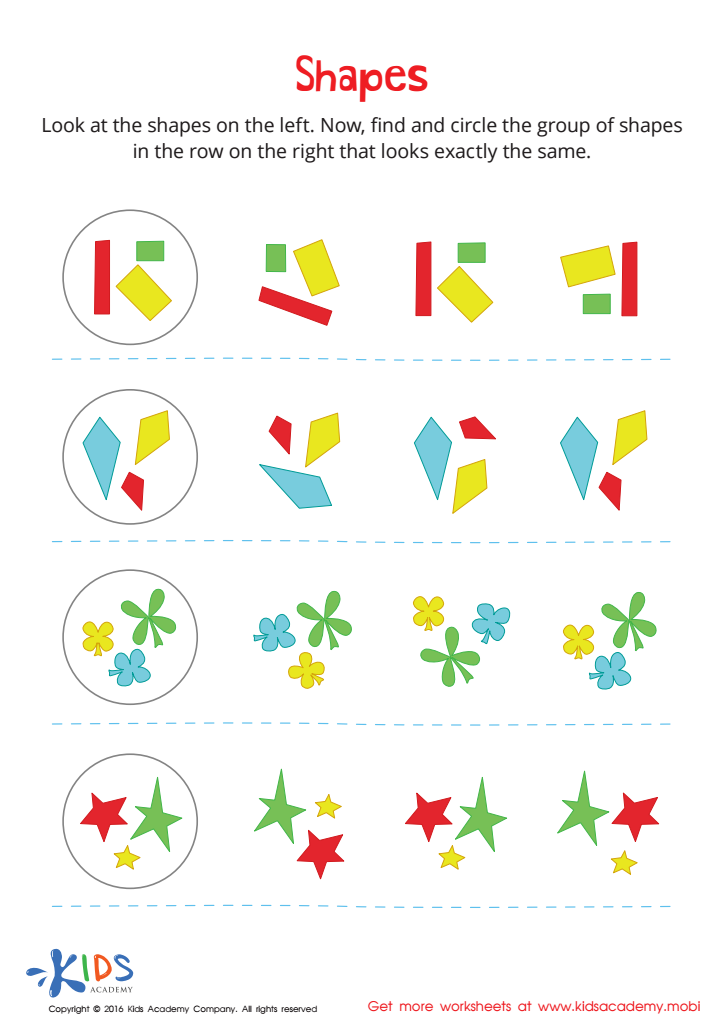
Shapes Worksheet
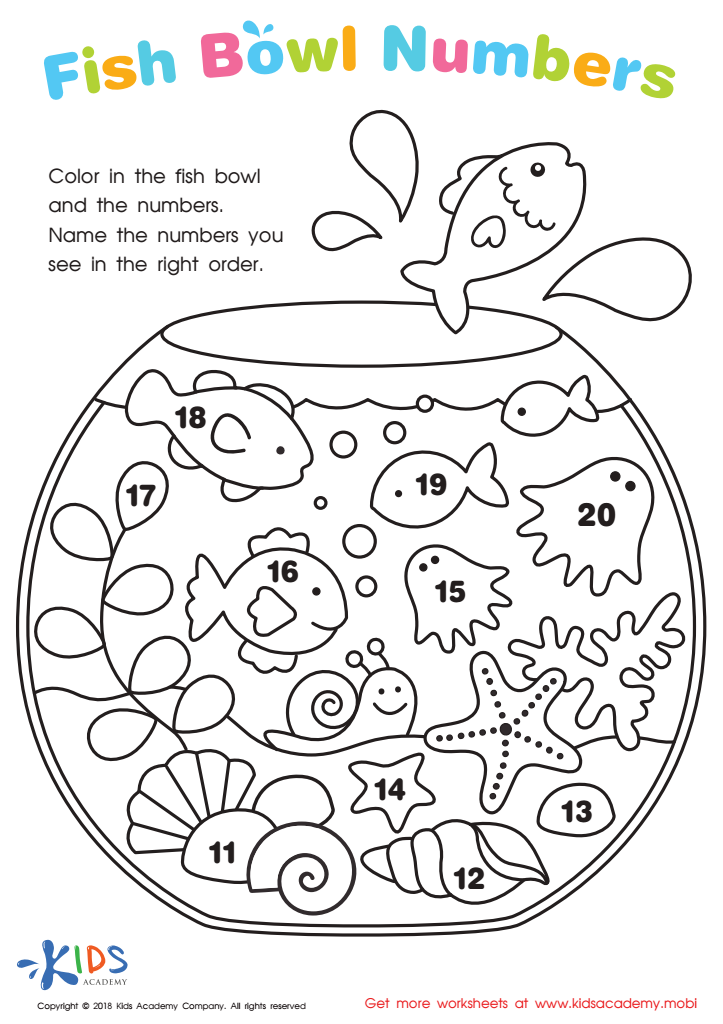
Fish Bowl Numbers Worksheet
 Assign to My Students
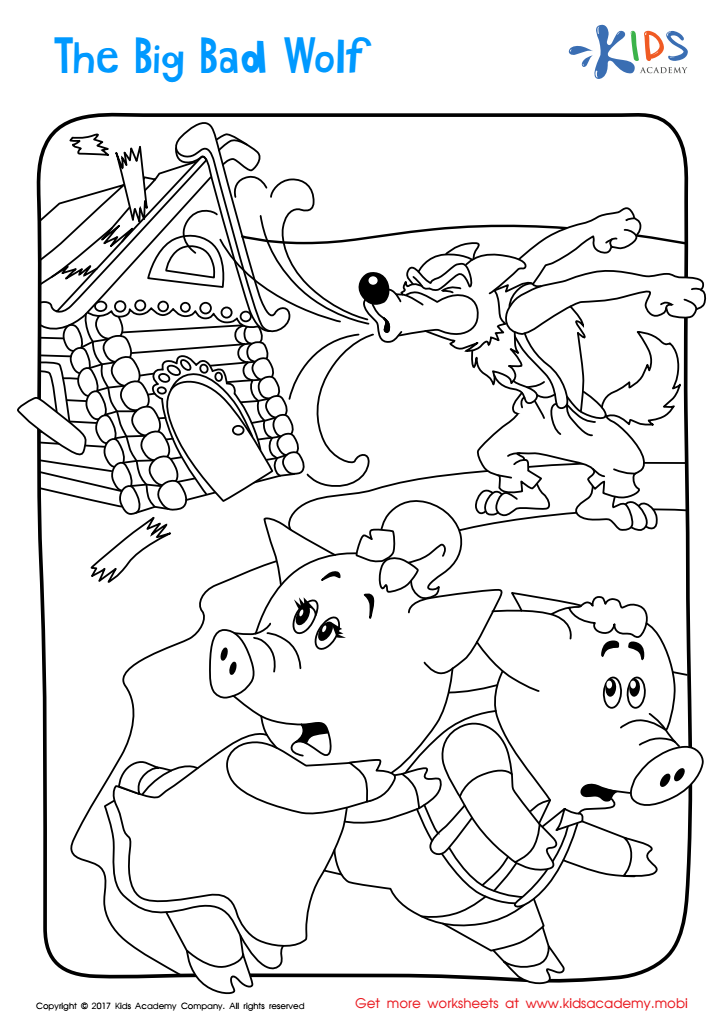
Big Bad Wolf Printable Coloring Page
Assign to My Students
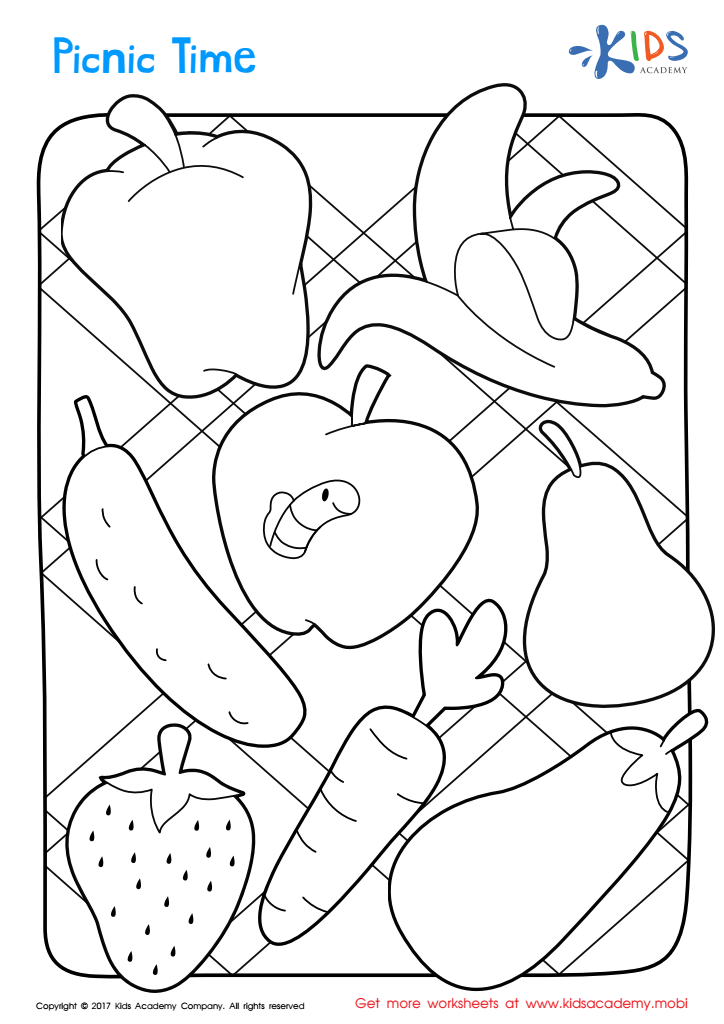
Picnic Time Coloring Page
Assign to My Students
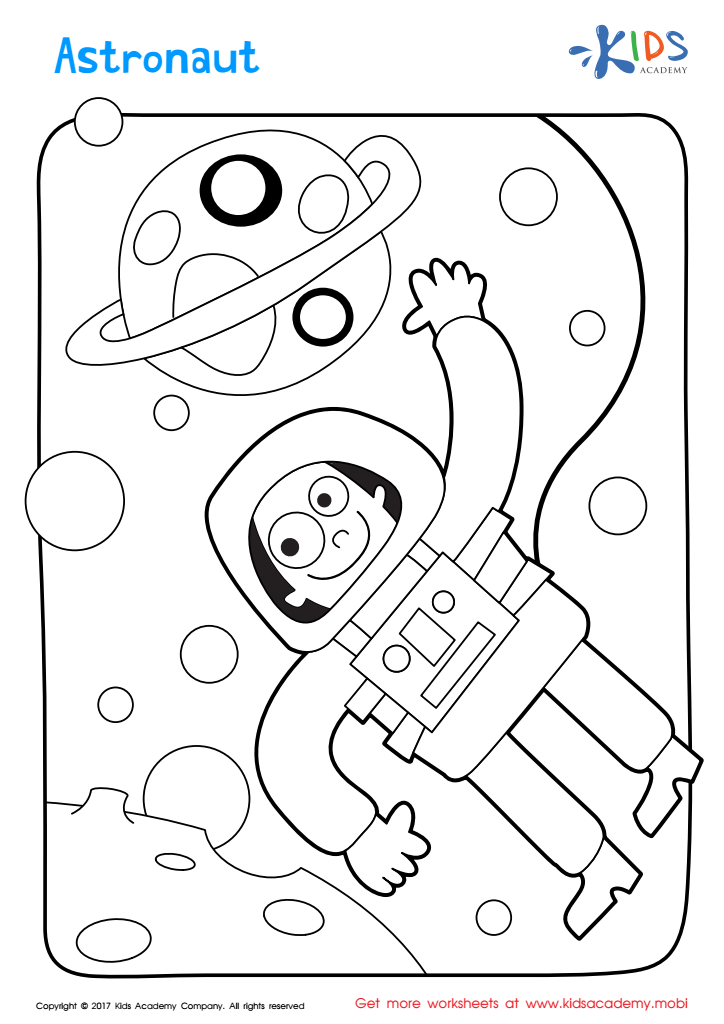
Astronaut Coloring Page
Assign to My Students
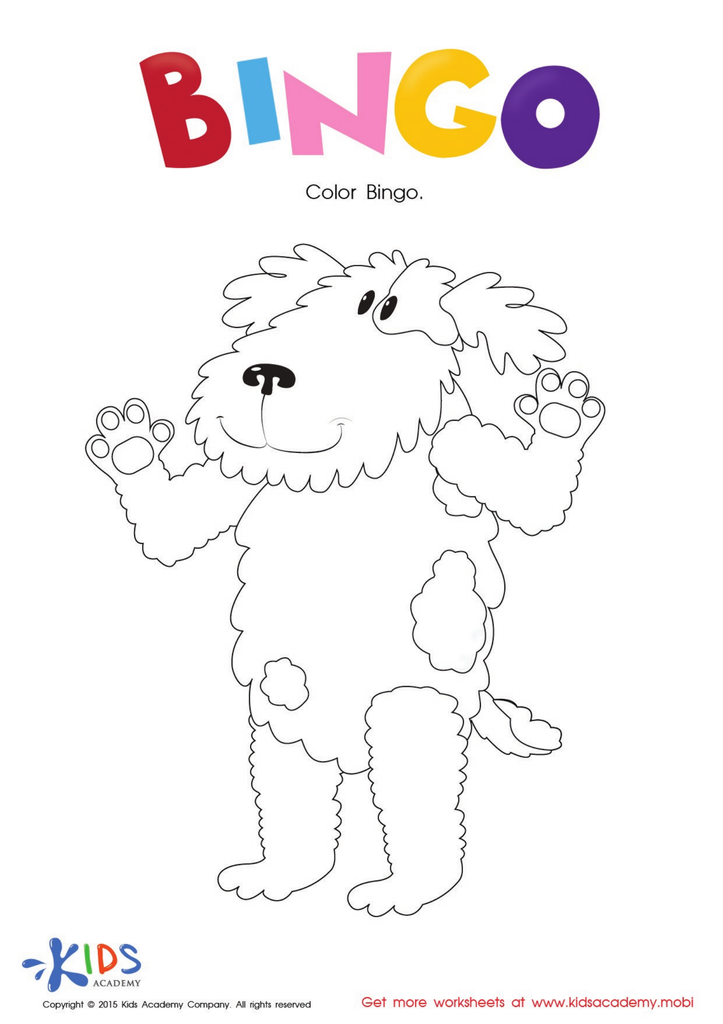
The Bingo Song: Coloring The Dog Worksheet
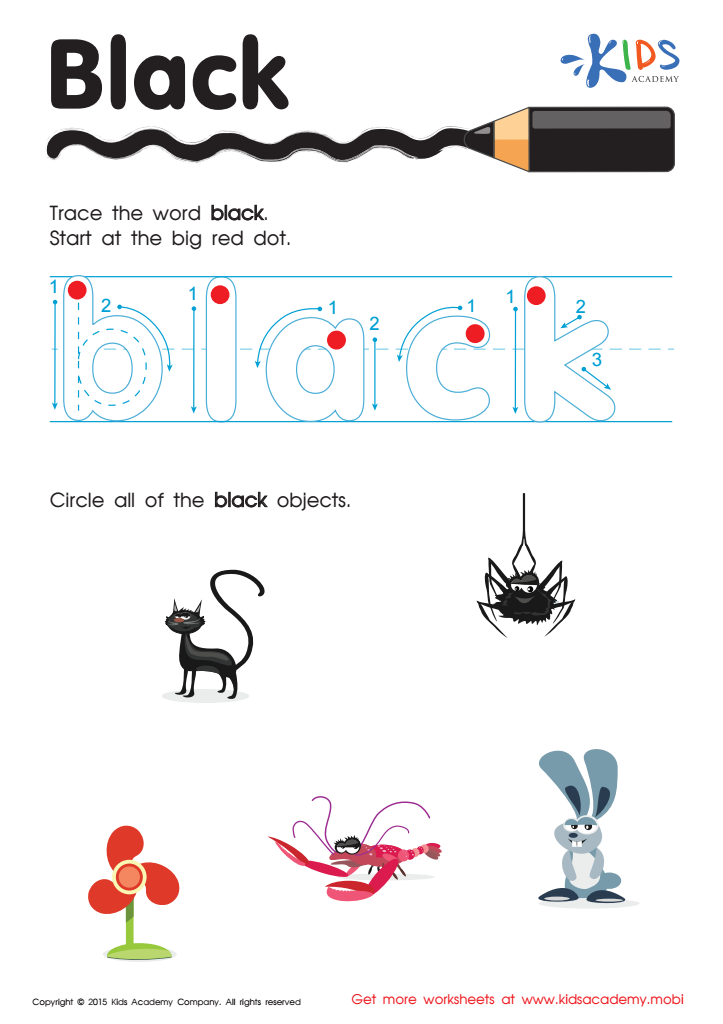
Black Tracing Color Words Printable
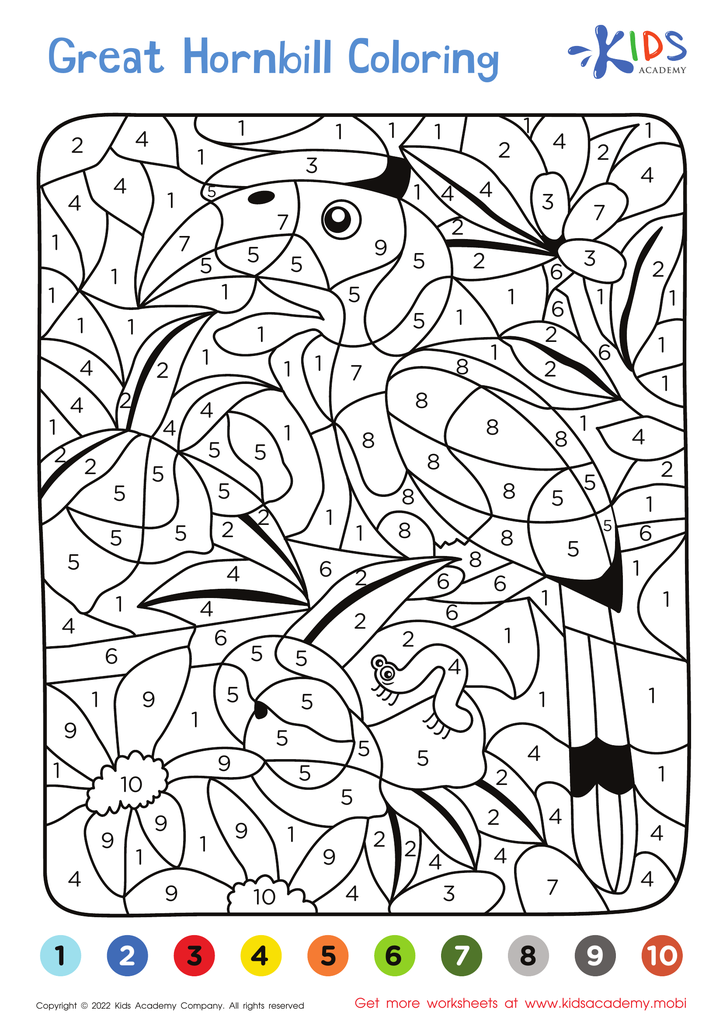
Great Hornbill – Coloring by Numbers
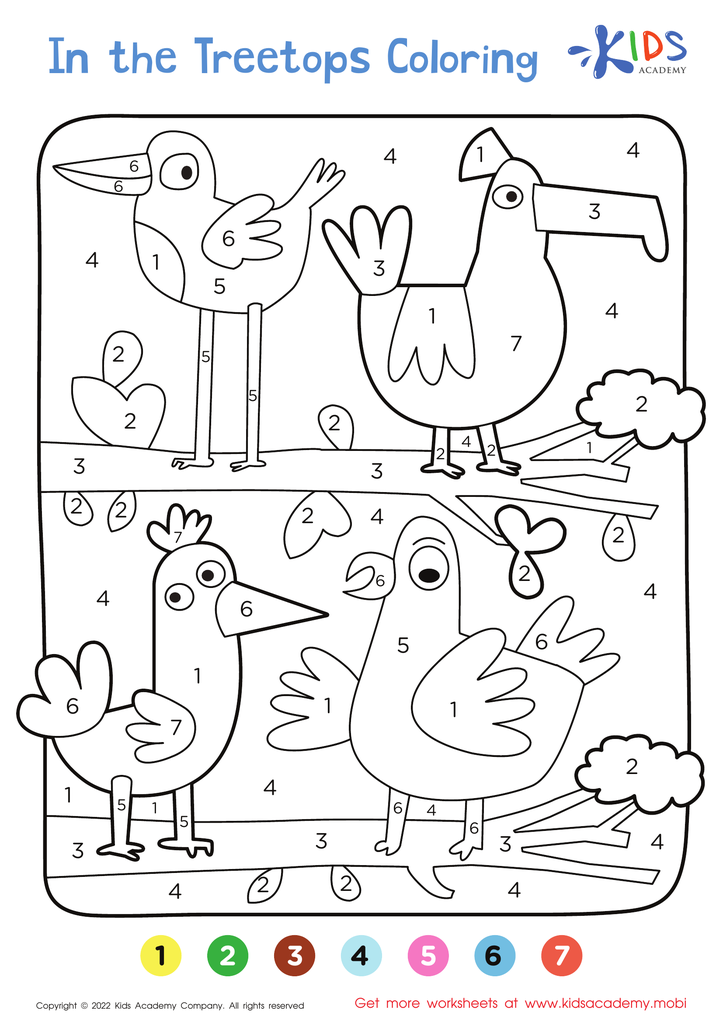
In the Treetops – Coloring Page
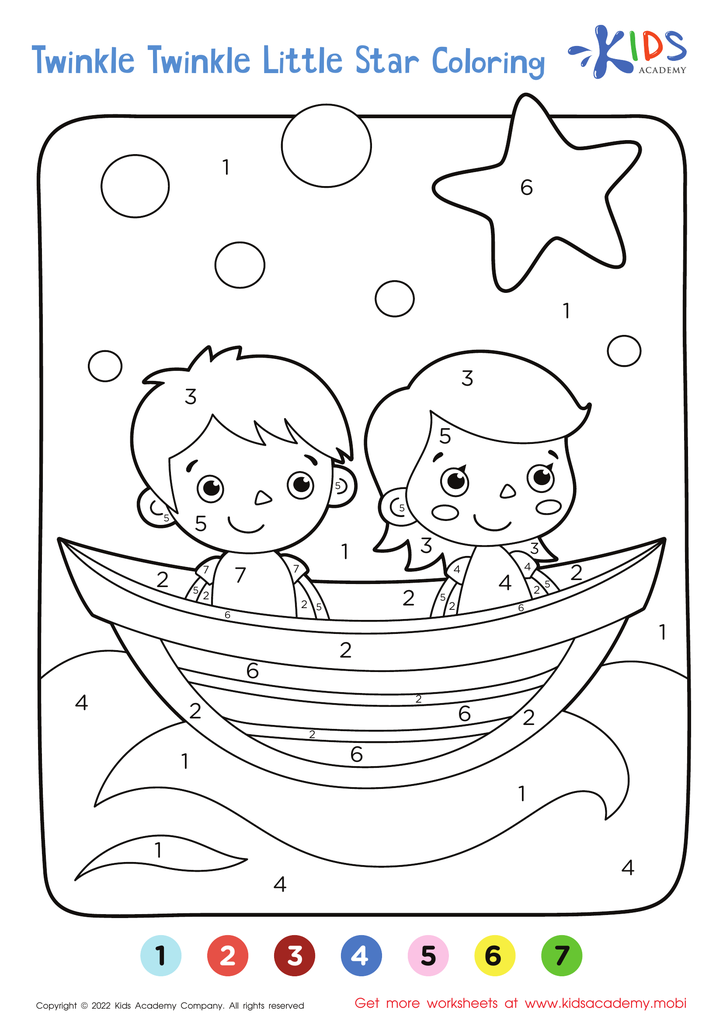
Twinkle, Twinkle, Little Star – Coloring by Numbers
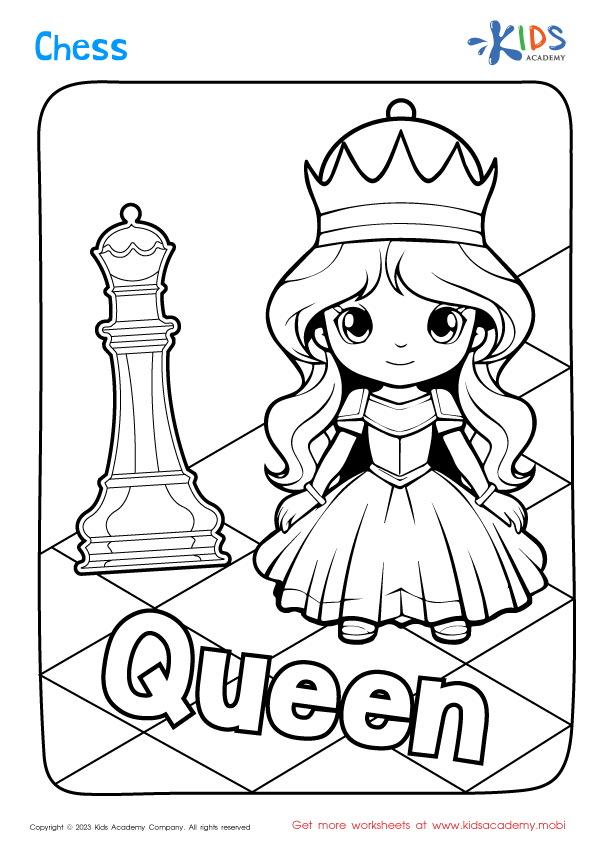
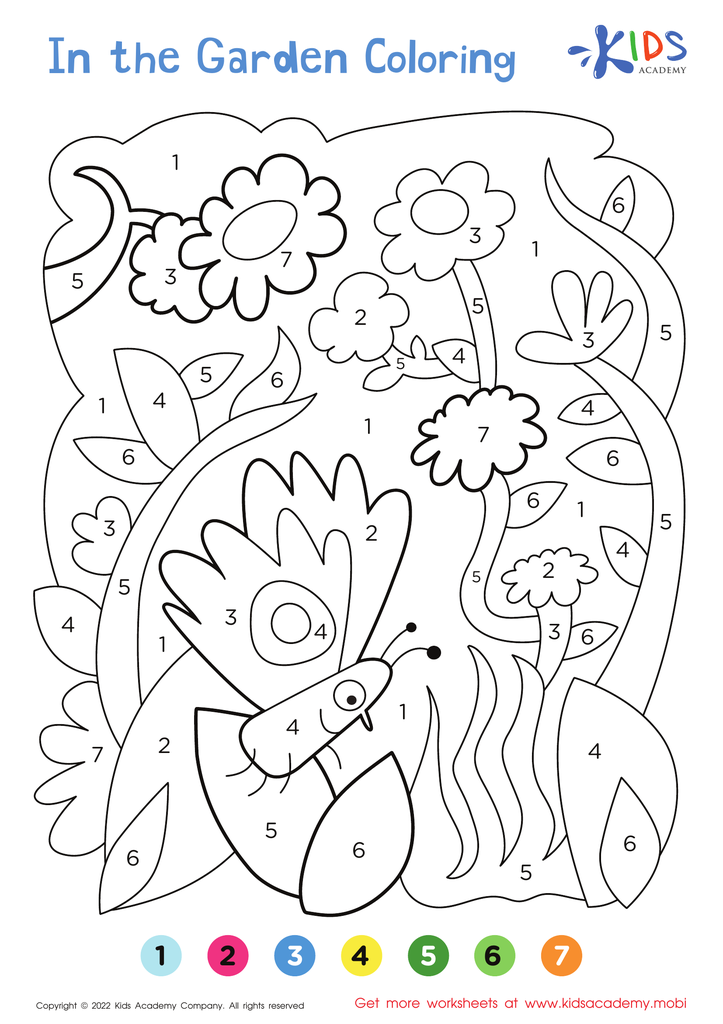
In the Garden – Coloring by Numbers
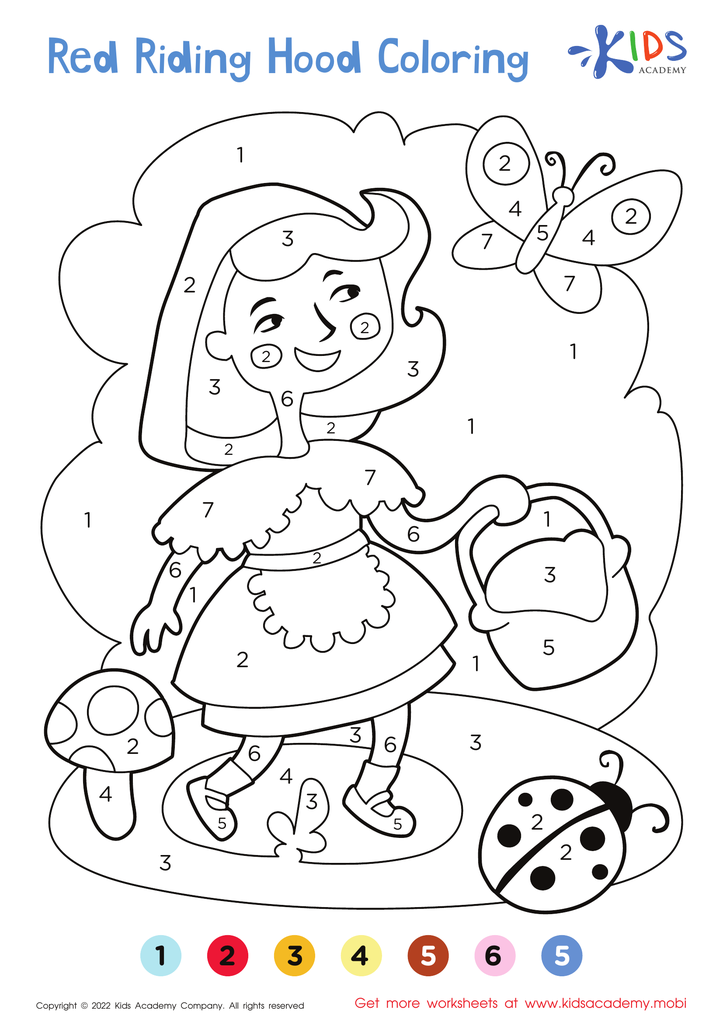
Little Red Riding Hood – Coloring by Numbers







Color recognition is crucial for 3-year-olds as it lays the foundation for various essential skills. Firstly, learning to identify and differentiate colors enhances cognitive development. Colors are one of the first attributes of objects that children observe, and recognizing them aids in classifying and categorizing items in their environment, fostering critical thinking and problem-solving skills.
Secondly, color recognition is strongly tied to language development. When children learn the names of colors, it expands their vocabulary and helps them articulate their thoughts and observations more effectively. Asking a child to designate red, blue, or green items, for instance, enriches their descriptive language abilities.
Additionally, understanding colors stimulates creativity and self-expression. Children use colors in drawing and other artistic activities to portray their emotions and ideas, improving both their imaginative and fine motor skills.
Furthermore, social and emotional development benefits from color recognition since colors are often used to convey feelings and moods. Recognizing these can facilitate a child's ability to understand and communicate their emotions, as well as interpret those of others.
For these reasons, both parents and teachers should prioritize teaching color recognition to 3-year-olds. It’s a fun and engaging way to support a child’s all-around development, preparing them for later academic success and interpersonal competence.








