Fine motor development Worksheets for 3-Year-Olds
6 filtered results
-
From - To
Discover an engaging collection of fine motor development worksheets tailored for 3-year-olds! Our printable resources are designed to enhance children's hand-eye coordination and dexterity through fun activities like tracing, cutting, and coloring. These worksheets encourage creativity while helping little ones master essential skills necessary for their growth and learning journey. By integrating visual and tactile experiences, children will improve their fine motor skills at their own pace in an enjoyable way. Explore our wide variety of themes and exercises that foster independence and confidence in young learners, making skill development an exciting adventure for your preschooler! Perfect for at-home or classroom use!
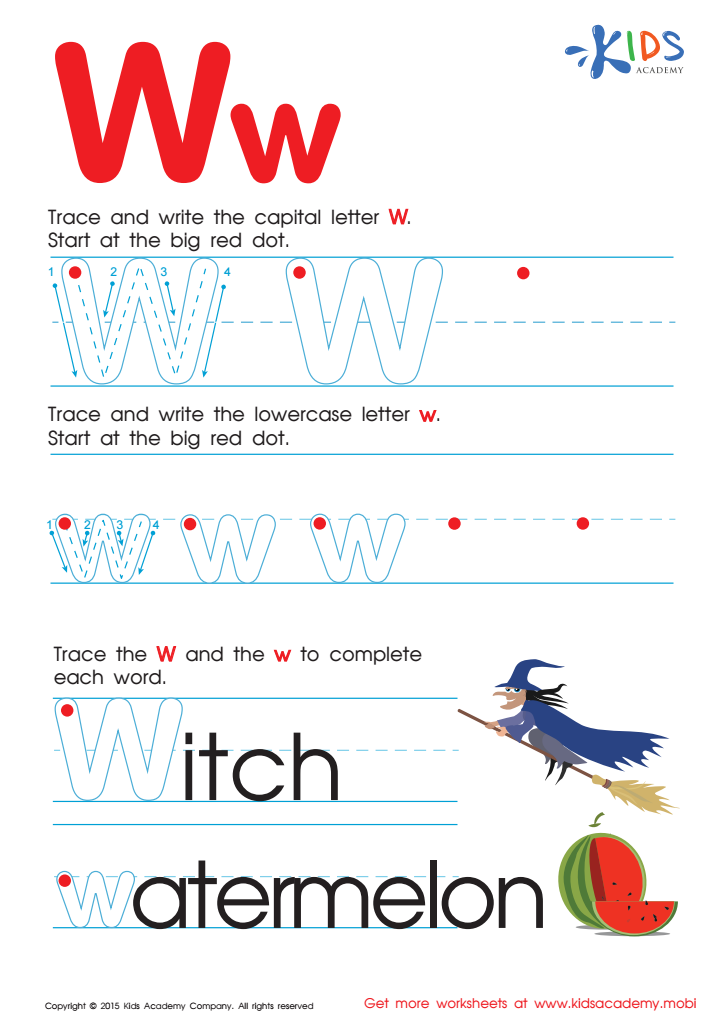
Letter W Tracing Page
 Assign to My Students
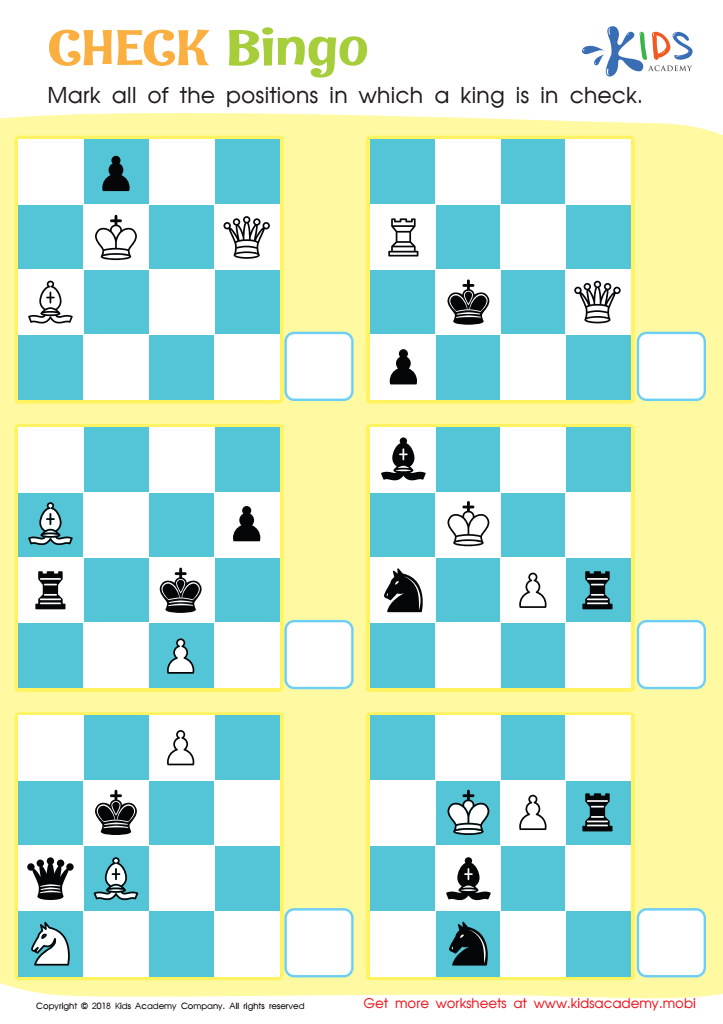
Check Bingo Worksheet
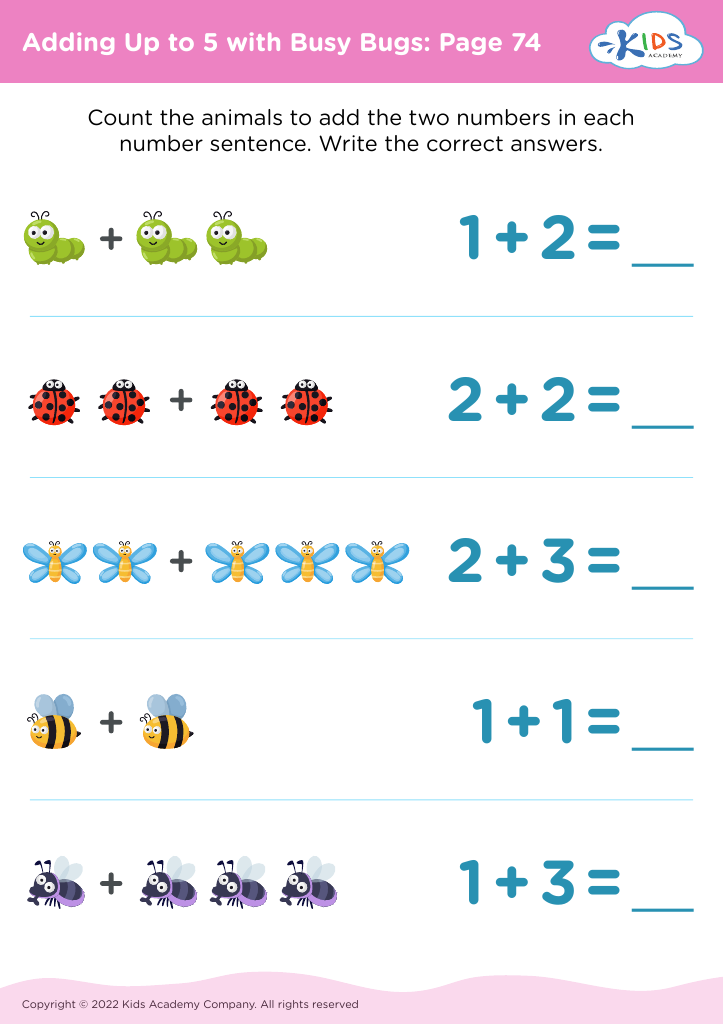
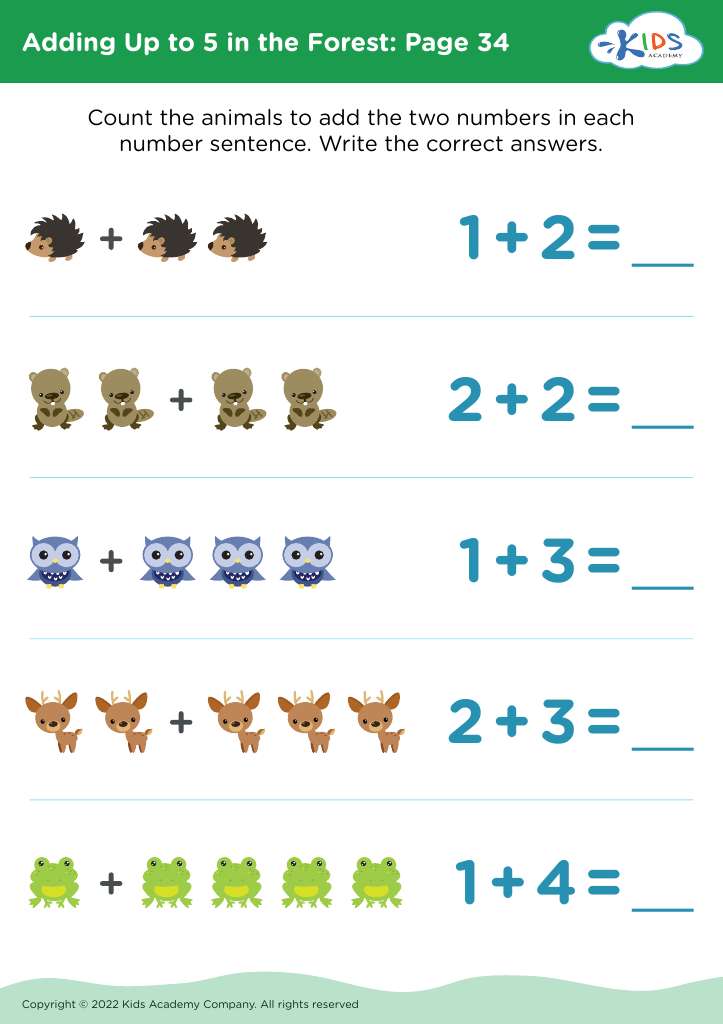
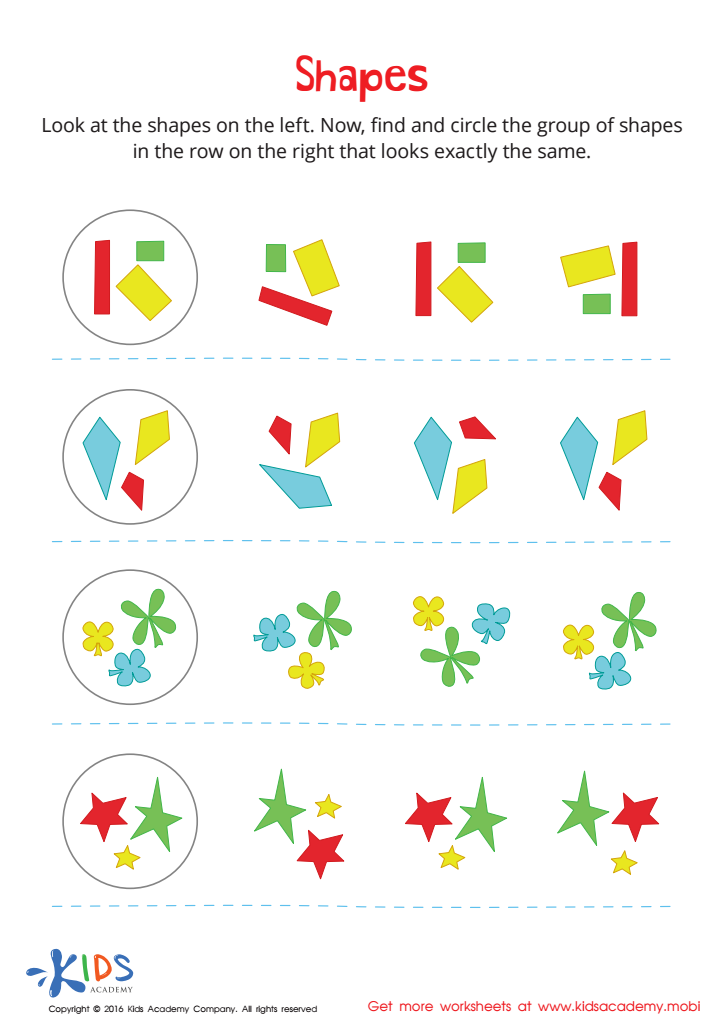
Shapes Worksheet







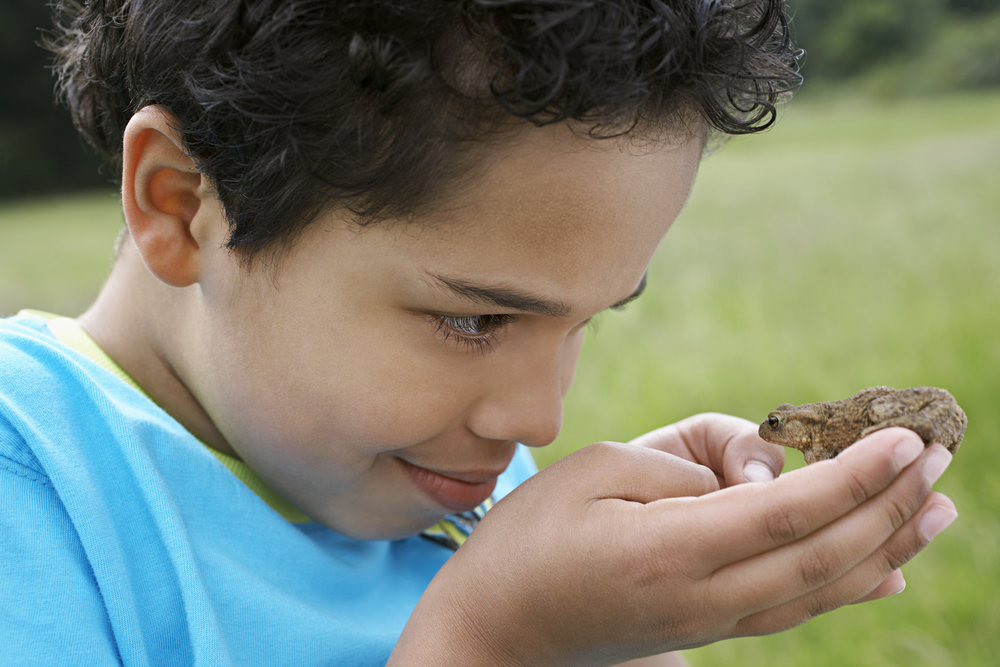
Fine motor development is crucial for 3-year-olds as it lays the groundwork for future skills and fosters overall growth. At this age, children's ability to manipulate small objects, use utensils, and engage in drawing or building activities comes to the forefront. Fine motor skills enhance hand-eye coordination, which is essential for everyday tasks like buttoning clothes, brushing teeth, and using scissors.
Parents and teachers should care about this aspect of development because strong fine motor skills contribute to confidence and independence in young children. As they master tasks, they build a sense of accomplishment and motivation for learning. Additionally, fine motor activities stimulate cognitive skills, encouraging problem-solving and creative thinking as children explore textures, shapes, and colors.
Furthermore, fine motor development is closely associated with academic readiness, particularly in literacy and math. Skills such as writing, cutting, and even counting with small items rely heavily on a child's fine motor abilities. By prioritizing fine motor activities—like crafting, playing with building blocks, or engaging in playdough—they equip children with the necessary tools for success in school and beyond. Supporting this development ensures that children are prepared for the complexities of later life skills.








