Fine motor skills development Worksheets for 3-Year-Olds
7 filtered results
-
From - To
Discover our engaging Fine Motor Skills Development Worksheets specially designed for 3-year-olds! These fun, interactive worksheets provide a perfect way to support young learners as they enhance their hand-eye coordination, dexterity, and overall motor control. Featuring a variety of activities such as tracing, cutting, and coloring, these resources make learning enjoyable while promoting crucial developmental skills. Ideal for preschool and home use, our worksheets encourage creativity and concentration, laying a strong foundation for future academic success. Download now and give your child the opportunity to boost their fine motor skills in a playful, stimulating environment!
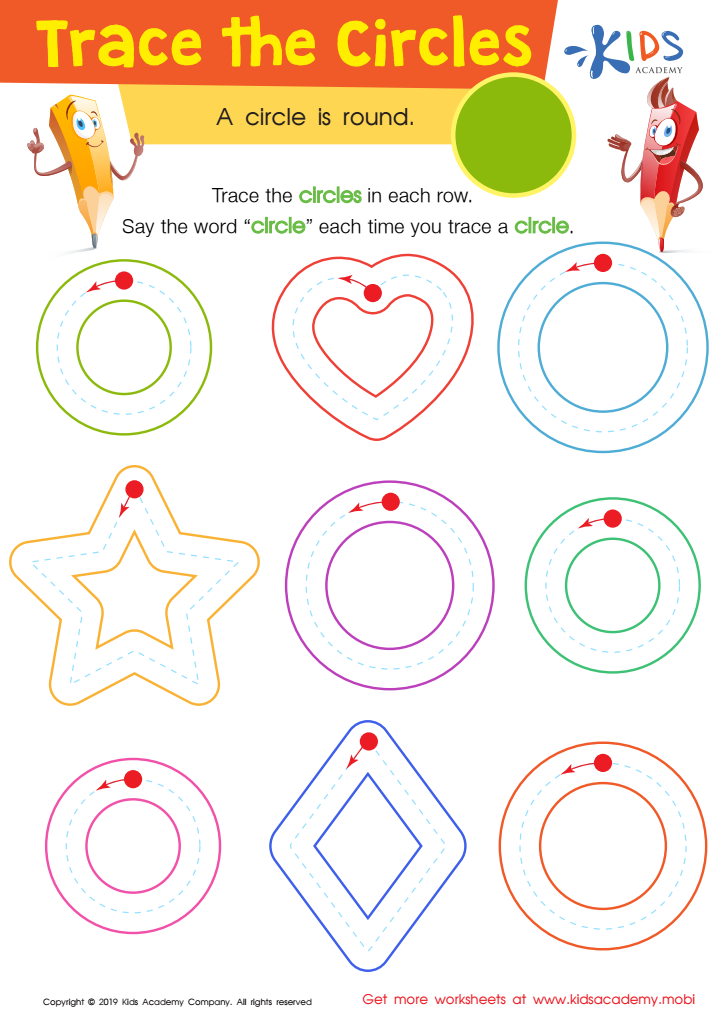
Trace The Circles Worksheet
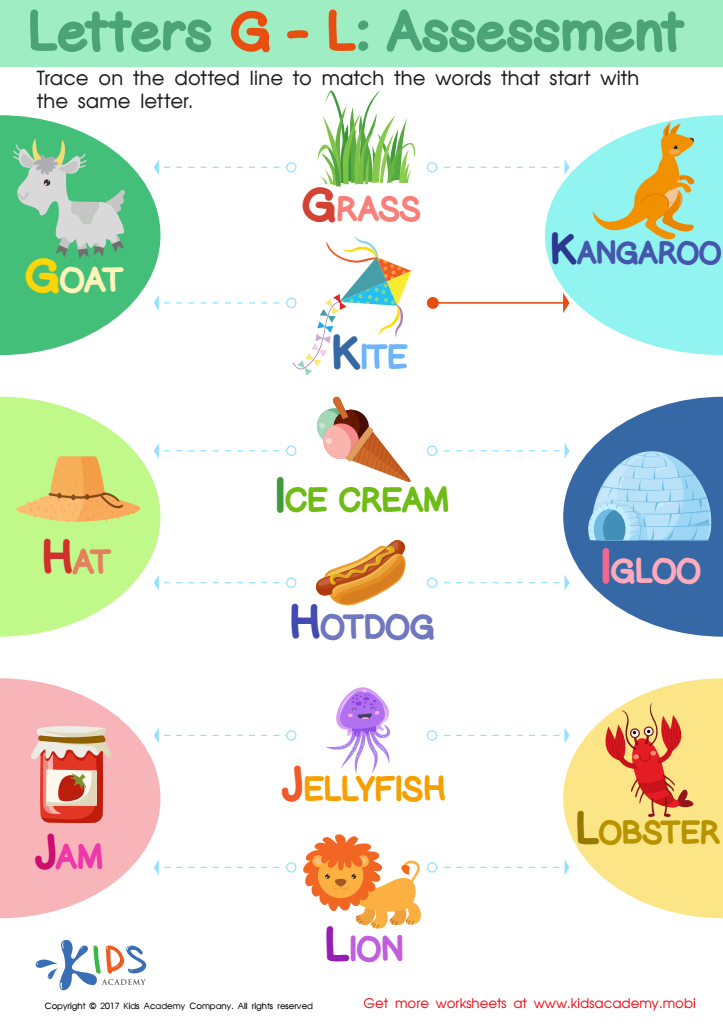
Letters G-L Worksheet
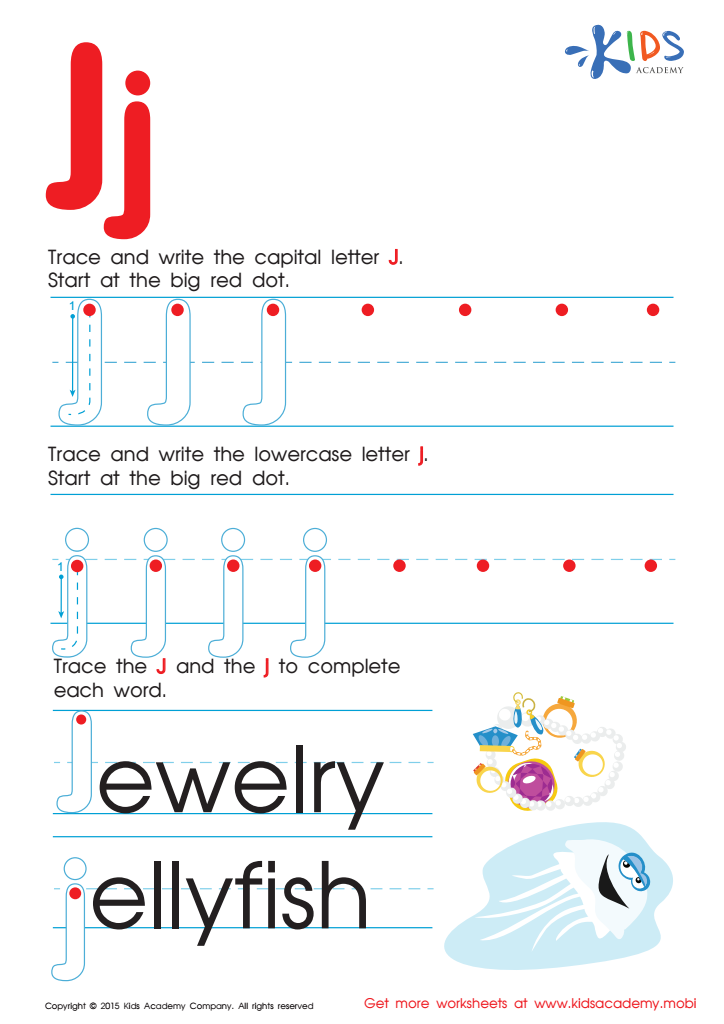
Letter J Tracing Page
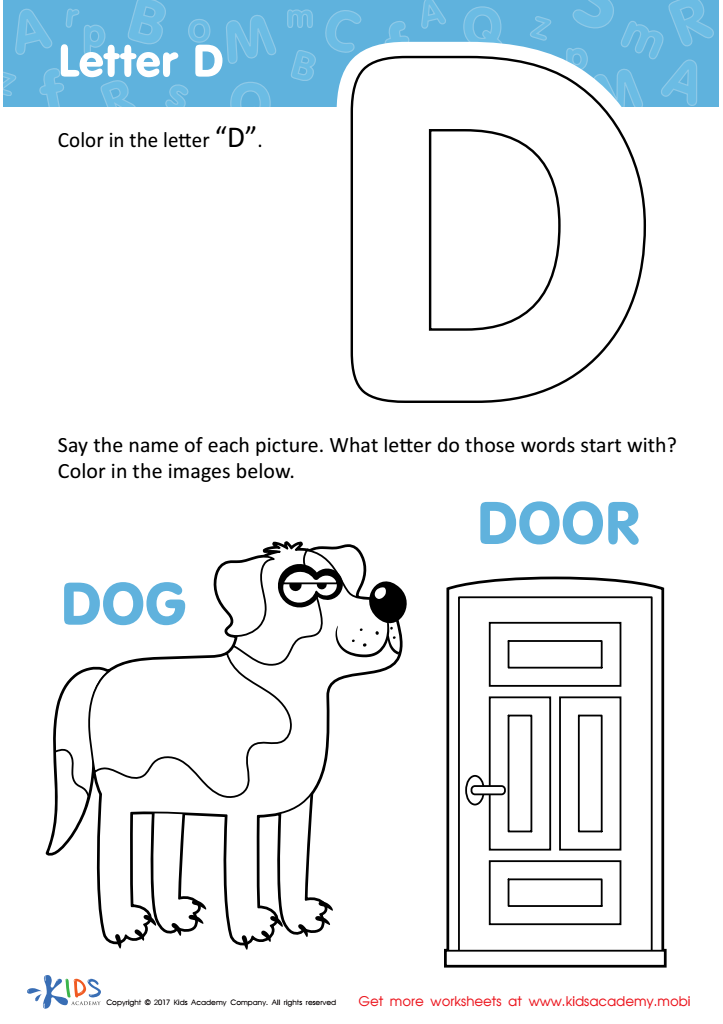
Letter D Coloring Sheet
 Assign to My Students
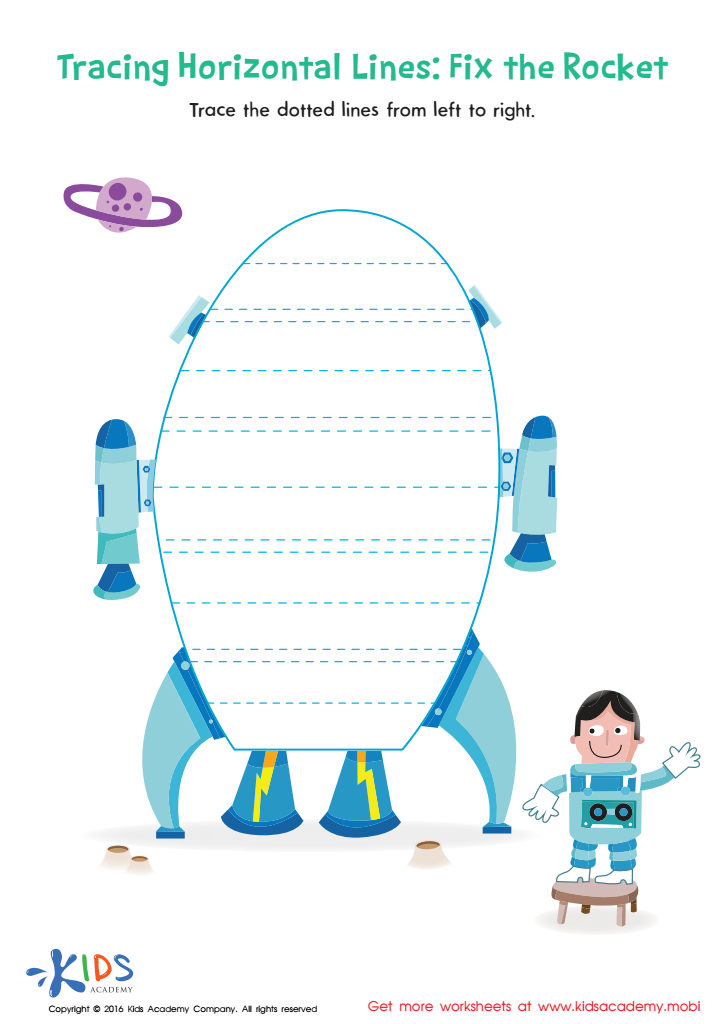
Tracing Horizontal Lines Worksheet
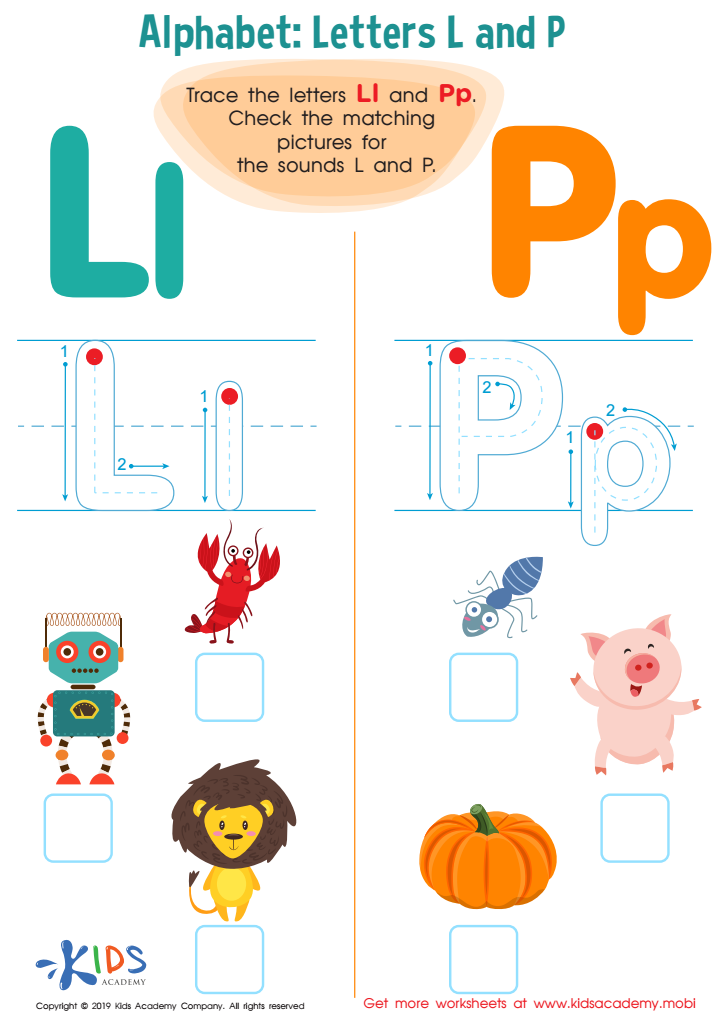
Letter L and P Tracing Worksheet





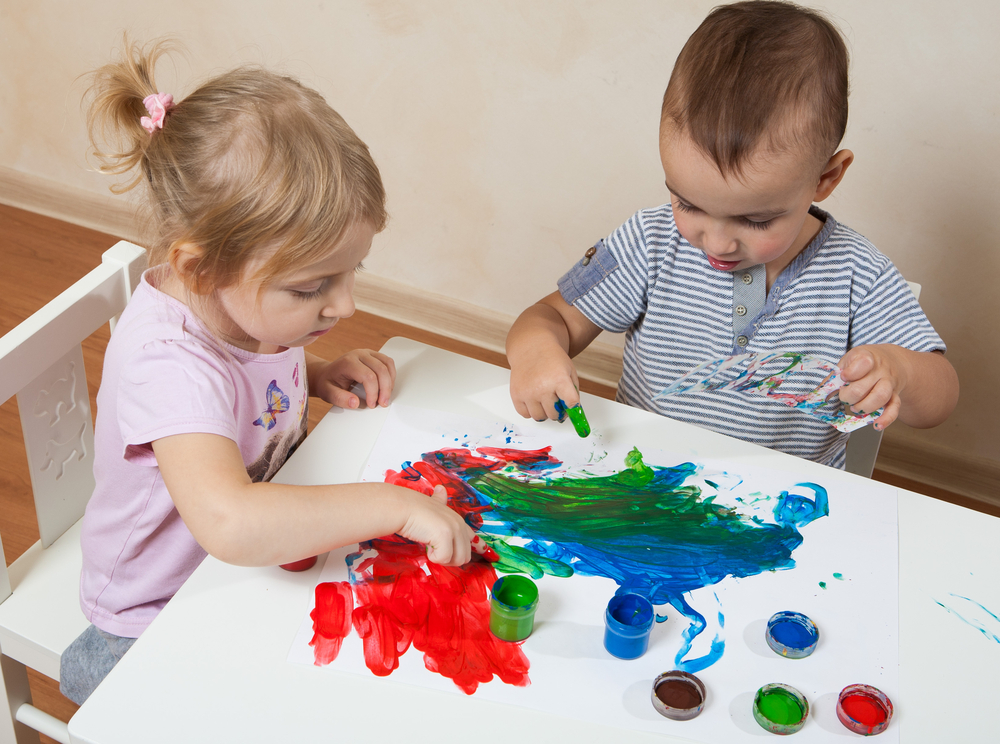

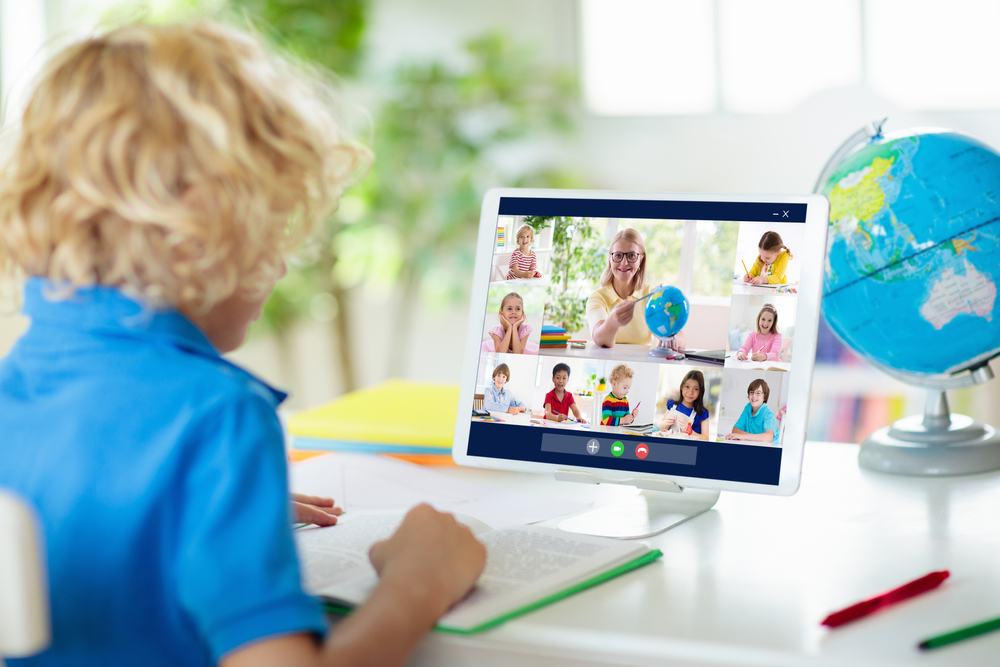
Fine motor skills development is crucial for 3-year-olds as it lays the groundwork for their overall growth and future learning. These skills involve the small muscles in the hands and fingers, enabling children to perform tasks like gripping, coloring, cutting, and buttoning. By honing these skills, children gain confidence and independence in performing everyday activities.
Parents and teachers should prioritize fine motor skill development because it directly affects children's academic readiness. Many early learning activities, such as writing and drawing, require precision and control, which depend on well-developed fine motor skills. Furthermore, strong fine motor skills correlate with improved cognitive abilities, as they promote problem-solving and hand-eye coordination.
Engaging in activities that promote fine motor skills, like threading beads or building with blocks, supports sensory integration and brain development, providing a multisensory learning experience. Additionally, improved fine motor skills can help reduce frustration and boost self-esteem, making children feel more capable in social settings.
Ultimately, fostering fine motor development during these formative years prepares children for their future educational journeys and equips them with essential life skills, ensuring they are proactive, engaged learners in everyday experiences.








