Fine motor skills (drawing) Worksheets for 3-Year-Olds
4 filtered results
-
From - To
Our "Fine Motor Skills (Drawing) Worksheets for 3-Year-Olds" are designed to help your child develop essential fine motor skills through engaging activities. These expertly crafted worksheets feature fun, age-appropriate drawing exercises that will enhance your child's hand-eye coordination, pencil control, and creativity. Each activity is carefully tailored to support early childhood development, making learning enjoyable and effective. Discover a wide variety of delightful worksheets that will keep your little one entertained while building a strong foundation for future writing skills. Spark your child's imagination and set them on the path to lifelong learning success today!
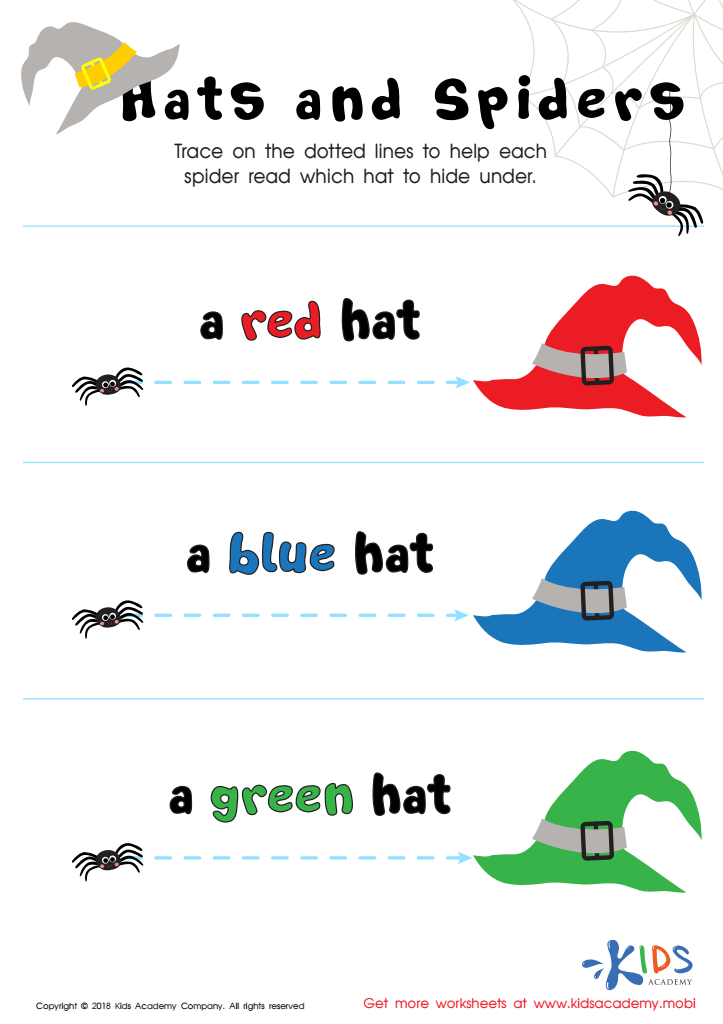
Read from Left to Right: Hats and Spiders Worksheet
 Assign to My Students
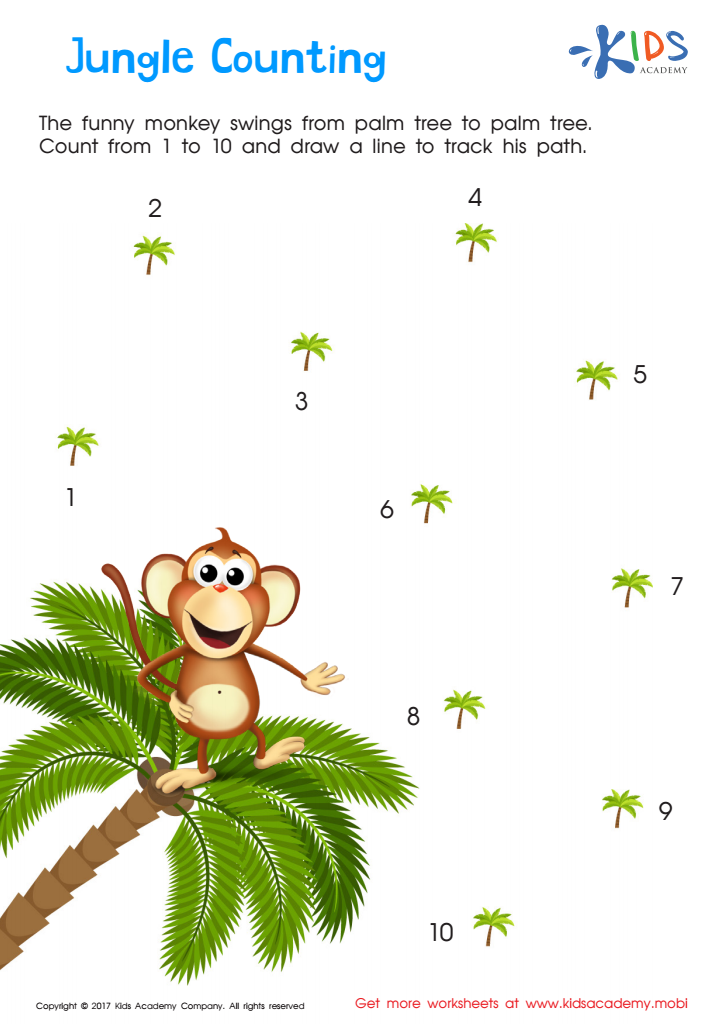
Jungle Counting Connect Dots Worksheet
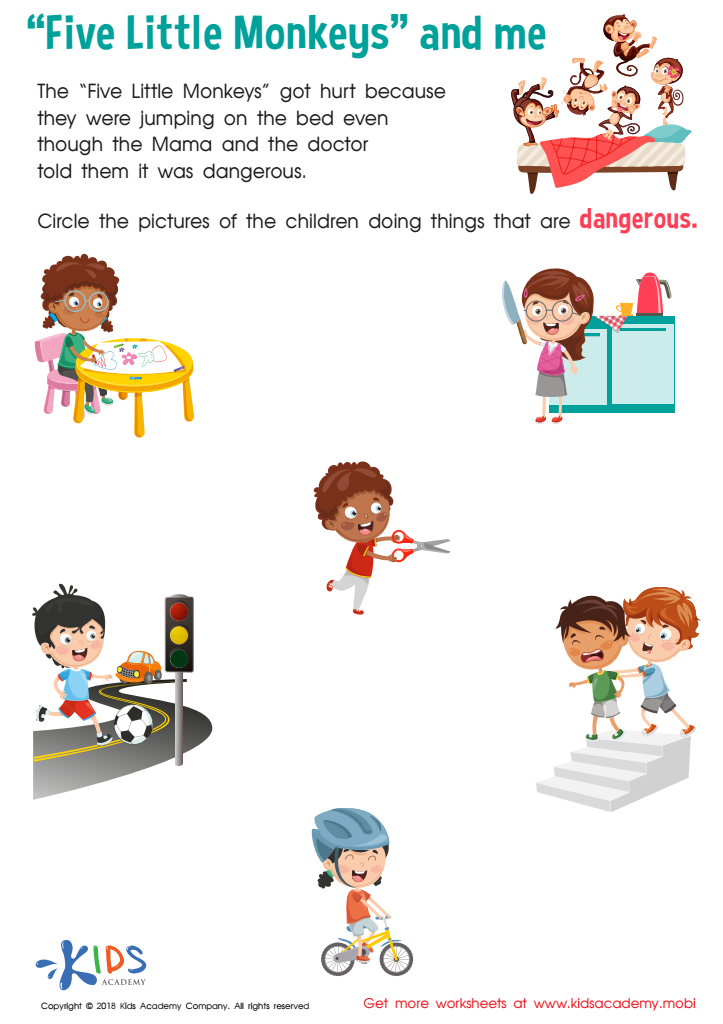
Five Little Monkeys and Me Worksheet
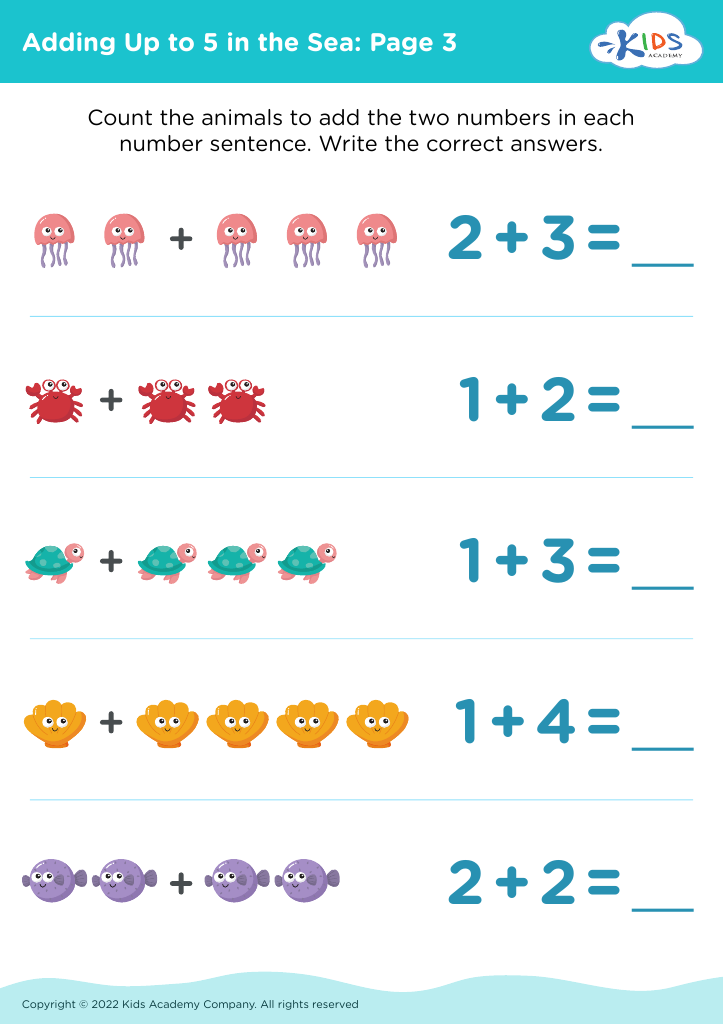








Fine motor skills refer to the coordination of small muscles in movements—usually involving the synchronization of hands and fingers with the eyes. For 3-year-olds, developing fine motor skills through activities like drawing is crucial for several reasons. Firstly, these skills are foundational for daily tasks, such as buttoning clothes, using utensils, and eventually writing. Proficiency in these areas boosts the child’s independence and self-confidence.
Additionally, engaging in drawing and similar activities enhances cognitive development. It encourages problem-solving, planning, and understanding spatial relationships. The act of drawing or manipulating crayons and markers strengthens neural connections in the brain, promoting overall cognitive growth and readiness for more complex tasks in the future.
Emotionally, fine motor activities can be soothing and boost a child’s sense of accomplishment. Successfully creating something tangible provides a sense of pride and can improve self-esteem. Socially, fine motor skill development allows children to participate more fully in classroom activities, promoting inclusion and participation.
For parents and teachers, facilitating fine motor skills development is a gateway to fostering a well-rounded child who is prepared for future intellectual and socio-emotional challenges. Simple activities, like drawing, make a significant impact on a child's holistic growth, setting a robust foundation for lifelong learning and development.








