Handwriting improvement Worksheets for 3-Year-Olds
12 filtered results
-
From - To
Help your little one develop essential handwriting skills with our engaging Handwriting Improvement Worksheets for 3-Year-Olds. These specially designed worksheets focus on fine motor skills, letter recognition, and hand-eye coordination, making writing fun and enjoyable for young learners. Featuring playful letters, shapes, and tracing activities, our worksheets allow children to practice letter formation while enhancing their creativity. Suitable for both at-home learning and classroom settings, these interactive tools foster confidence and build early writing proficiency. Elevate your child's early education journey with our thoughtfully crafted resources, and watch them flourish as they master the art of handwriting with excitement and ease!
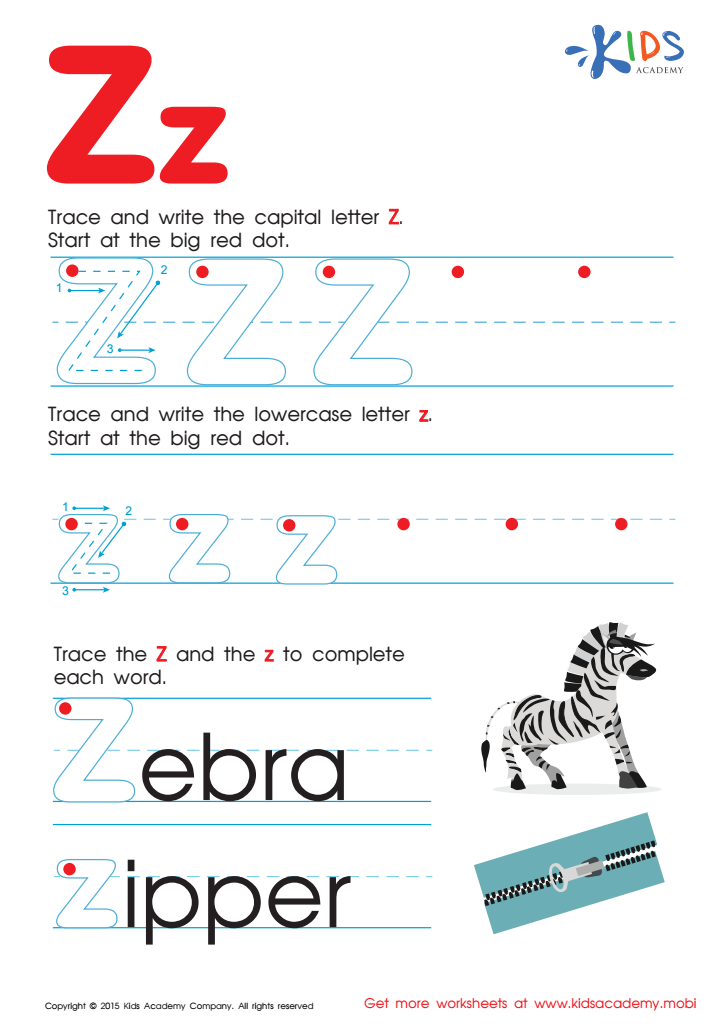
Letter Z Tracing Page
 Assign to My Students
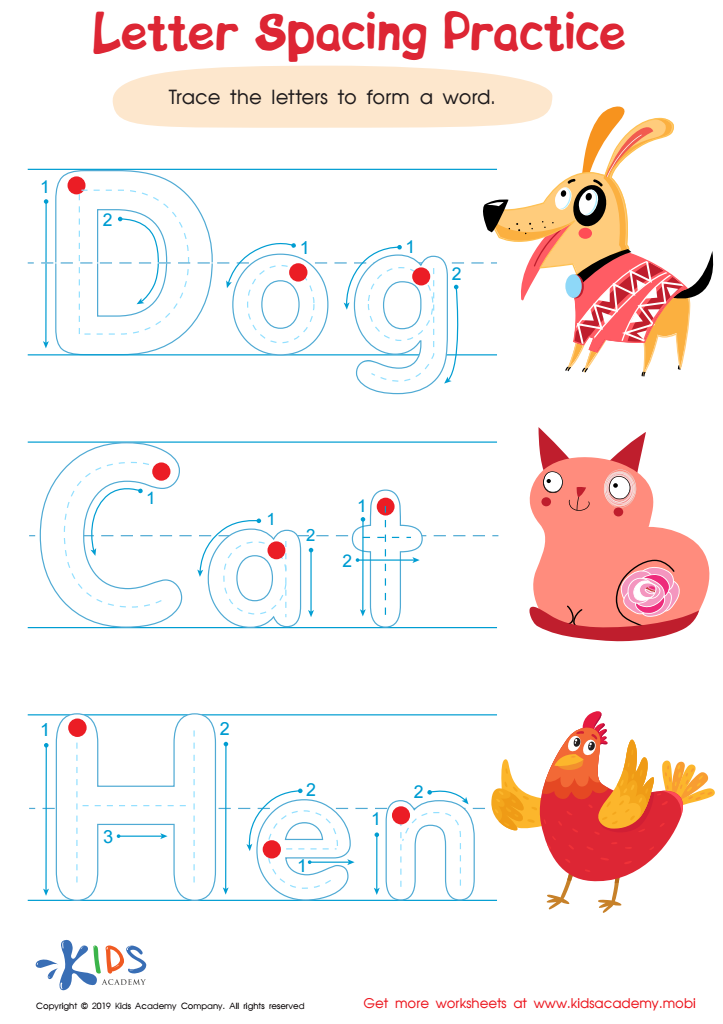
Letter Spacing Practice Worksheet
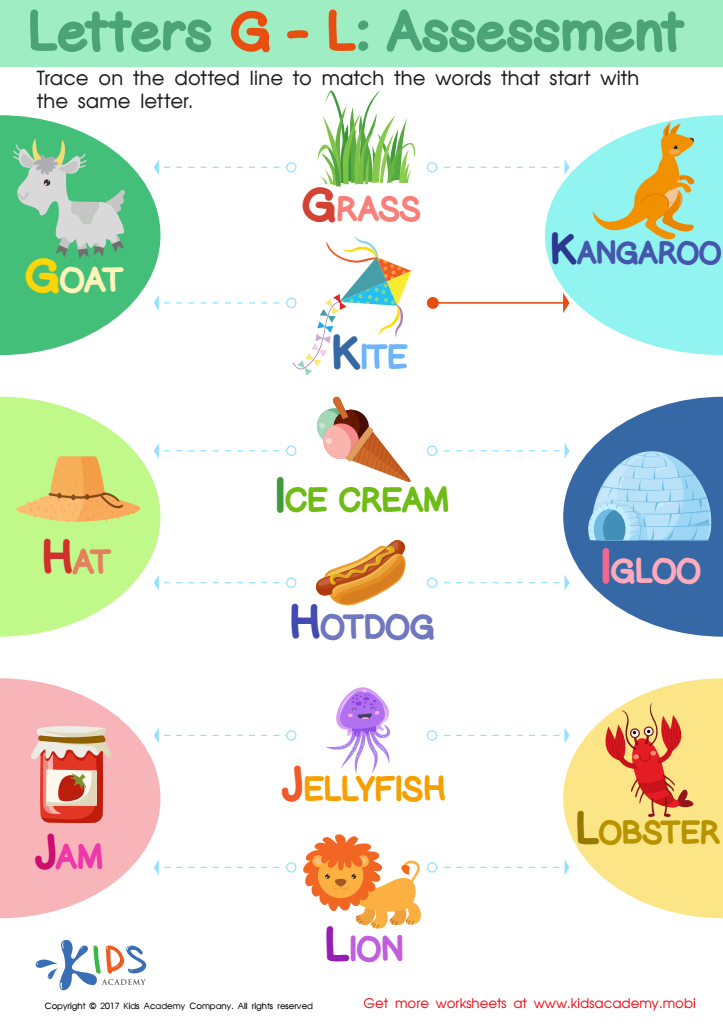
Letters G-L Worksheet
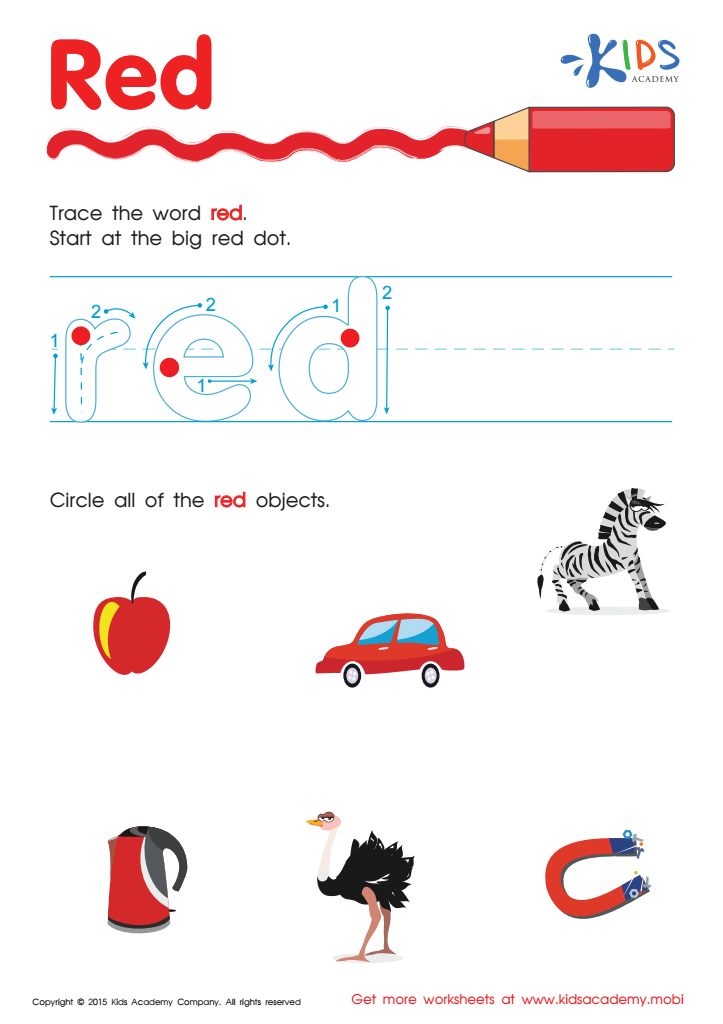
Red Tracing Color Words Printable
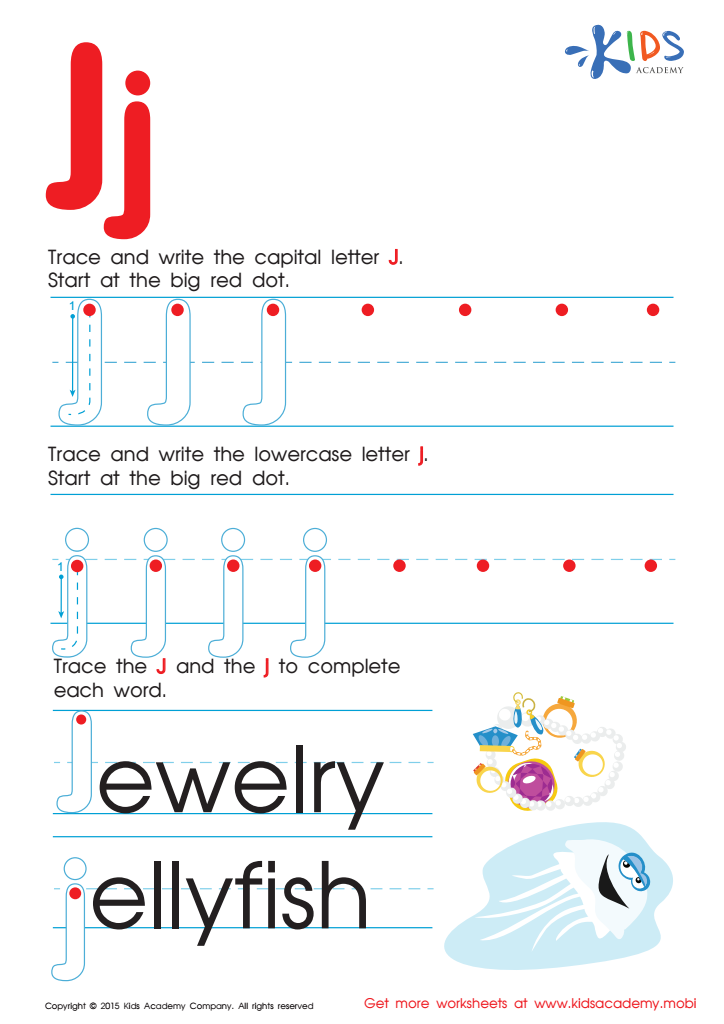
Letter J Tracing Page
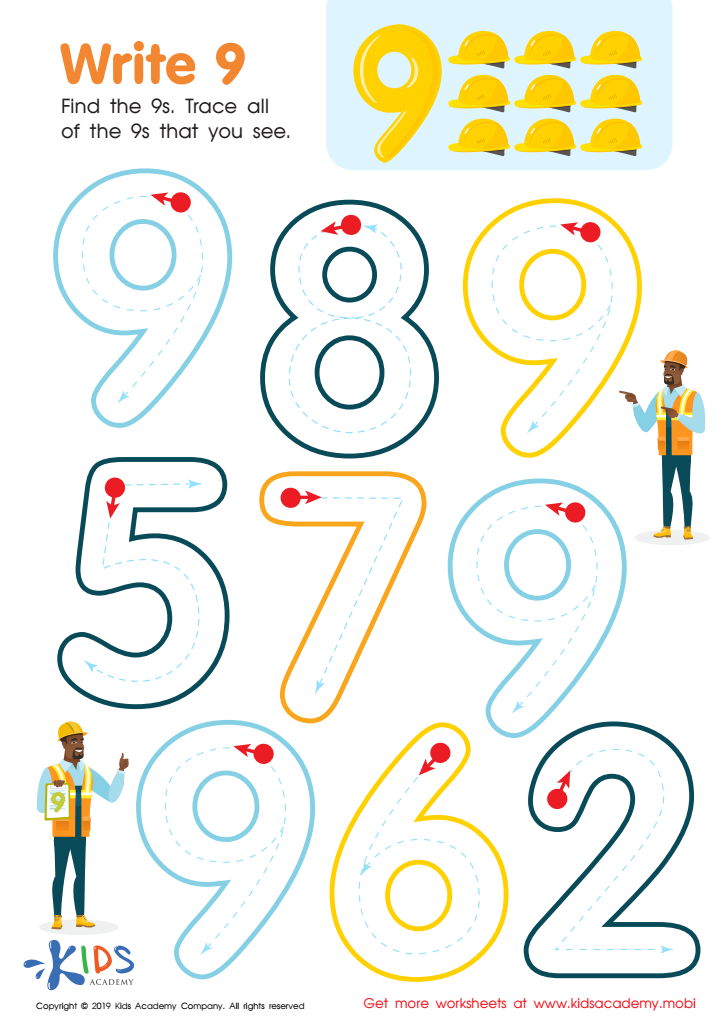
Write 9 Worksheet
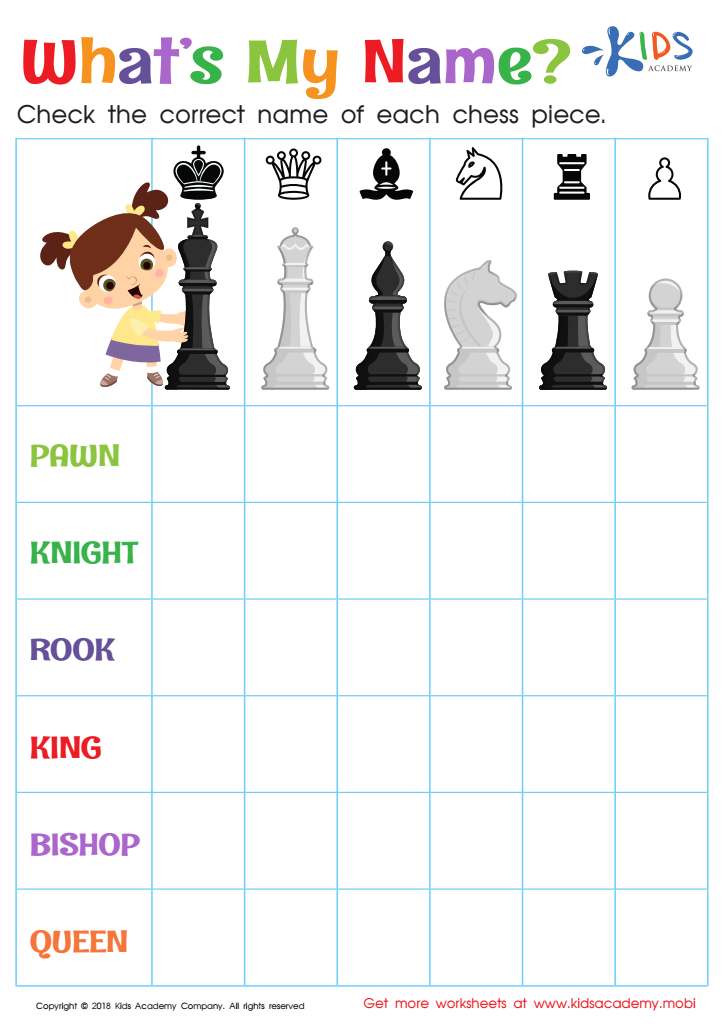
What's My Name? Worksheet
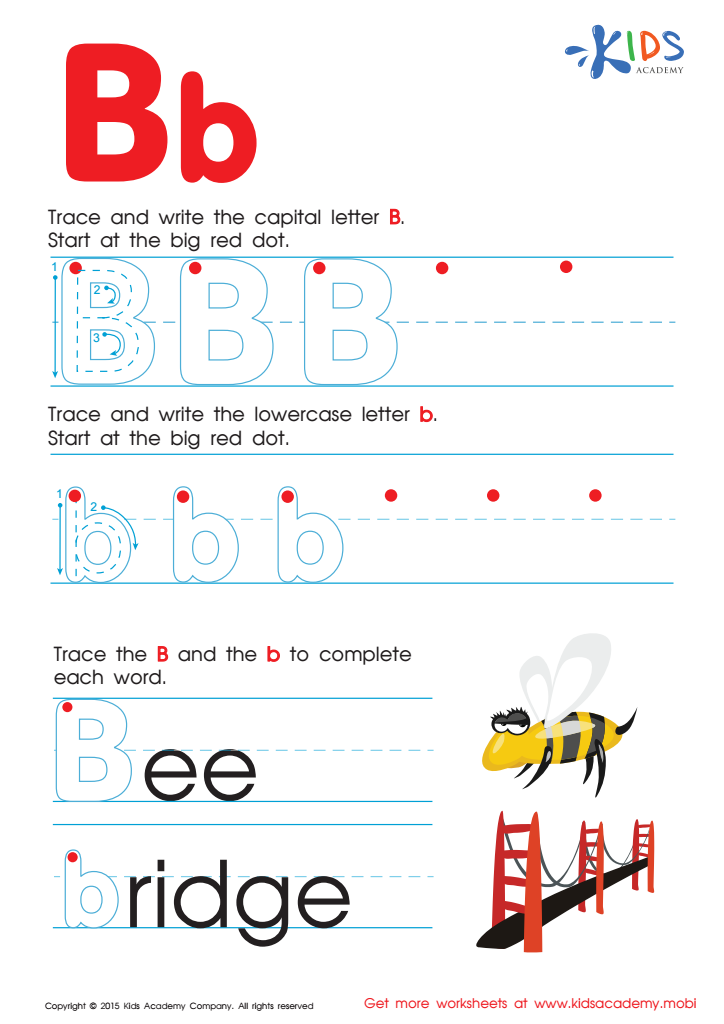
Letter B Tracing Page
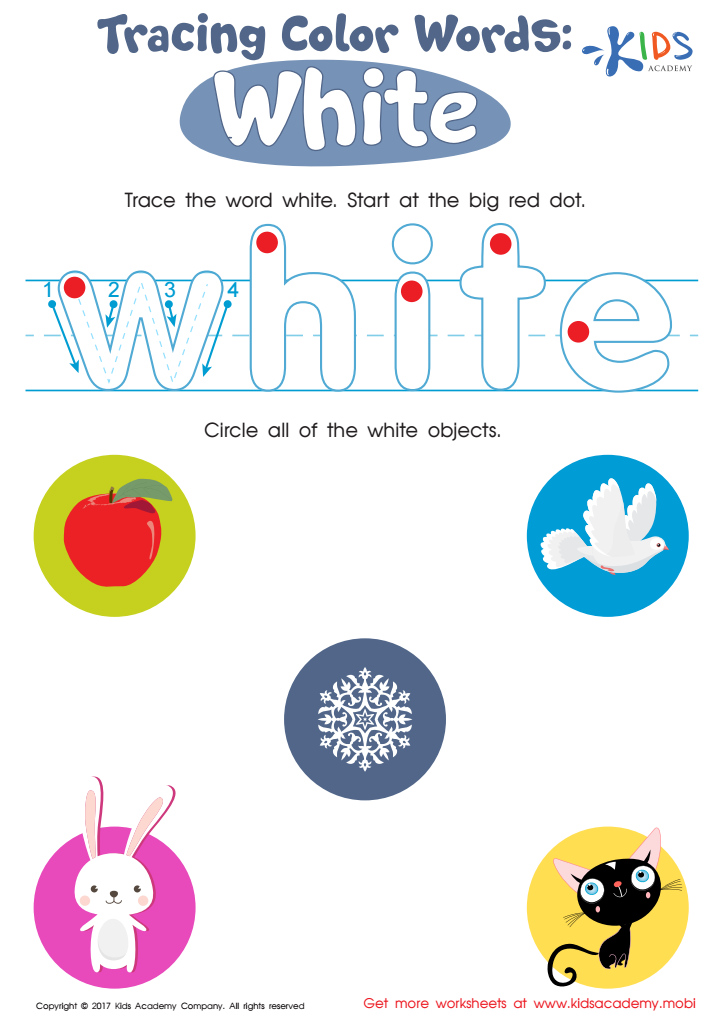
White Tracing Color Words Worksheet
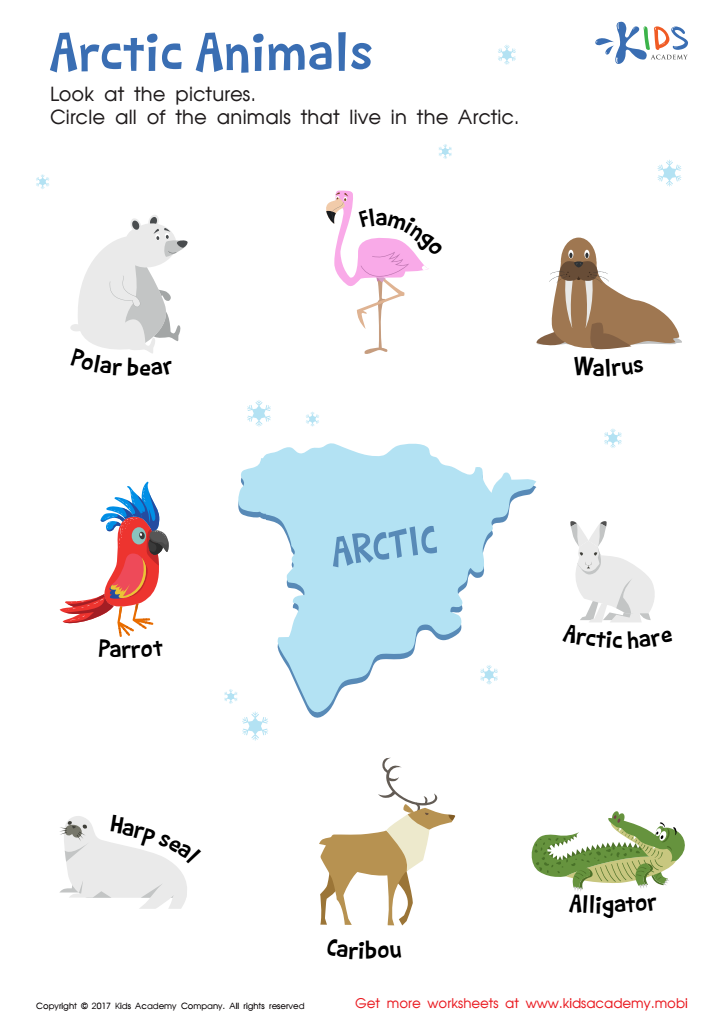
Arctic Animals Worksheet
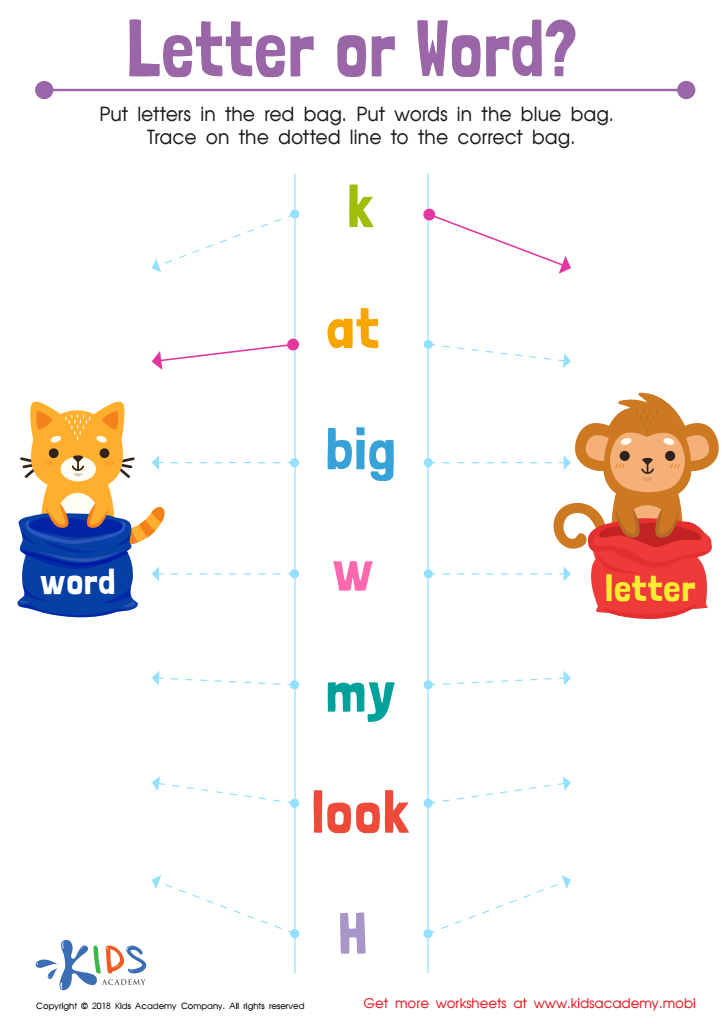
Letter or Word? Worksheet
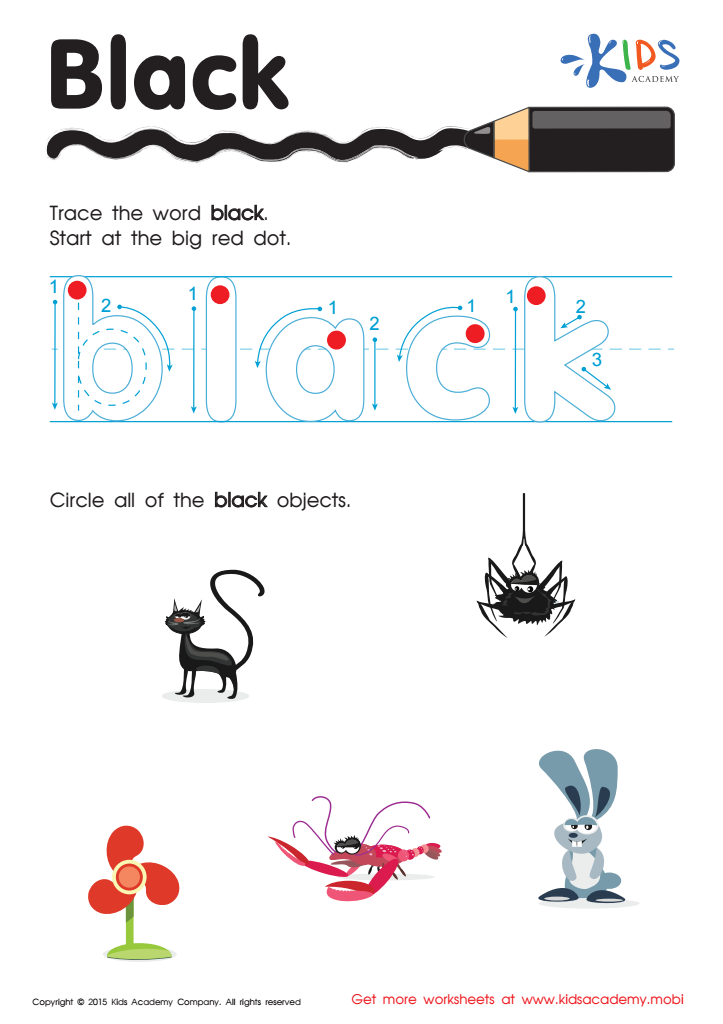
Black Tracing Color Words Printable




.jpg)



Handwriting improvement for 3-year-olds is crucial for several reasons. First, developing fine motor skills at this age lays a strong foundation for future academic success. As children learn to hold and manipulate writing tools, they enhance their hand-eye coordination and dexterity, which are vital for tasks beyond writing, like cutting and drawing.
Second, handwriting contributes to cognitive development. As children practice letters and shapes, they engage in visual-motor integration, improving their ability to connect physical movements with cognitive processing. This can boost their overall learning abilities, as writing is often linked with memory retention.
Furthermore, early handwriting instruction fosters a sense of confidence and independence. Children who feel proficient in their writing skills are more likely to participate in classroom activities and communicate their thoughts effectively.
Lastly, including handwritten activities can help establish a focus on literacy at a young age. As children will eventually be required to express themselves in writing during their educational journey, starting early ensures they have the necessary skills to thrive. By investing time and resources into handwriting improvement for young children, parents and teachers support critical developmental milestones that shape future learning experiences.








