Object identification Worksheets for 3-Year-Olds
5 filtered results
-
From - To
Discover our engaging Object Identification Worksheets designed specifically for 3-year-olds! These colorful and interactive worksheets help young learners recognize and name everyday objects, enhancing their vocabulary and cognitive skills. Perfect for at-home learning or classroom activities, each worksheet features delightful images and simple prompts that encourage children to observe, point, and identify various objects. These activities not only support language development but also boost attention and concentration. With a variety of themes available, your child will have fun exploring the world around them while building essential learning foundations. Start their educational journey today with our fun and effective worksheets!
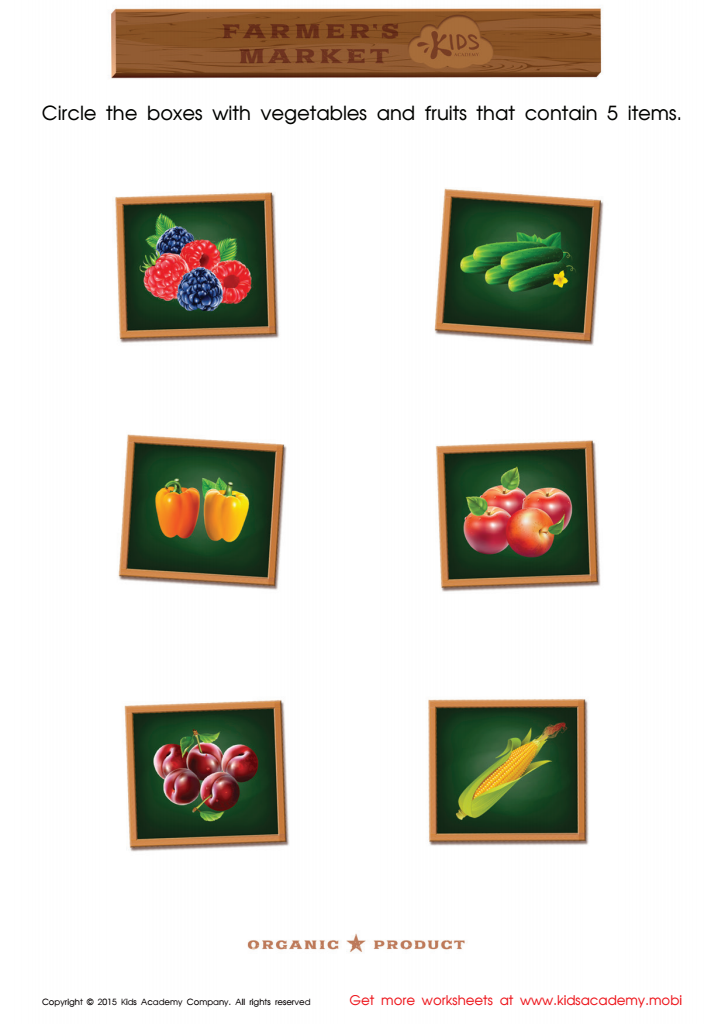
Count and Match Vegetables 1 – 7 Math Worksheet
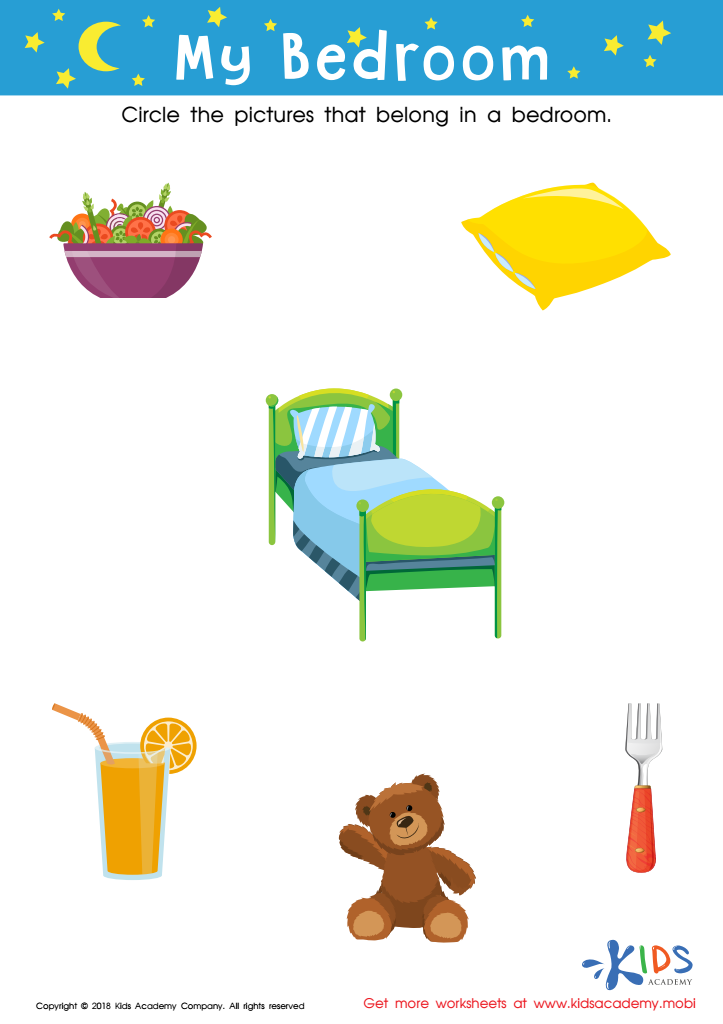
My Bedroom Worksheet
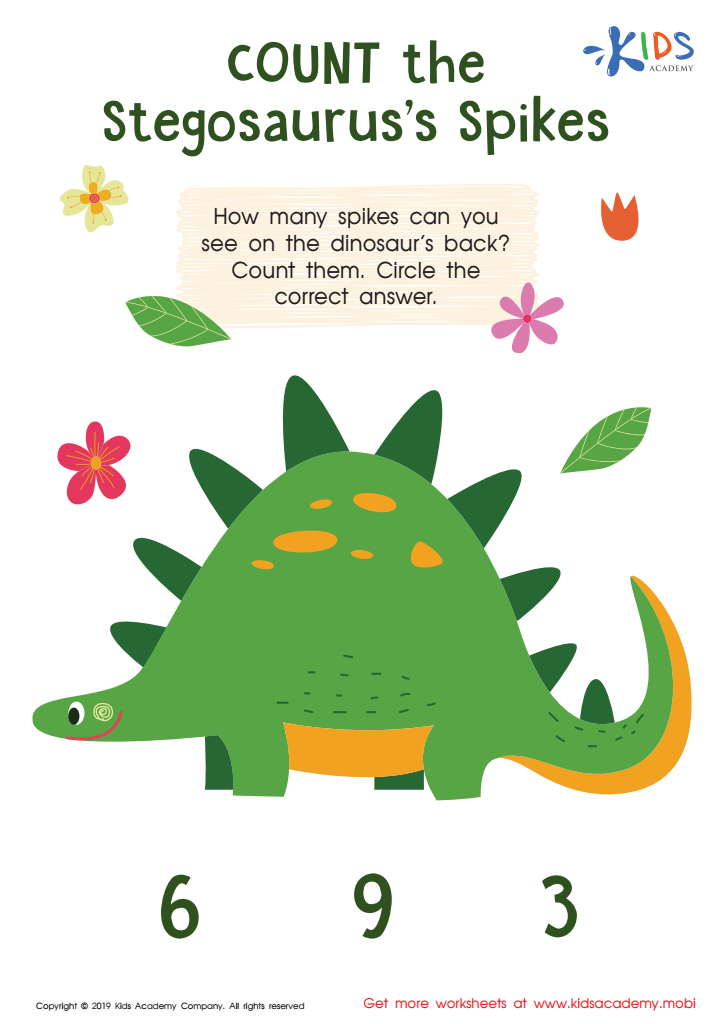
Count the Stegosaurus's Spikes Worksheet
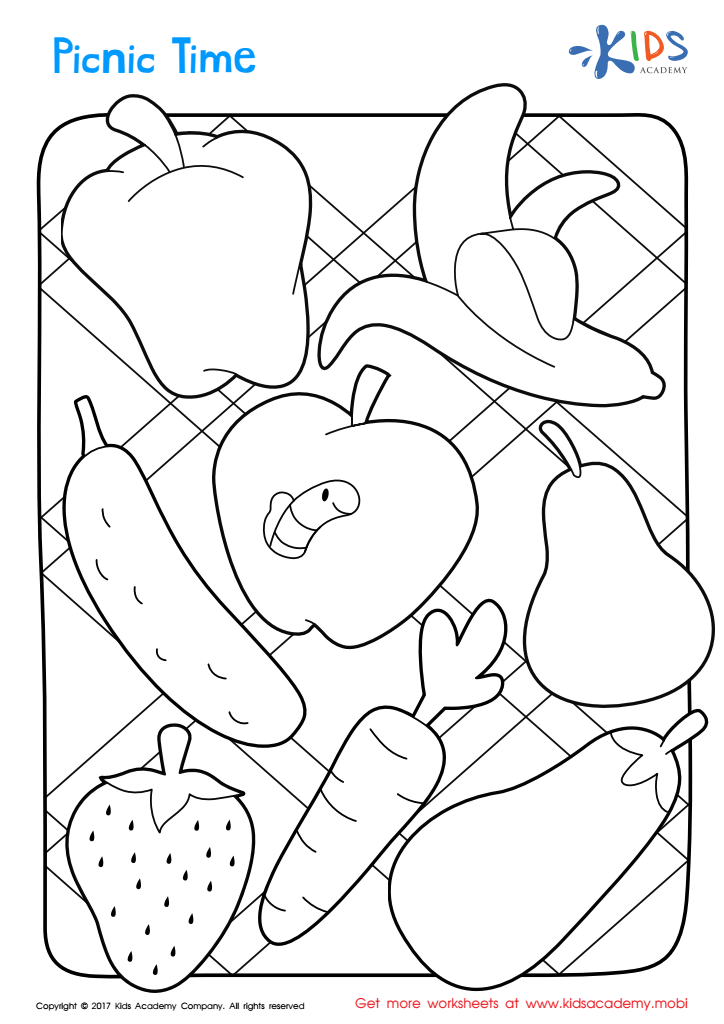
Picnic Time Coloring Page
 Assign to My Students
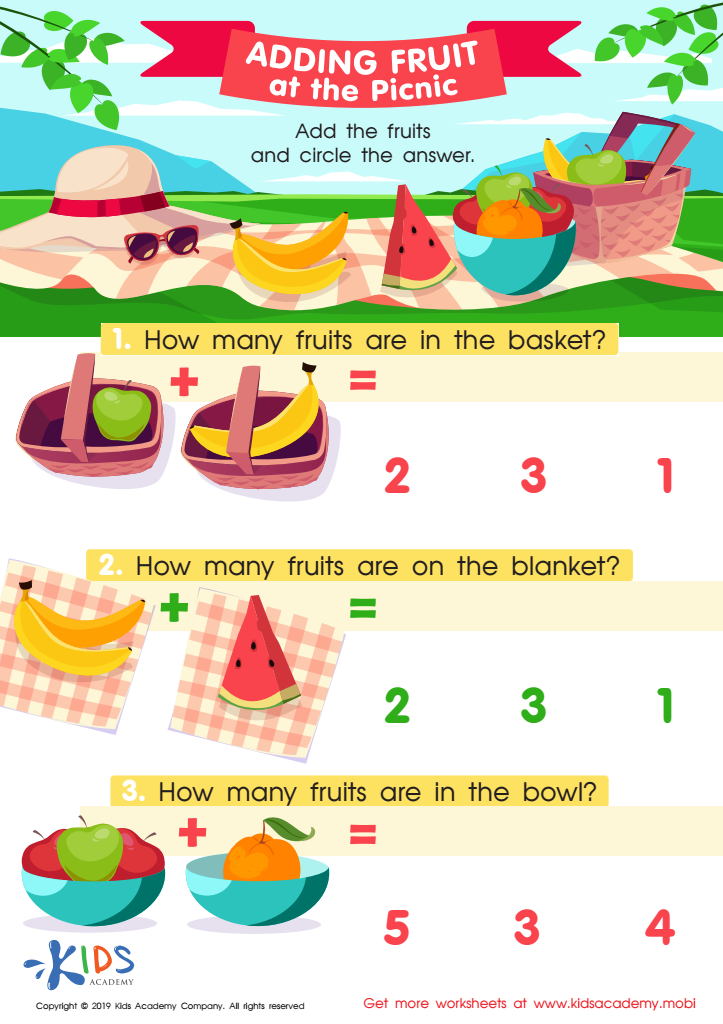
Adding Fruit at the Picnic Worksheet








Object identification is a crucial developmental milestone for 3-year-olds, and parents and teachers should prioritize it in early childhood education for several reasons. Firstly, object identification helps children build their language skills by expanding their vocabulary. As they learn to recognize and name everyday objects, they become better communicators and can more effectively express their thoughts and needs.
Secondly, recognizing objects enhances cognitive development. It fosters critical thinking skills as children categorize and differentiate between various items in their environment, laying the groundwork for future problem-solving abilities. Game-like activities that focus on object identification, such as sorting or matching games, can be both fun and educational, promoting active engagement with the world around them.
Additionally, object identification can boost children's confidence. Mastery of this skill allows them to seek help when needed and engage in conversations about their surroundings, reinforcing social skills. Lastly, these skills support early math and science comprehension, as understanding objects often leads to recognizing shapes, colors, and materials.
In summary, encouraging object identification among 3-year-olds offers multiple developmental benefits, enhancing language, cognitive skills, confidence, and preparing them for more complex learning as they grow. Teachers and parents play a vital role in facilitating this essential aspect of early development.








