Understanding number relationships Worksheets for 3-Year-Olds
3 filtered results
-
From - To
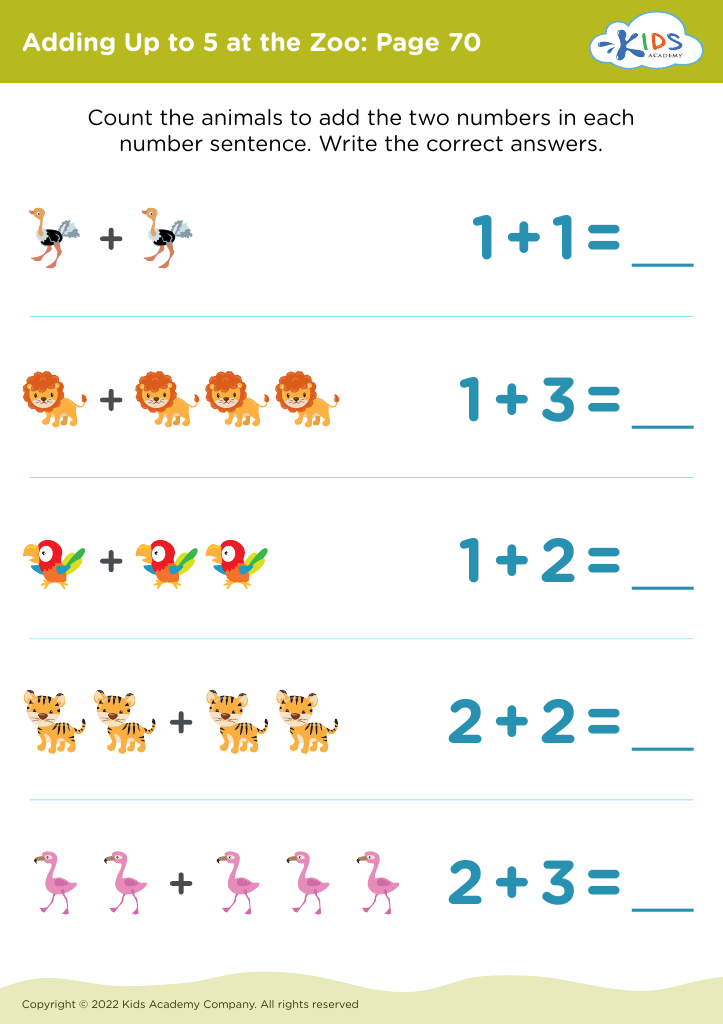
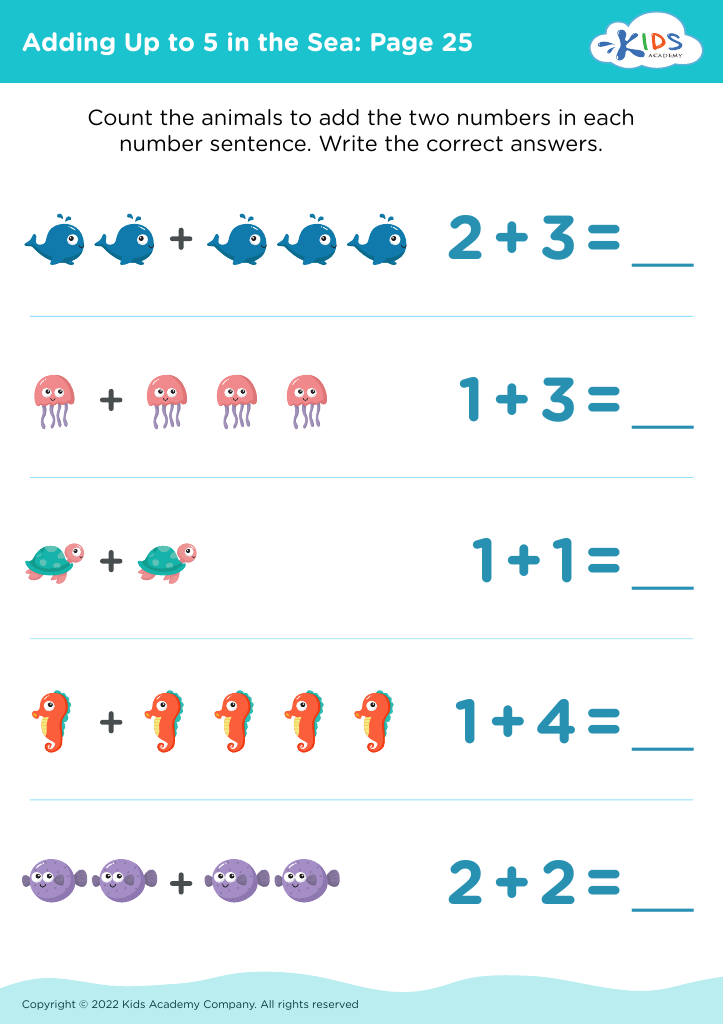
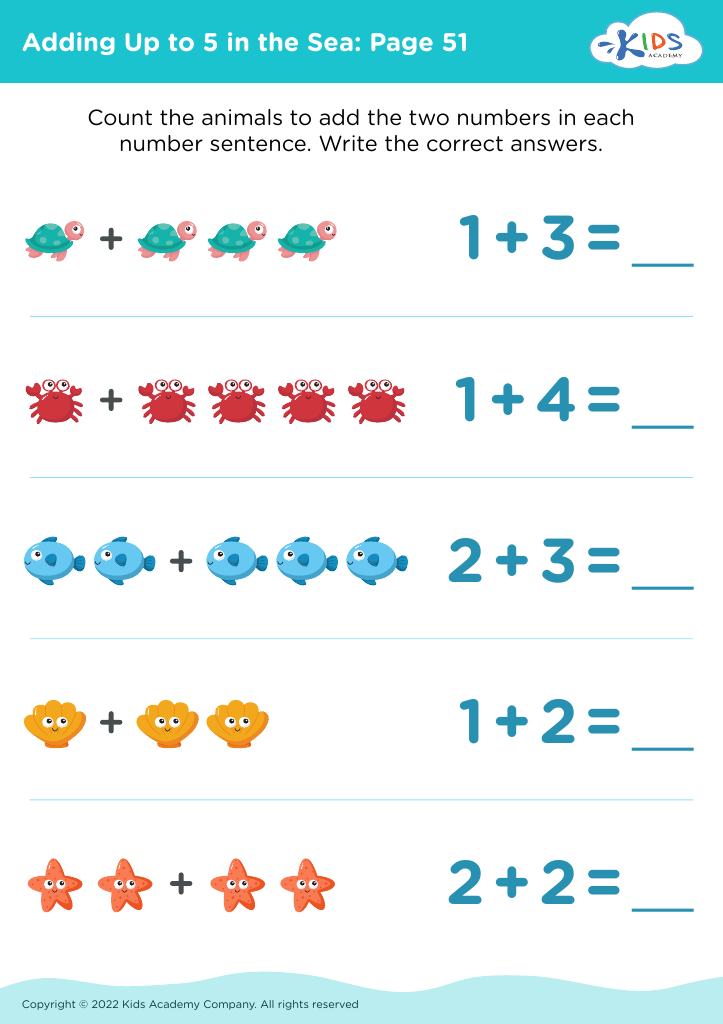
Welcome to our “Understanding Number Relationships Worksheets for 3-Year-Olds” page! These engaging, colorful worksheets are designed to introduce young learners to the fundamental concepts of numbers and their relationships. Each activity focuses on counting, comparison, and recognition of shapes, helping your child develop essential math skills in a fun way. Our worksheets cater to the diverse learning styles of early learners, making learning both interactive and enjoyable. By using these resources, you’ll set a strong foundation for your child's mathematical understanding, making the learning journey exciting. Dive in now and help your preschooler explore the world of numbers!



.jpg)




Understanding number relationships in 3-year-olds lays a crucial foundation for mathematical thinking and lifelong learning. At this age, children begin to grasp basic numerical concepts, and nurturing this understanding is vital for several reasons.
Firstly, number relationships help children compare quantities, recognize patterns, and develop critical problem-solving skills. Engaging in activities that explore counting, sorting, and grouping fosters their curiosity and encourages cognitive development. These early experiences promote number sense, a fundamental skill for future academic success.
Secondly, enhancing number relationships supports language development. When children discuss numbers and their relationships, they learn to articulate concepts, boosting both their mathematical vocabulary and oral communication skills. This dual growth is essential for holistic development.
Moreover, positive early experiences with numbers can reduce math anxiety later in life. By fostering a supportive learning environment, parents and teachers can encourage confidence and resilience in tackling mathematical challenges.
Finally, understanding number relationships connects to everyday scenarios, such as sharing, measuring, and shopping, making mathematics relevant and fun. This practical link enables children to see the value of math in daily life, cultivating an enduring appreciation for learning. By prioritizing number relationships, educators and parents set the stage for a successful academic journey.








