Visual-motor skills Worksheets for 3-Year-Olds
3 filtered results
-
From - To
Enhance your child's development with our engaging visual-motor skills worksheets designed specifically for 3-year-olds! These thoughtfully crafted activities promote coordination and fine motor skills while keeping learning fun and interactive. Children will enjoy tracing, coloring, and completing simple tasks that strengthen their hand-eye coordination and dexterity. Our printable worksheets incorporate colorful illustrations and age-appropriate themes, making learning an enjoyable experience. Help your little one build essential skills that lay the foundation for future learning while encouraging creativity and concentration. Explore our selection of worksheets today and watch your child thrive as they gain confidence in their visual-motor abilities!





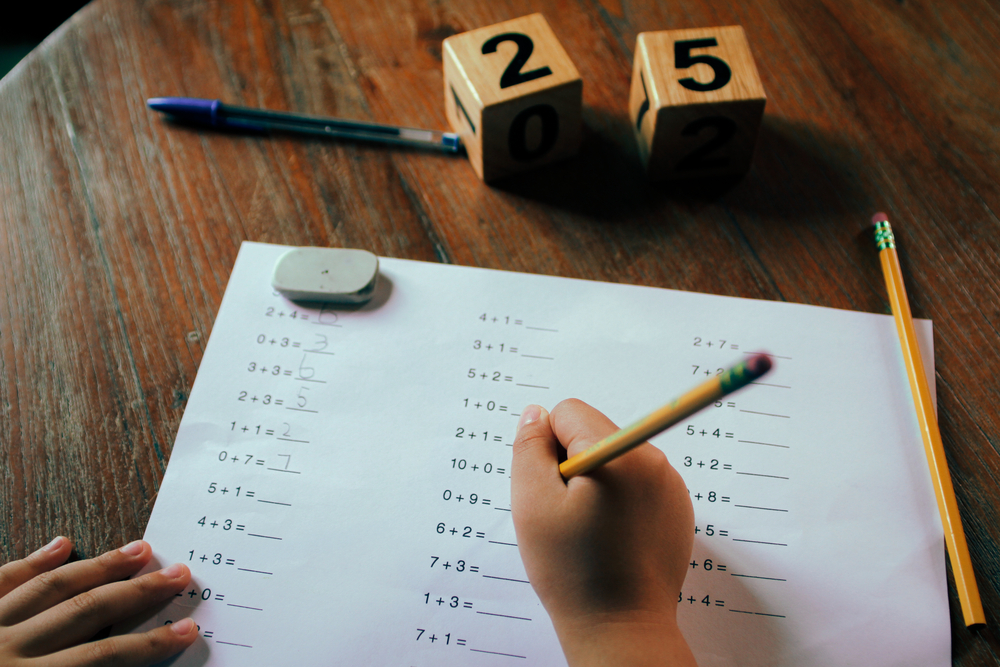
Visual-motor skills are crucial for a child's overall development, particularly for 3-year-olds, as these skills bridge the gap between visual input and motor output. Parents and teachers should care about fostering these skills because they lay the foundation for essential activities in daily life and future education. Children with strong visual-motor coordination can better manipulate objects, grasp, draw, and write, which are fundamental for learning.
At this age, children engage in various playful activities like drawing, coloring, and playing with building blocks—all of which enhance visual perception and fine motor skills. It’s also important for a child's self-esteem; mastering tasks like stacking blocks or completing puzzles boosts confidence and promotes a sense of accomplishment.
Additionally, developing visual-motor skills is linked to academic readiness. They foster critical skills like tracking and copying, which are important for early reading and writing. Therefore, by supporting the growth of these abilities, parents and teachers invest in a child's future learning, independence, and success. Encouraging activities like art, crafts, and interactive games can make this skill acquisition enjoyable and effective, providing a well-rounded foundation for lifelong learning and development.








