Hand-eye Coordination Mazes Worksheets for 3-Year-Olds
3 filtered results
-
From - To
Unlock the potential of your 3-year-old with our vibrant Hand-eye Coordination Mazes Worksheets! Designed to engage little minds, these captivating mazes enhance fine motor skills and visual perception. As children guide their pencils through our charming mazes, they strengthen hand-eye coordination, paving the way for improved handwriting and daily activities. Each worksheet is crafted to challenge and entertain, fostering a love for learning and problem-solving. Perfect for early childhood development, our worksheets promise an enjoyable and educational experience, making learning an adventure your child will eagerly embark on. Join us in nurturing young minds today!
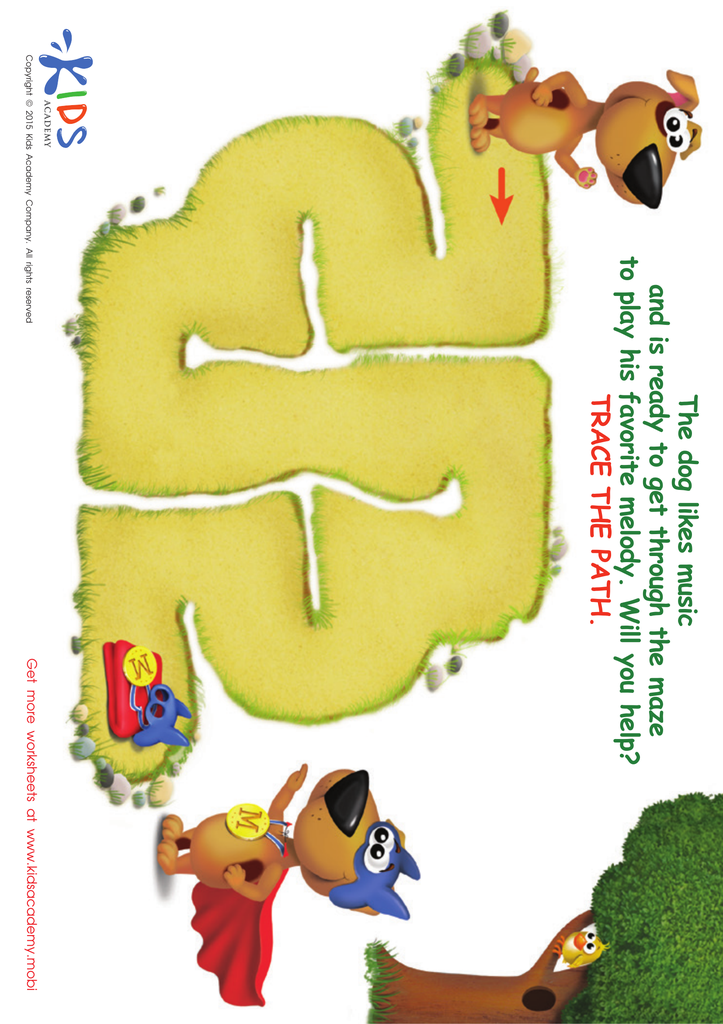
Superman Maze Worksheet
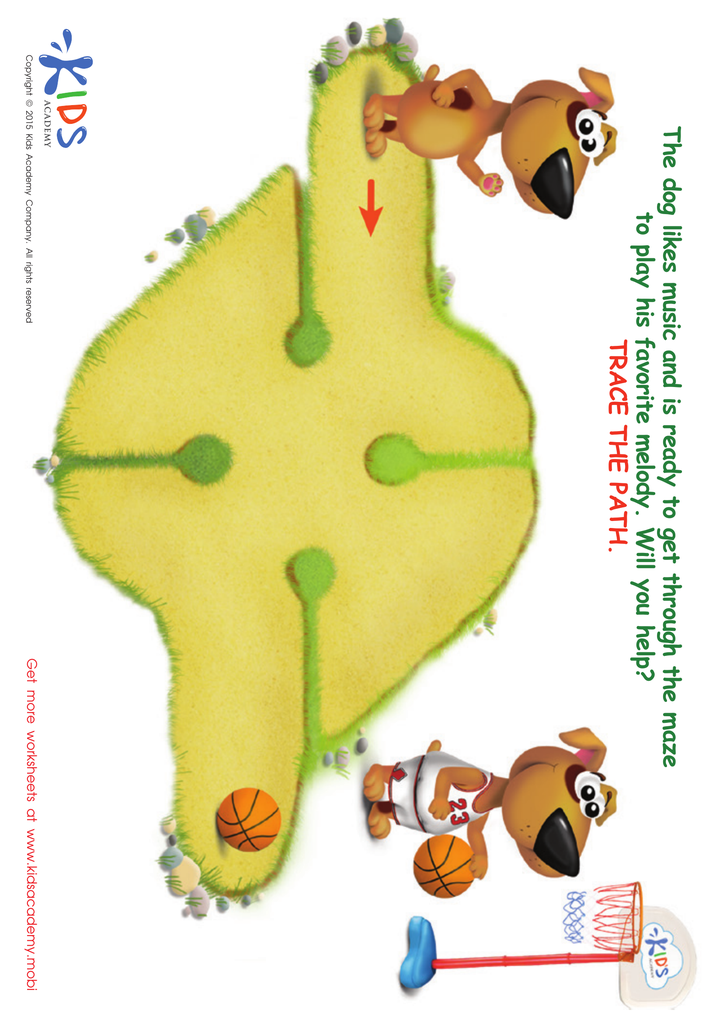
Basketball Player Maze Worksheet
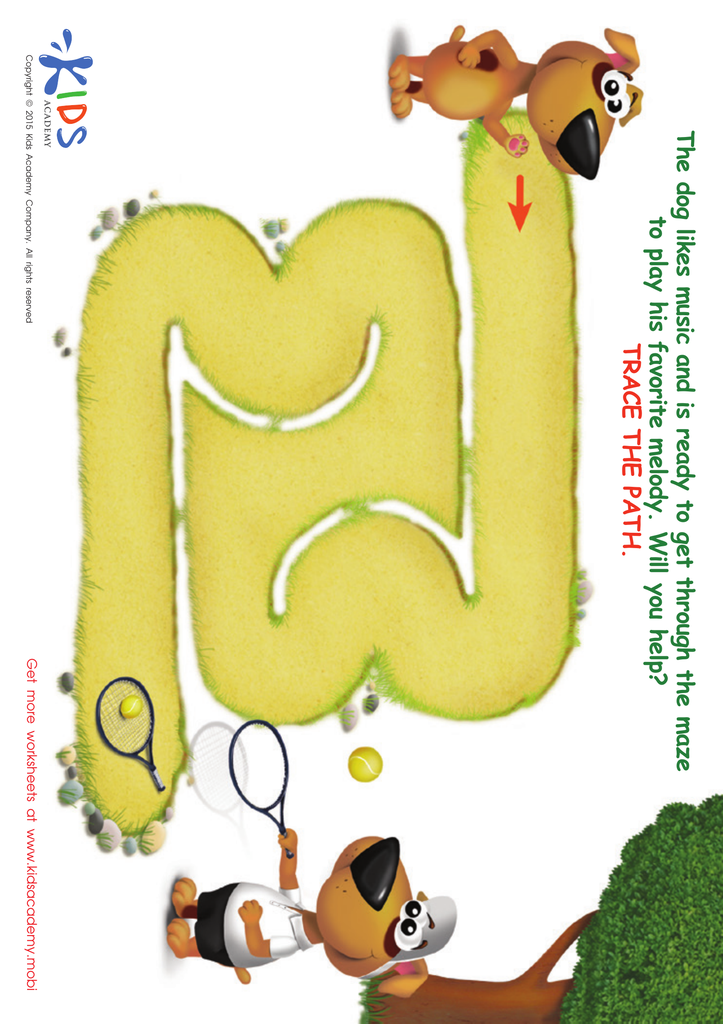
Tennis Player Maze Worksheet


Hand-eye coordination mazes are valuable tools for the development of young children, particularly for 3-year-olds. These activities provide more than just fun; they are foundational for future learning and skill-building. First, they enhance fine motor control. As children guide their crayons or fingers through the maze, they hone the precision of their small muscle movements, crucial for writing and daily tasks like buttoning clothes and using utensils.
Additionally, these mazes bolster cognitive development. At this age, children's brains are rapidly growing. Hand-eye coordination activities engage multiple brain regions simultaneously, promoting better brain connectivity. This can lead to advancements in spatial awareness, problem-solving, and even early literacy skills, as children learn to visualize and navigate space and obstacles.
Moreover, working through mazes requires focus and patience. This prolonged attention span is important as children prepare for more formal schooling environments. It teaches them to sit calmly and work through a task without immediate gratification, a valuable life skill.
Finally, completing mazes can boost a child’s self-esteem. Each success builds confidence and fosters a sense of accomplishment, encouraging them to tackle new challenges with an optimistic mindset. Therefore, both parents and teachers should prioritize hand-eye coordination mazes for their extensive developmental benefits.








