Fine motor skills (writing) Addition & Subtraction Worksheets for 3-Year-Olds - Page 2
32 filtered results
-
From - To
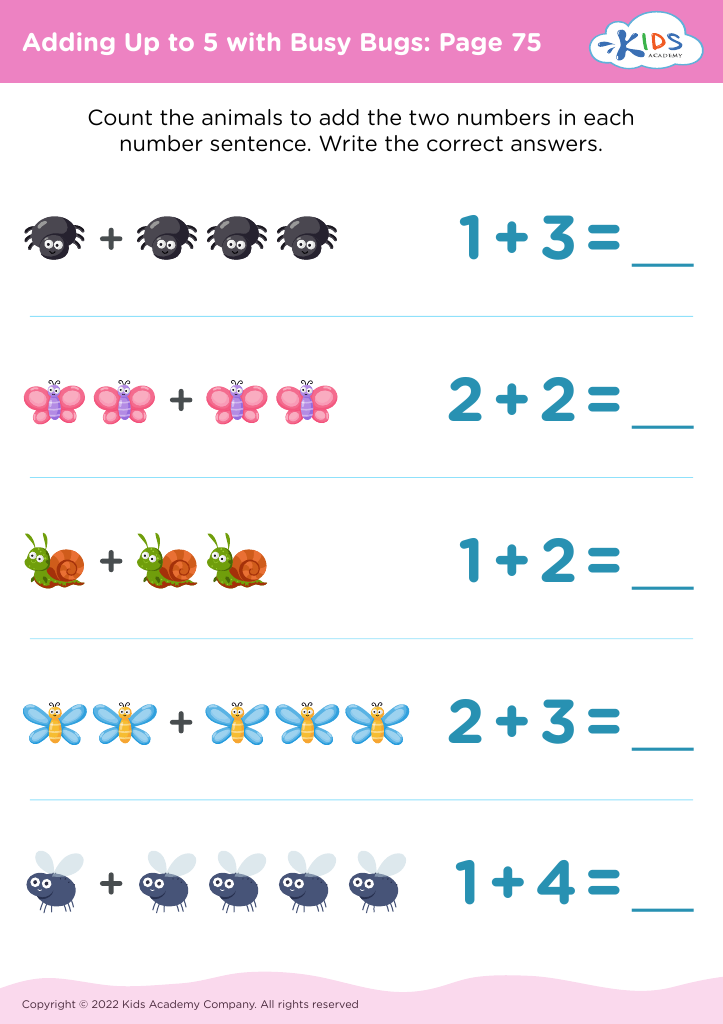
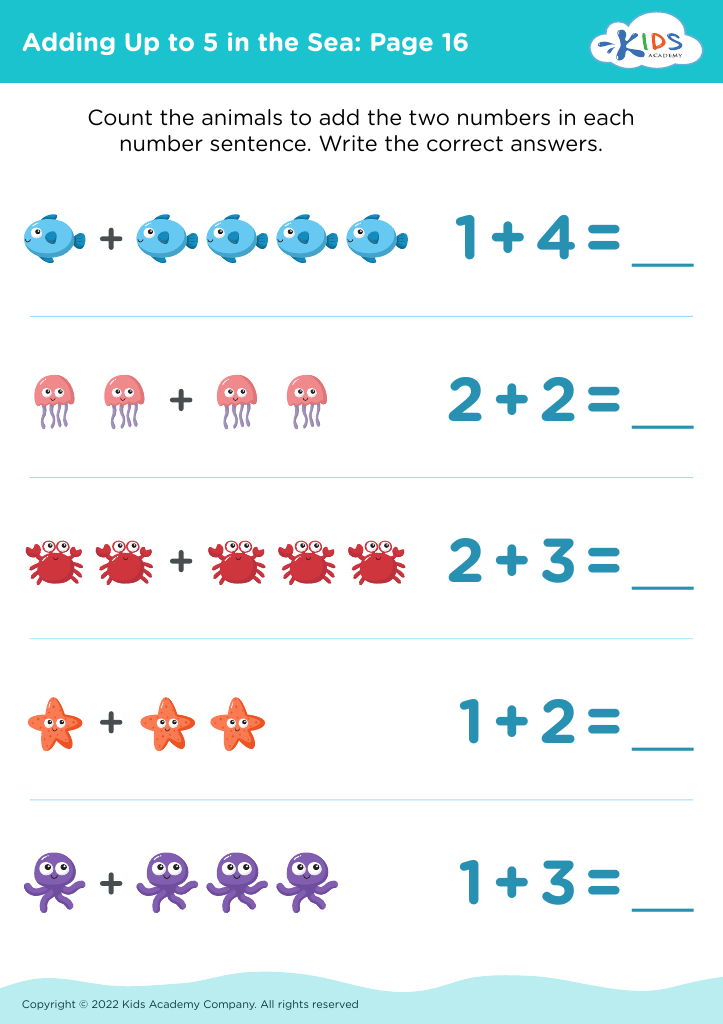
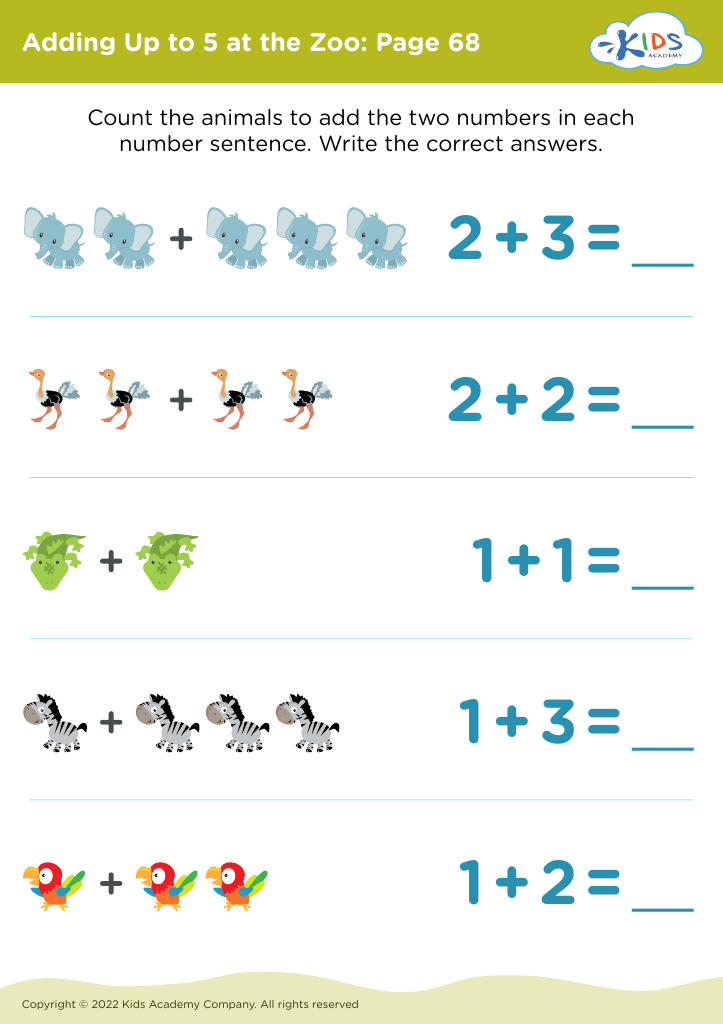
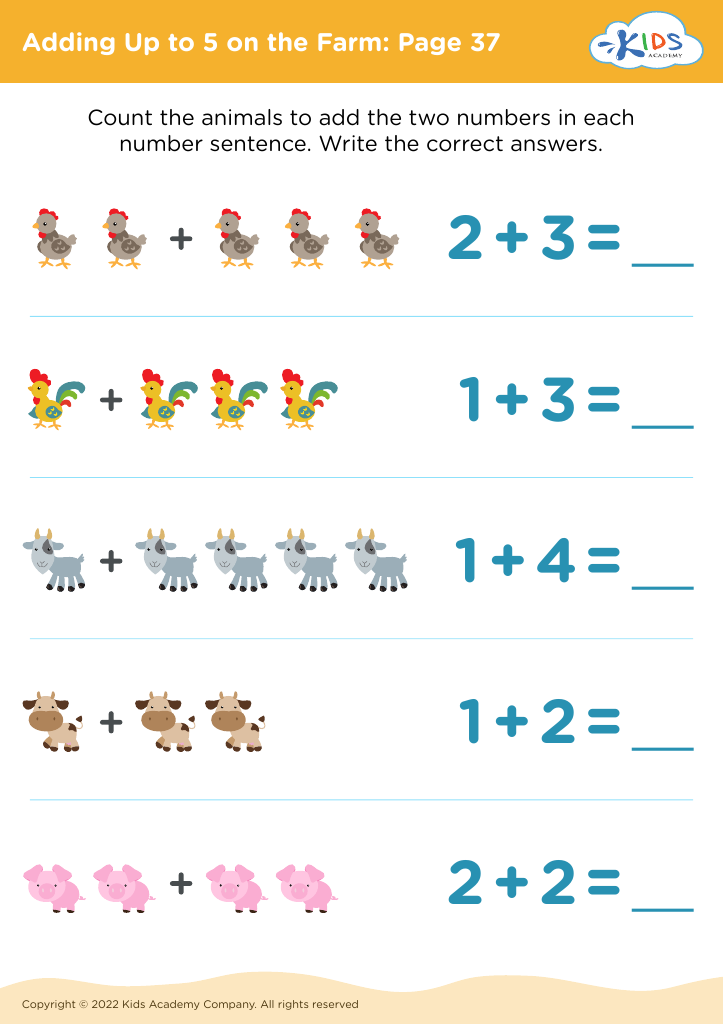
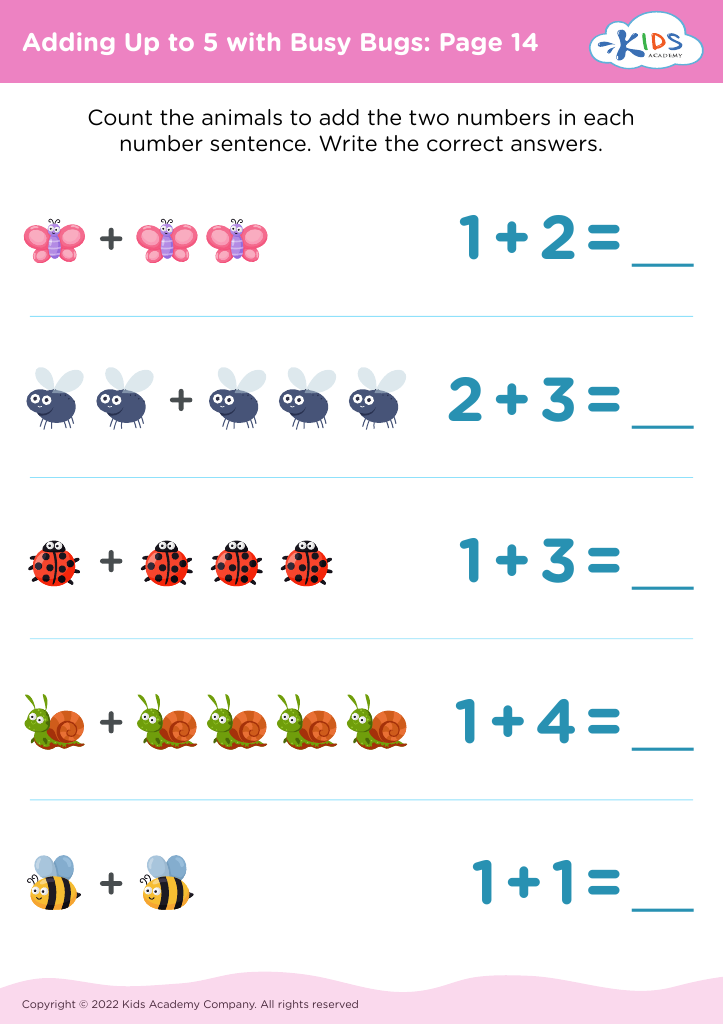
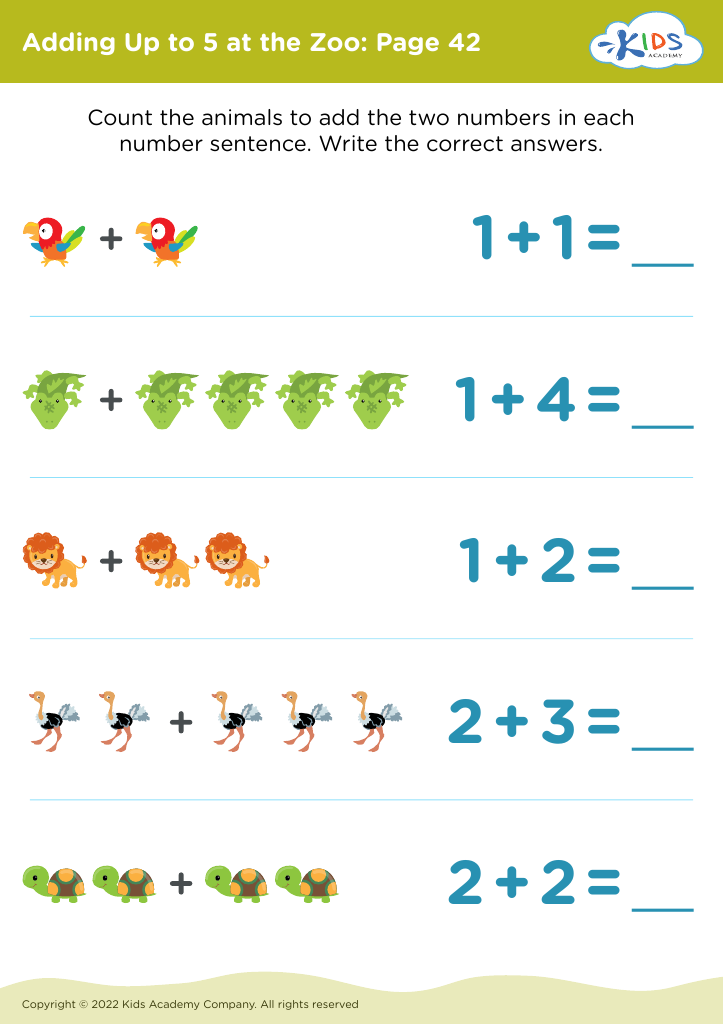
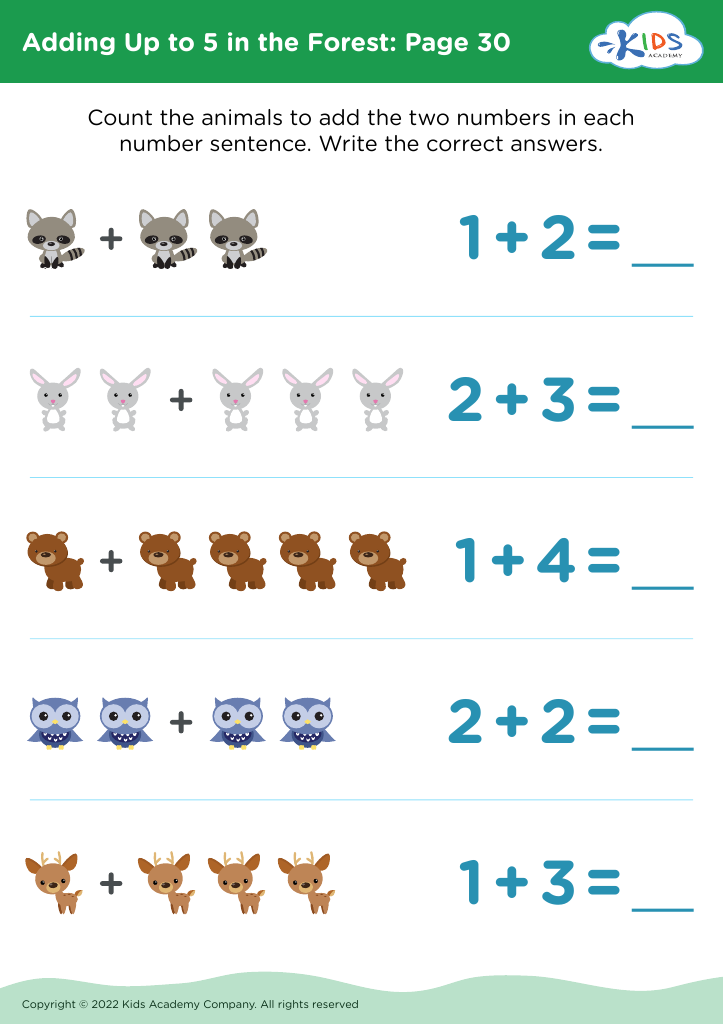
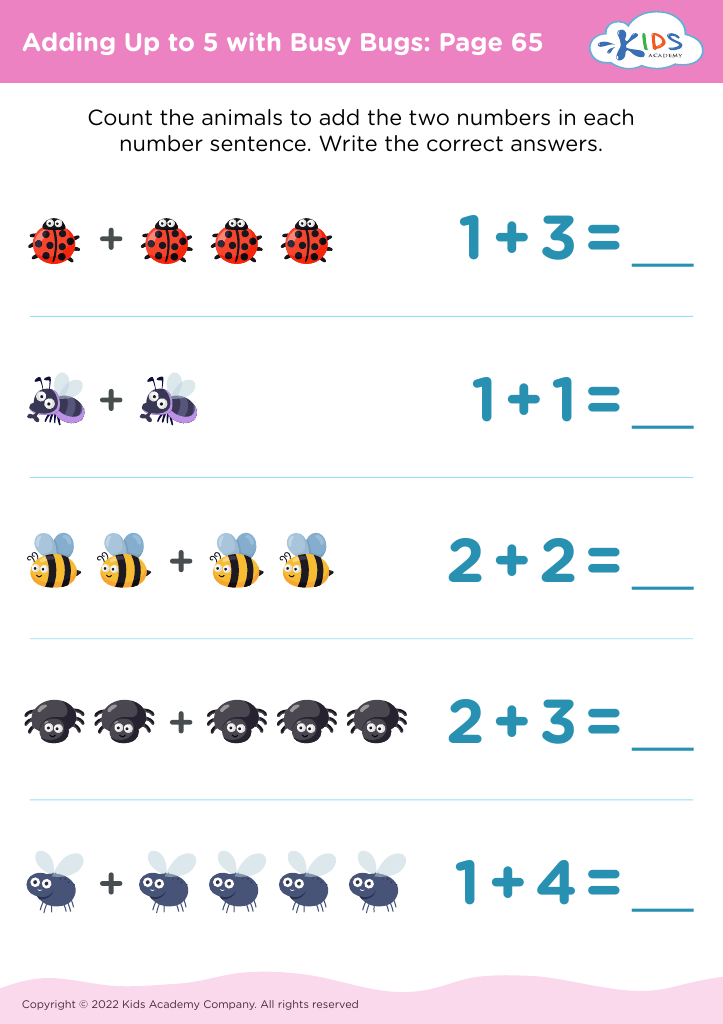



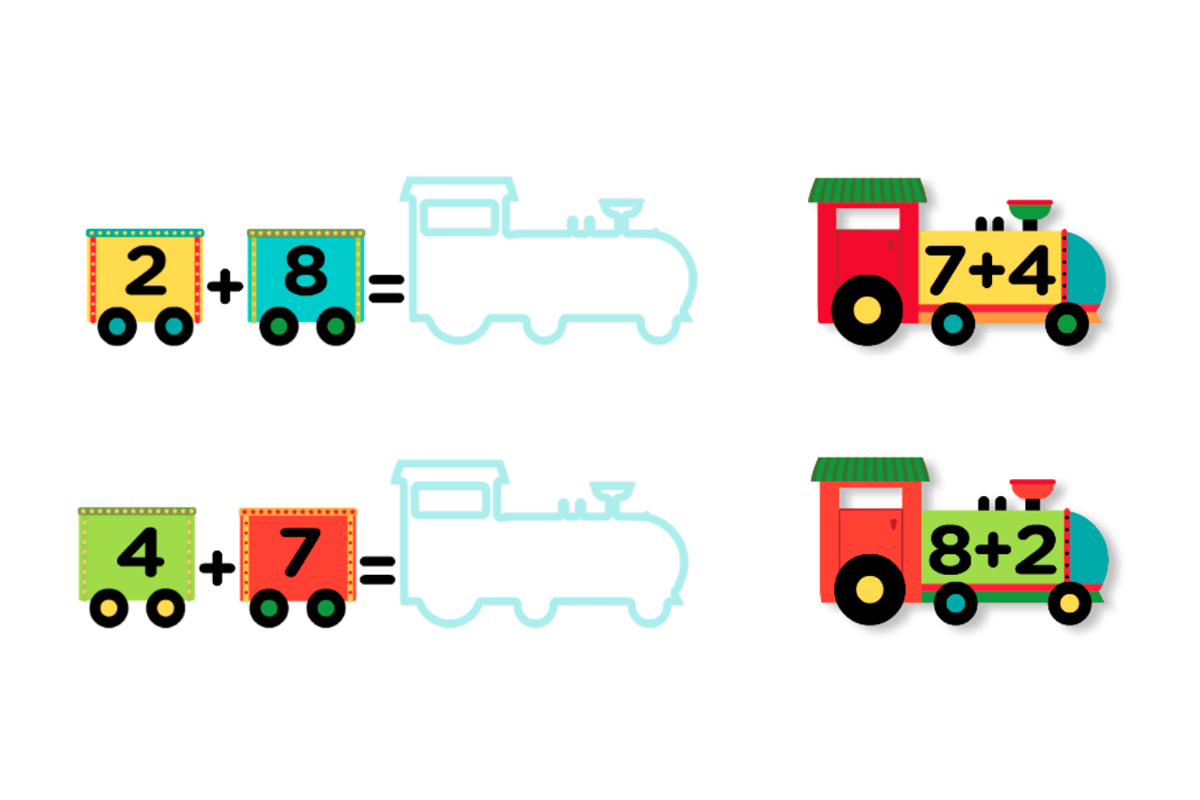




Fine motor skills are crucial for young children's overall development, particularly when it comes to tasks like writing and basic math. For 3-year-olds, honing these skills sets the foundation for future learning. First, fine motor activities enhance hand-eye coordination and dexterity, enabling children to grasp and control writing tools like crayons and pens. This not only boosts their ability to write letters and numbers accurately but also nurtures their confidence in expressing themselves through writing.
Moreover, early exposure to addition and subtraction concepts fosters cognitive development, helping young learners understand quantities and relationships. Engaging toddlers in simple math through play—like counting blocks or sorting objects—strengthens these foundational skills. This interaction makes learning playful, ensuring they're more receptive and enthusiastic about math in the future.
Additionally, teaching these concepts together promotes a holistic approach to learning. Children develop critical thinking as they explore how writing and math are interconnected. By prioritizing fine motor skills and basic arithmetic in early education, parents and teachers equip children with essential tools for academic success, setting them on a path for positive social interactions and a love for learning. In doing so, they create a strong base for lifelong skills and confidence.








