Fine motor development Math Worksheets for 3-Year-Olds
3 filtered results
-
From - To
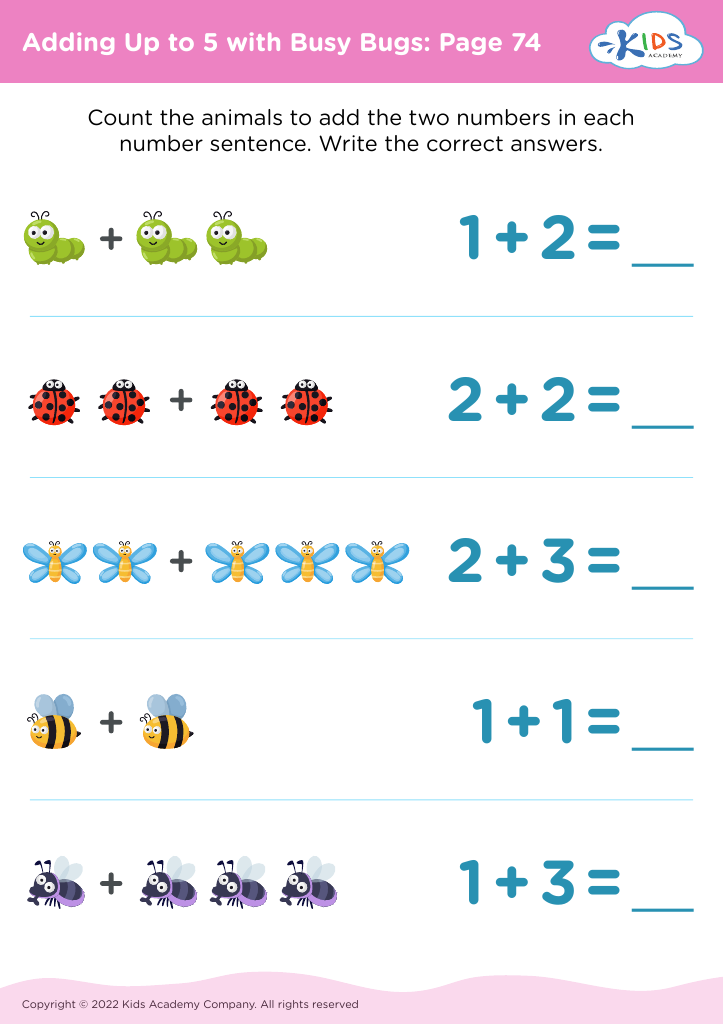
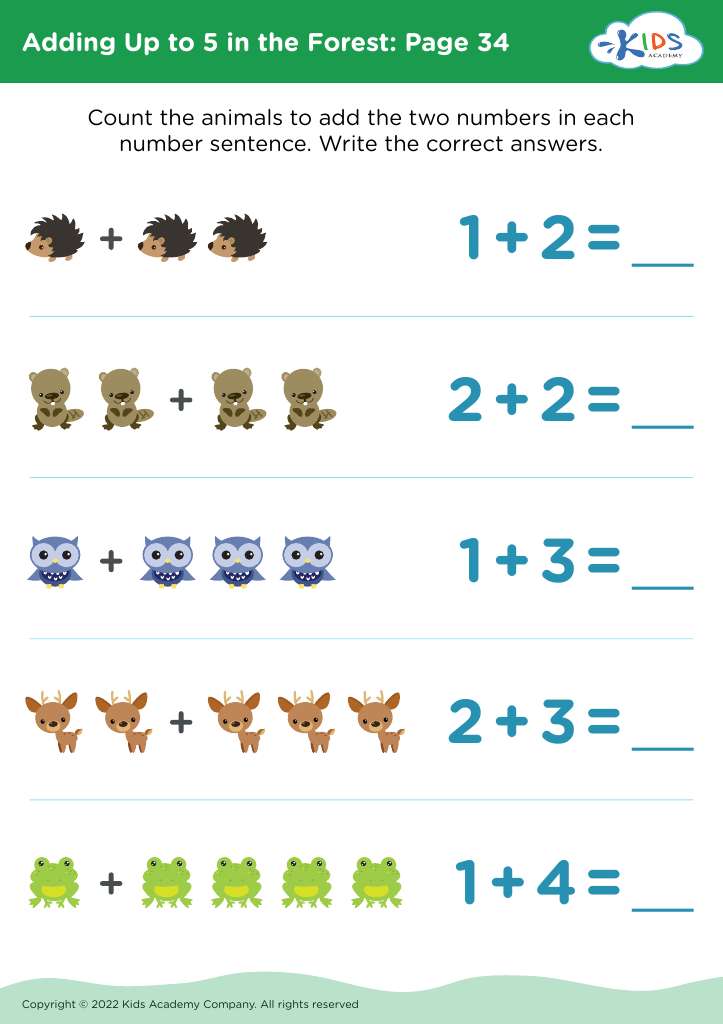
Nurture your 3-year-old's fine motor skills with our engaging math worksheets. Designed to support early childhood development, our worksheets combine fun math activities with exercises to improve hand-eye coordination, finger strength, and precision. As children trace numbers, draw shapes, and solve simple puzzles, they enhance their fine motor abilities crucial for later academic success. Our expertly crafted activities make learning interactive and enjoyable. Start building strong foundations today with our Fine Motor Development Math Worksheets, tailored perfectly for little hands and curious minds. Give your child a head start in both math skills and dexterity!
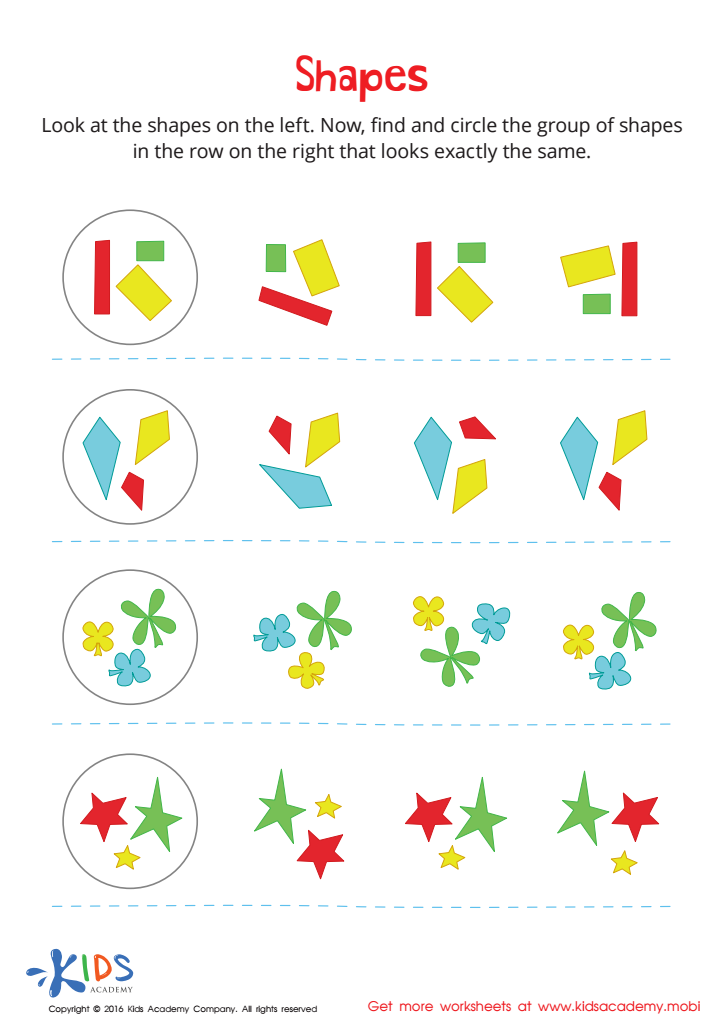
Shapes Worksheet
 Assign to My Students





.jpg)


Fine motor development and early math skills are crucial for 3-year-olds as they set the foundation for future academic success and everyday life abilities. Fine motor skills involve the coordination of small muscles, primarily in the hands and fingers, which are pivotal for tasks such as writing, buttoning clothes, and using utensils. Early math skills include recognizing numbers, counting, and understanding basic concepts of size and quantity.
Parents and teachers should care about the synergy between fine motor development and math for several reasons. First, activities that improve fine motor skills, like sorting small objects or threading beads, simultaneously enhance understanding of math concepts like categorization and sequencing. Second, early success in math can boost a child's confidence and foster a positive attitude toward learning, helping them tackle more complex subjects as they grow older.
Engaging in activities that develop both areas offers an integrated learning experience. Simple tasks such as drawing shapes, stacking blocks, or playing with puzzles not only refine motor skills but also improve spatial awareness and problem-solving abilities. Additionally, these activities can strengthen the child’s ability to focus and follow instructions. By emphasizing the importance of both fine motor development and early math skills, parents and teachers can provide comprehensive support, laying a robust foundation for a child’s overall cognitive and academic growth.








