Filters

30 filtered results

Clear all filters
Favorites
With answer key
Interactive

30 filtered results

Difficulty Level

Grade


Check out this FREE Trial Lesson on Math for age 3!

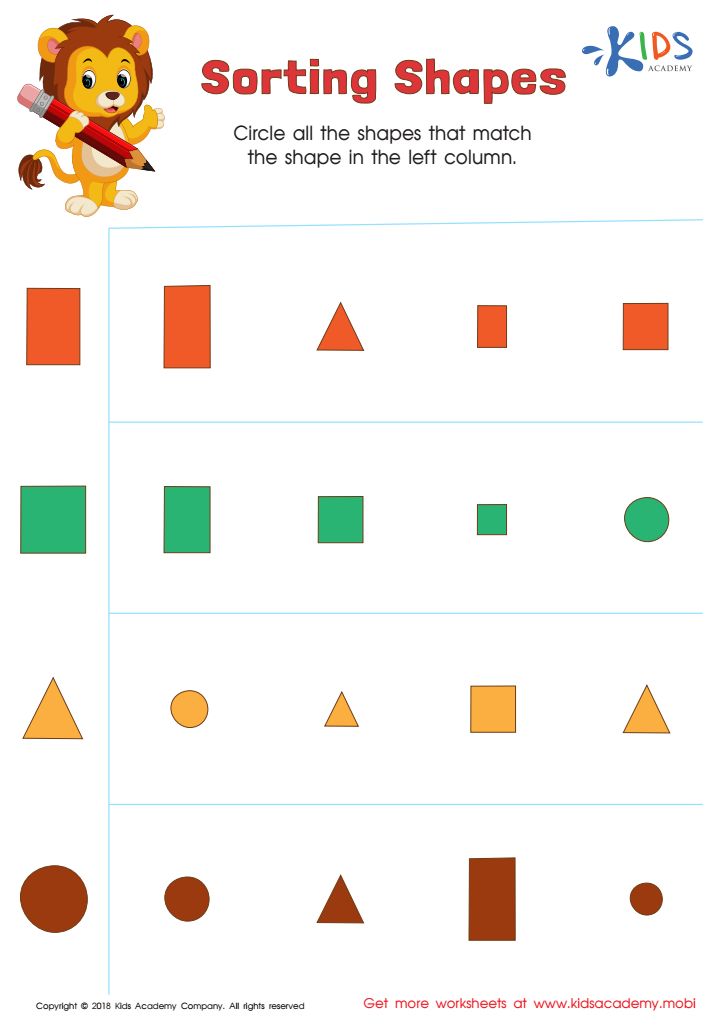
Sorting Shapes

Favorites
With answer key
Interactive
  • 3
  • Shape Recognition
  • Math
Size Worksheets for Preschoolers

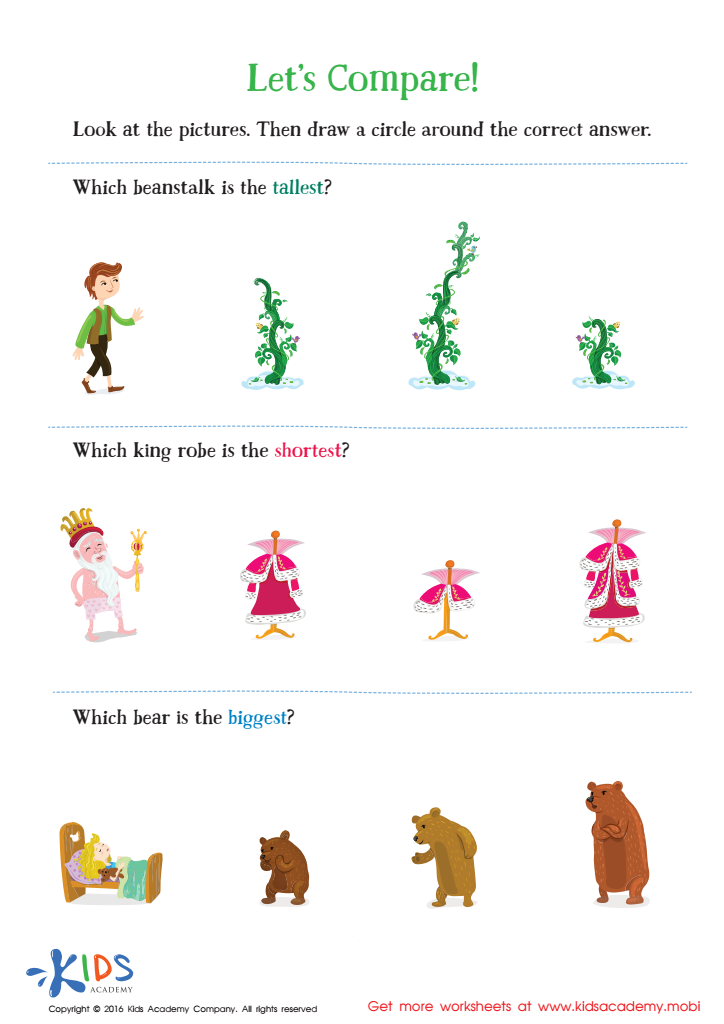
Fairy Tale Worksheet: Let's Compare

Preschoolers need to recognize different sizes of objects. This worksheet combines fun fairy tales with size practice, helping them read, problem solve, and sort through pictures. Your child will love the images and be eager to complete it. Enhance their learning by talking about the tales to build comprehension.
Fairy Tale Worksheet: Let's Compare
Worksheet
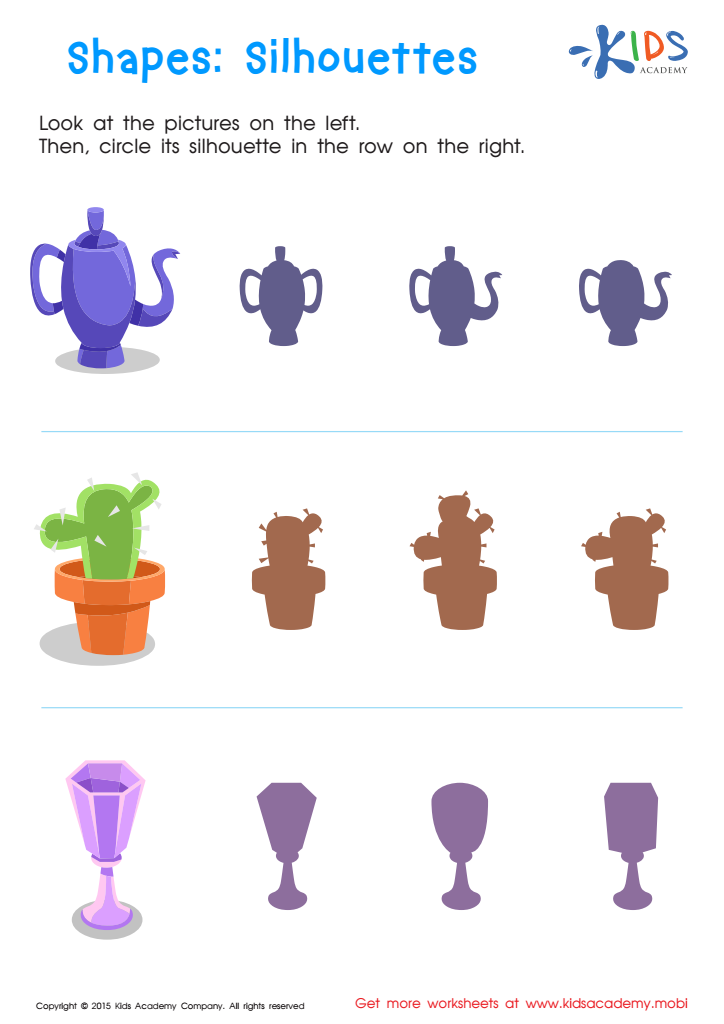
Silhouettes - shapes worksheet

Silhouettes – Shapes Worksheet

Kids can have fun while learning to compare sizes with this silhouettes shapes worksheet! Matching pictures to silhouettes helps them build early math skills, while enjoying the activity!
Silhouettes – Shapes Worksheet
Worksheet
Geometry - Assessment 2 Worksheet Preview

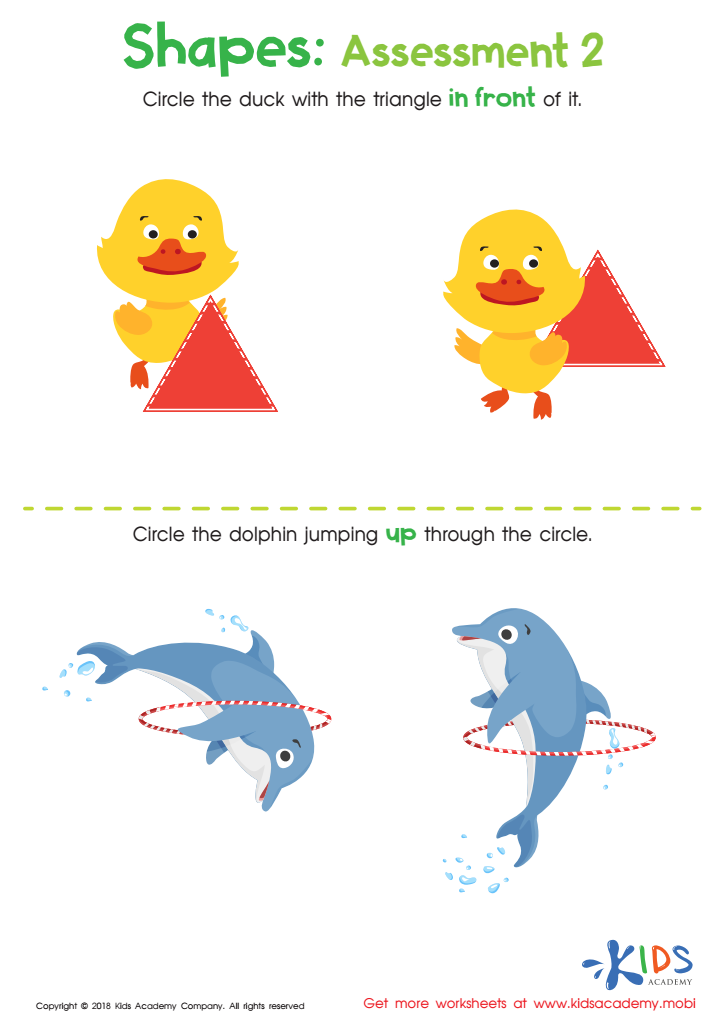
Geometry – Assessment 2 Worksheet

Preschoolers will learn to identify circles and triangles and practice using terms like "in front of" to place objects. This skill is key to further learning and is an important part of development.
Geometry – Assessment 2 Worksheet
Worksheet
Sorting Shapes - Part 2 Worksheet

Sorting Shapes - Part 2 Worksheet

Tired of dull worksheets? Look no further than Kids Academy's colorful shape-sorting worksheet! It's perfect for challenging your toddler's problem-solving skills. Print the free PDF page and let your child practice the basics of geometry. Have them work down the left column, circling the shapes on the right that match. It's a great way to form a strong foundation in early learning.
Sorting Shapes - Part 2 Worksheet
Worksheet
Math Matching Pairs Game: Monster’s Socks

Math Matching Pairs Game: Monsterв's Socks Worksheet
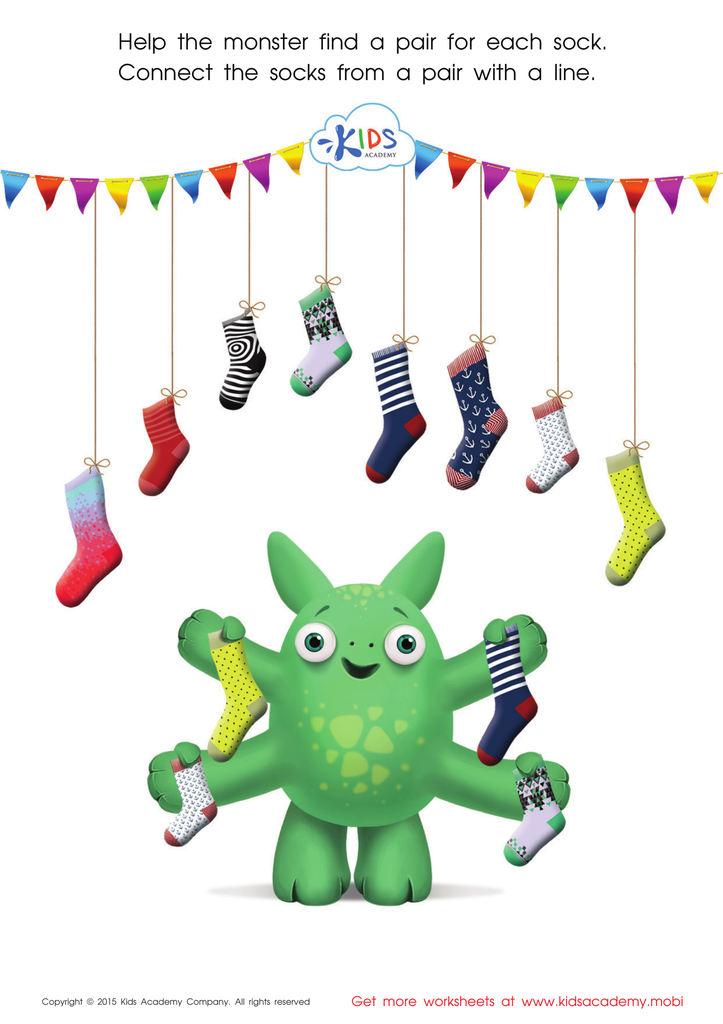
Let your child learn, concentrate and practice sorting skills with this fun kindergarten worksheet. Matching polka dots, anchors, geo shapes and stripes on Monster's socks will help improve fine motor skills. Download and print this free worksheet and several others on different topics.
Math Matching Pairs Game: Monsterв's Socks Worksheet
Worksheet
Dot to Dot Worksheets 11 to 20

Ordering 11–20: Dot–to–dot Seashell Printable

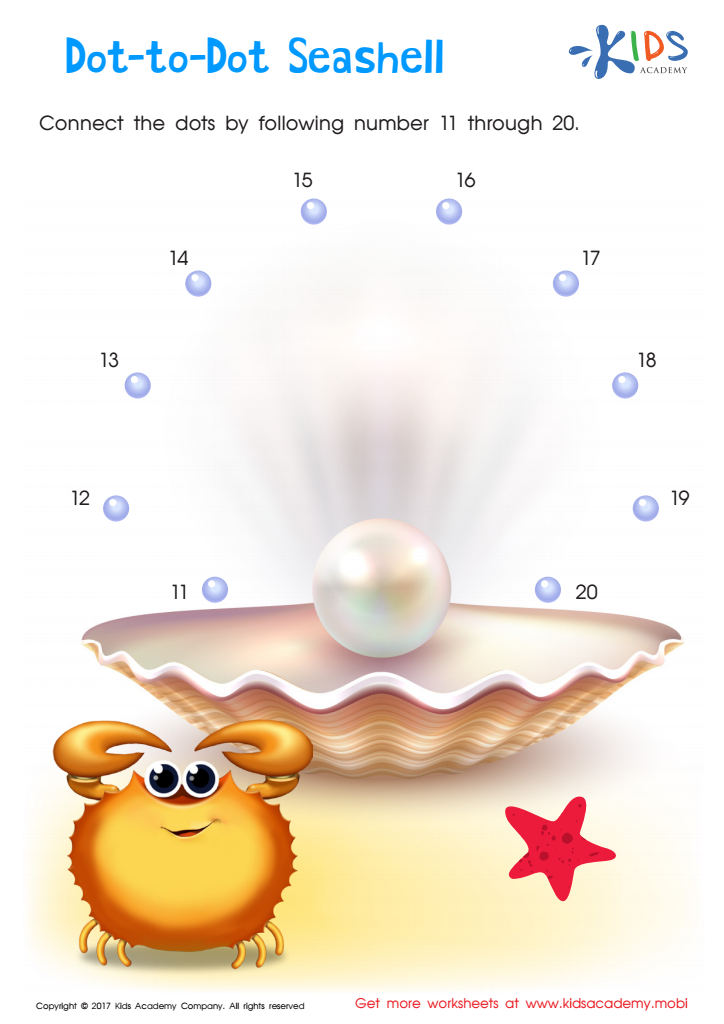
Connecting the dots 11 to 20 is rewarding for kids, helping them practice counting, identifying numbers and gain cognitive and logical skills. Our worksheet features a vibrant image of a seashell, crab and sea star, and your child will feel rewarded creating it while honing their counting skills!
Ordering 11–20: Dot–to–dot Seashell Printable

Worksheet


Shape recognition is a fundamental skill for 3-year-olds, providing a critical foundational step in their cognitive and academic development. For both parents and teachers, understanding the importance of this skill can better prepare young children for future learning.

First, learning to identify and differentiate shapes enhances a child’s spatial awareness. Recognizing shapes helps children understand the concept of object permanence and differentiation, essential skills that translate into other areas such as reading and writing. As they learn that distinct shapes have specific names and characteristics, they build their vocabulary and descriptive language abilities.

Next, shape recognition involves categorizing and sorting, which are key components of early math skills. This foundation in mathematics extends beyond shapes, setting the stage for understanding numbers, patterns, and geometric concepts. Engaging children in activities that promote shape recognition operates not only as a fun, interactive way to learn but also solidifies essential problem-solving skills.

Furthermore, shape recognition aids in the development of fine motor skills. Activities like drawing shapes or manipulating shape puzzles require dexterity and coordination, contributing to a child's overall physical development.

In sum, parents and teachers should prioritize shape recognition in early childhood education as it significantly advances cognitive skills, language development, mathematical understanding, and fine motor abilities—all critical elements for lifelong learning and success.