Problem-Solving Skills Sight Words Worksheets for 3-Year-Olds
3 filtered results
-
From - To
Boost your child's early literacy with our "Problem-Solving Skills Sight Words Worksheets for 3-Year-Olds." These engaging, age-appropriate printables not only enhance sight word recognition but also develop critical problem-solving abilities. Designed to capture young learners' attention, each worksheet combines fun activities with educational challenges. Fostering early reading skills and cognitive growth, these worksheets provide a solid foundation for your child's academic success. Ideal for parents and teachers, our resources ensure that learning remains both effective and enjoyable. Unlock your child's potential today with our expertly crafted worksheets that make mastering sight words a delightful adventure!




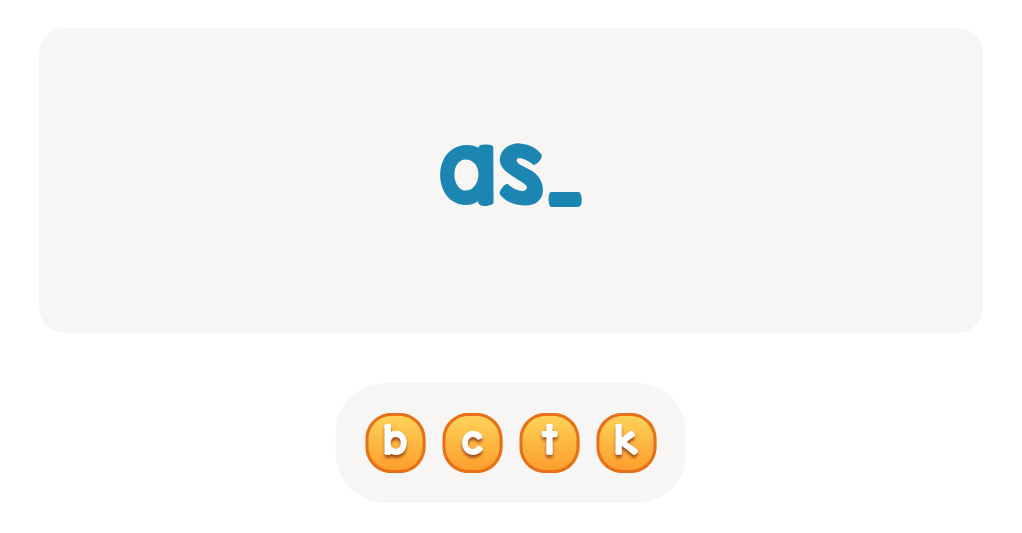
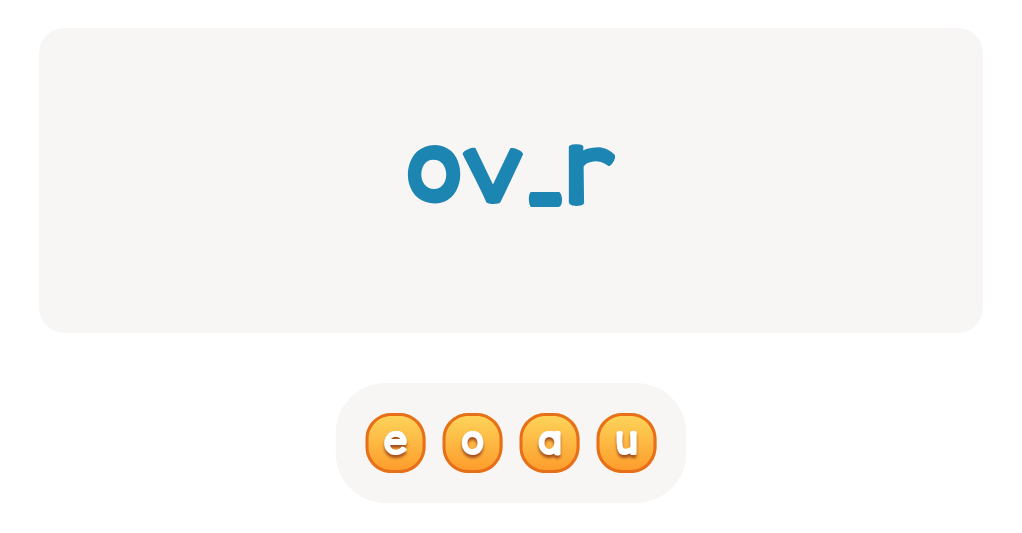
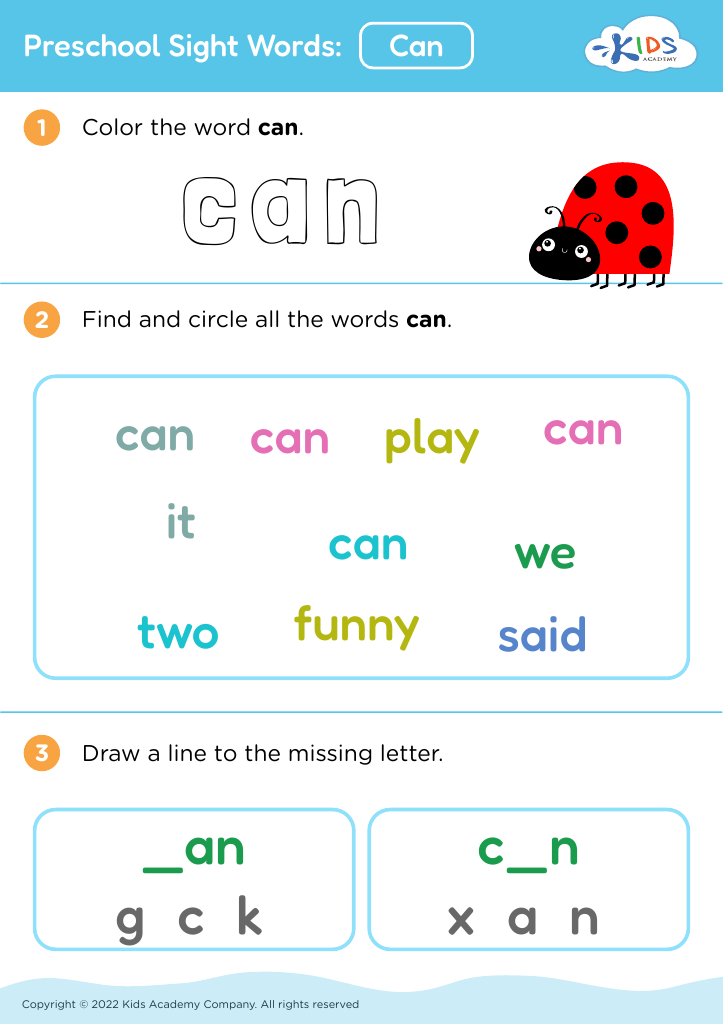
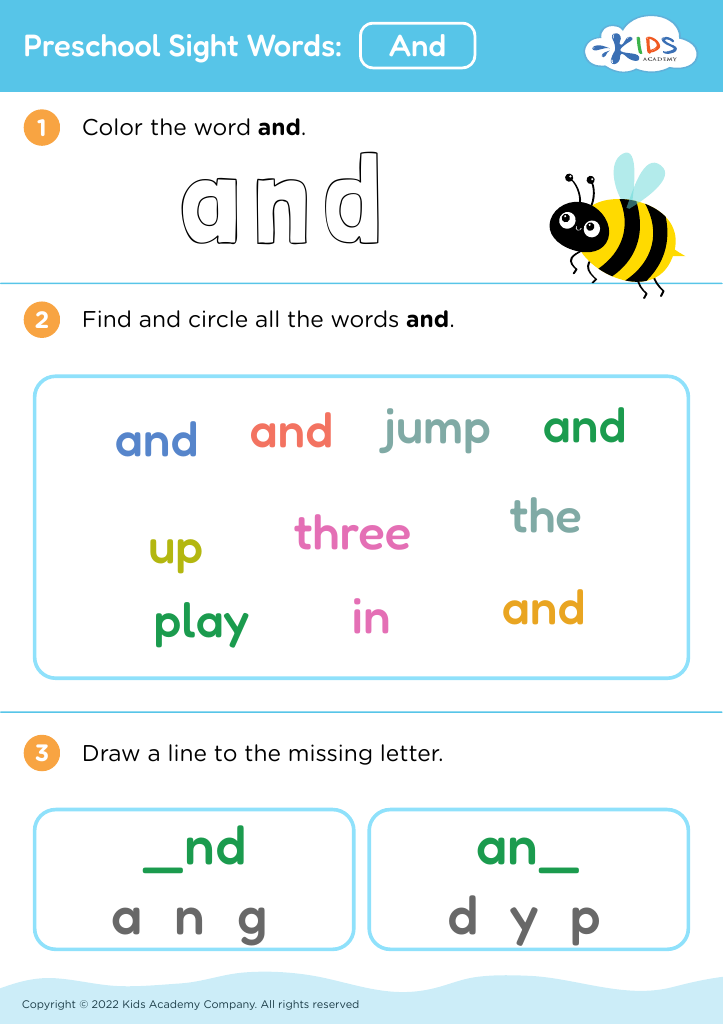








Developing problem-solving skills and understanding sight words at an early age offers numerous benefits for young children. For three-year-olds, these foundational skills promote cognitive development, setting the stage for academic success and practical life skills. Parents and teachers play a crucial role in fostering these abilities.
Problem-solving skills are essential as they enable children to navigate challenges and think critically. Encouraging this from a young age helps children become independent thinkers who can approach situations creatively and confidently. Activities like puzzles, sorting games, and simple problem-based tasks can stimulate a child's curiosity and enhance their cognitive flexibility. Building these skills early lays the groundwork for more complex problem solving in later academic and social situations.
Sight words, on the other hand, are common words that children learn to recognize without needing to sound them out. Mastery of sight words improves reading fluency, enabling children to read more easily and enjoy stories, which boosts confidence and interest in learning. Recognizing sight words helps children comprehend sentences and potentially develops an early love for reading. Knowing sight words also provides a significant head start when transitioning to more formal education settings.
By giving attention to problem-solving skills and sight words, parents and teachers help establish a robust foundation for lifelong learning and success in school, helping children thrive academically and socially from the very start.