Recognizing shapes Sight Words Worksheets for 3-Year-Olds
3 filtered results
-
From - To
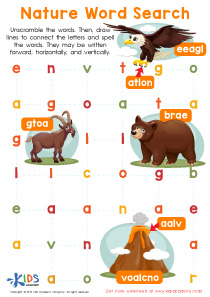
Unlock the joy of learning for your 3-year-old with our "Recognizing Shapes Sight Words Worksheets." Designed to captivate young minds, these printable worksheets blend the excitement of discovering shapes with the essential practice of sight words. With engaging, visually appealing activities, children will effortlessly identify basic shapes like circles, squares, and triangles while simultaneously strengthening their sight word recognition. Foster crucial early reading and math skills, promote hand-eye coordination, and spark creativity. Ideal for home or classroom use, these worksheets offer fun and effective educational playtime for your little learner. Explore now and watch them thrive!
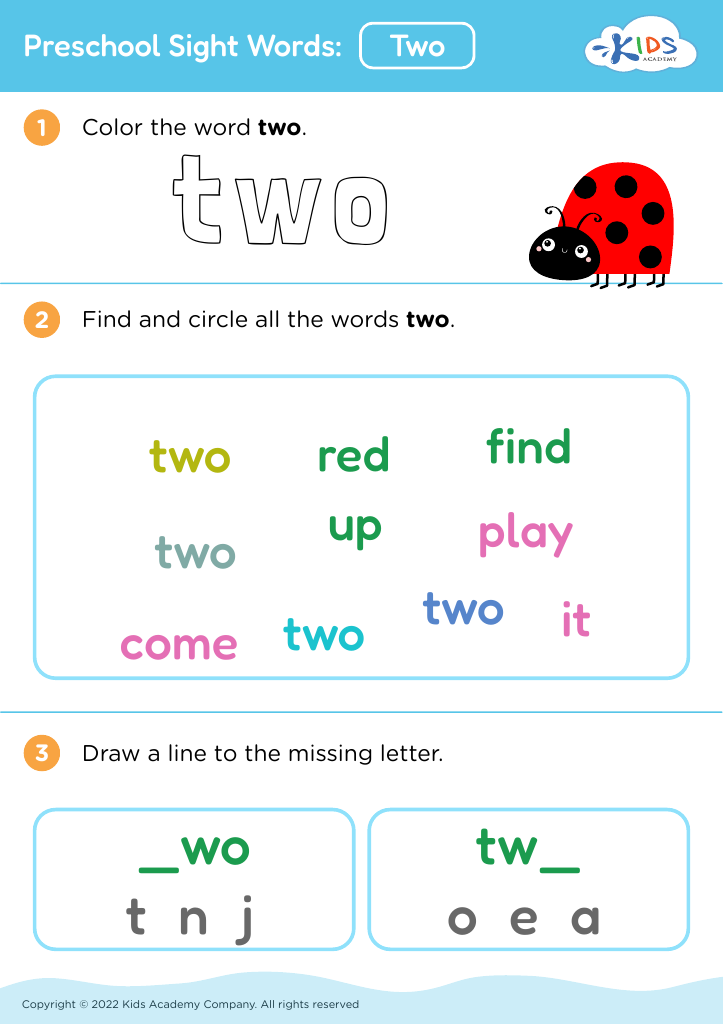





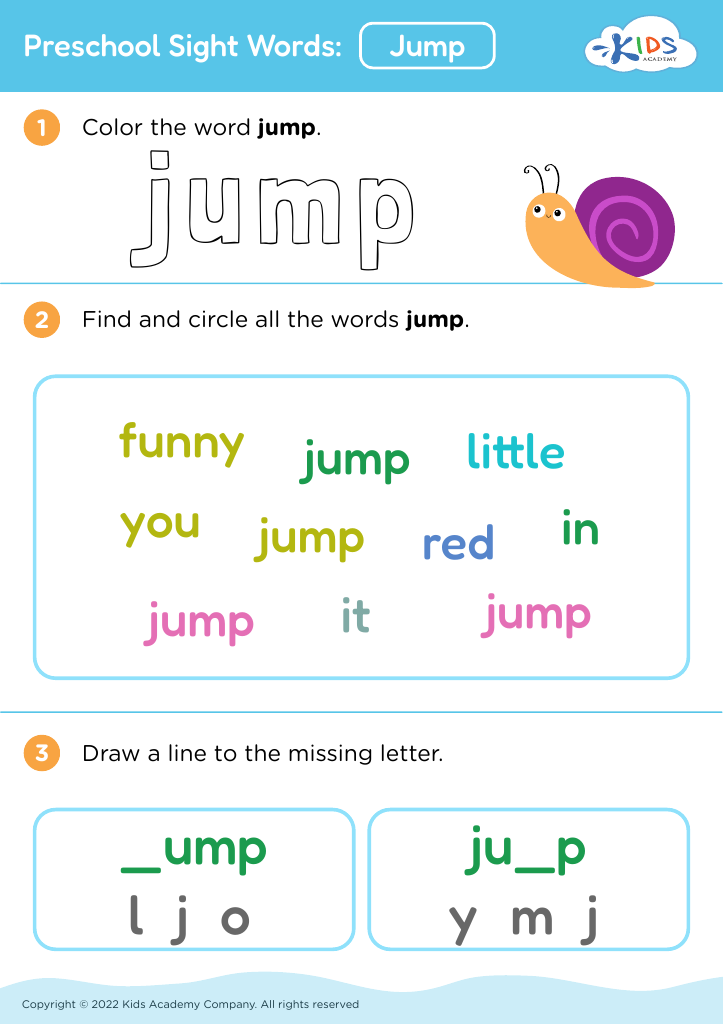
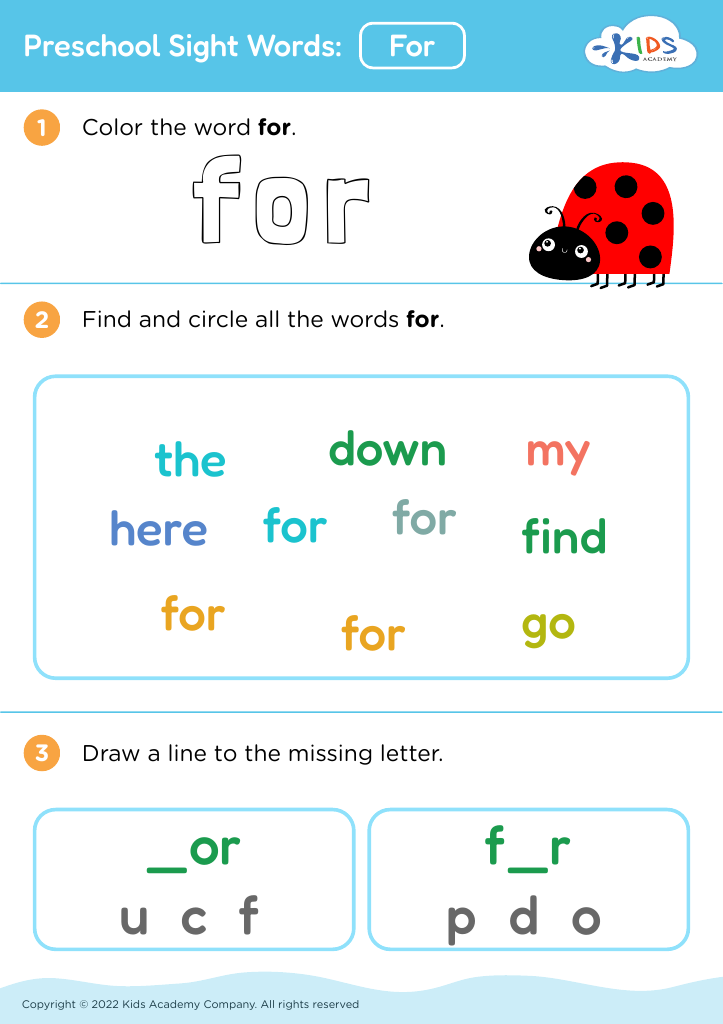






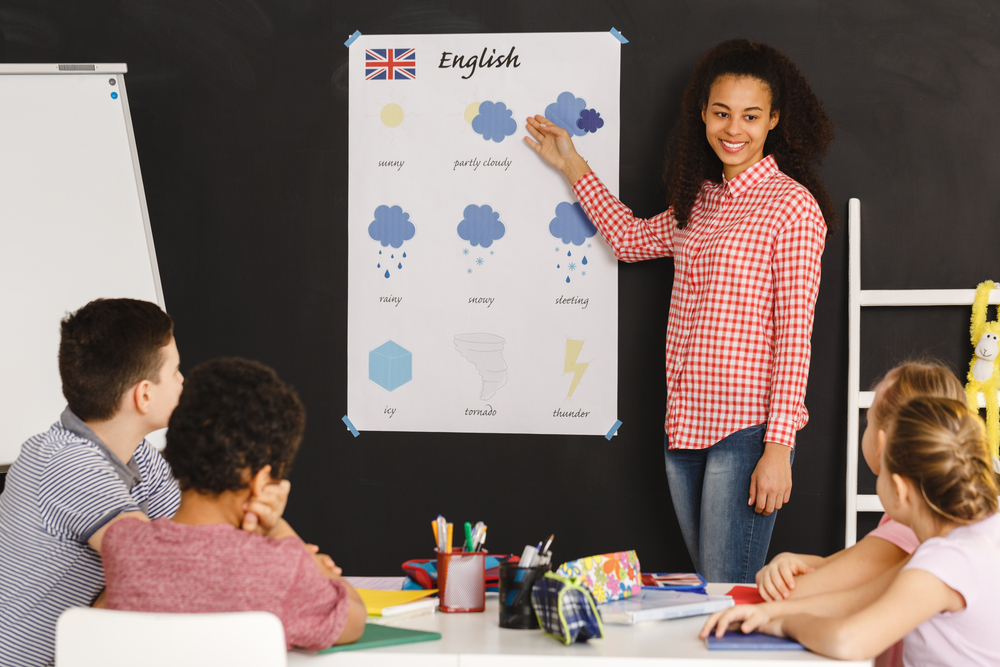

Recognizing shapes and sight words are essential building blocks in early childhood development. For 3-year-olds, mastering these skills nurtures cognitive development, language acquisition, and overall readiness for more structured learning environments. When children identify shapes, they enhance their spatial awareness, which is crucial for understanding more complex concepts like geometry and visual perception. Shapes also form the foundation for letters and numbers; recognizing a circle helps in identifying the letter "O," for example.
Sight words, on the other hand, significantly boost early literacy. These are commonly used words that young children are encouraged to recognize on sight – "the," "and," "is," etc. Familiarity with sight words makes reading smoother and more fluent, allowing young learners to grasp the meaning without getting stuck on decoding each word. This sense of fluency fosters a love for reading and learning.
For both parents and teachers, prioritizing these skills means giving children a valuable head start. When teachers incorporate these basics into activities and play, and parents reinforce them at home, children receive consistent encouragement. This dual support helps them become confident, curious learners. Early mastery of shapes and sight words thus sets the stage for future academic success, forming a vital part of early education strategies.