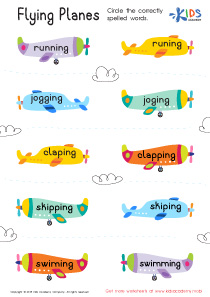
Phonics recognition Elementary Phonics Worksheets for Ages 4-6
3 filtered results
-
From - To
Phonics recognition is essential for early literacy, and our Elementary Phonics Worksheets for ages 4-6 provide engaging, interactive learning. Designed to enhance young learners’ understanding of letter sounds and phonetic patterns, these worksheets focus on fundamental skills needed to decode words. With colorful illustrations and simple instructions, each activity promotes vocabulary development and reading fluency. Kids will enjoy exciting exercises that reinforce their ability to recognize sounds within words, making learning fun and effective. Perfect for classrooms or at-home practice, our phonics worksheets are tailored to inspire early readers, setting them up for success in their educational journey!
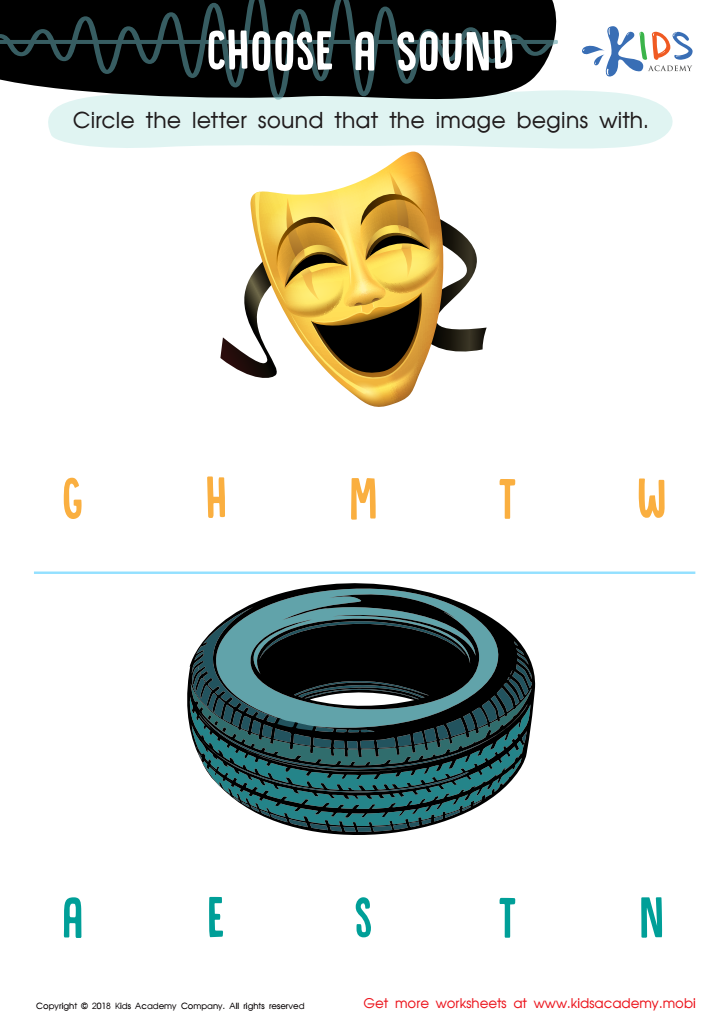
Choose a Sound Worksheet
 Assign to My Students
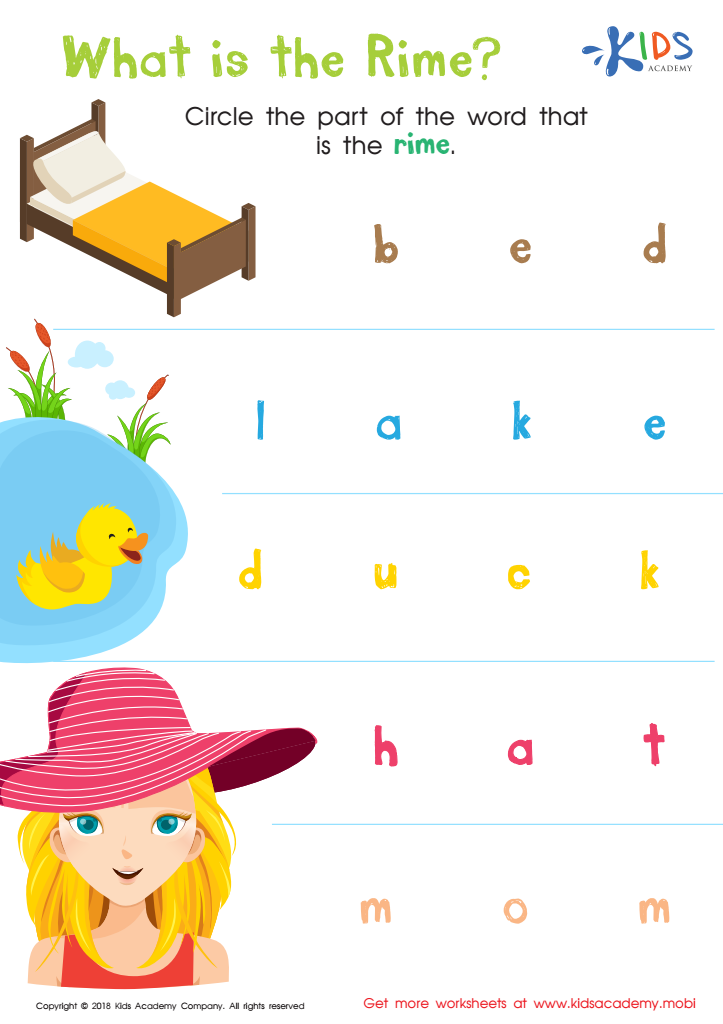
What Is the Rime? Worksheet
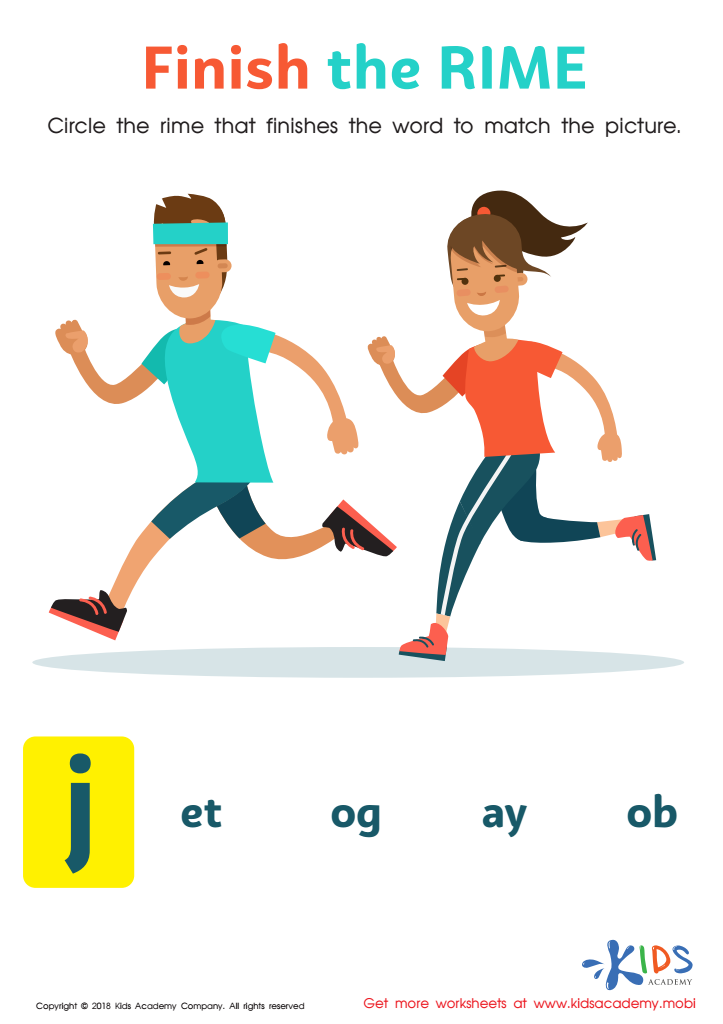
Finish the Rime Worksheet




Phonics recognition is crucial for children aged 4-6 as it lays the foundation for proficient reading and writing skills. Understanding phonics enables young learners to connect sounds with letters, which is essential for decoding words. This skill is vital, as reading is fundamentally linked to success in nearly all academic areas.
Parents and teachers should prioritize phonics because it supports language development and boosts phonemic awareness, allowing children to manipulate sounds effectively. Early mastery of phonics can lead to improved confidence in reading, reducing frustration and creating a positive association with literacy. Furthermore, phonics instruction provides children with strategies to tackle unfamiliar words independently, cultivating a sense of empowerment as they navigate texts.
Additionally, a strong phonics base enhances comprehension skills. Children who can decode words fluently are better equipped to understand and analyze what they read, promoting critical thinking. Early intervention in phonics can also identify potential reading difficulties, allowing for timely support that can alter a child's academic trajectory positively.
Overall, prioritizing phonics in early education ensures that children develop essential literacy skills that will benefit them throughout their educational journey and beyond. Encouraging phonics recognition fosters a lifelong love for learning and literacy.