Phonics improvement Alphabet Worksheets for Ages 4-6
5 filtered results
-
From - To
Enhance your child's reading and writing skills with our Phonics Improvement Alphabet Worksheets, specially designed for ages 4-6. These engaging worksheets provide fun, interactive activities that focus on letter recognition, sound recognition, and phonemic awareness. Ideal for early learners, they promote essential literacy skills through colorful illustrations and enjoyable exercises. Each worksheet helps children practice key phonics concepts while developing fine motor skills. By integrating play with learning, these worksheets will inspire confidence and enthusiasm for reading. Start your child's phonics journey today and watch them blossom into confident readers and writers! Explore our collection and make learning enjoyable!
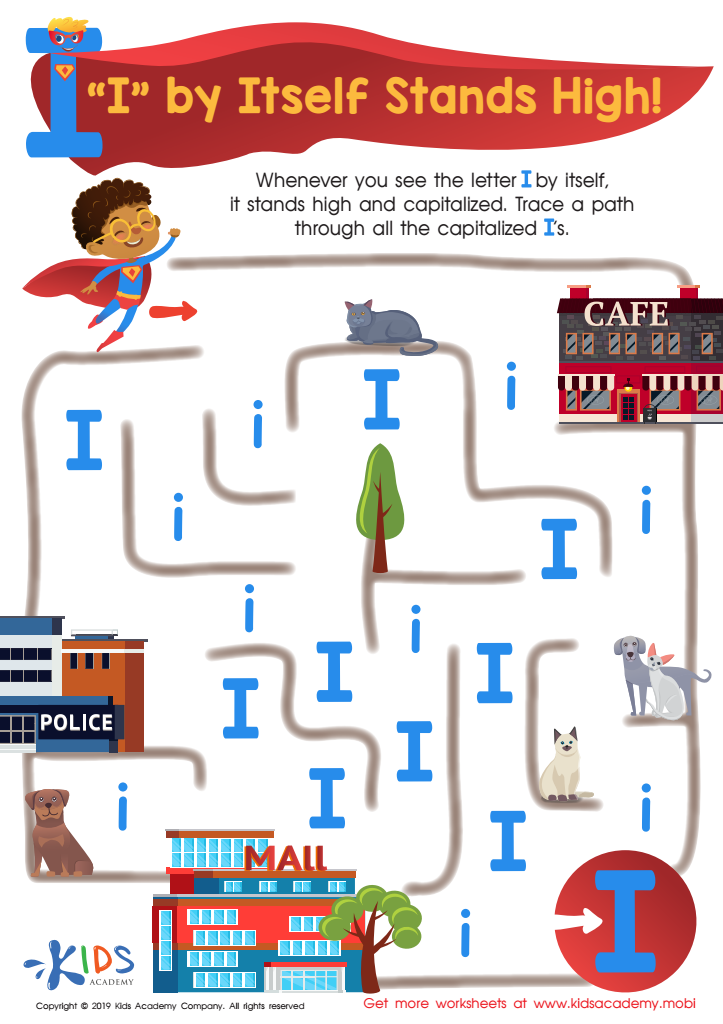
I Stands High Worksheet
 Assign to My Students
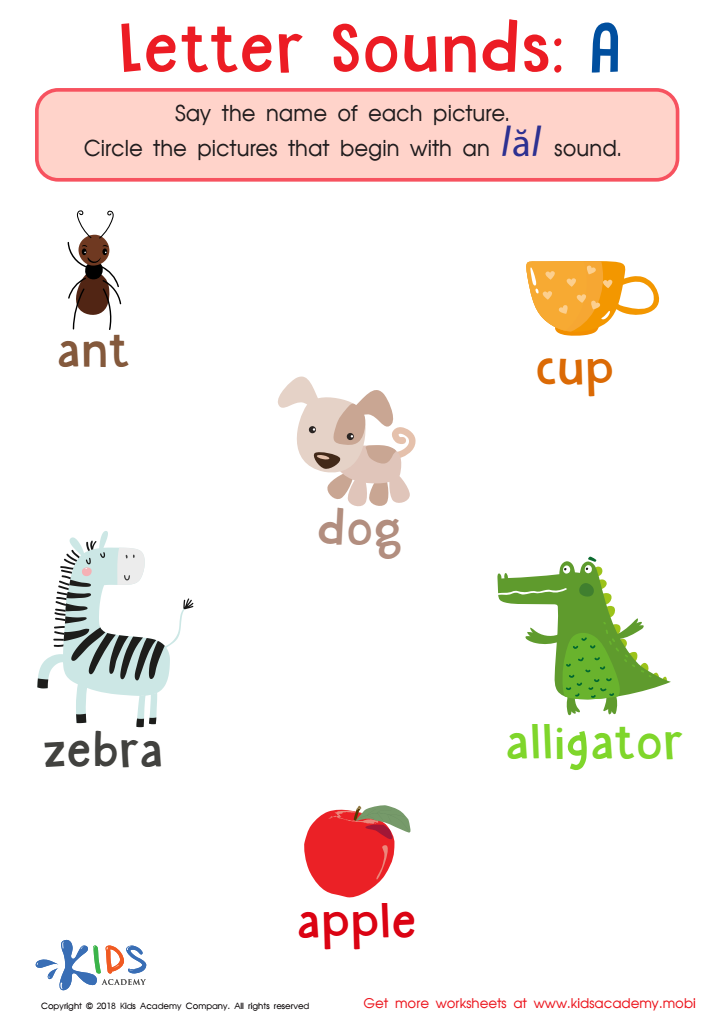
Letter A Sounds Worksheet
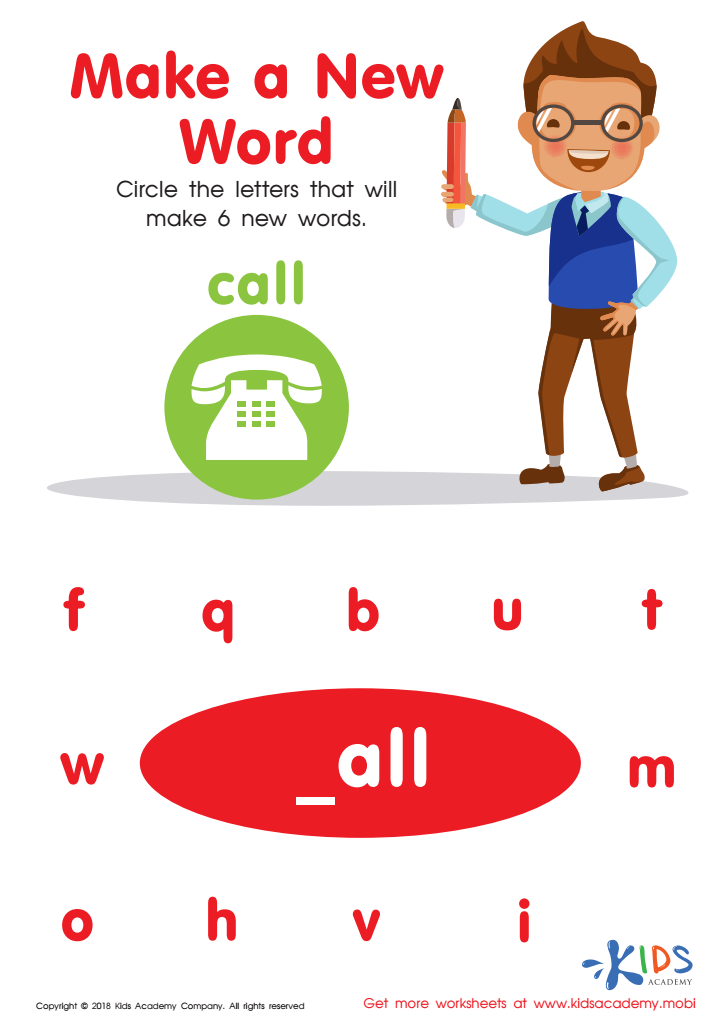
Make a New Word Worksheet
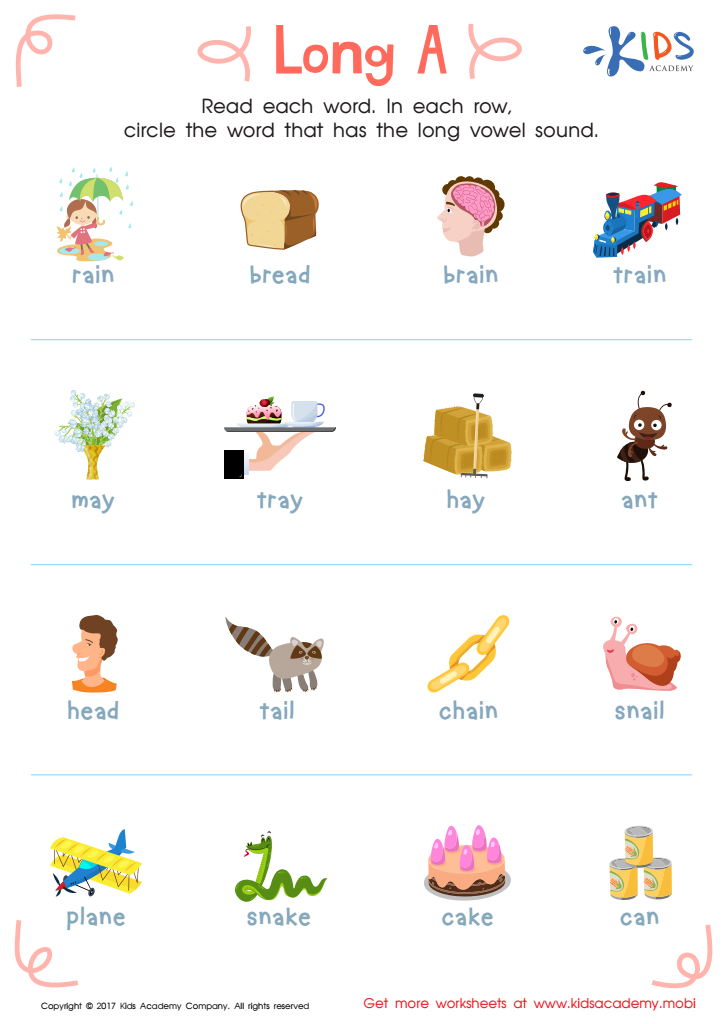
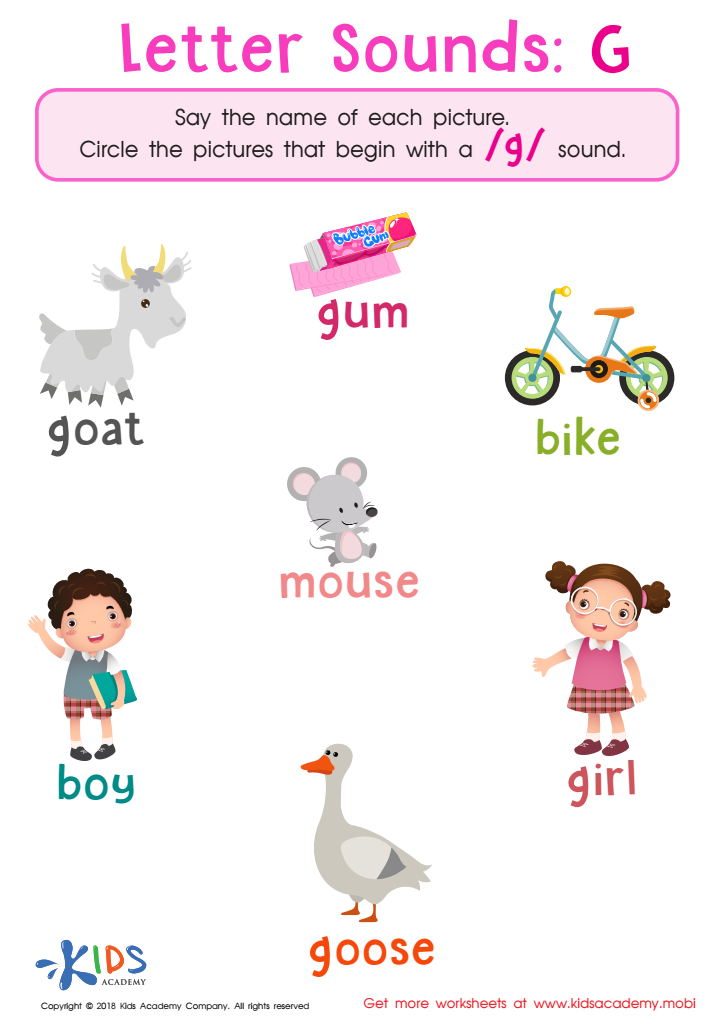
Letter G Sounds Worksheet






Phonics development is crucial for children aged 4-6, as it lays the foundation for reading and writing skills. This stage of literacy growth gives children the tools to connect sounds with letters, an essential skill for decoding words. Understanding phonics assists young learners in recognizing patterns in language, boosting their confidence and proficiency in reading. When parents and teachers prioritize phonics improvement, they help to create a supportive learning environment that fosters language acquisition.
Effective phonics instruction encourages children to sound out letters and words, allowing them to tackle new reading materials independently. This independence not only nurtures a love for reading but also enhances overall academic performance. Furthermore, strong phonics skills can help prevent future reading difficulties, reducing frustration and promoting a more positive educational experience.
Because early literacy experiences heavily influence future learning, both parents and teachers play a pivotal role in encouraging regular phonics practice through engaging activities and collaborative storytelling. By fostering phonics improvement, they ensure that children are not just learning to read but are also prepared to thrive in a world rich with written communication, lifelong learning, and critical thinking skills. Ultimately, investing in phonics development is an investment in a child’s future success.







