Shape Recognition Alphabet Worksheets for Ages 4-6
4 filtered results
-
From - To
Unlock the magic of learning with our Shape Recognition Alphabet Worksheets, designed specifically for ages 4-6. These engaging printables blend foundational alphabet knowledge with exciting shape recognition activities, fostering both literacy and cognitive development. Perfect for young learners, each worksheet features captivating visuals and interactive tasks that make learning letters and shapes a joyful experience. Cultivate early reading skills as children identify, trace, and match shapes with their corresponding alphabet letters. These worksheets are a superb resource for parents and teachers aiming to support educational growth and build a solid foundation in a fun, interactive manner. Get started today!
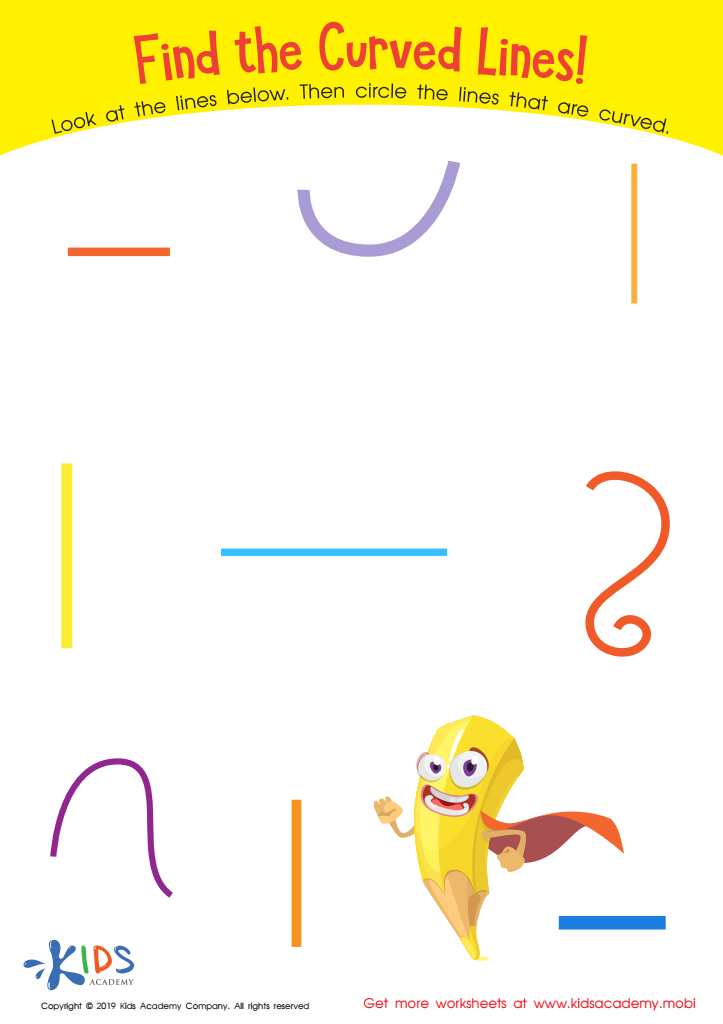
Find the Curved Lines! Worksheet
 Assign to My Students
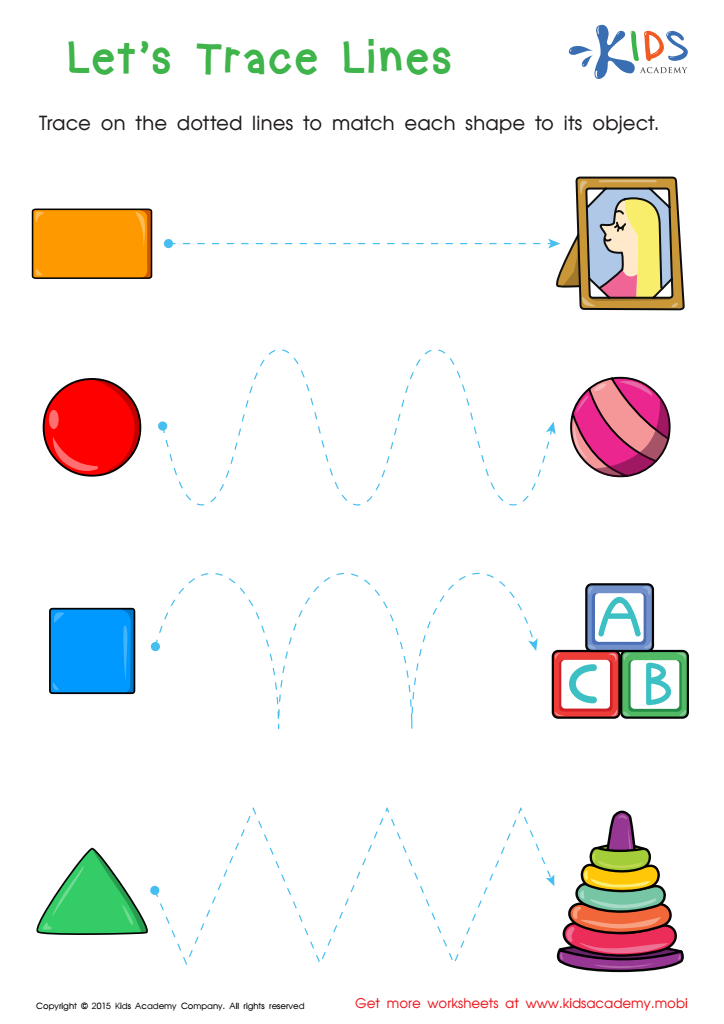
First Words: Let's Trace Lines Worksheet
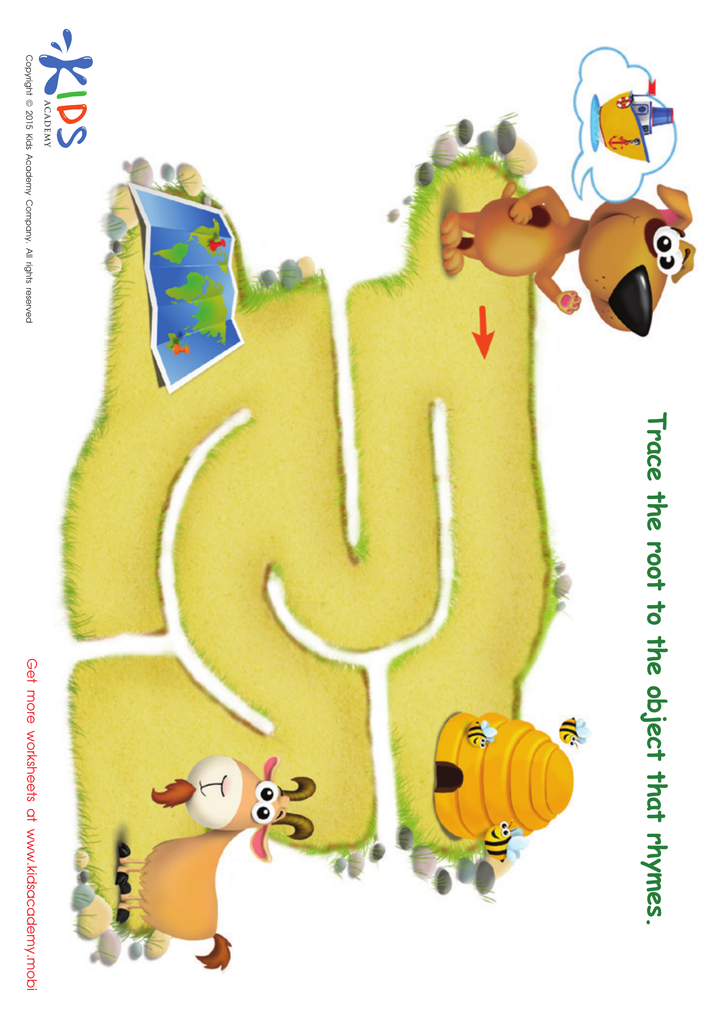
Boat Rhyming Words Worksheet
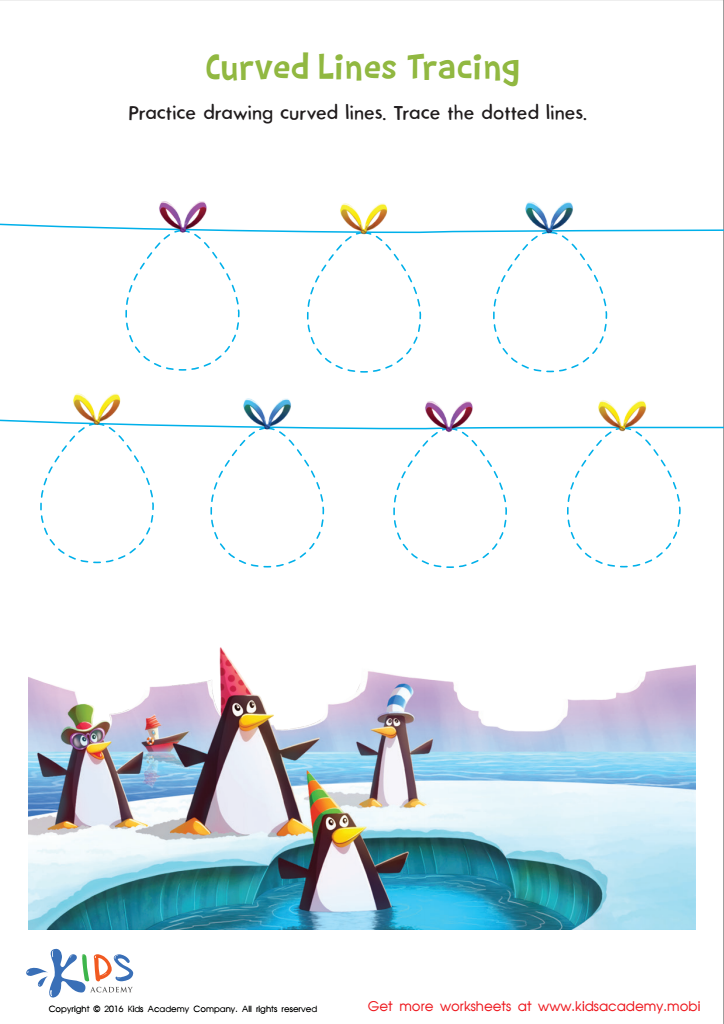
Curved Lines Tracing Worksheet







Shape recognition alphabet activities are vital for young children's cognitive and academic development, particularly between the ages of 4-6. During these formative years, children are highly receptive to learning and developing key skills that will form the foundation of their future education. Integrating shape recognition into alphabet learning offers significant benefits for various reasons.
Firstly, it enhances visual discrimination skills, allowing children to differentiate between various letters based on their shapes. This skill is crucial for reading fluency and prevents letter confusion, especially with similarly shaped characters like "b" and "d" or "p" and "q." Secondly, combining shapes with letters makes the learning experience more engaging. Children find it easier to grasp concepts when they are presented in a fun and interactive manner, thus fostering early literacy skills.
Additionally, this method strengthens fine motor skills. Tracing and drawing shapes and letters improve hand-eye coordination and hand strength, which are essential for writing. Parents and teachers should recognize that such activities also bolster cognitive development by encouraging pattern recognition and logical thinking.
Lastly, the playful nature of shape recognition alphabet activities boosts a child's confidence. As they successfully identify and understand letters through familiar shapes, they gain a sense of accomplishment, fostering a positive attitude towards learning overall. For these reasons, integrating shape recognition into alphabet learning is a beneficial and effective educational strategy for young children.







