Fine motor skills development Letter Recognition Worksheets for Ages 4-6
5 filtered results
-
From - To
Unlock your child's potential with our engaging Fine Motor Skills Development Letter Recognition Worksheets designed for ages 4-6! These printable resources combine fun and education, focusing on the essential skills needed for early literacy. Children will enhance their fine motor abilities through various hands-on activities, including tracing, coloring, and matching letters. Each worksheet encourages practicing letter recognition while strengthening hand-eye coordination, pencil grip, and dexterity. Perfect for home or classroom use, these worksheets make learning letters an enjoyable experience, setting the foundation for reading and writing success. Explore our collection today and watch your child thrive in their early learning journey!
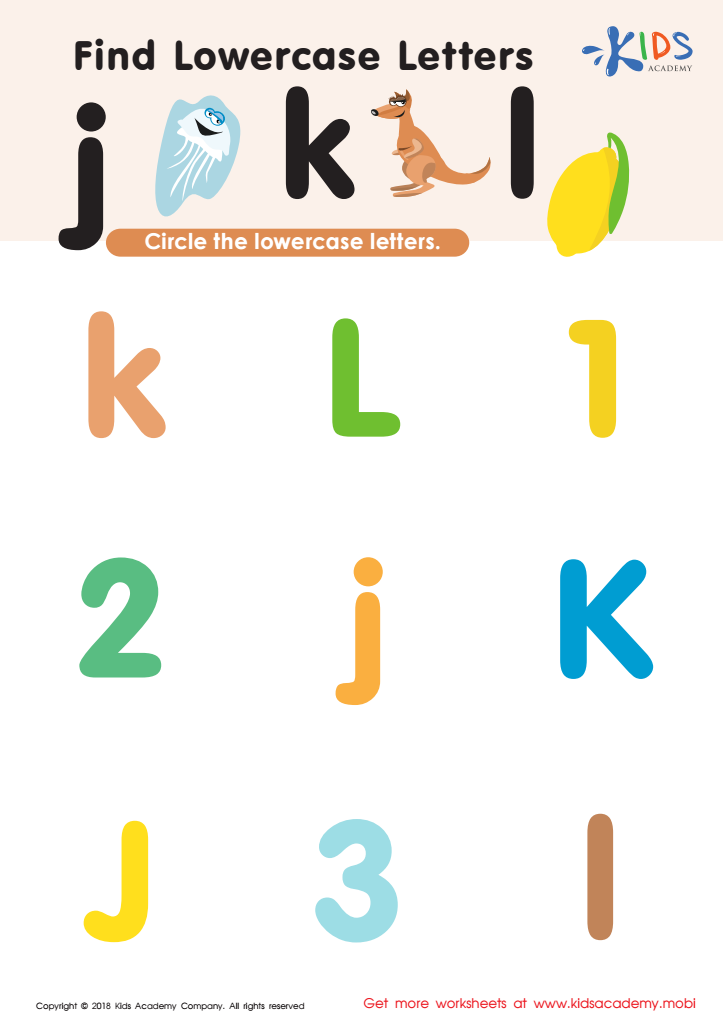
Find Lowercase Letters j k l Worksheet
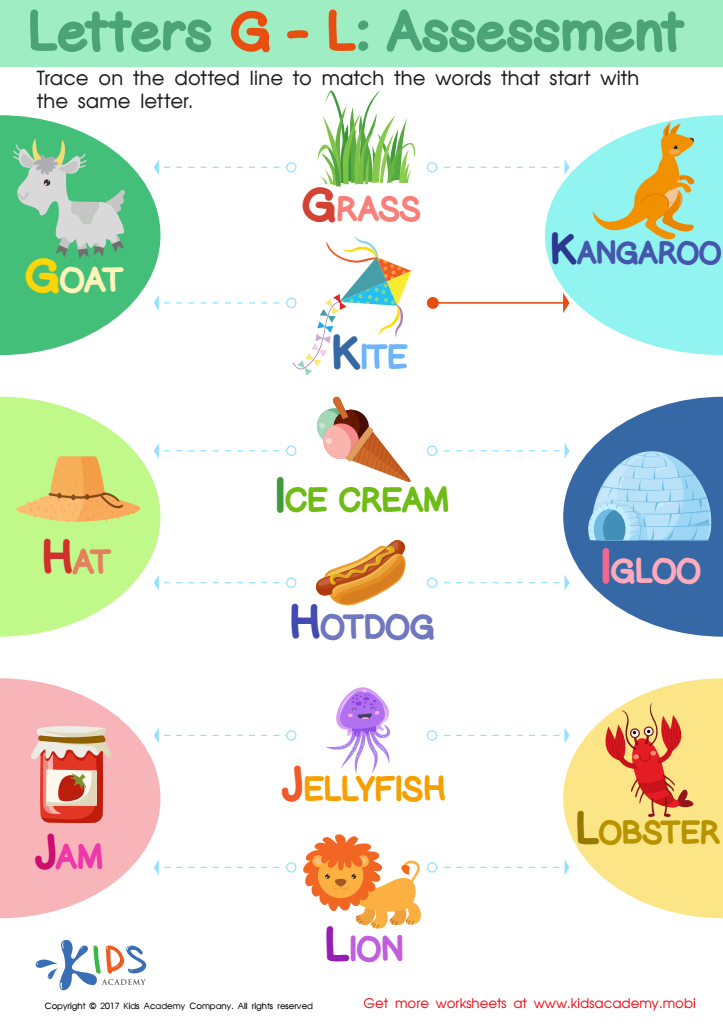
Letters G-L Worksheet
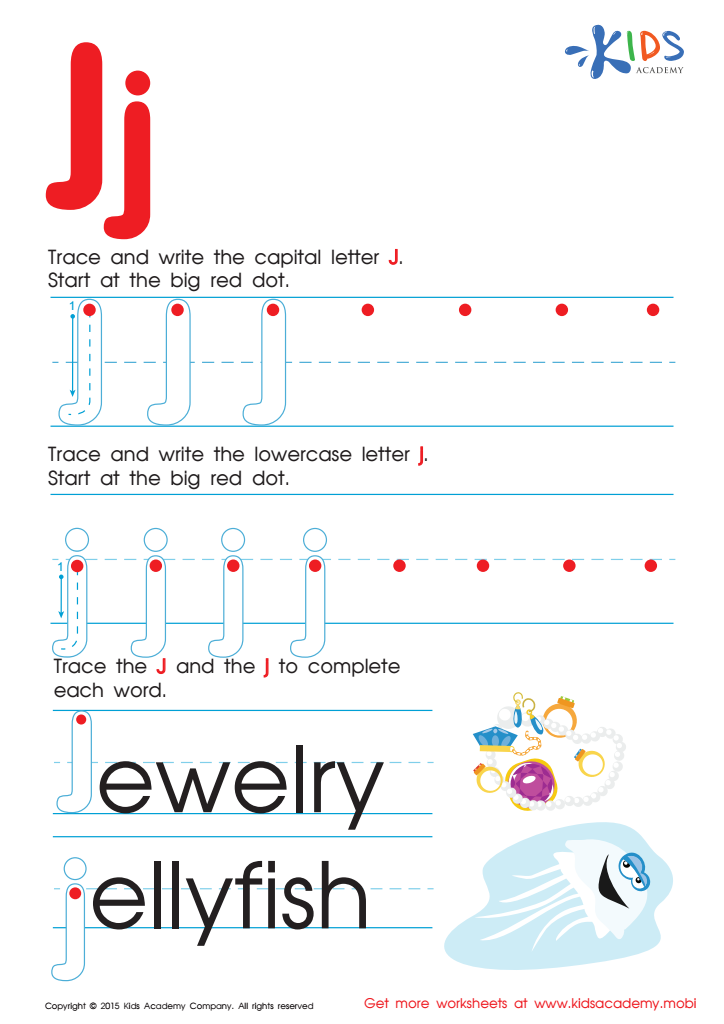
Letter J Tracing Page
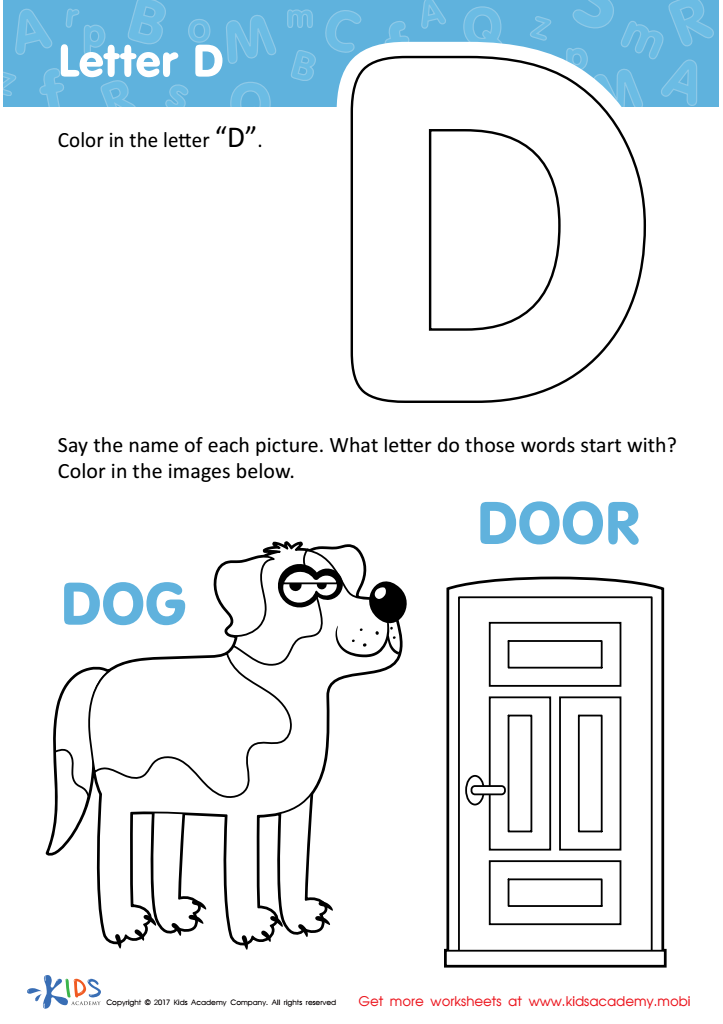
Letter D Coloring Sheet
 Assign to My Students
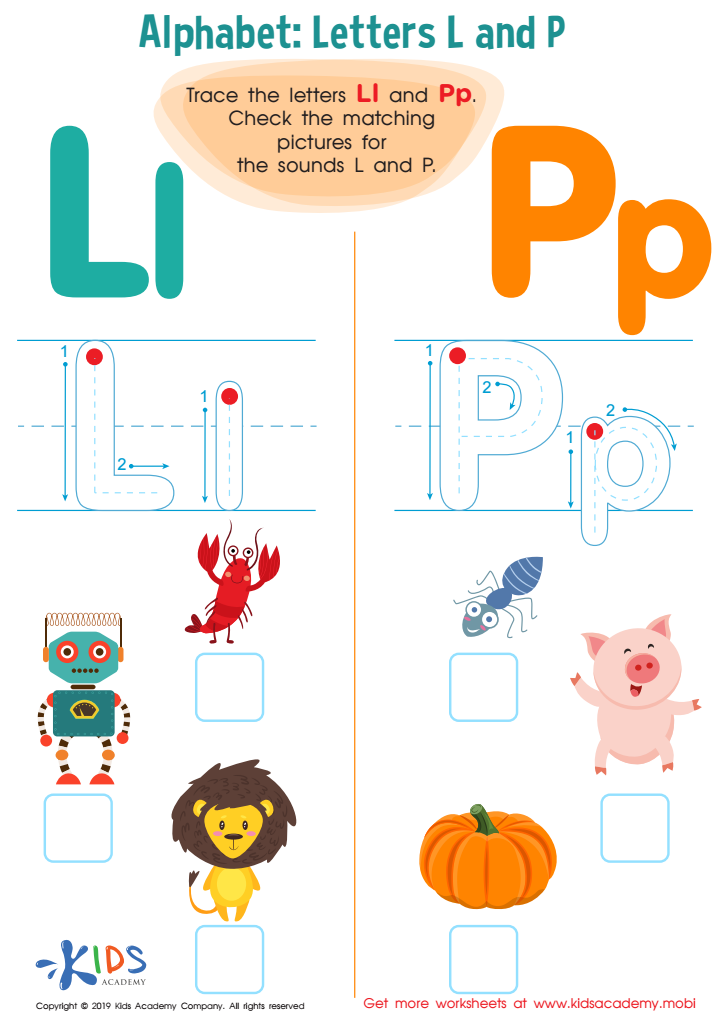
Letter L and P Tracing Worksheet








Fine motor skills and letter recognition are crucial components of early childhood development, particularly for children aged 4-6. Fine motor skills involve the coordination of small muscles in the hands and fingers, enabling tasks such as gripping a pencil, cutting with scissors, and tying shoelaces. These skills lay the foundational groundwork for writing and everyday tasks, fostering confidence and independence.
Simultaneously, letter recognition is essential for literacy development. By recognizing letters and understanding their sounds, children develop early reading skills, which are pivotal for academic success. Mastery of letter recognition aids in phonemic awareness, allowing children to sound out words and eventually develop fluency.
Parents and teachers should prioritize these skills because they are intrinsically linked to a child’s overall cognitive development. When fine motor skills and letter recognition are nurtured, children experience improved self-esteem and greater engagement in learning activities. Additionally, thriving in these areas fosters a love for reading and writing, setting the stage for future academic achievement. Environments rich in activities that promote these skills, such as arts and crafts or reading aloud, allow children to explore and develop essential competencies that will benefit them throughout their educational journey.







