Motor skills development Letter Recognition Worksheets for Ages 4-6
5 filtered results
-
From - To
Unlock your child's potential with our engaging "Motor Skills Development Letter Recognition Worksheets" designed for ages 4-6! These printable resources combine fun activities that enhance fine motor skills and promote letter recognition simultaneously. Each worksheet features vibrant illustrations and interactive tasks, such as tracing, coloring, and connecting dots, ensuring that learning feels like play. Ideal for preschool and kindergarten settings, these worksheets support early literacy development while fine-tuning hand-eye coordination and dexterity. Give your child the foundational skills they need for academic success—all while keeping them entertained! Explore our collection and watch your little one thrive in their learning journey!
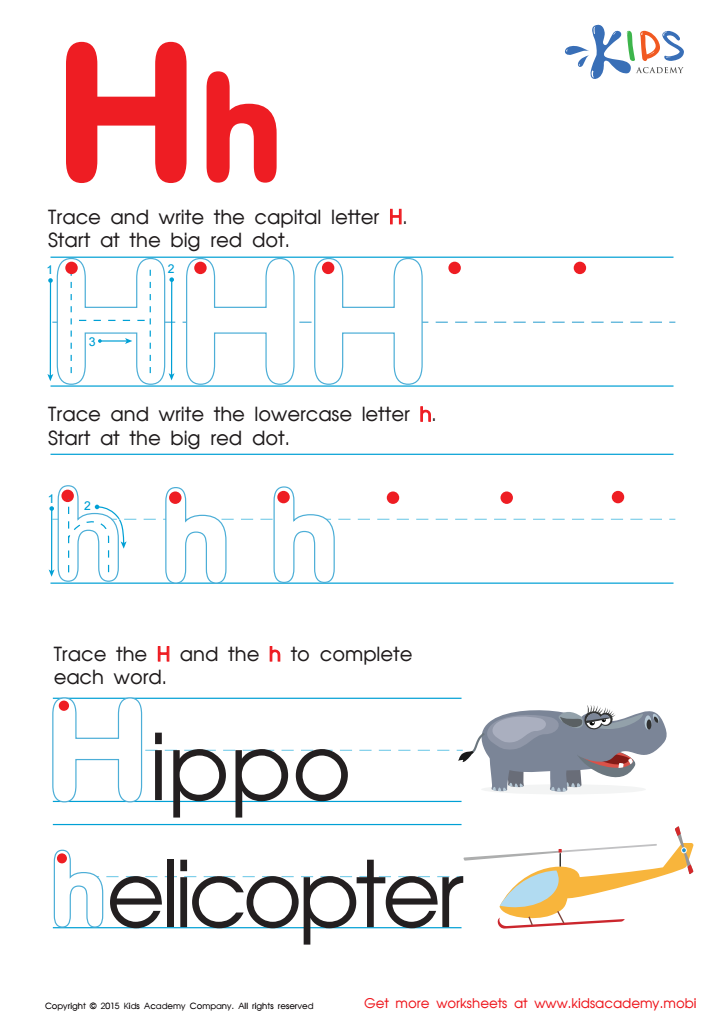
Letter H Tracing Page
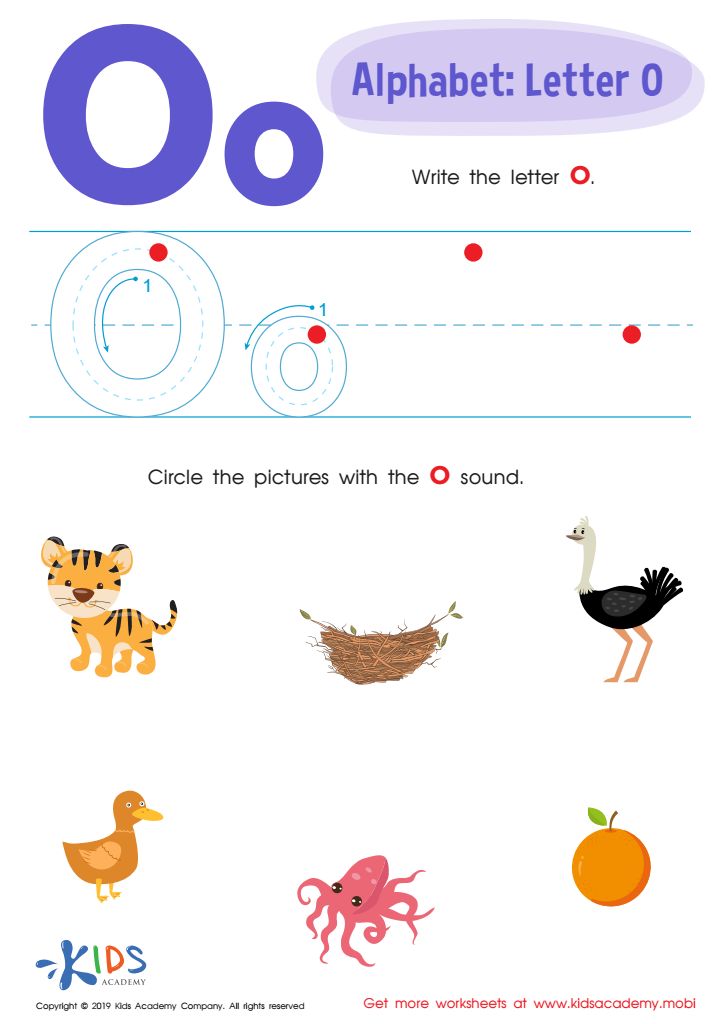
Letter O Tracing Worksheet
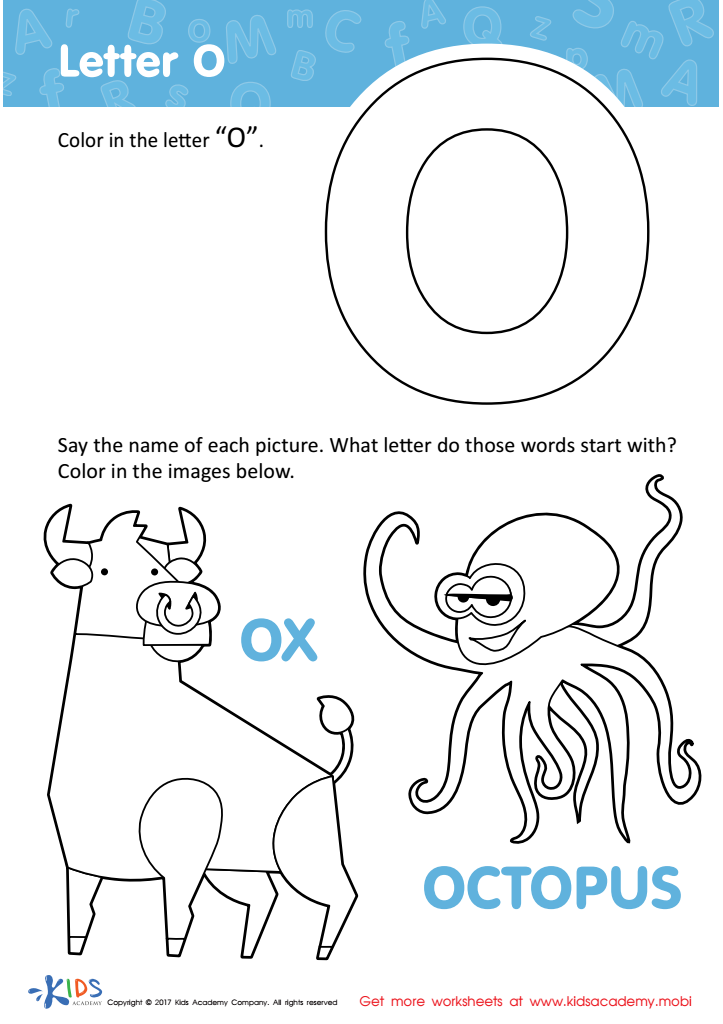
Letter O Coloring Sheet
 Assign to My Students
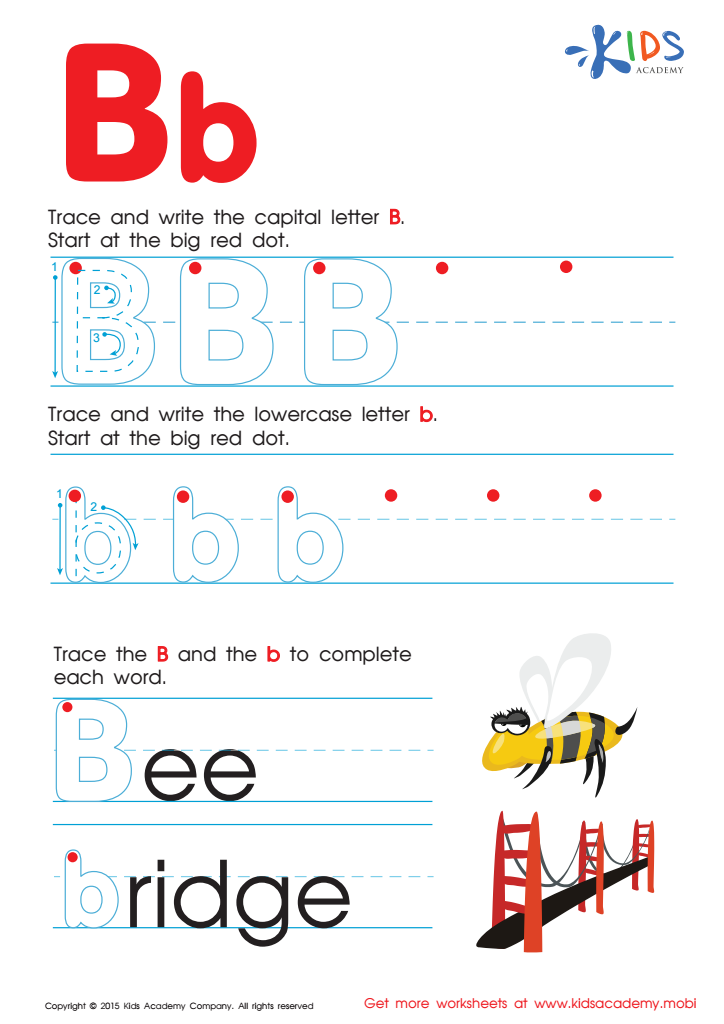
Letter B Tracing Page
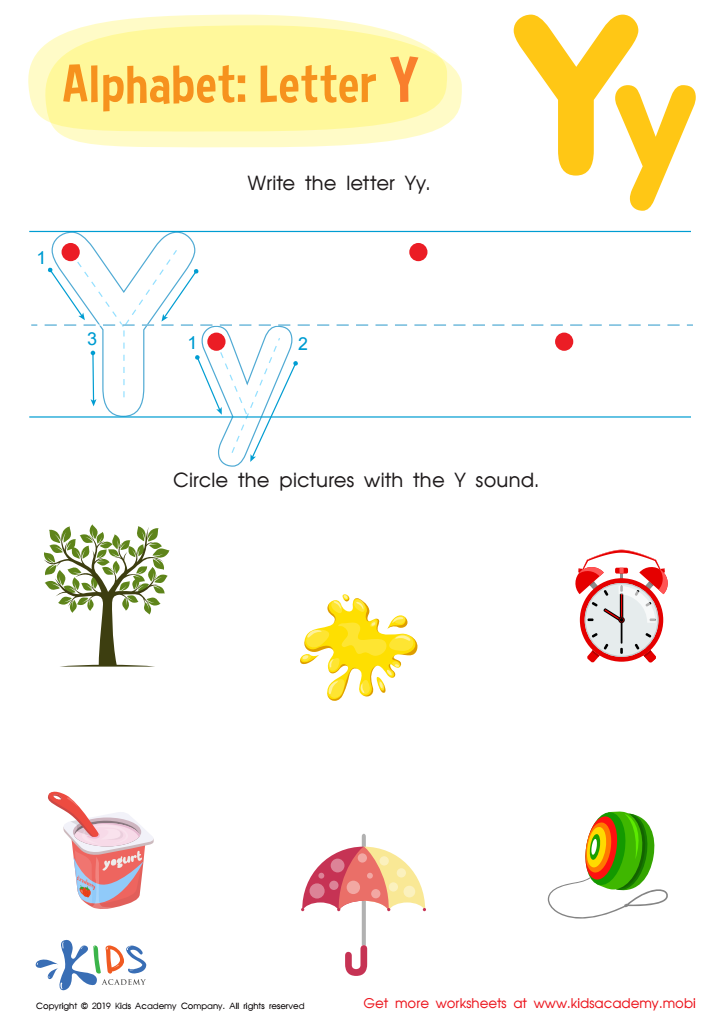
Letter Y Tracing Worksheet








Motor skills development and letter recognition are crucial components of early childhood education, particularly for children ages 4-6. Parents and teachers should prioritize these skills because they form the foundation for successful learning.
Developing fine and gross motor skills enhances a child's ability to manipulate objects, which is vital for tasks like writing, cutting, and playing. These coordinated movements improve dexterity and hand-eye coordination, enabling children to engage effectively with their environment and peers. As they practice these skills, they also build confidence and independence, which are essential for a positive learning experience.
Letter recognition, on the other hand, is fundamental for literacy. When children can identify and understand letters, they are better prepared to tackle reading and writing tasks. Letter recognition fosters phonological awareness, leading to improved language skills, spelling, and comprehension. The ability to recognize letters also aids in the transition to reading words and sentences, opening up realms of knowledge and creativity.
By supporting both motor skills development and letter recognition, parents and teachers provide a holistic educational approach. This integrated focus not only enhances academic success but also nurtures social-emotional growth, setting the stage for lifelong learning. Being proactive in these areas can help children thrive both in and out of the classroom.







