Reading comprehension Letter Recognition Worksheets for Ages 4-6
7 filtered results
-
From - To
Enhance your child's reading skills with our engaging Reading Comprehension Letter Recognition Worksheets for ages 4-6. Designed to introduce young learners to the alphabet, these worksheets foster letter recognition while promoting essential reading comprehension abilities. Each activity is both fun and educational, ensuring your child discovers the joy of learning. Our carefully crafted worksheets encourage children to identify letters in various contexts, supporting their understanding of words and enhancing their vocabulary. Perfect for preschoolers and kindergarteners, these resources will build a solid foundation in literacy, setting your child on the path to becoming a confident reader. Explore our collection today!
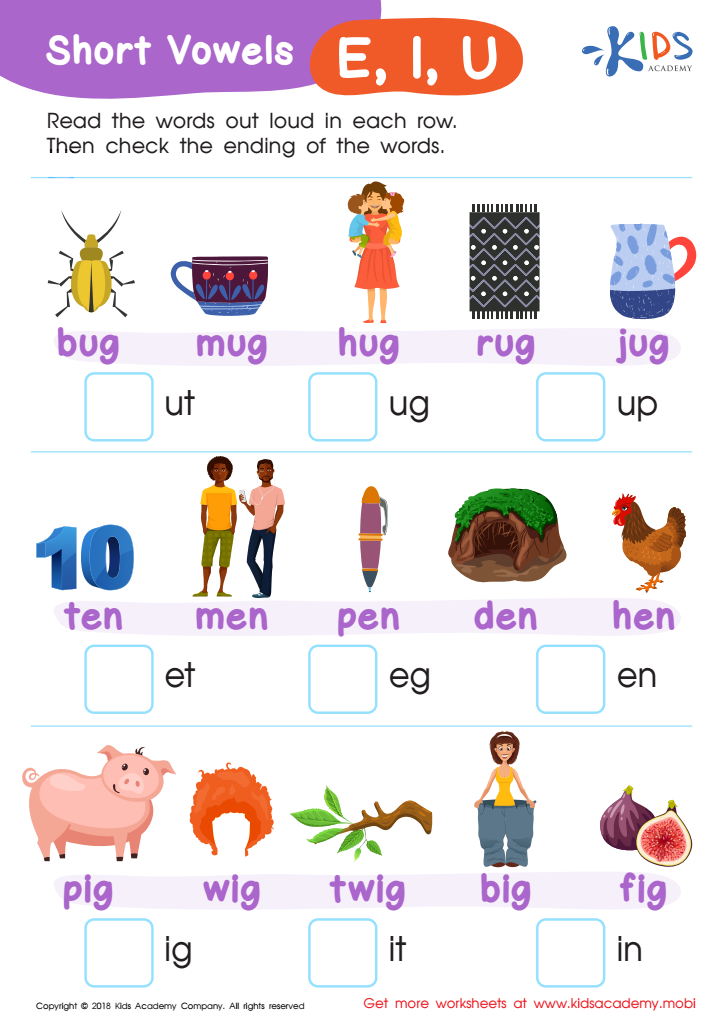
Short Vowels /e/, /i/, and /u/ Worksheet
 Assign to My Students
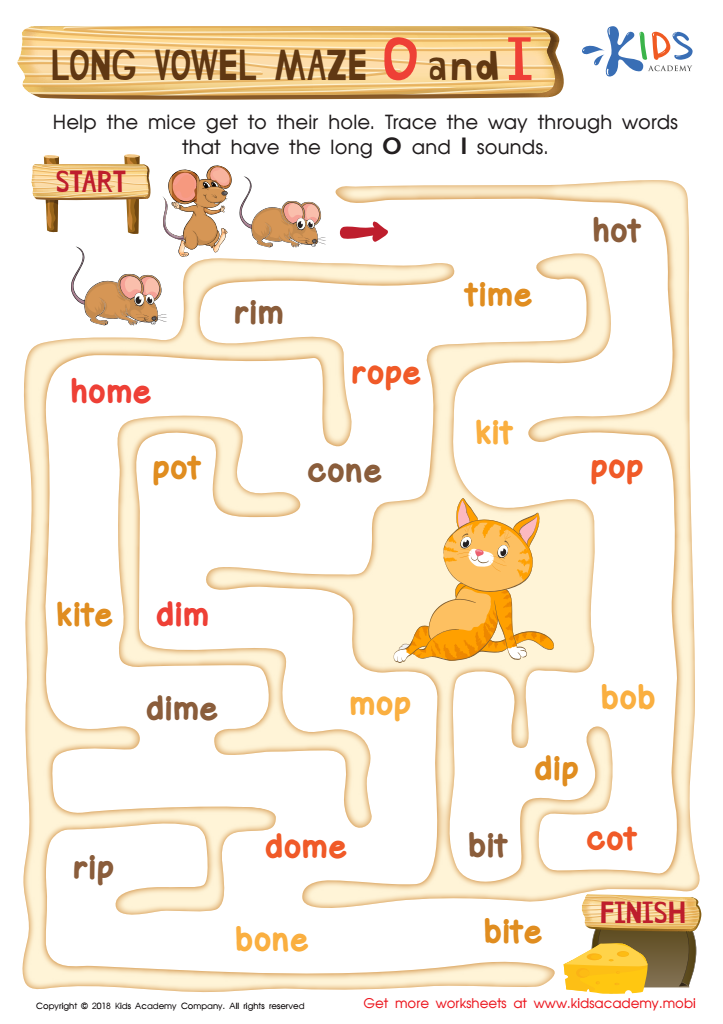
Long Vowel Maze /o/ and /i/ Worksheet
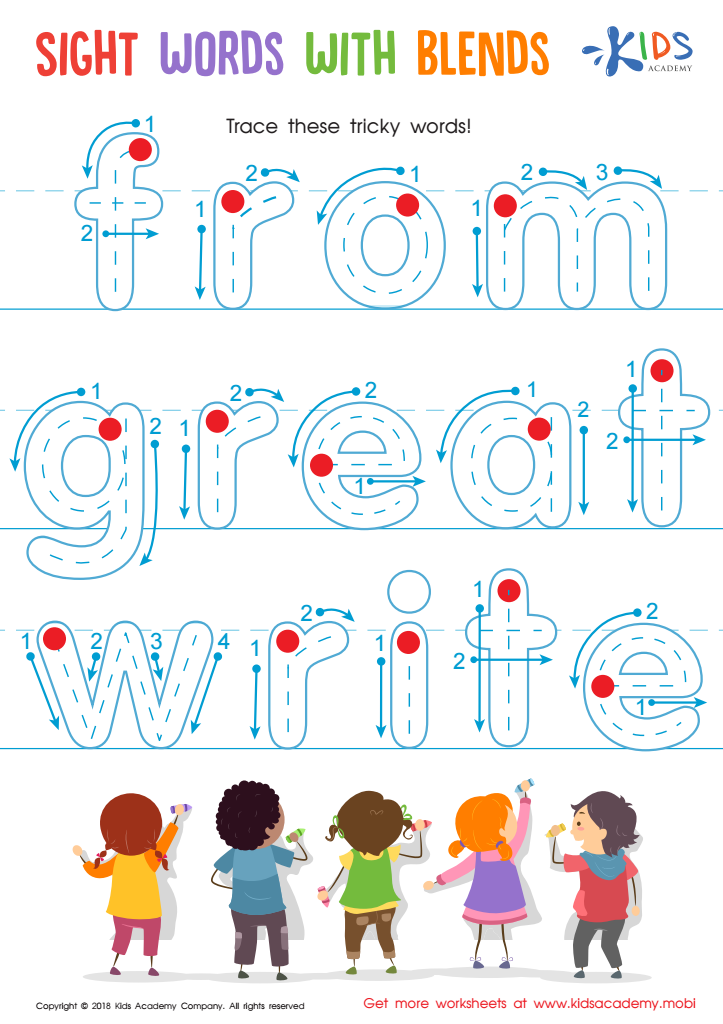
Sight Words with Blends Worksheet
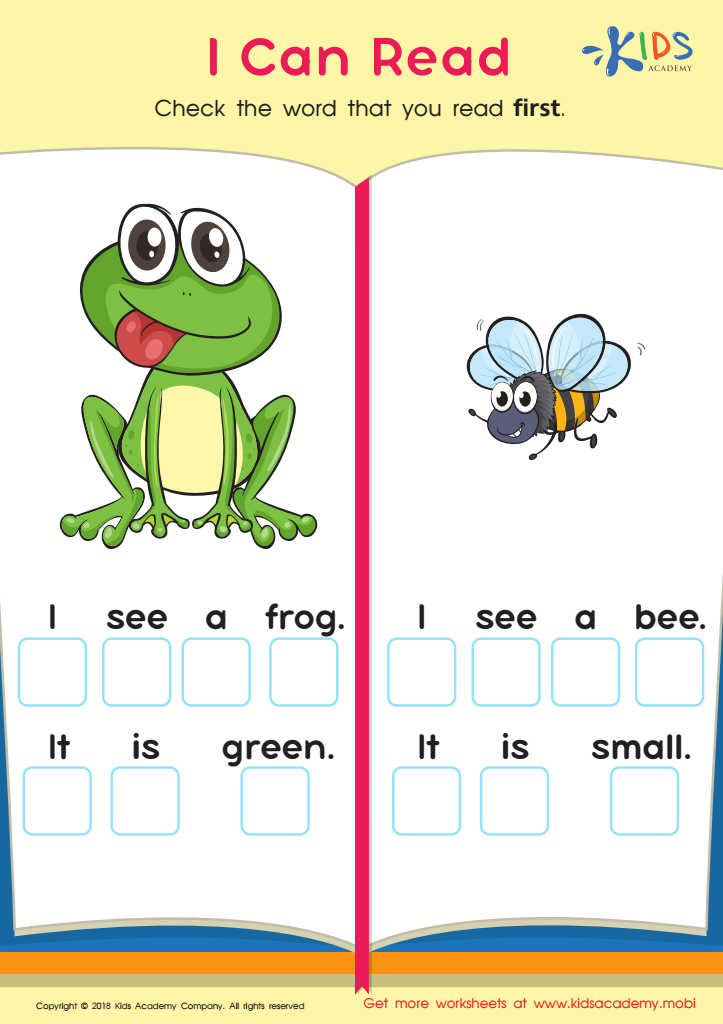
I Can Read Worksheet
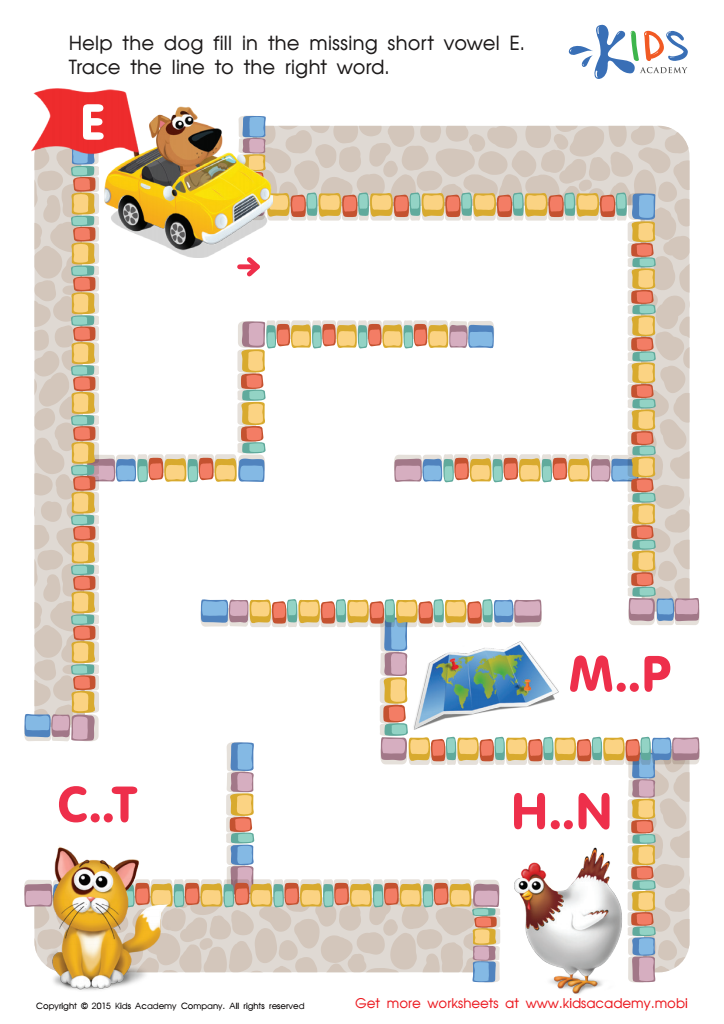
Short Vowel Sound E Worksheet
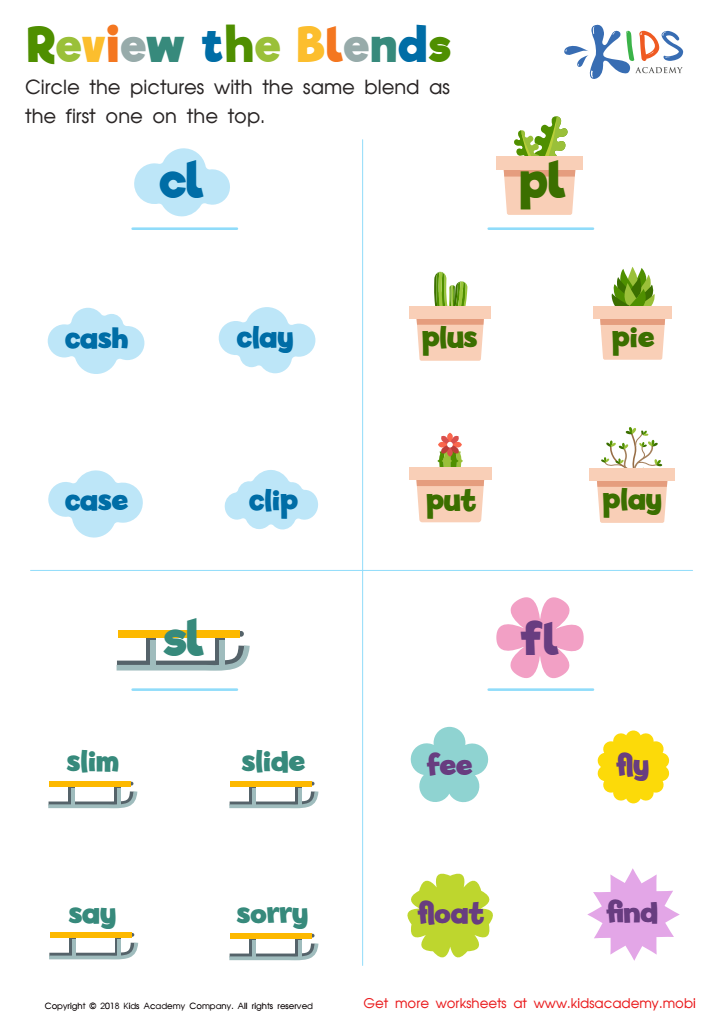
Review the Blends Worksheet
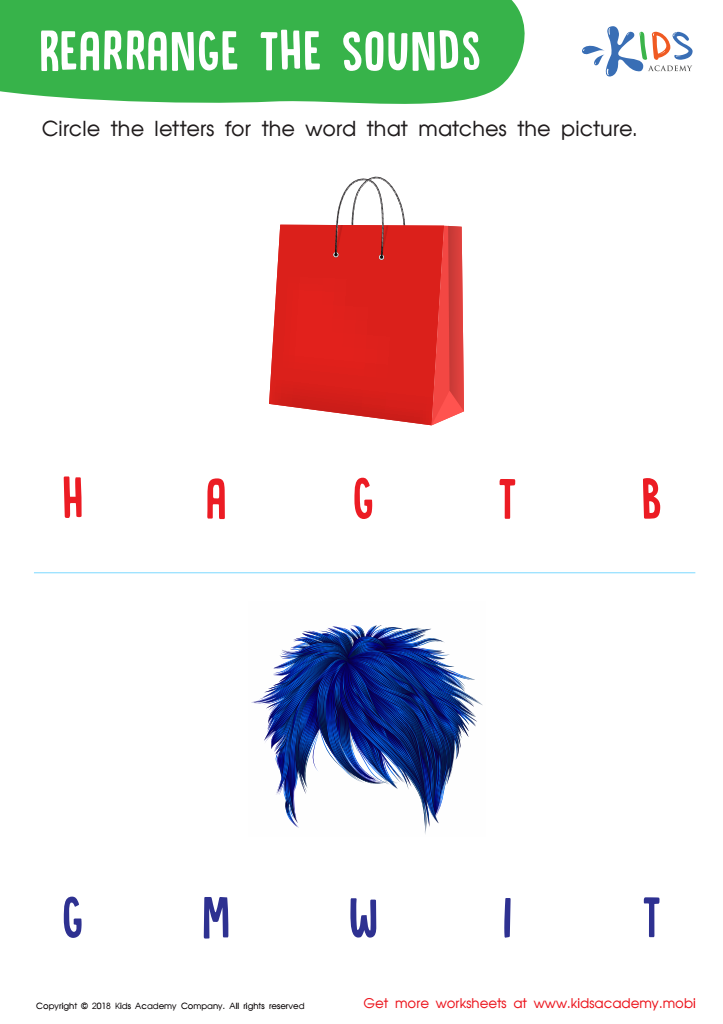
Rearrange the Sounds Worksheet








Reading comprehension and letter recognition are foundational skills crucial for children aged 4-6. At this developmental stage, children's brains are rapidly growing, making it an ideal time to instill a love of reading. Developing letter recognition allows children to identify and understand the alphabet, which is the building block of reading. When they can recognize letters, it sets the stage for decoding words and building vocabulary.
Comprehension skills are equally essential. Children who grasp what they read are not just memorizing letters; they are learning to interpret and engage with texts. This engagement fosters critical thinking, creativity, and communication skills that are vital for their overall academic success. When parents and teachers focus on these skills, they help children make connections between sounds, letters, and meanings, laying the groundwork for effective reading and writing.
Moreover, early literacy influences a child's confidence and motivation. Knowing they can grasp the meaning of stories and texts creates a positive association with reading. Parents and teachers should emphasize reading comprehension and letter recognition early on, ensuring children develop the skills they need for lifelong learning and passion for reading. Early investment in these areas that substantially impacts their educational and social development.







