Visual discrimination Letter Recognition Worksheets for Ages 4-6
5 filtered results
-
From - To
Enhance your child's early literacy skills with our Visual Discrimination Letter Recognition Worksheets designed specifically for ages 4-6. These engaging activities focus on helping young learners distinguish between similar letters, enhancing their ability to recognize and identify letters in various contexts. As children complete these fun worksheets, they’ll build a solid foundation in letter recognition, critical for reading success. Our worksheets combine playful design with educational value, keeping kids motivated and excited about learning. Perfect for home or classroom use, these resources will support your child's journey to becoming a confident reader. Explore our collection and watch their skills flourish!
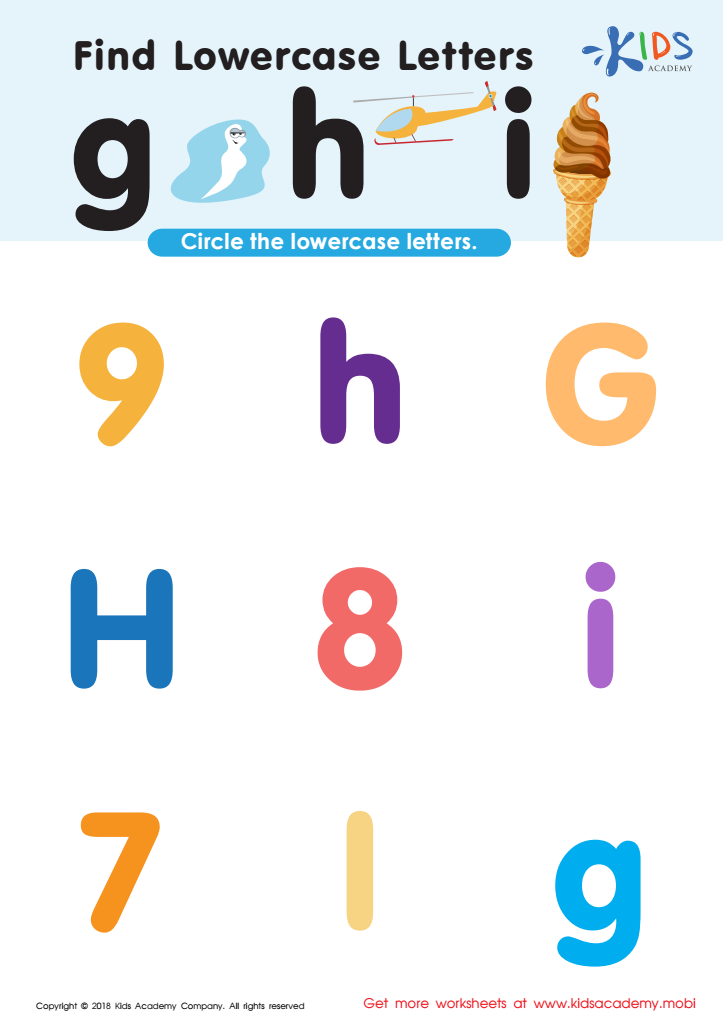
Find Lowercase Letters g h i Worksheet
 Assign to My Students
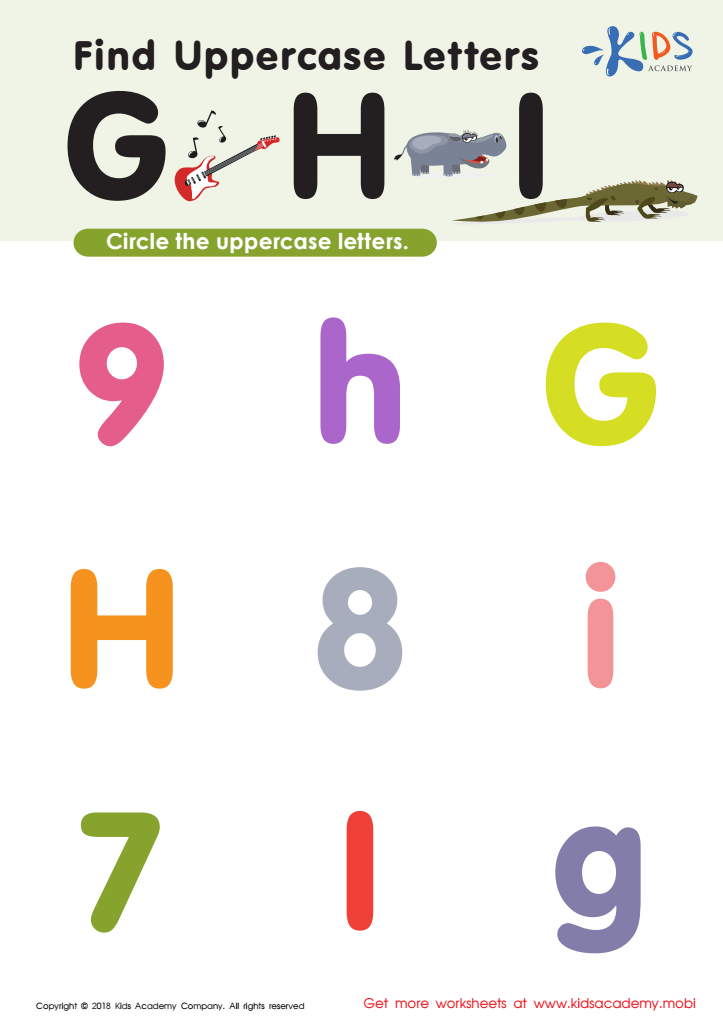
Find Uppercase Letters G, H, and I Worksheet
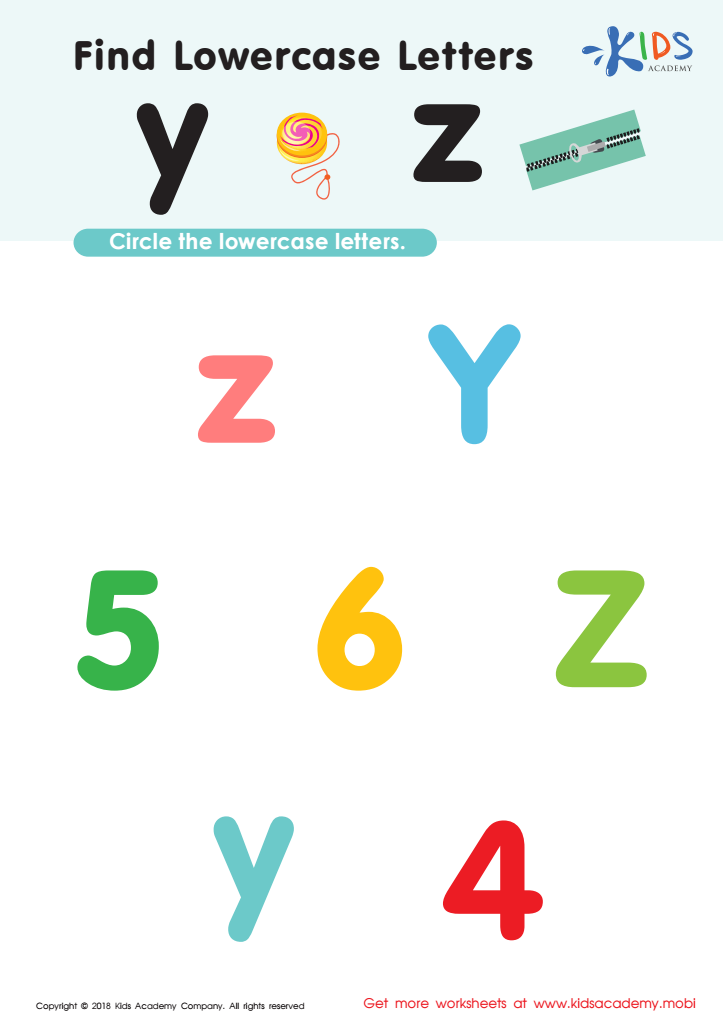
Find Lowercase Letters y z Worksheet
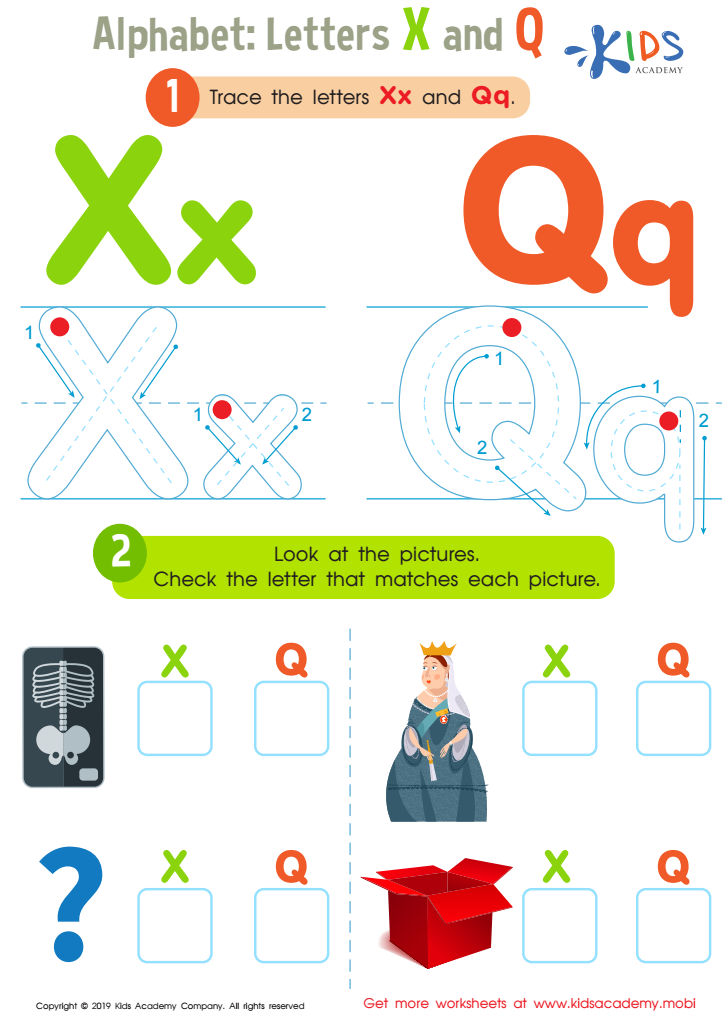
Letters X and Q Tracing Worksheet
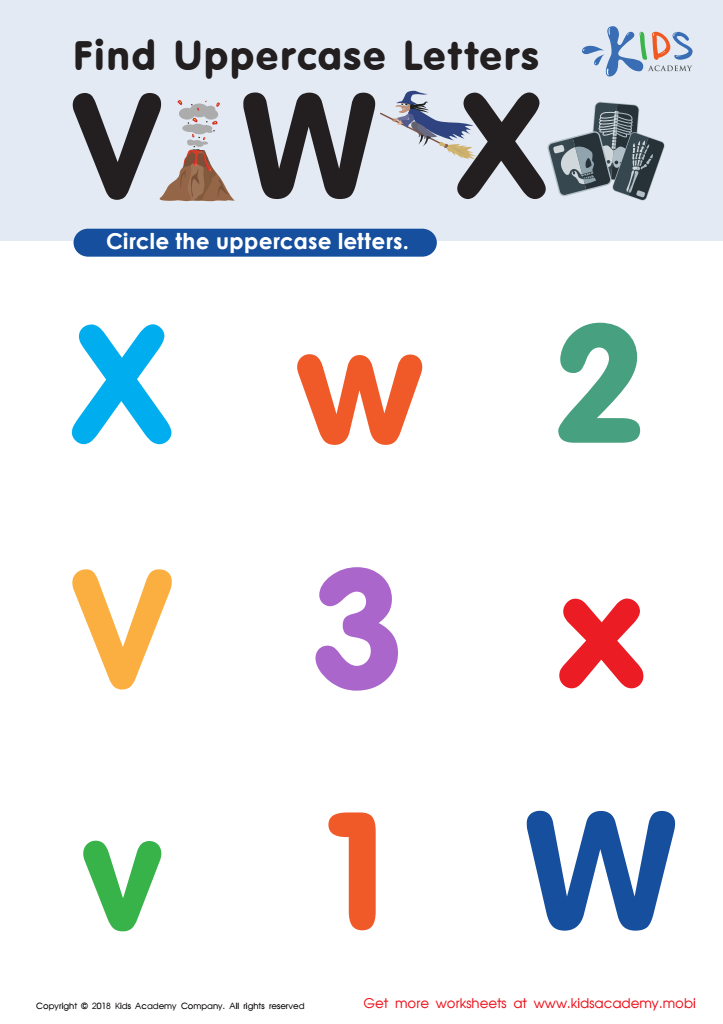
Find Uppercase Letters V, W, X Worksheet








Visual discrimination letter recognition is a crucial skill for young children aged 4-6 as it forms the foundation for reading and writing. At this stage, children are developing their ability to distinguish between different letters and their associated sounds, ensuring they recognize each letter correctly. Parents and teachers should care about this skill because it significantly impacts literacy development.
When children can easily identify letters, they become more confident in their reading abilities, which fosters a love for books and learning. Strong letter recognition skills help students decode words, recognize sight words, and eventually read independently. This skill also enhances their ability to spell, write, and communicate effectively.
Furthermore, early mastery of visual discrimination can ease feelings of frustration in learning environments. Children who struggle with recognizing letters may become disengaged or lose motivation, hindering their overall academic progress.
By focusing on visual discrimination and letter recognition through engaging activities—such as games, crafts, and interactive reading—parents and teachers can create a supportive environment that nurtures literacy skills. Investing in this foundational skill early on equips children with the necessary tools for academic success and fosters a lifelong love of learning.







