Phonics skills development Vowels Worksheets for Ages 4-6
3 filtered results
Difficulty Level
Grade
Age
-
From - To
Subject
Activity
Standards
Boost early reading success with our Phonics Skills Development Vowels Worksheets for ages 4-6. These engaging and interactive worksheets from Kids Academy are expertly designed to strengthen young learners' understanding of vowel sounds through fun and educational activities. With a focus on both short and long vowels, each worksheet promotes letter recognition, pronunciation, and sound differentiation, while fostering a love for reading. Ideal for preschoolers and kindergarteners, our worksheets are perfect for both classroom and at-home practice, ensuring a solid foundation in early literacy skills. Prepare your child for reading progress with Kid Academy's expertly crafted phonics worksheets.
Favorites
With answer key
Interactive
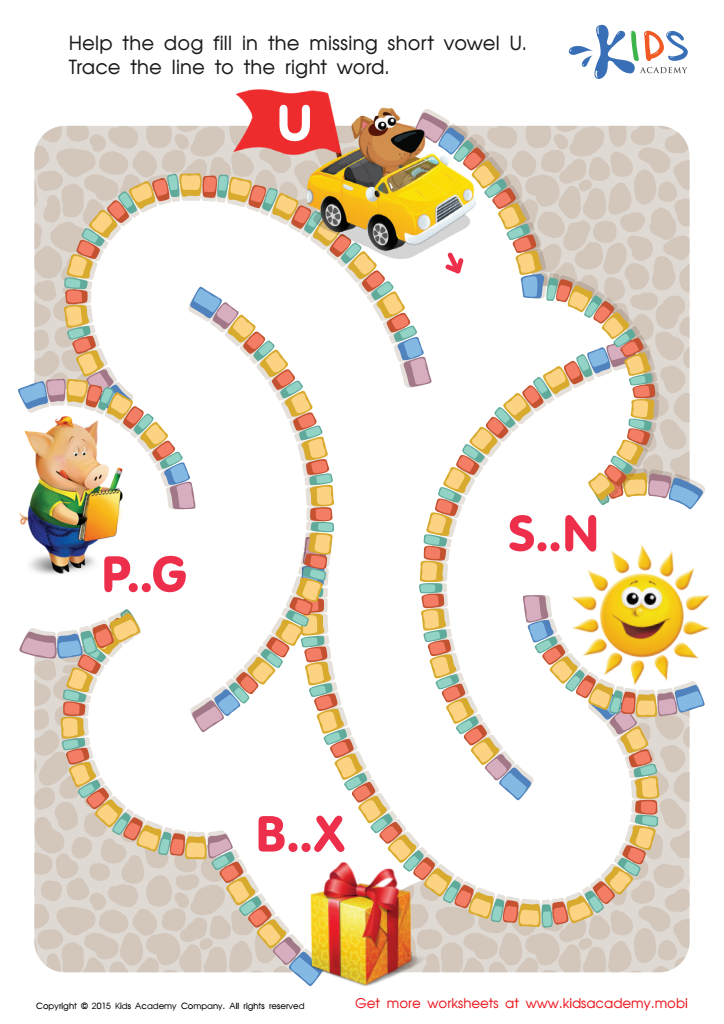
Short Vowel Sound U Worksheet
Practice abc phonics to help young learners link sounds to letters. This free printable phonics worksheet helps your kid learn the short vowel sound U. Guide them through the maze to help the dog complete the word "sun". Make sure they say the word out loud to emphasize the short U sound. Check out more phonics worksheets with mazes here.
Short Vowel Sound U Worksheet
Worksheet
Long and Short I Worksheet
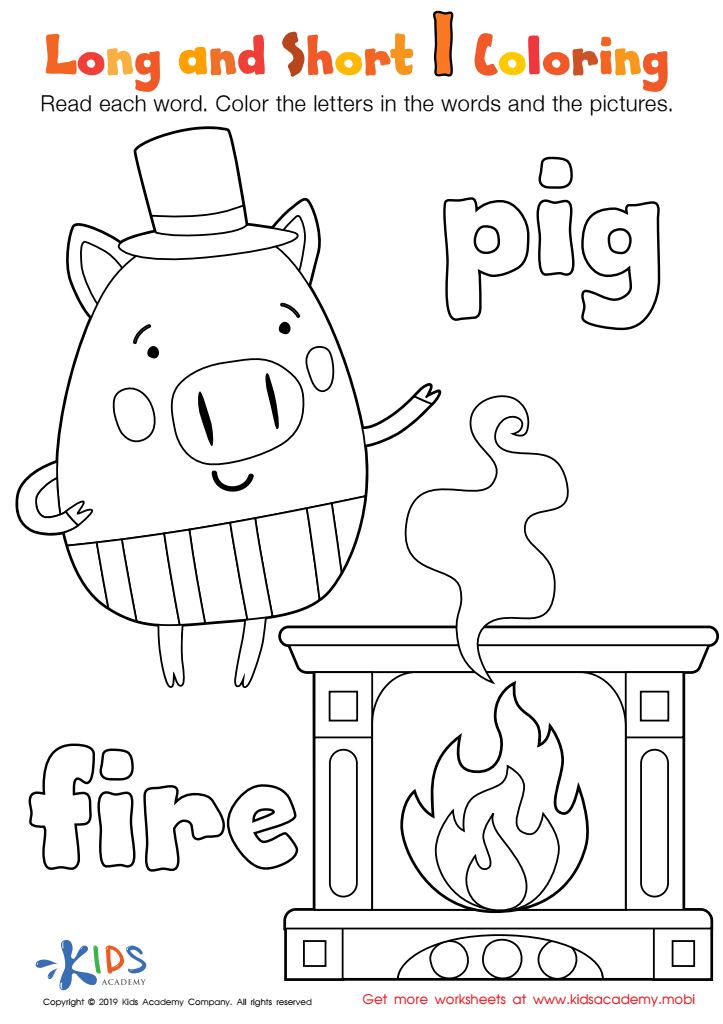
Print the worksheet and have the students read "pig" and "fire". Check for understanding the difference between long and short vowels. Color in words and pictures to make learning phonics fun! This exercise is perfect for introducing the topic to your students.
Download (PDF)
 Assign to My Students
Assign to My Students
Long and Short I Worksheet
Worksheet
Long and Short O Worksheet
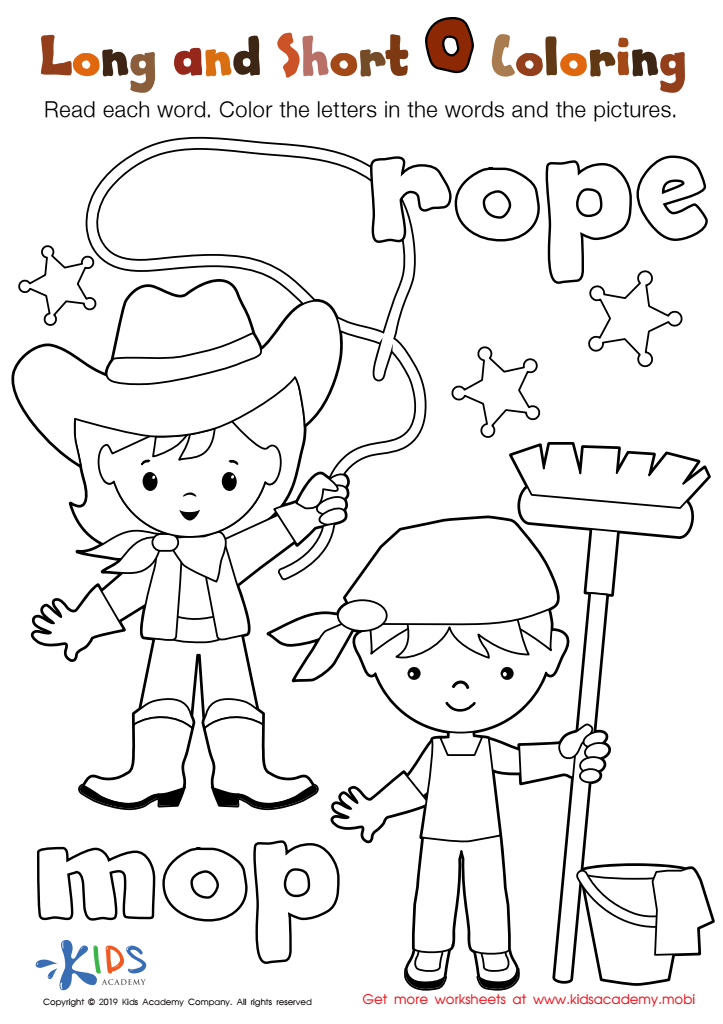
Help your students recognize the difference between long and short «Os» with this fun printout. Let them read and color-in "rope" and "mop" simultaneously. Listen to the different sounds, then color the words and pictures. Great for classes, it'll make your phonics lesson memorable and enjoyable.
Download (PDF)
Assign to My Students
Assign to My Students
Long and Short O Worksheet
Worksheet
Join Kids Academy for Free
Who is primarily going to use this learning content?





Phonics skills development, particularly vowels, are pivotal for young learners aged 4-6 as these are foundational years for language acquisition and literacy. Parents and teachers should prioritize this for several reasons.
Firstly, understanding vowels and their sounds are crucial for phonemic awareness, the ability to hear, identify, and manipulate sounds in words. This awareness is a strong predictor of future reading success. For this age group, mastering vowels helps differentiate between similar-sounding words, which lays the groundwork for effective communication and comprehension.
Secondly, phonics instruction, focusing on vowels, bridges the gap between spoken and written language. It helps children decode new words independently, fostering a sense of confidence and curiosity in reading. A strong grasp of vowel sounds facilitates smoother transitions to more complex aspects of reading and writing.
Additionally, early phonics skills lead to enhanced spelling abilities. Knowing common vowel patterns from an early age empowers children to spell more accurately, which is an essential skill for overall academic performance.
Lastly, developing strong phonics skills early on ensures that children are not only prepared for the academic demands of schooling but also develop a lifelong love for reading. This, in turn, positively affects their cognitive development, imagination, and empathy.
Hence, emphasizing phonics and vowel development in early education results in a robust foundation for future literacy and learning success.