Shape identification Coloring Pages Worksheets for Ages 4-6
3 filtered results
Difficulty Level
Grade
Age
-
From - To
Subject
Activity
Standards
Explore our engaging Shape Identification Coloring Pages Worksheets, designed specifically for children aged 4-6! These fun and educational resources help young learners develop essential shape recognition skills while stimulating their creativity. Each worksheet features a variety of vibrant shapes for kids to color, sparking both artistic expression and active learning. The interactive format encourages visual discrimination and reinforces important vocabulary, making it a fantastic addition to any early education curriculum. Perfect for classroom activities or home-learning, these worksheets will captivate young minds while enhancing their understanding of geometric shapes in a delightful and enjoyable way! Start your creative learning journey today!
Favorites
With answer key
Interactive
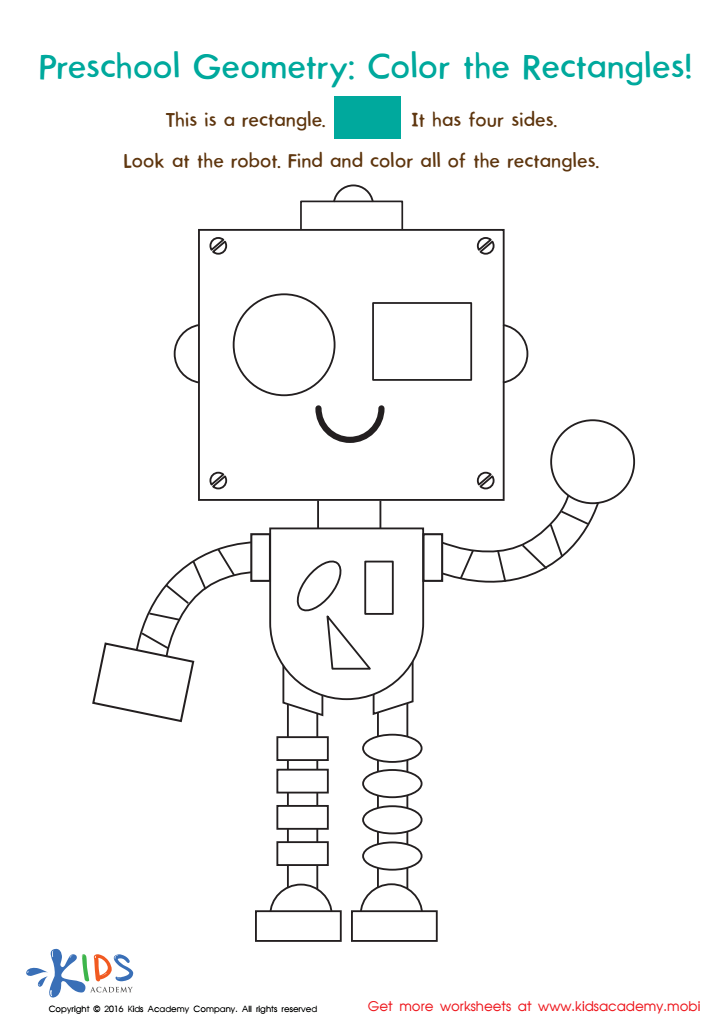
Geometry Worksheet
Geometry can be fun for kids! They explore shapes that create their favorite pics and objects. This preschool worksheet explains that rectangles have four sides, then kids color rectangles on a funny robot!
Geometry Worksheet
Worksheet
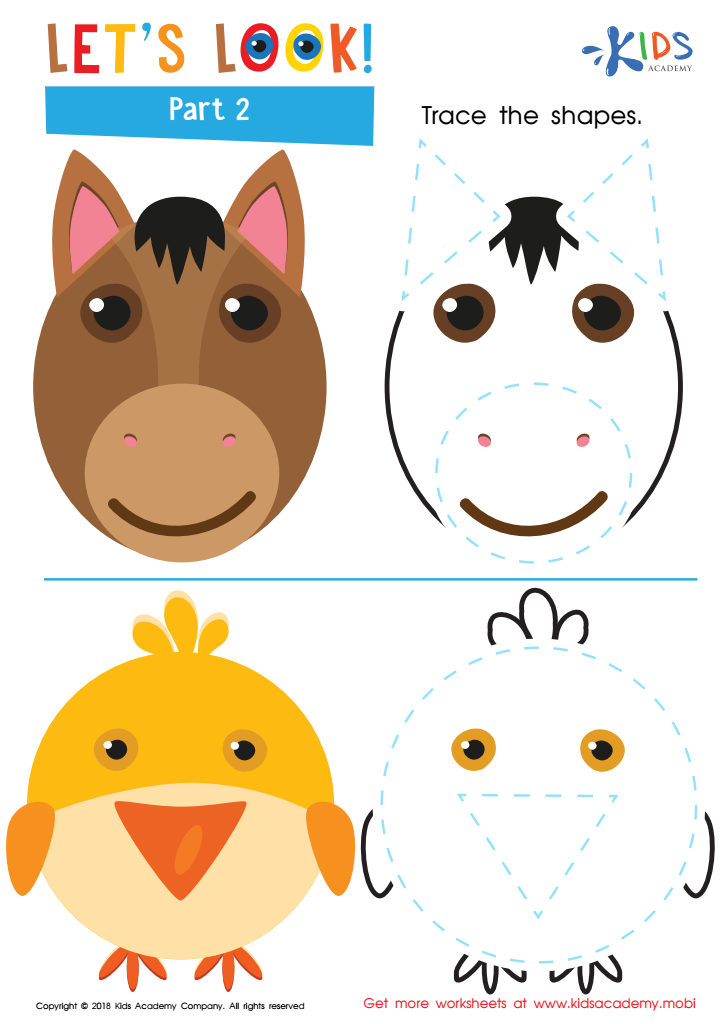
Let's Look! Part 2 Worksheet
This tracing sheet helps your little ones develop their skills. Ask them to identify the animals, then trace the shapes in the space provided, following the dotted lines. It's a simple task that can help them grow and have fun!
Let's Look! Part 2 Worksheet
Worksheet
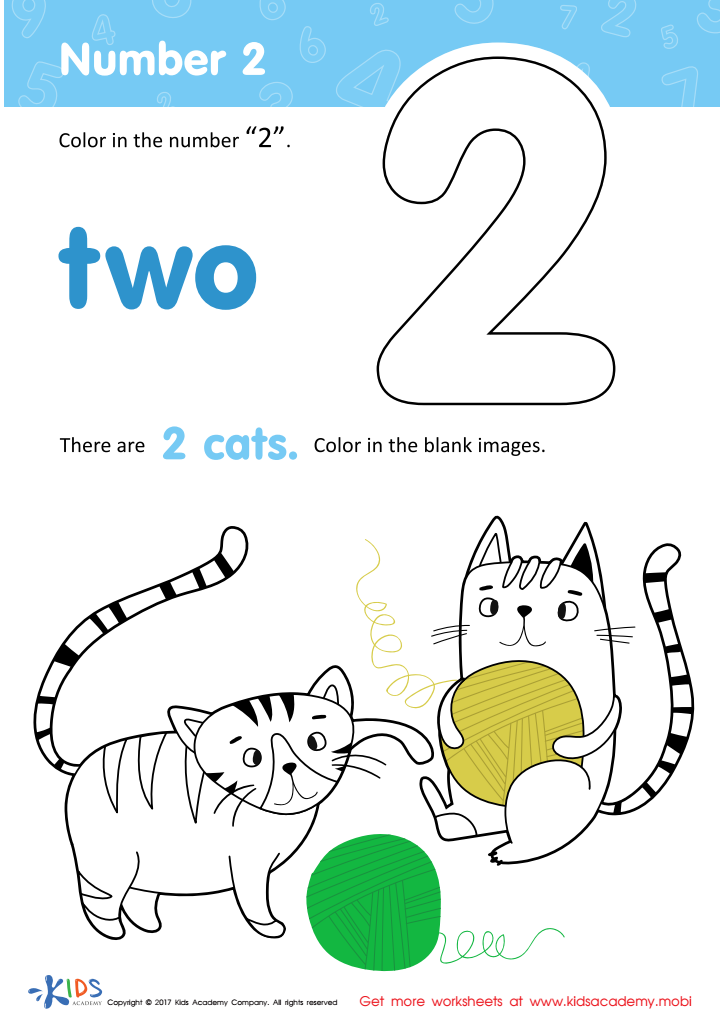
Number 2 Printable
Help your child learn to recognize the number two with these cats and their yarn balls. Print this coloring page – it's great for counting and coloring fun! Your child will develop basic numeracy skills as they visually see numbers in action.
Download (PDF)
 Assign to My Students
Assign to My Students
Number 2 Printable
Worksheet
Join Kids Academy for Free
Who is primarily going to use this learning content?





.jpg)


Shape identification coloring pages for children aged 4-6 are crucial tools in early childhood education. At this developmental stage, preschoolers are naturally curious and eager to learn about the world around them. Engaging with coloring pages that focus on shapes not only fosters creativity but also enhances critical cognitive skills. By recognizing different shapes, children build a foundational understanding of geometry—an essential aspect of math that they will encounter in later years.
Moreover, coloring shapes helps improve fine motor skills as children practice holding crayons, maintaining control, and coordinating movements. This activity supports hand-eye coordination and dexterity, which are important for tasks like writing and drawing.
Coloring pages can also serve as a fun and interactive way to facilitate conversations about shapes in a real-world context. Teachers and parents can discuss various objects, promoting language development and critical thinking. These pages offer opportunities for collaboration and shared experiences, further strengthening the bond between child and caregiver.
In essence, incorporating shape identification coloring pages into learning routines assists in holistic development, enriching children's educational experiences while preparing them for future academic challenges. By prioritizing this resource, parents and teachers contribute to a strong foundation for lifelong learning.