Shape Recognition Coloring Pages Worksheets for Ages 4-6
3 filtered results
-
From - To
Enhance your child's development with our Shape Recognition Coloring Pages Worksheets, specifically designed for ages 4-6. These engaging and interactive resources help young learners identify various shapes while they enjoy coloring. Each worksheet features fun illustrations that promote fine motor skills and creativity, making learning both enjoyable and effective. As children color different shapes, they will also practice essential skills like hand-eye coordination, shape names, and recognition. Perfect for use at home or in the classroom, these worksheets provide a fantastic opportunity for preschool and kindergarten educators to integrate art with essential early learning concepts! Download and print today!
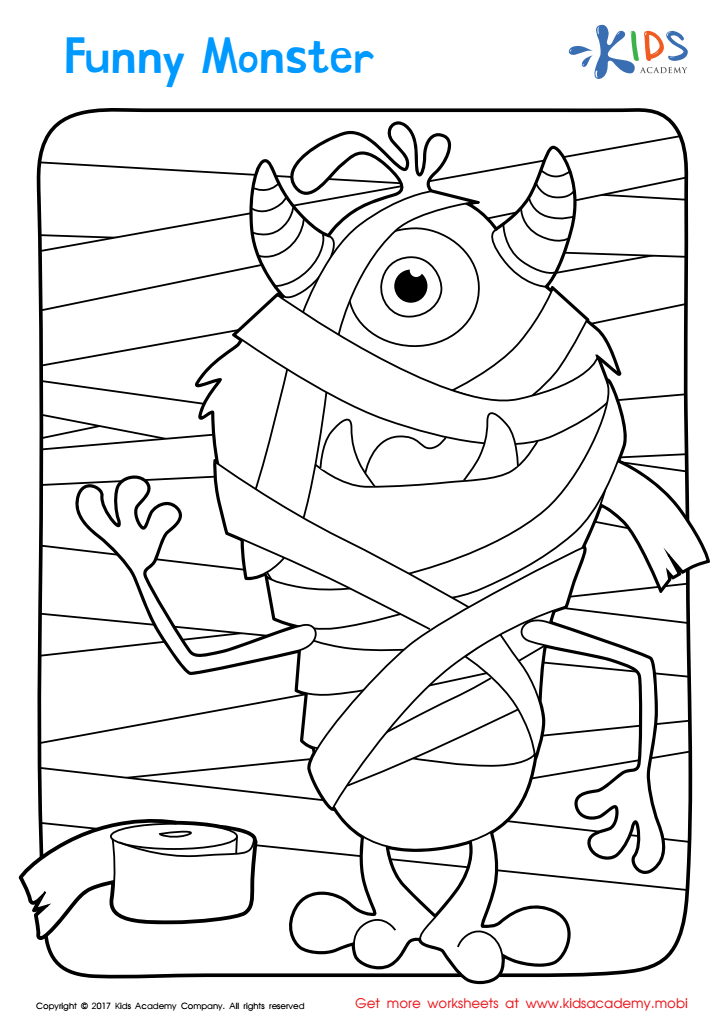
Halloween: A Funny Monster Worksheet
 Assign to My Students
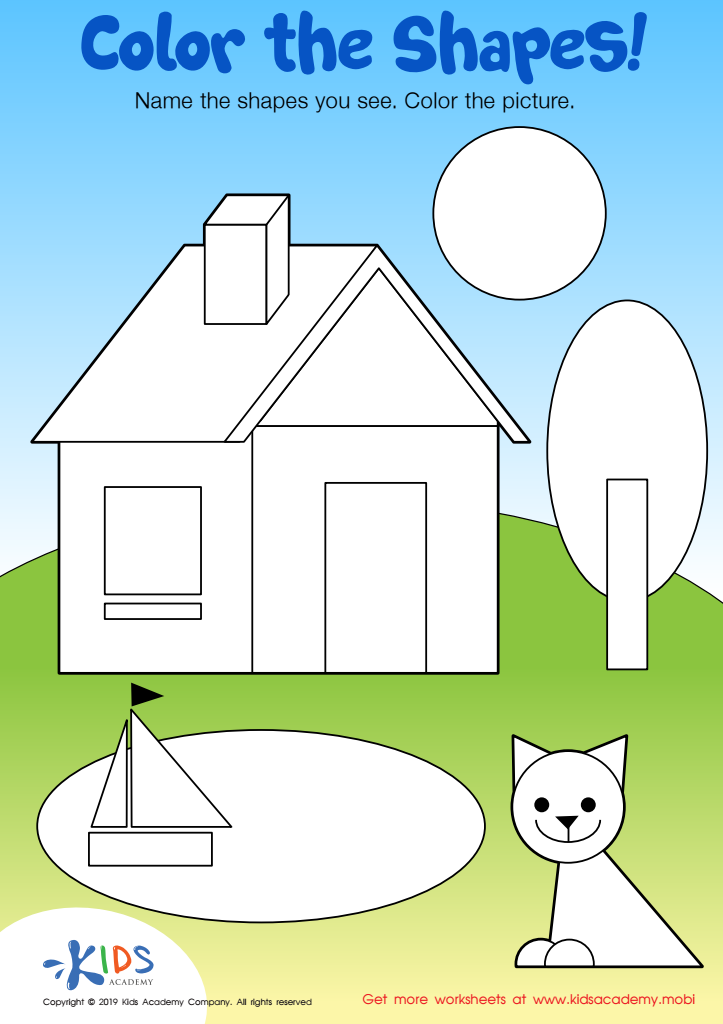
Color the Shapes Worksheet
Assign to My Students

Turkey Thanksgiving Day Worksheet
Assign to My Students








Shape recognition is a fundamental skill for young children, and coloring pages focused on shapes provide an engaging way for parents and teachers to foster this essential aspect of early childhood development. For ages 4-6, these activities not only promote creativity but also support cognitive and motor skills development. As children color different shapes, they learn to identify and differentiate between various geometrical forms—such as circles, squares, and triangles—enhancing their understanding of basic math concepts.
Furthermore, the process of coloring helps improve fine motor skills, hand-eye coordination, and attention to detail. These skills are crucial as children prepare for more complex tasks in school, such as writing and problem-solving. Additionally, incorporating shape recognition into fun, interactive activities keeps young learners motivated and invested in their education.
Coloring pages can also provide opportunities for parents and teachers to engage in discussions about shapes in the environment, linking classroom learning to real-life experiences. Overall, shape recognition coloring pages are a valuable resource that supports holistic development, nurturing essential skills while igniting a love for learning in children ages 4-6. By investing time in these activities, adults can play a significant role in laying the groundwork for future academic success.