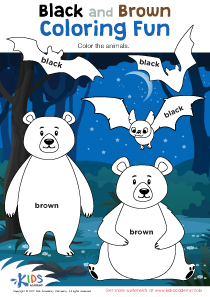
Alphabet Learning English for Beginners Worksheets for Ages 4-6
4 filtered results
-
From - To
"Alphabet Learning English for Beginners Worksheets for Ages 4-6" offers engaging, kid-friendly resources to help young learners master the alphabet. Designed specifically for children aged 4-6, these worksheets make learning fun and interactive. Kids can practice letter recognition, pronunciation, and writing through various activities such as tracing, matching, and coloring. Each worksheet focuses on different aspects of alphabet mastery, promoting strong foundational skills essential for reading and writing. Ideal for ESL learners and native speakers alike, these printable activities will launch your child on the path to literacy and boost their confidence in using English. Explore the magic of learning today!
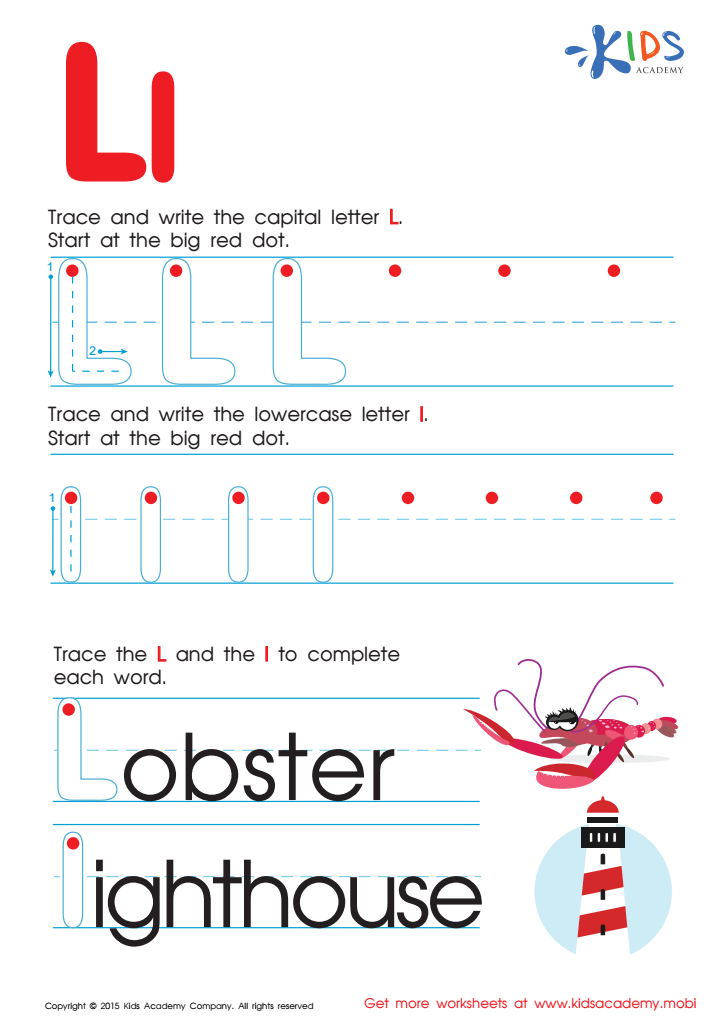
Letter L Tracing Page
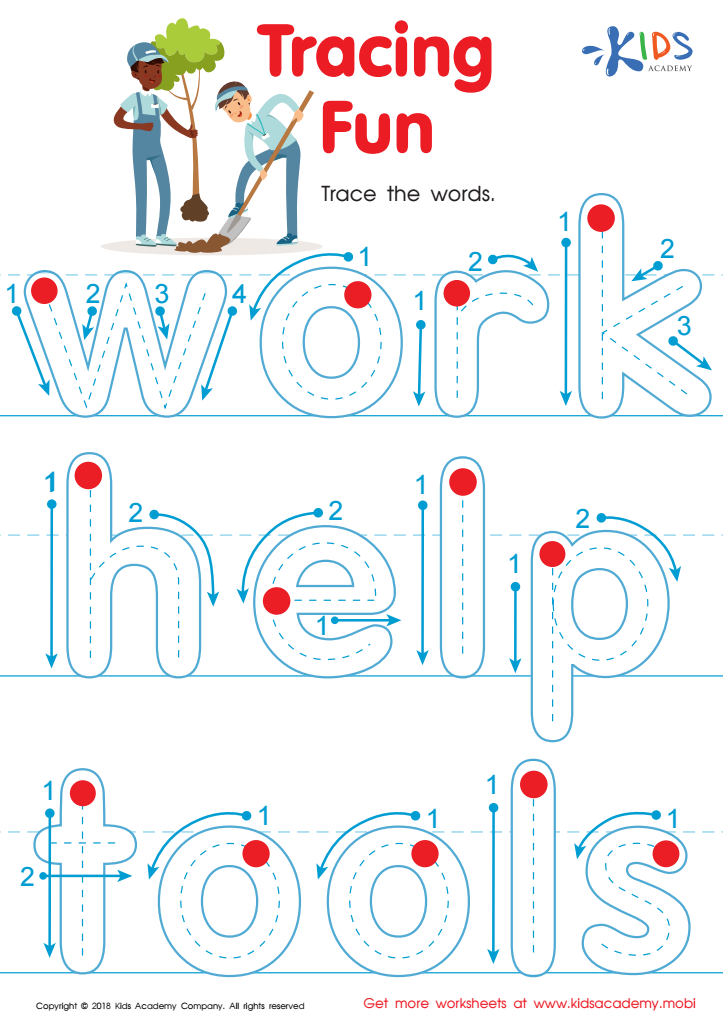
Tracing Fun Worksheet
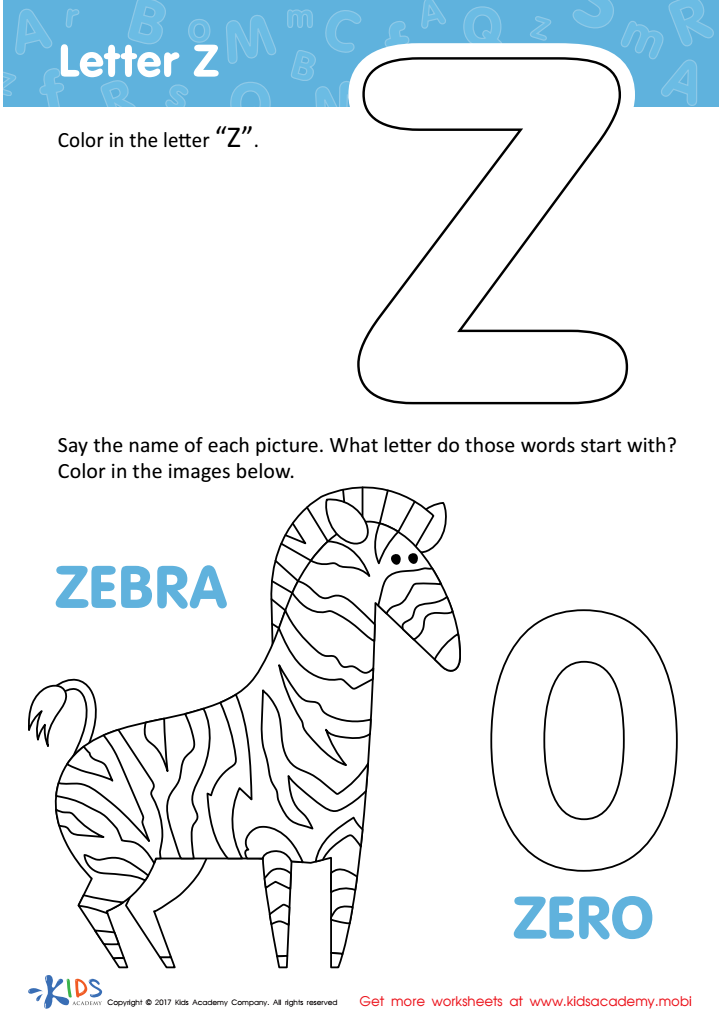
Letter Z Coloring Sheet
 Assign to My Students
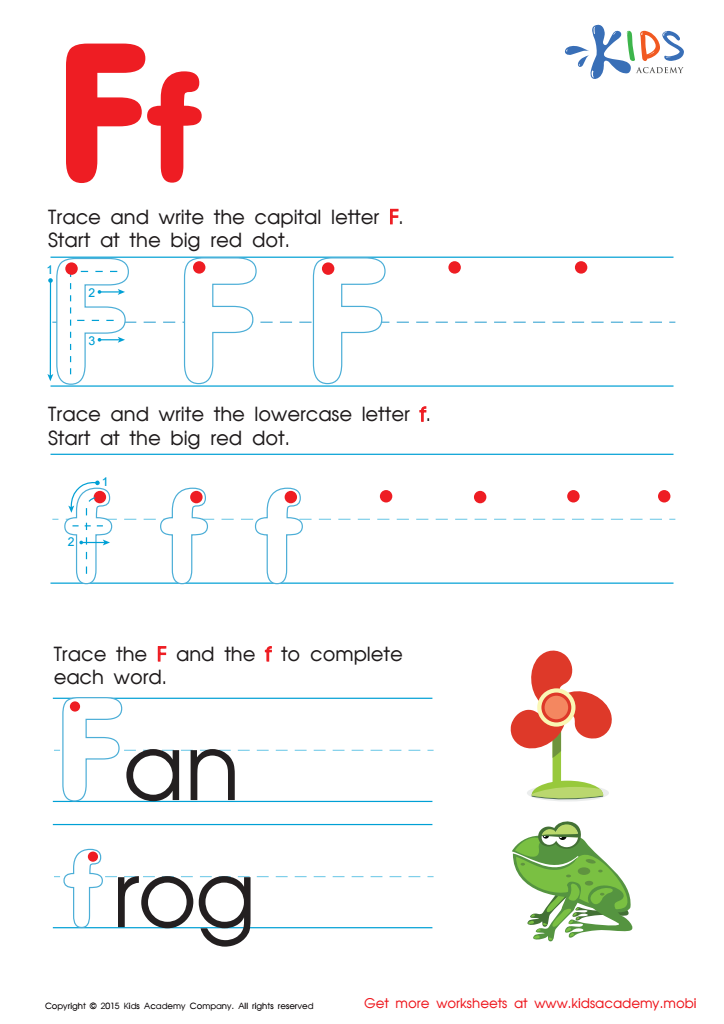
Letter F Tracing Page





Parents and teachers should prioritize alphabet learning for children aged 4-6 because it serves as a crucial foundation for all future language and literacy skills. Mastery of the alphabet at an early age is essential for developing strong reading and writing abilities. During this sensitive period, children's brains are particularly adept at absorbing new information, making it the optimal time to introduce them to the basics of language.
Learning the alphabet helps children understand the concept of letters and sounds, enabling phonemic awareness, which is the ability to hear, identify, and manipulate individual sounds in spoken words. This skill is vital for decoding words and is a strong predictor of later reading success.
Additionally, familiarity with the alphabet boosts children's confidence and motivates them to engage in more complex linguistic tasks. It sets the stage for vocabulary building and comprehension skills, fostering a love for reading and learning that can spark curiosity and imagination.
Moreover, early alphabet education promotes cognitive development, fine motor skills, and concentration. It also makes the transition to formal schooling smoother, as children with a solid grasp of the alphabet can often keep up better academically.
Investing in alphabet learning today sets children on a path toward academic success, effective communication, and lifelong literacy.