Alphabetical understanding Worksheets for Ages 4-6
3 filtered results
-
From - To
Unlock the magic of letters with our "Alphabetical Understanding Worksheets for Ages 4-6"! Designed to make early literacy fun and engaging, these worksheets help young learners recognize, write, and sequence letters. Through a variety of hands-on activities, kids improve their alphabet knowledge, boosting reading and spelling skills. Perfect for preschool and kindergarten-aged children, these printables support both classroom and at-home learning. Foster a love for reading and build a solid foundation for future academic success with our comprehensive and colorful worksheets. Ideal for parents and teachers aiming to nurture confident, early readers!
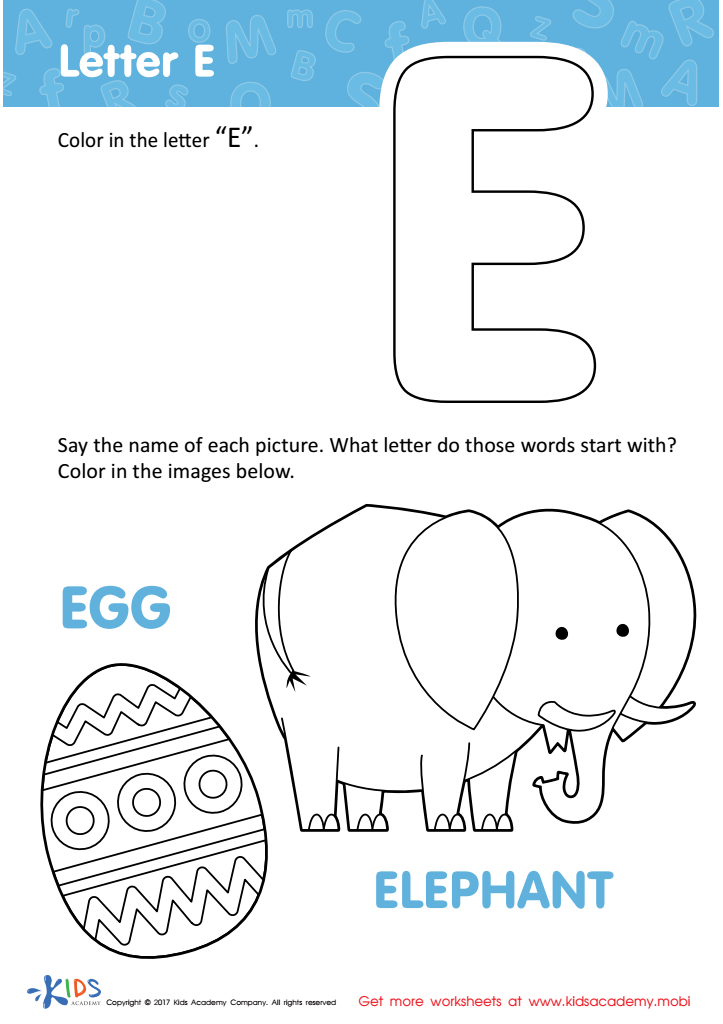
Letter E Coloring Sheet
 Assign to My Students
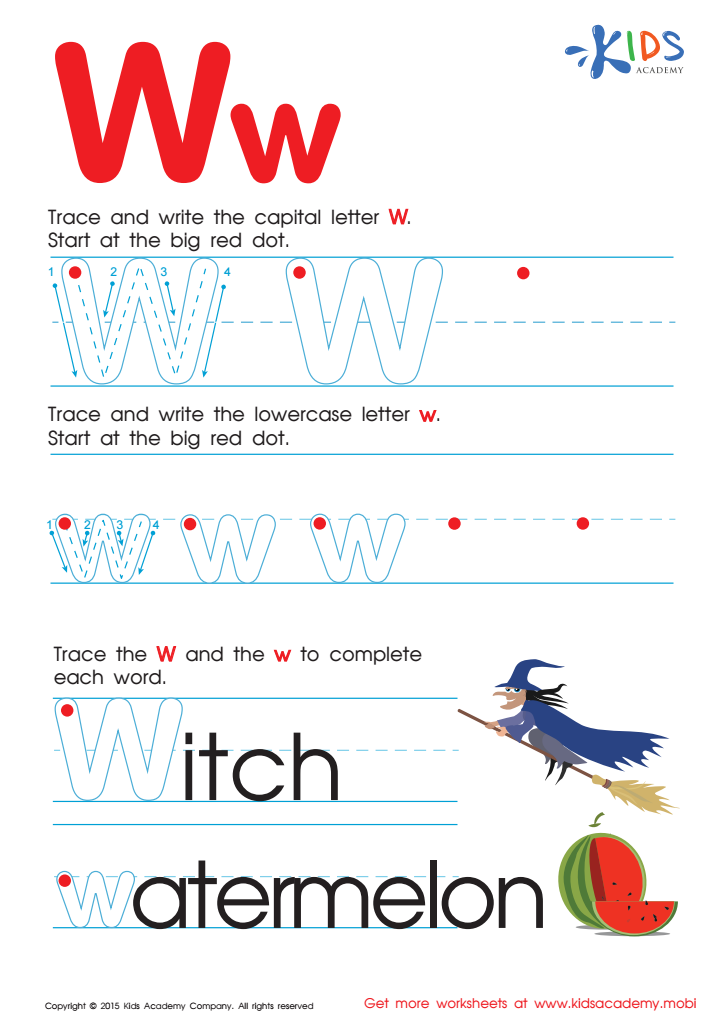
Letter W Tracing Page
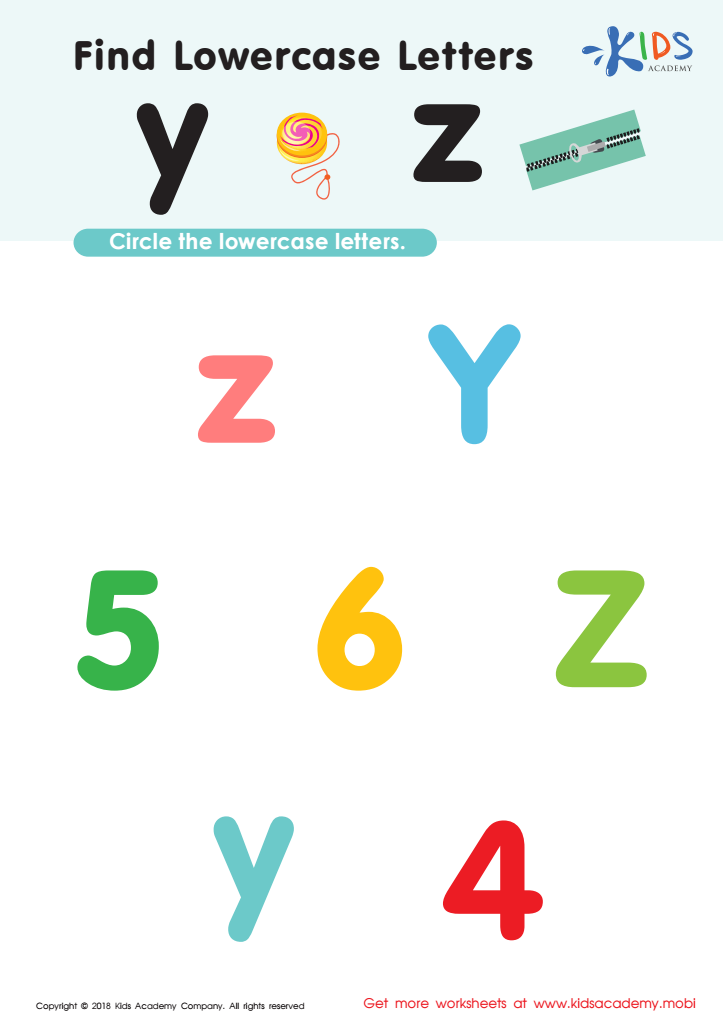
Find Lowercase Letters y z Worksheet








Alphabetical understanding is crucial for children ages 4-6 because it forms the foundation for reading and writing skills, which are essential for academic success. At this formative age, children are developing their cognitive abilities at a rapid pace, and recognizing and understanding the alphabet helps them decode words, build their vocabulary, and eventually read and comprehend text.
For parents and teachers, fostering alphabetical knowledge does more than just help with reading—it improves overall language development. As children learn letter names and sounds, they also enhance their phonemic awareness (the ability to hear and manipulate sounds), which is a strong predictor of effective reading skills later on. This awareness allows children to understand the relationship between spoken language and written language, enabling them to spell and write words accurately.
Additionally, early alphabetical understanding boosts a child's confidence and fosters a positive attitude towards learning. It equips them with tools to explore stories and information independently, which can spark a lifelong love of reading. Consequently, this early foundation sets the stage for future academic achievement and can significantly reduce the risk of developing literacy difficulties later in school.
Adults' active involvement in teaching and reinforcing the alphabet can make the learning process enjoyable and effective, laying the groundwork for learned skills that will support children throughout their educational journey and beyond.








