Categorization skills Worksheets for Ages 4-6 - Page 2
29 filtered results
-
From - To
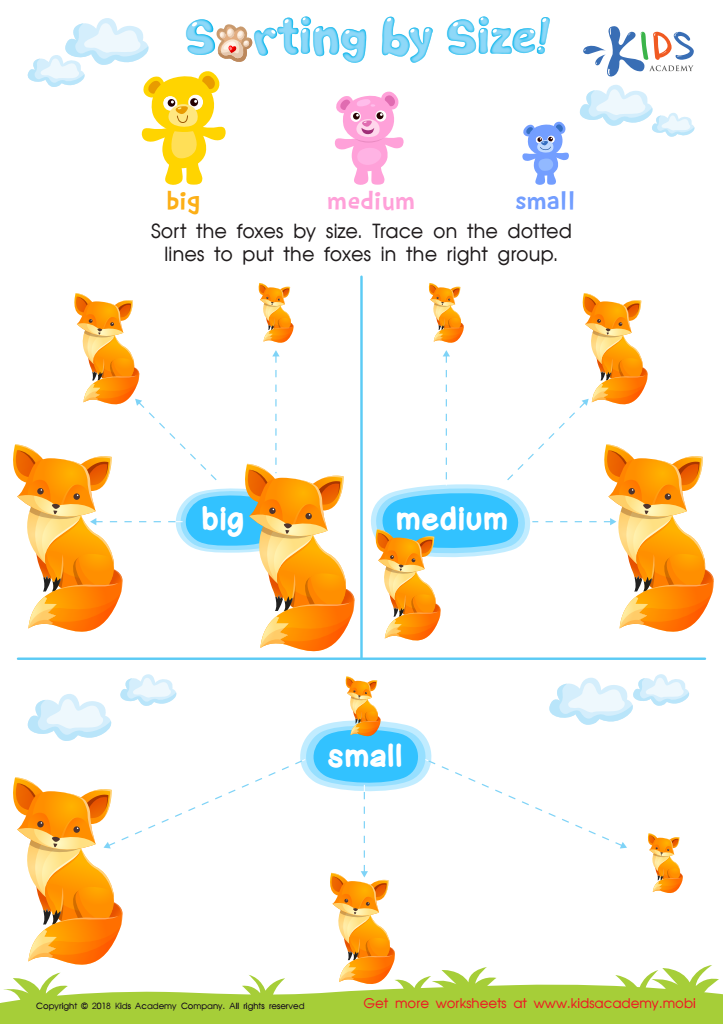
Sorting by Size Worksheet
 Assign to My Students
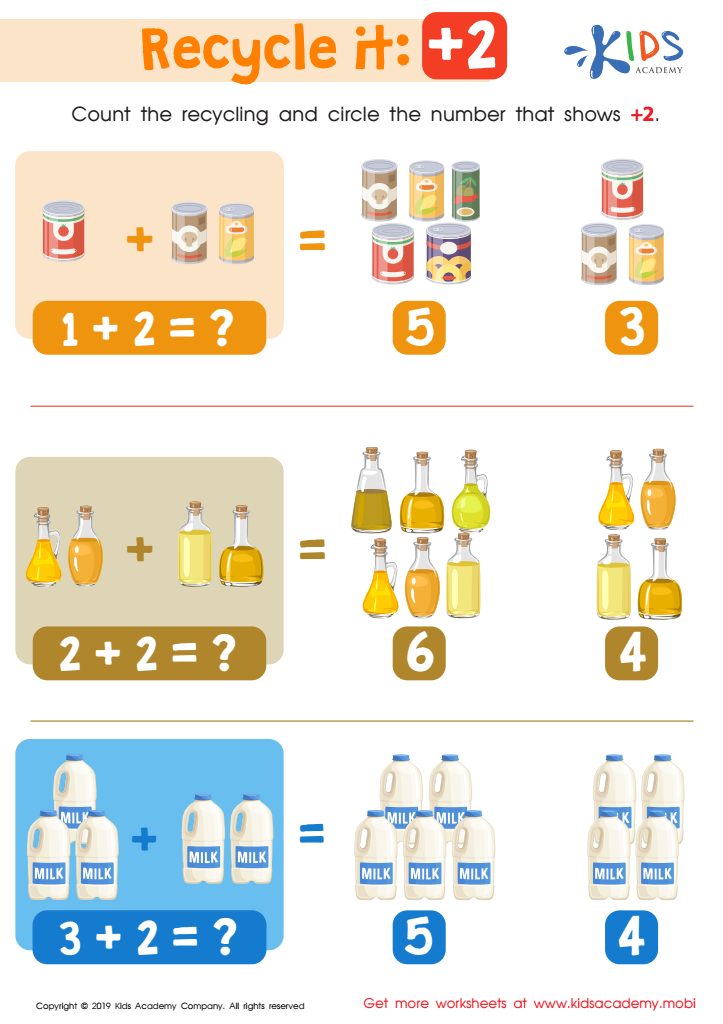
Recycle It: +2 Worksheet
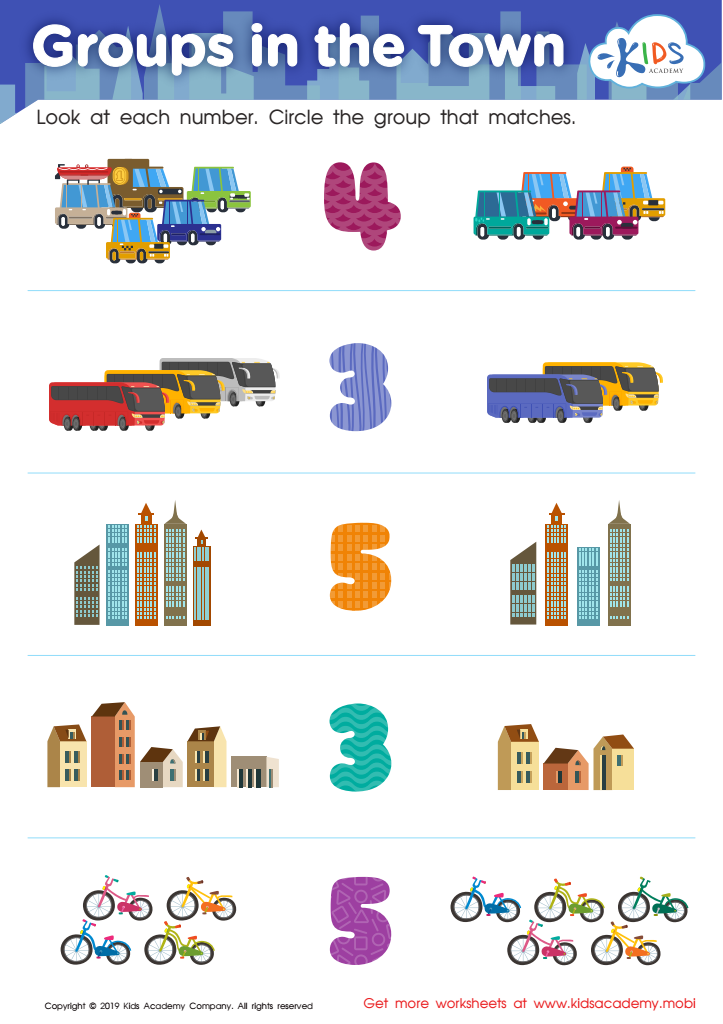
Groups in the Town Worksheet
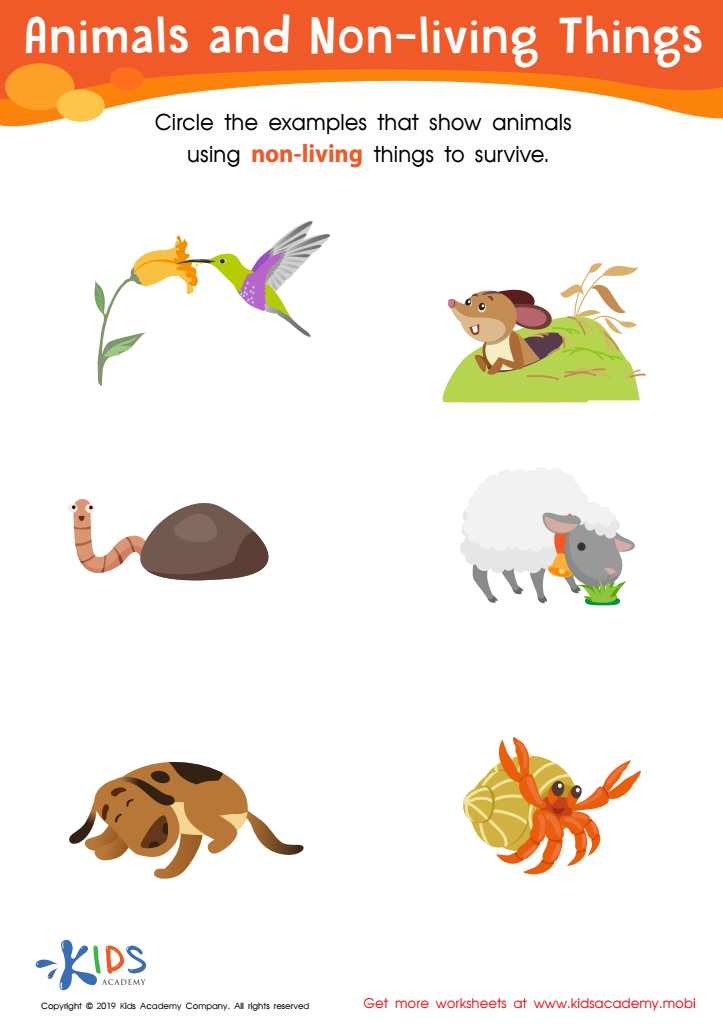
Animals and Non-Living Things Worksheet








Categorization skills are fundamental cognitive abilities that lay the groundwork for more complex learning and critical thinking. For children ages 4-6, honing these skills provides several crucial benefits that parents and teachers should not overlook.
Firstly, categorization aids in organizing and processing information efficiently. By grouping similar objects, children develop more streamlined ways to remember and retrieve information. This is essential for foundational learning in subjects like math and science, where recognizing patterns and classifications can enhance understanding and problem-solving abilities.
Secondly, categorization supports language development and vocabulary expansion. When children can group objects based on attributes like shape, size, or color, they enhance their descriptive language skills. For example, distinguishing between animals that fly and those that swim can expand their use of these action words and related concepts.
Thirdly, it fosters social and emotional learning. Understanding how to categorize emotions and human behaviors helps children in navigating social interactions and building empathy. They learn to recognize what feelings fit various situations, contributing to developing emotional intelligence.
Lastly, early achievements in categorization build confidence and independence. Successful sorting and classifying activities provide a sense of accomplishment, encouraging children to tackle more challenges. In summary, categorization skills are not merely academic; they are socio-emotional and cognitive tools essential for holistic development in early childhood.








