Develops fine motor skills Worksheets for Ages 4-6
4 filtered results
-
From - To
Enhance your young learner's fine motor skills with our expertly designed worksheets, perfect for ages 4-6. Our collection offers diverse, engaging activities tailored to develop hand-eye coordination, pencil control, and dexterity. From tracing and drawing to cutting and pasting, each task encourages creativity while strengthening essential skills. Our colorful and fun worksheets make learning feel like play, supporting school readiness and confidence in writing. Ideal for both classroom use and home practice, they provide a solid foundation for future academic success. Visit Kids Academy for exceptional resources that help your child develop fine motor skills in an enjoyable, effective way.
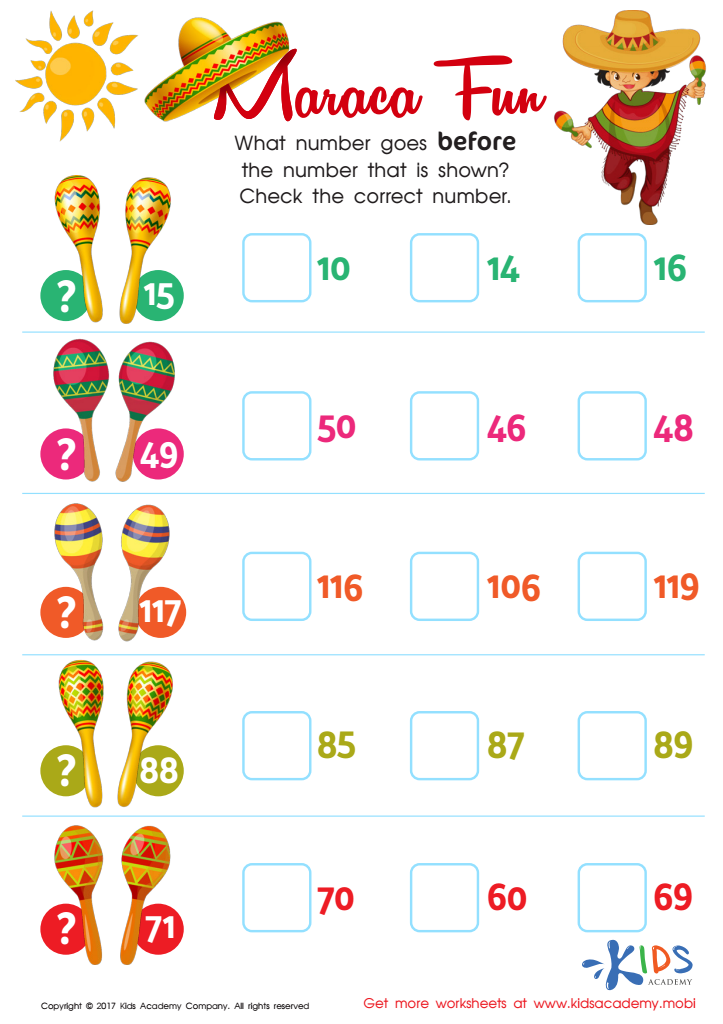
Counting: Maraca Fun Worksheet
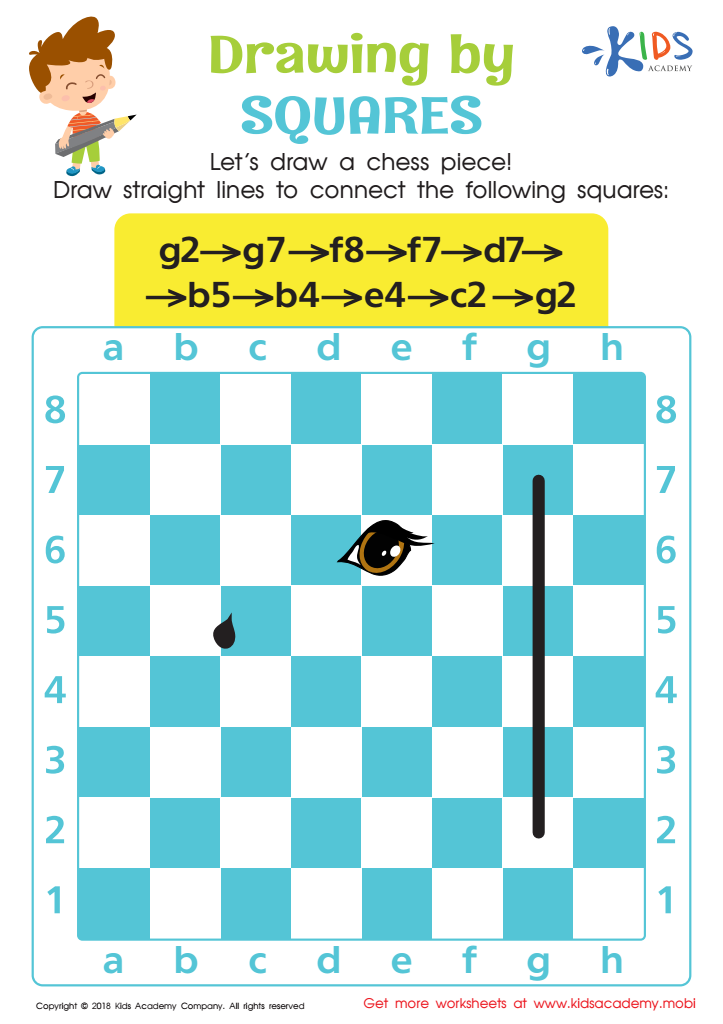
Drawing by Squares Worksheet
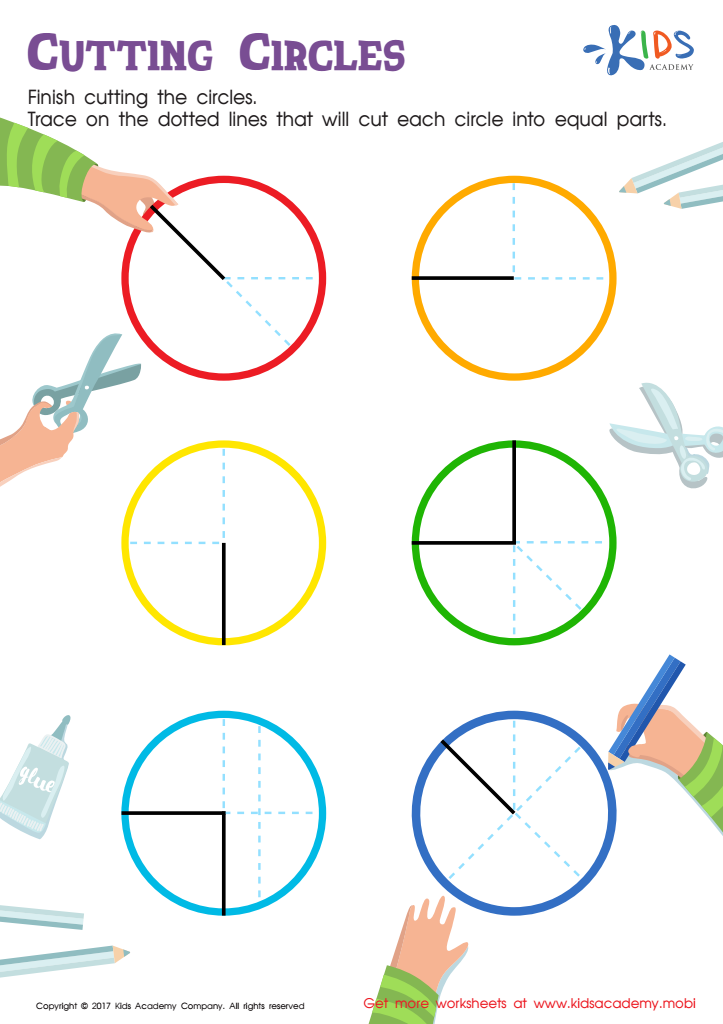
Cutting Circles Worksheet
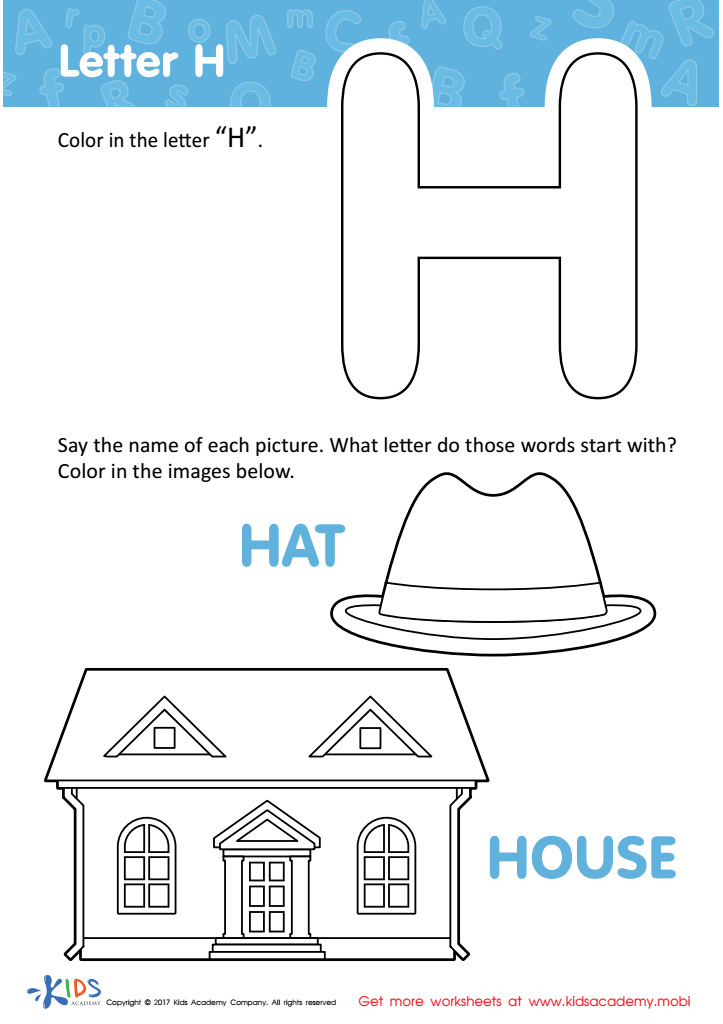
Letter H Coloring Sheet
 Assign to My Students






Developing fine motor skills in children aged 4-6 is crucial for their overall growth and daily functioning. These skills involve the small muscle movements of the hands, fingers, and wrists, and are vital for tasks such as writing, buttoning clothes, using scissors, and even playing with toys. When children improve their fine motor skills, they gain greater independence and confidence in their abilities to perform everyday tasks.
At this age, motor skill development lays the foundation for academic success. For instance, the mechanics of writing, such as holding a pencil correctly and forming letters, rely heavily on these refined movements. Strengthening these abilities early on makes the transition to school smoother and enhances their ability to focus on learning rather than struggling with basic tasks.
Moreover, developing fine motor skills supports cognitive development. Activities like puzzles, cutting shapes, and manipulating objects enhance problem-solving abilities, spatial awareness, and hand-eye coordination. These brain-boosting benefits help solidify neural connections that are crucial for learning.
Investing time and resources to develop fine motor skills in young children not only aids their academic performance but also fosters independence and confidence, setting a strong foundation for future growth and learning. Thus, parents and teachers should prioritize activities that enhance these skills to ensure a well-rounded development.








